

Consumer Insights
Uncover trends and behaviors shaping consumer choices today
Procurement Insights
Optimize your sourcing strategy with key market data
Industry Stats
Stay ahead with the latest trends and market analysis.
The global smart home security devices market was valued at USD 34.62 Billion in 2025. The industry is expected to grow at a CAGR of 15.80% during the forecast period of 2026-2035 to reach a value of USD 150.11 Billion by 2035. The market growth is supported by the integration of devices into broader smart home platforms, combined with continuous software and service improvements that elevate the user experience and engagement.
The smart home security devices market is flourishing due to continuous innovation and changing lifestyle needs. Cutting-edge innovations such as AI cameras, smart sensors, and IoT locks enable homes to be one step ahead by offering predictive alerts and automation without any hassle. Meanwhile, increasing concerns for urban safety and the desire to have a lifestyle that is connected and free from worries prompt homeowners to switch to smart alarms and monitor systems, and hence, everyday dwellings are turned into proactive, safe places, which in turn, drive the global market growth.
Platform integration enables devices from different manufacturers to work effortlessly under one unified ecosystem, thus providing centralized control, easier management, and more advanced features such as AI-based detection, automated alerts, and predictive analytics. Along with this, continuous software and service improvements lead to better app interfaces, enhanced analytics features, and improved notification systems, hence higher customer satisfaction and the willingness to use premium smart security solutions. As a result, these approaches raise product value, gain consumer confidence, and boost market penetration, thus making integrated ecosystems a major driver for growth.
Supporting this trend, Arlo Technologies in February 2025 deepened its collaboration with Samsung SmartThings to roll out features like AI-powered two-way audio, event snapshots, and smart detection throughout the platform. Subsequently, in January 2026, the collaboration was further deepened to include the integration of additional smart security features such as boosted analytics, app-based monitoring, and customizable alerts.
Compound Annual Growth Rate
15.8%
Value in USD Billion
2026-2035
|
Global Smart Home Security Devices Market Report Summary |
Description |
Value |
|
Base Year |
USD Billion |
2025 |
|
Historical Period |
USD Billion |
2019-2025 |
|
Forecast Period |
USD Billion |
2026-2035 |
|
Market Size 2025 |
USD Billion |
34.62 |
|
Market Size 2035 |
USD Billion |
150.11 |
|
CAGR 2019-2025 |
Percentage |
XX% |
|
CAGR 2026-2035 |
Percentage |
15.80% |
|
CAGR 2026-2035- Market by Region |
Asia Pacific |
17.7% |
|
CAGR 2026-2035 - Market by Country |
India |
18.0% |
|
CAGR 2026-2035 - Market by Country |
Japan |
14.8% |
|
CAGR 2026-2035 - Market by Device Type |
Smart Camera & Monitoring System |
17.9% |
|
CAGR 2026-2035 - Market by Connectivity |
Wireless |
17.4% |
|
Market Share by Country 2025 |
USA |
22.5% |
ADT Inc. officially launched its "Smarter Protection" suite, expanding security capabilities beyond traditional front-door monitoring to include enhanced ambient sensing. This development follows the company's full integration of Origin AI’s sensing technology, which utilizes wireless signals to detect motion and breathing patterns without the need for additional cameras or wearable sensors.
Wyze Labs introduced the Wyze Bulb Cam and Cam v4, featuring 2.5K QHD resolution and integrated Wi-Fi 6 support for improved connectivity in high-density smart home environments. These devices include advanced color night vision and utilize local AI processing to reduce latency, marking a strategic shift toward high-spec hardware at competitive entry-level price points.
ADT Inc., Origin AI, and Verisure entered into a long-term commercial agreement to scale AI-driven "Ambient Intelligence" across residential markets. The partnership leverages spatial sensing technology to provide proactive threat detection and health monitoring, allowing security systems to distinguish between routine household movements and unauthorized intrusions with higher precision.
At the 2026 Consumer Electronics Show (CES), manufacturers including Lockly and Kwikset debuted new smart lock generations featuring native Matter support and biometric access. These devices prioritize offline functionality and cross-platform interoperability, enabling homeowners to manage secure access across Apple Home, Google Home, and Amazon Alexa ecosystems without relying on active internet connections.
The smart home security sector is growing through the first-of-its-kind product launches that feature enhanced detection, automation, and intelligence which not only boost the capability but also increase the consumer appeal. Artificial intelligence-powered cameras, live alerts, and scenario-based analytics significantly improve the usefulness of security devices which leads to existing customers upgrading and new customers making purchases. Rings Always Home Cam, for instance, is an autonomous indoor camera system that runs along the preset paths and it can also be connected with Ring Alarm for larger spatial coverage and advanced monitoring functionalities.
Expanding the range of products allows companies to meet different security needs of various customer segments and thus achieve higher adoption. A comprehensive offering that features not only outdoor cameras and AI detection but also monitoring integration gives consumers more choices and hence caters to different environments, be it apartments or large houses. Take SimpliSafe, for example, that in June 2025 extended the distribution of its Outdoor Security Camera Series 2 to main retailers, thus pairing the PLUS AI detection with the professional monitoring integration, thereby taking crime prevention to a whole new level and making it accessible to a greater number.
Partnerships between smart security providers and technology partners help to speed up innovation and raise product performance levels. Adding AI analytics, cloud processing, or a particular detection algorithm to the already, present product ecosystem results in increased accuracy and higher reliability when facing threats. The case in point, in January 2025, Vivint Smart Home joined forces with Cylance AI to incorporate the most sophisticated threat detection in its security systems which resulted in improved motion detection accuracy and fewer false alarms.
Use of globally recognized connectivity standards such as Matter makes it possible for the products of different manufacturers to work seamlessly with each other. This greatly reduces the hassle for consumers when they want to build multi, brand smart home systems. Increased interoperability means that consumers get more options and can enjoy greater freedom, while they don’t have to use proprietary hubs. In December 2025, LIFX included Matter 1.5 support in its security lighting and cameras, which opens integration to a wider range of platforms and devices, and thereby encourages adoption of the ecosystem.
Including smart security devices in the same bundle with networking or service packages increases the channels through which these products can be sold and at the same time makes it easier for consumers to decide on their purchase. Service providers put the devices offered by them into their existing packages and thus promote solutions which are not only connected but are safe as well. For instance, in February 2025, Comcast Smart Solutions made available AI powered smart cameras and analytics, as part of ecosystem expansions, for residential and community smart monitoring, which is a demonstration of how service portfolios can take security offerings to new segments.
The EMR’s report titled “Global Smart Home Security Devices Market Report and Forecast 2026-2035” offers a detailed analysis of the market based on the following segments:
Market Breakup by Device Type
Key Insight: The global market for smart home security devices covers among others smart alarms, smart locks, smart sensors & detectors, smart cameras & monitoring systems, and additionally devices such as integrated hubs or video analytics units. Smart alarms give real time intrusion alerts, while smart locks e.g., August and Yale grant an advanced access control. Sensors & detectors by Vivint offer environmental and motion detection, and smart cameras by Dreame and Ring provide high resolution monitoring. Dreame demonstrated 4K outdoor cameras and AI features integrated in smart locks at CES 2026, thus illustrating the rapid innovation across the device types.
Market Breakup by Connectivity
Key Insight: Connectivity segments, wireless, wired, and hybrid, influence smart home security installation. Wireless systems such as Wyze and Eufy cameras have become dominant due to the simplicity of DIY installation and cloud connectivity. ADT and Brinks Home Security professional systems fully use wired connections for their stability. Hybrid models bring together the best of both thus ensuring reliability and flexibility. Samsung SmartThings supporting Matter 1.5 for third party cameras and locks (e.g., Aqara, Eve) is facilitating a broader adoption of the wireless ecosystem with effortless cross device integration.
Market Breakup by Application
Key Insight: The smart home security market is catering to independent houses and condominiums/apartments, both having different requirements. For independent houses, Vivint and Brinks offer complete systems that combine cameras, sensors, smart locks, and professional monitoring designed specifically for large areas. For condominiums and apartments, portable wireless kits from Wyze and Eufy are an inexpensive way to have smart cameras and alarms that can be easily installed. Subscription plans, DIY arrangements, and bundled connectivity services from companies like AT&T allow these products to be used in both types of residences.
Market Breakup by Region
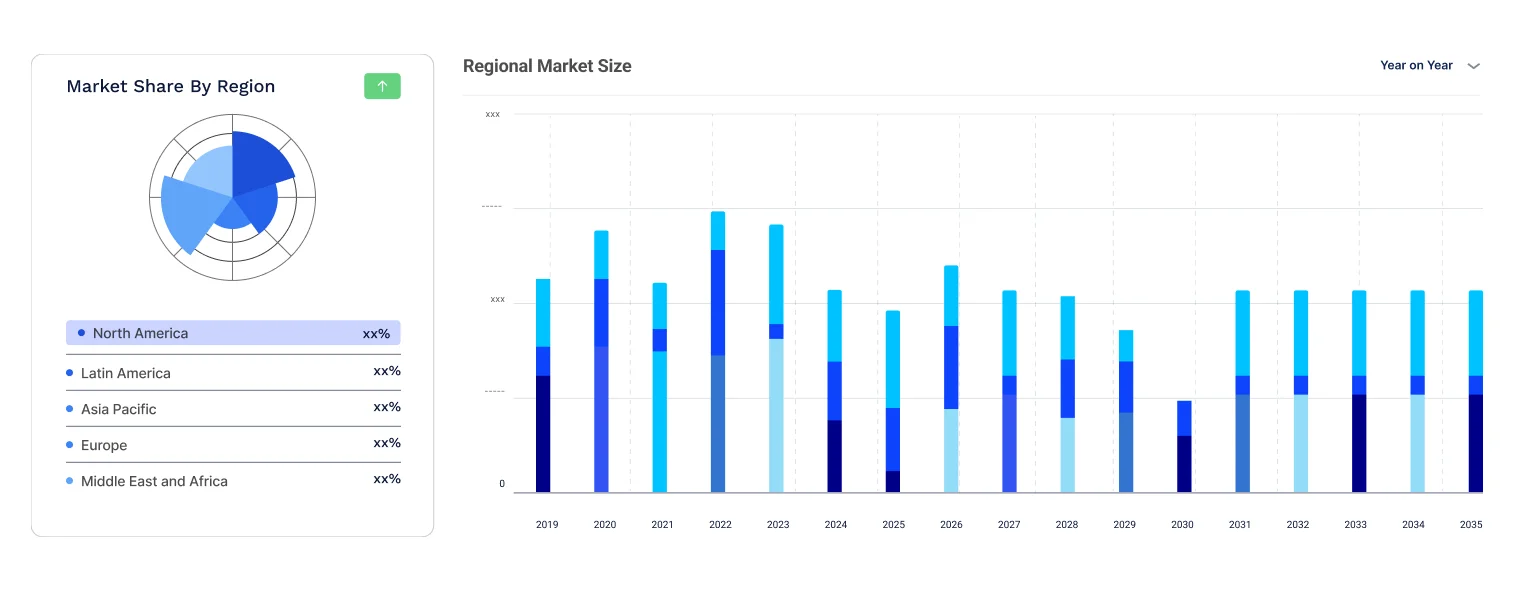
Key Insight: Based on geography, the smart home security market is divided into North America, Europe, Asia Pacific, Latin America, and Middle East & Africa. North America remains on top with a wide embrace of ADT, Brinks, and Vivint integrated solutions. Europe is on its way to expansion with Yale and local smart lock brands growing smart access device sales. Asia Pacific is witnessing a quick proliferation of affordable cameras with the help of Eufy and other local brands. Although Latin America and MEA are still nascent markets, the overall global demand is being boosted as infrastructure develops, and connectivity reaches more people.
By device type, smart alarms are in high demand attributed to ongoing integration multi hazard detection features
The segment of smart alarms is changing as producers put multi hazard detection and smart connectivity features together to improve safety beyond just intrusion alerts. Nowadays, these alarms merge the detection of smoke, carbon monoxide, and burglaries with real time app notifications and ecosystem integration to help raise home safety awareness and quick response. Take Ring as an example, it collaborated with Kidde in January 2025 to create smart smoke and CO alarms that communicate with the Ring app for Wi Fi alerts and allow remote management of devices.
The smart cameras & monitoring systems industry is growing by leaps and bounds as top-of-the-line surveillance equipment incorporates AI analysis, panoramic views, and smart alerts for total coverage. The focus of the producers is on making the user experience great by combining high resolution and advanced detection for stronger security insights. To cite an example, in June 2025, TP Link Tapo unveiled their 4K hybrid cameras with HomeBase hubs, which give the ability to store data locally and perform facial recognition without having to pay a subscription continuously, allowing for diverse indoor/outdoor monitoring.
By connectivity, wired security devices witness consistent demand for reliable performance
The segment of wired connectivity keeps being essential for dependable and high operational smart security setups not only in large houses but also in commercial environments. Through wired installations, there is a guarantee of stable data transmission and continuous power to a multi node sensor array as well as to high resolution cameras without the problem of wireless interference. At IFA 2025, Aqara broadened its range of security products with the Doorbell Camera G400, a wired model that provides uninterrupted 2K monitoring and is equipped with Apple HomeKit Secure Video support which is perfect for the wired infrastructure use cases.
The hybrid segment unites the advantages of wired stability with the flexibility of wireless, thus creating possibilities for strong systems that can have PoE powered cameras and yet be managed remotely over Wi Fi or Thread. Such a design not only prolongs the duration of the system but also allows controls to be executed via an app, thus it is very suitable for medium, sized houses and mixed types of installation. Also, hybrid solutions are compatible with standards like Matter which facilitates a wider ecosystem integration and thus a cross, device communication as well as a more straightforward user experience across different platforms.
By application, independent homes show robust uptake for smart security systems
In independent homes, the requirement for a smart security system with full features is mainly a multi, device integration combined with remote access and environment sensing. Such systems use advanced features like high, definition cameras, alarms, and sensors that are perfect for the bigger layouts where 24/7 monitoring and investigation, ready alerts are obligatory. For example, the Eufycam S4 was created in September 2025 as an outdoor security device with 4K ultra, wide surveillance and AI, based motion tracking, thereby diminishing the frequent cloud usage while simultaneously improving perimeter detection.
The segment of condominiums and apartments is more likely to use small, easy to install security gadgets that are perfectly suited to the smaller spaces and they come with the least installation inconvenience. Among the tenants and the residents, there is a visible trend of going for affordable wireless cameras and alarm kits with app integration that are easy to handle and can be compatible with their security needs. Besides, these products thoroughly support remote alerts and are very easy to set up, thus, they facilitate lifestyle trends in urban residential environments where quick deployment and intuitive interfaces without professional installation are the main reasons for adoption.
|
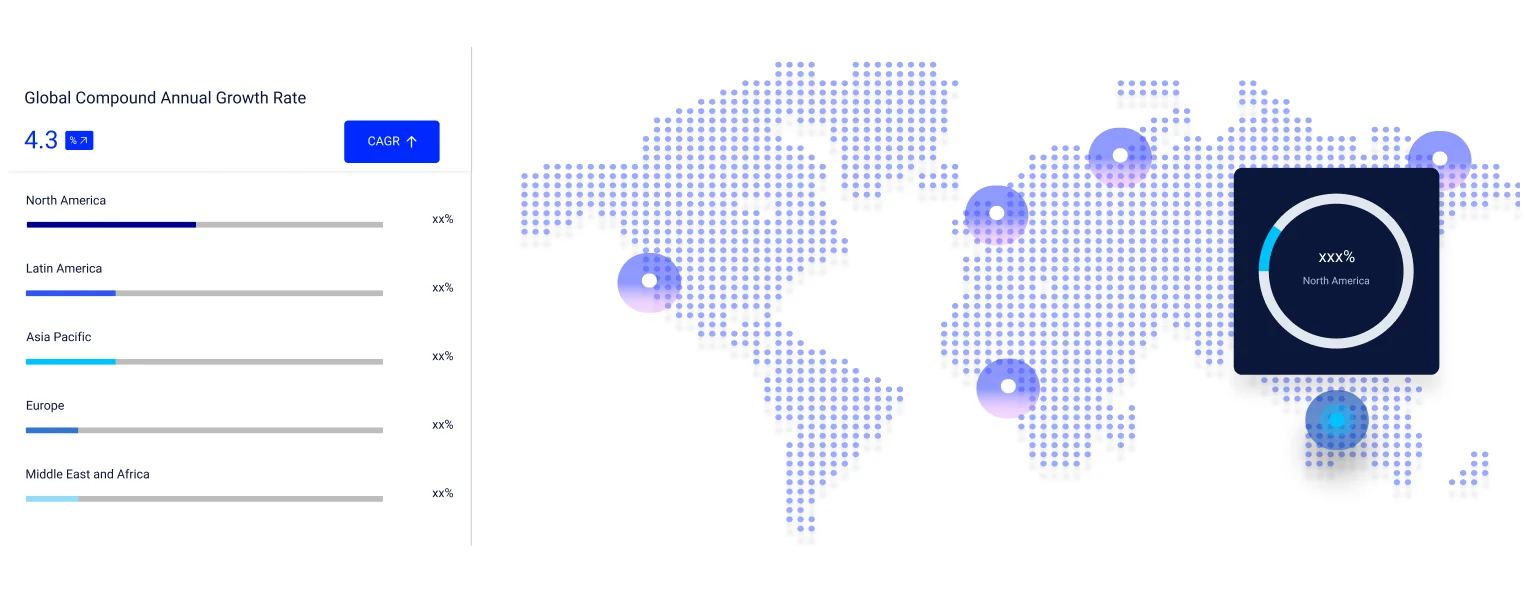
CAGR 2026-2035- Market by |
Region |
|
Asia Pacific |
17.7% |
|
Middle East and Africa |
XX% |
|
Latin America |
XX% |
|
North America |
XX% |
By region, North America accounts for the largest share driven increasing product adoption due to strong tech ecosystem
North America was at the forefront of smart home security adoption, mainly due to the availability of robust connectivity infrastructure, high disposable incomes, and a tech ecosystem that regularly introduces new products. Manufacturers are diversifying their products, aiming at better surveillance, smart alerts, and compatibility with other system components. For example, Wyze brought out its Duo Cam Pan in September 2025, giving a 360 video and having motion tracking patrol features, thus, meeting the needs of North American customers who desire a high, tech, wide, angle monitoring system at a reasonable price.
Driven by accelerating urbanization and digitalization, the Asia Pacific region is fast becoming a hotspot for smart home security solutions that cater to various kinds of real estates. Manufacturers and technology providers are tailoring hybrid solutions for the region that can perform intrusion detection, video surveillance, access control as well as cloud analytics and are flexible to accommodate the differing infrastructural situations. In November 2025, Alarm.com unveiled its consolidated smart security solution for the ASEAN region thereby, empowering their service providers to renovate the old alarm and access control systems with the new cloud managed technology and scalable monitoring tools for homes and businesses.
Market players in the global smart home security devices market are developing innovative products and integrating artificial intelligence to improve device intelligence, detection accuracy, and user experience. On one hand, the companies are launching highly advanced features of the camera, sensor, and security alarm systems incorporated with AI, powered video analytics and cloud connectivity, thus, allowing effortless monitoring and alerting for security at the proactive level. Such innovations cause higher consumer willingness to invest, result in stronger brands, and thus, increase overall market expansion.
The contribution of strategic partnerships, ecosystem expansion, and regional diversification to the market growth is evident as well. Security providers are working with platform developers, AI analytics companies, and service operators to jointly create products compatible with different ecosystems and thereby, providing them as a bundle. At the same time, the firms are looking for the opportunities in the emerging markets by introducing local characteristics devices and delivering standards, compliant products so that their services remain accessible and they can attract a wider customer base. By doing so, the combined initiatives of the players in the market bring about the continued progression and spreading of smart home security solutions worldwide.
Founded in 1885 and located in Cork, Ireland, Johnson Controls International plc is a worldwide leader in building technologies and integrated security solutions. The company develops smart security, HVAC, and fire safety systems for residential, commercial, and industrial markets globally.
Since 1982, developing and currently located in San Jose, California, Adobe Systems, Inc. is a leader in creative and digital experience software. The company delivers cutting, edge software for content production, document handling and digital marketing, supporting millions of users worldwide.
Honeywell International, Inc., founded in 1906 and located in Charlotte, North Carolina, is a multi, faceted technology and manufacturing leader. The company is engaged in the development of next, generation smart home security systems, automation solutions, and connected building technologies for both residential and industrial markets.
Founded in 1874 and based in Boca Raton, Florida, ADT Inc. is a reliable retailer of residential and commercial security services. Most notably, the company provides alarm systems, smart home automation, and professional monitoring solutions to millions of customers, primarily in North America.
*Please note that this is only a partial list; the complete list of key players is available in the full report. Additionally, the list of key players can be customized to better suit your needs.*
Other players in the market include SimpliSafe Inc., Amazon.com, Inc., Vivint Smart Home, Inc., Resideo Technologies, Inc., Brinks Home Security, Hangzhou Hikvision Digital Technology Co., Ltd., among others.
Explore the latest trends shaping the Global Smart Home Security Devices Market 2026-2035 with our in-depth report. Gain strategic insights, future forecasts, and key market developments that can help you stay competitive. Download a free sample report or contact our team for customized consultation on global smart home security devices market trends 2026.


Upto 15% Off
USD
$2499 $2249
$3999 $3599
$4999 $4249
$5999 $5099


*While we strive to always give you current and accurate information, the numbers depicted on the website are indicative and may differ from the actual numbers in the main report. At Expert Market Research, we aim to bring you the latest insights and trends in the market. Using our analyses and forecasts, stakeholders can understand the market dynamics, navigate challenges, and capitalize on opportunities to make data-driven strategic decisions.*
In 2025, the global smart home security devices market reached an approximate value of USD 34.62 Billion.
The market is projected to grow at a CAGR of 15.80% between 2026 and 2035.
The key players in the market include Johnson Controls International Plc, Adobe Systems, Inc., Honeywell International, Inc., ADT Inc., SimpliSafe Inc., Amazon.com, Inc., Vivint Smart Home, Inc., Resideo Technologies, Inc., Brinks Home Security, Hangzhou Hikvision Digital Technology Co., Ltd., among others.
Key strategies driving the market include AI-enabled product innovation, strategic partnerships, ecosystem expansion, product portfolio diversification, regional market penetration, and consumer-focused bundled offerings.
The major challenges the market faces include high installation costs, data privacy and cybersecurity concerns, interoperability issues, regulatory compliance, and intense competition from emerging and established players.
Explore our key highlights of the report and gain a concise overview of key findings, trends, and actionable insights that will empower your strategic decisions.
| REPORT FEATURES | DETAILS |
| Base Year | 2025 |
| Historical Period | 2019-2025 |
| Forecast Period | 2026-2035 |
| Scope of the Report |
Historical and Forecast Trends, Industry Drivers and Constraints, Historical and Forecast Market Analysis by Segment:
|
| Breakup by Type |
|
| Breakup by Connectivity |
|
| Breakup by Application |
|
| Breakup by Region |
|
| Market Dynamics |
|
| Competitive Landscape |
|
| Companies Covered |
|
Datasheet
One User
USD 2,499
USD 2,249
tax inclusive*
Single User License
One User
USD 3,999
USD 3,599
tax inclusive*
Five User License
Five User
USD 4,999
USD 4,249
tax inclusive*
Corporate License
Unlimited Users
USD 5,999
USD 5,099
tax inclusive*
*Please note that the prices mentioned below are starting prices for each bundle type. Kindly contact our team for further details.*
Flash Bundle
Small Business Bundle
Growth Bundle
Enterprise Bundle
*Please note that the prices mentioned below are starting prices for each bundle type. Kindly contact our team for further details.*
Flash Bundle
Number of Reports: 3
20%
tax inclusive*
Small Business Bundle
Number of Reports: 5
25%
tax inclusive*
Growth Bundle
Number of Reports: 8
30%
tax inclusive*
Enterprise Bundle
Number of Reports: 10
35%
tax inclusive*
How To Order

Select License Type
Choose the right license for your needs and access rights.

Click on ‘Buy Now’
Add the report to your cart with one click and proceed to register.

Select Mode of Payment
Choose a payment option for a secure checkout. You will be redirected accordingly.
Strategic Solutions for Informed Decision-Making
Gain insights to stay ahead and seize opportunities.

Get insights & trends for a competitive edge.

Track prices with detailed trend reports.

Analyse trade data for supply chain insights.

Leverage cost reports for smart savings

Enhance supply chain with partnerships.

Connect For More Information
Our expert team of analysts will offer full support and resolve any queries regarding the report, before and after the purchase.
Our expert team of analysts will offer full support and resolve any queries regarding the report, before and after the purchase.
We employ meticulous research methods, blending advanced analytics and expert insights to deliver accurate, actionable industry intelligence, staying ahead of competitors.
Our skilled analysts offer unparalleled competitive advantage with detailed insights on current and emerging markets, ensuring your strategic edge.
We offer an in-depth yet simplified presentation of industry insights and analysis to meet your specific requirements effectively.




