

Consumer Insights
Uncover trends and behaviors shaping consumer choices today
Procurement Insights
Optimize your sourcing strategy with key market data
Industry Stats
Stay ahead with the latest trends and market analysis.
The global shortening fats market attained a value of USD 4.96 Billion in 2025 and is projected to expand at a CAGR of 4.50% through 2035. The market is further expected to achieve USD 7.70 Billion by 2035. Rising demand for bakery, confectionery and snack products, along with reformulation away from trans fats, is encouraging manufacturers to expand their vegetable-based and specialty shortening portfolios.
Increasing demand for convenience and processed foods is encouraging bakeries, confectionery and snack manufacturers to secure reliable, cost-effective sources of shortening fats. At the same time, growing scrutiny of ingredient labels is pushing producers to reformulate toward non-hydrogenated and trans-fat-free alternatives without compromising texture or shelf life.
The shortening fats market is witnessing further developments as major producers expand specialty fat manufacturing capacity to serve premium bakery and confectionery applications, adding dedicated production lines rather than relying solely on existing commodity oil infrastructure. In November 2025, Bunge began construction on a 345-million-dollar plant-based fats and oils facility at the Port of Amsterdam, replacing a previously sold refinery to broaden its specialty fat production capacity for European customers. This capacity build-out is concentrated among the largest integrated producers, which are best placed to absorb the capital cost of new specialty fat lines while smaller regional players continue to compete on formulation flexibility and customer service.
In addition, shortening fats market players are pursuing alternative sourcing partnerships to diversify supply beyond conventional agriculture, in line with the wider shift across the specialty fats and oils industry. Equipment suppliers are also adapting alongside ingredient producers, offering turnkey processing lines that let bakery ingredient manufacturers bring new shortening and margarine formulations to market without committing to entirely separate production infrastructure. In May 2026, Mount Meru Group opened one of Africa's first integrated margarine and shortening facilities in Zambia, built in partnership with equipment suppliers Alfa Laval and RONO to expand regional yellow fat production capacity.
Compound Annual Growth Rate
4.5%
Value in USD Billion
2026-2035
Read more about this report - REQUEST FREE SAMPLE COPY IN PDF
Wilmar International reported that its Food Products segment, covering edible oils, flour, rice and sugar, grew sales volumes by 5 percent to 34.7 million tonnes for the full year despite industry-wide crushing margin pressure. Companies can track such volumes to gauge underlying food processing demand.
Sinar Mas Agribusiness and Food presented its palm-based margarine and shortening range at SIAL InterFOOD 2025 in Jakarta, serving both vegan and non-vegan bakery customers amid rising sustainability expectations. Companies can position such launches to capture broader trends in the shortening fats market without fragmenting production lines.
iWare Supplychain Services Limited entered a Carrying and Forwarding agreement with Bunge India Private Limited for a three-year term, managing distribution of edible oils, fats, vanaspati, margarine, cocoa powder and bakery shortening products. Companies can use such distribution partnerships to extend last-mile reach into regional and semi-urban markets.
IOI Corporation Berhad, whose associate company Bunge Loders Croklaan supplies specialty oils and fats for bakery and confectionery applications, received an industry ESG recognition for its sustainable palm oil practices. Companies can use such third-party recognition to reassure customers by navigating increasingly strict sustainable sourcing requirements.
Producers are investing in dedicated specialty fats production capacity to meet growing demand from chocolate, bakery and dairy manufacturers seeking low-trans, high-performance ingredients, a build-out reshaping the wider shortening fats market. In March 2026, Cargill announced a multi-million-dollar expansion of its edible oil plant in Port Klang, Malaysia, adding a new specialty fats production line and introducing new brands including CremoFLEX filling fats and Cargill Bakefry frying fat. The expansion builds on a prior 2020 investment at the same facility and is designed to broaden Cargill's cocoa butter equivalent and low-trans fatty acid replacer portfolio for customers across Asia Pacific, where chocolate market share is projected to keep rising through 2030.
Specialty fat producers are exploring sourcing methods that reduce reliance on conventional agriculture, responding to customer demand for lower carbon and more resilient supply chains. In February 2026, AAK entered a two-year strategic collaboration with Savor, a startup that produces saturated fats directly from carbon rather than crops and made an equity investment in the company. The partnership targets bakery applications and the dairy alternative market, with Savor's technology requiring substantially less land use and lower carbon emissions than conventional fat sourcing and is intended to give AAK customers an additional supply option alongside its existing vegetable oil portfolio.
Large integrated agribusiness groups are narrowing their focus toward core oilseed processing and B2B ingredient businesses, divesting consumer-facing fats and spreads units to specialists better positioned to grow them. In March 2025, Bunge agreed to sell its European margarines and spreads business, which generates more than 450 million euros in revenue, employs over 800 people and operates plants in Germany, Poland and Finland, to Belgian food group Vandemoortele for approximately 239 million dollars in cash. The transaction, expected to close in 2026 pending regulatory approval, will let Vandemoortele expand its retail and foodservice distribution into Central and Eastern Europe and Scandinavia while Bunge concentrates on its integrated oilseed and grains value chain.
As shortening and margarine producers look to modernize or add capacity, specialist equipment manufacturers are showcasing turnkey processing systems designed to handle multiple fat-based product lines on shared infrastructure. Soren Srl exhibited at Gulfood Manufacturing 2025, presenting its automatic systems for shortening and margarine production alongside its ice cream freezer and pasteurized cream processing lines, technology the company has supplied to more than 400 customers across over 50 countries. Such multi-purpose equipment allows bakery ingredient manufacturers to bring new shortening formulations to market without committing to entirely separate production lines.
Regional bakery ingredient suppliers are using major trade fairs to introduce new fat-based formulations tailored to local dietary preferences and food service channels. These events give smaller regional players a cost-effective way to showcase innovation alongside larger global competitors, often serving as the primary launch platform for products aimed at foodservice and HORECA customers rather than retail consumers. At Gulfood 2026, IFFCO Group, the parent company of Pristine Baking Solutions, introduced Pristine Multipurpose Cream, a single high-stability formula engineered to perform equally well in savory reductions and whipped patisserie applications, letting HORECA operators consolidate multiple specialty creams and bakery fats into one product. The launch reflects the wider Pristine brand's strategy of engineering formulation-flexible bakery and culinary ingredients for the Gulf Cooperation Council region, reducing the number of specialized products foodservice customers need to stock while maintaining consistent performance across applications.
Read more about this report - REQUEST FREE SAMPLE COPY IN PDF
The EMR’s report titled “Shortening Fats Market Report and Forecast 2026-2035” offers a detailed analysis of the market based on the following segments:
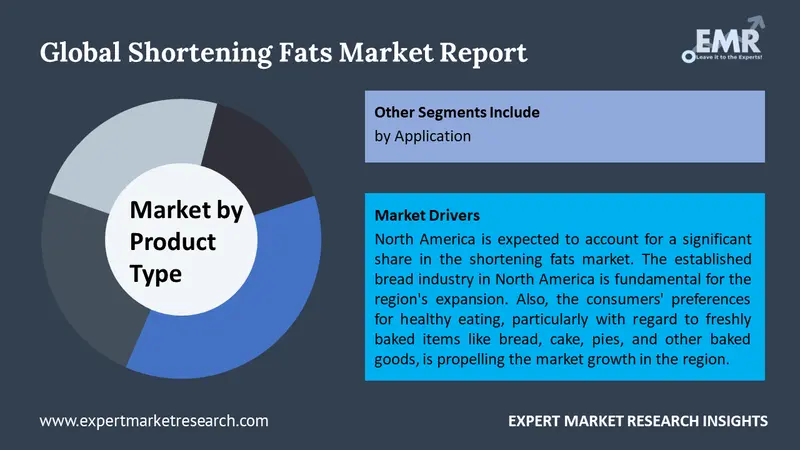
Market Breakup by Product Type
Key Insight: Vegetable based shortenings account for the largest share of the shortening fats market, owing to the wide availability of raw materials such as soybean, palm and cottonseed oil, economical production costs and strong demand from bakery and foodservice sectors. Animal-based shortenings, made from lard or tallow, occupy a smaller but resilient niche, supported by renewed consumer interest in traditional, minimally processed fats; in early 2025, US chain Steak 'n Shake switched all of its locations to frying exclusively in beef tallow, a widely covered move that reflected growing consumer appetite for traditional animal fats over vegetable oils. Manufacturers continue to prioritize vegetable-based formulations for large scale production given their consistent plasticity and lower cost profile across varied climates.
Market Breakup by Application
Key Insight: Bakery applications hold a sizable share of the shortening fats market, driven by the daily rise in demand for bread, cakes and pastries brought on by changing lifestyles, growing populations and economic advancement. Confectionery is growing at a faster pace as premium chocolate and filled confectionery producers expand their use of specialty cocoa butter equivalents and low-trans fats; in March 2025, Fuji Oil Holdings launched a new cocoa butter alternative aimed at confectionery manufacturers seeking to manage cocoa price volatility. Ice cream and snacks applications continue to rely on shortening fats for texture, mouthfeel and shelf stability, while other applications include sauces, dressings and food service frying.
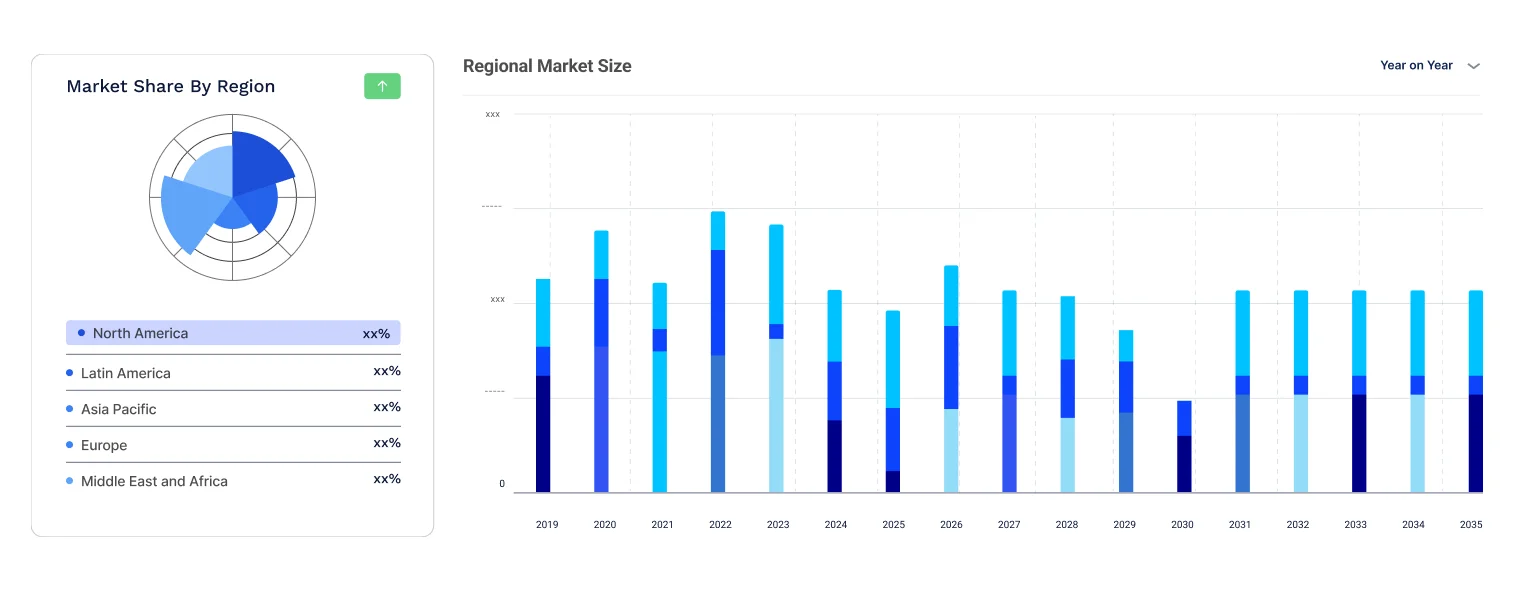
Market Breakup by Region
Key Insight: North America accounts for the largest share of the shortening fats market, supported by a robust food processing industry and high per capita consumption of bakery products; in 2026, Archer Daniels Midland announced plans to invest more than 100 million dollars to modernize key production facilities at its North American headquarters in Decatur, Illinois. Asia Pacific is the fastest growing region, propelled by rapid urbanization, rising disposable incomes and increasing demand for processed and convenience foods across India, China and Southeast Asia. Europe remains a mature, well-established market, while Latin America and the Middle East and Africa are gradually scaling consumption alongside expanding food processing capacity.
By product type, vegetable-based shortenings dominate the market due to the wide availability of raw materials and lower production costs
Vegetable-based shortenings, produced primarily from soybean, palm and cottonseed oil, continue to account for most of the shortening fats market, representing an estimated 70.76 percent of global value share in 2025. Their dominance rests on consistent availability of raw material supply, economical processing and broad applicability across bakery, confectionery and foodservice frying, which lets manufacturers standardize formulations across large scale production runs.
Animal-based shortenings hold a smaller share, concentrated in artisanal bakery and traditional foodservice applications where lard or tallow deliver a distinct flavor and texture profile. Chicago-based chain Fry the Coop, which has cooked exclusively in beef tallow since opening in 2017, drew renewed industry attention through 2025 as part of a broader shift back toward traditional animal fats in foodservice. Renewed consumer interest in minimally processed, traditional fats is supporting steady niche demand for this segment even as overall volumes remain well below vegetable-based alternatives.
By application, bakery is the leading category owing to its foundational role in everyday retail and food service food consumption
Bakery remains the leading application for shortening fats, reflecting the sheer scale of daily bread, cake and pastry production worldwide and shortening's role in delivering the tender, flaky texture that consumers expect from baked goods. In the UK, bakery ingredients supplier Plant-Ex Ingredients doubled its domestic footprint through a new Bristol facility, backed by a 4 million pound infrastructure investment programme that began in 2025. Rising urbanization and changing lifestyles continue to support steady bakery demand across both mature and emerging food markets.
Confectionery is growing at the fastest pace as premium chocolate and filled confectionery manufacturers expand their use of specialty cocoa butter equivalents, boosting overall shortening fats market value. In May 2026, AAK launched ILLEXAO EN 10, a new cocoa butter equivalent designed to maintain efficient enrobing performance as chocolate manufacturers reformulate under sustained cocoa price volatility. Producers are directing new specialty capacity toward this faster growing application, tailoring low-trans, high-stability fat systems specifically for chocolate coatings, fillings and molded confectionery rather than general purpose baking use.
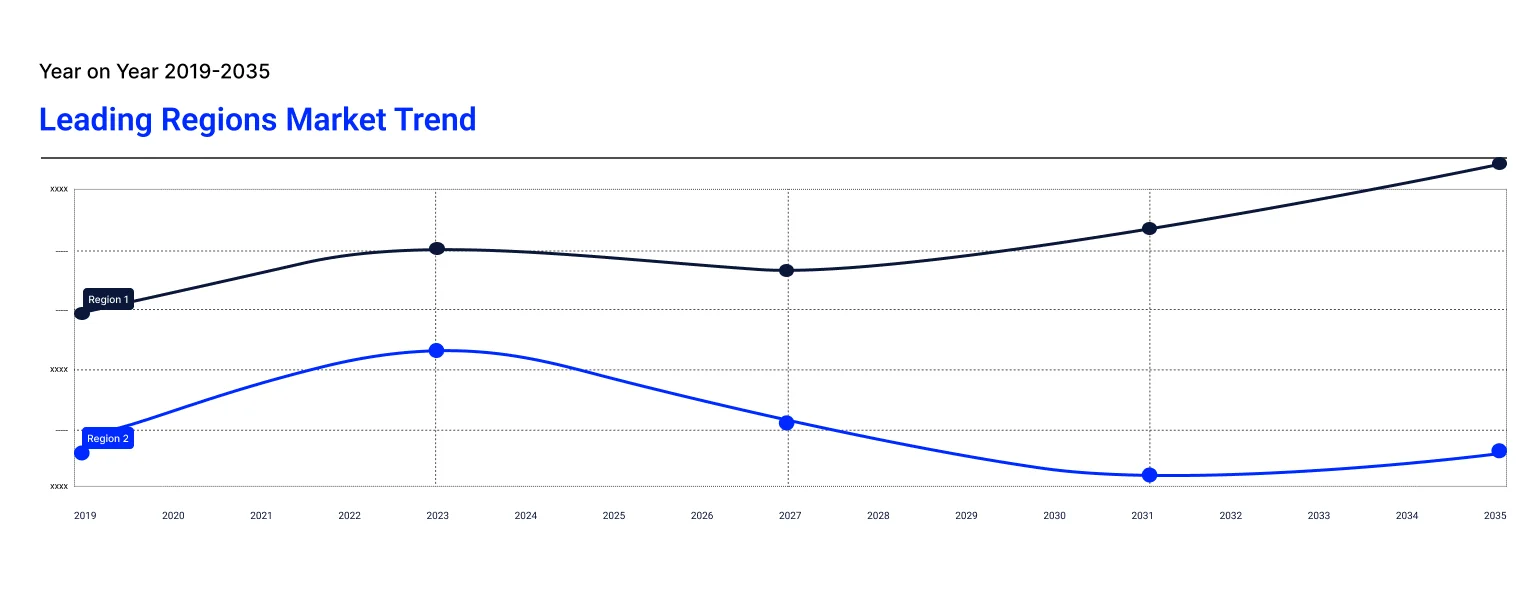
Read more about this report - REQUEST FREE SAMPLE COPY IN PDF
North America leads the market as its long-established manufacturers maintain extensive bakery and foodservice distribution networks
North America holds the largest share of the shortening fats market, underpinned by a mature and highly developed food processing industry and consistently high per capita consumption of bakery and snack products. Established manufacturers across the United States and Canada maintain extensive distribution networks and long-standing relationships with bakery and foodservice customers, supporting steady replacement and reformulation demand as trans-fat regulations continue to evolve.
Asia Pacific is the fastest growing regional market, powered by rapid urbanisation, rising middle-class disposable income and increasing demand for processed and convenience foods across India, China and Southeast Asia. In March 2025, Patanjali Foods signed a memorandum of understanding with the Manipur state government to launch an oil palm plantation programme under India's National Mission on Edible Oils, covering roughly 2,700 hectares in its first year and extending the company's cultivation footprint to a sixth northeastern state. Producers are responding by strengthening regional distribution networks and localising formulations to suit domestic bakery and foodservice preferences, positioning the region as a priority growth market for both global agribusiness groups and specialist regional suppliers.
The global industry is moderately fragmented, with shortening fats companies ranging from large integrated agribusiness groups to regional bakery ingredient specialists competing across both commodity and value-added product lines. Established players operate across the entire value chain, from oilseed sourcing and crushing to the production of refined oils, specialty fats and customized shortenings tailored to industrial bakery and confectionery customers.
Competitive dynamics among shortening fats market players are increasingly shaped by demand for healthier, trans-fat-free and more sustainable formulations. Manufacturers are investing in specialty capacity expansions, alternative fat sourcing partnerships and portfolio realignments to focus on higher-margin, value-added segments while regional specialists compete on formulation flexibility and local customer service.
Founded in 1865 and headquartered in Minnetonka, Minnesota, United States, Cargill operates across refined oils, food ingredients, grain and oilseeds, animal nutrition and industrial specialties. The company supplies a broad range of bakery shortenings and specialty fats, including its Regal and Advantage shortening lines, and continues to expand its specialty fats manufacturing capacity to serve bakeries, confectionery and dairy customers worldwide.
Founded in 1818 in the Netherlands and currently headquartered in Missouri, United States, Bunge is a major manufacturer and supplier of edible oils, agricultural fertilizers, milled rice and wheat products, and a global leader in oilseed processing and specialty plant-based oils and fats. The company continues to realign its consumer-facing fats and spreads portfolio while focusing on its integrated oilseed and grains value chain.
Part of the IFFCO Group, founded in 1975 and headquartered in Dubai, United Arab Emirates, Pristine Baking Solutions supplies bakery margarines, shortenings and butter blends tailored for pastry, croissant, cake and biscuit applications. The company operates dedicated Excellence Centers across the Middle East to support artisanal and industrial bakery customers with technical training and formulation demonstrations.
Founded in 1973 and headquartered in Corsico, Italy, Soren specialises in designing and building automatic systems for food industry processes, including turnkey production lines for margarine, shortening and cream fillings alongside ice cream and sauce processing equipment. The company's technology is present in more than 50 countries, supported by over 400 worldwide customer references.
Founded in 1871 and headquartered in Malmo, Sweden, AAK is a global producer of value-adding vegetable oils and specialty fats for bakery, confectionery, dairy and plant-based food applications. The company operates in more than 50 countries and continues to invest in alternative and sustainable fat sourcing partnerships alongside its core vegetable oil portfolio.
*Please note that this is only a partial list; the complete list of key players is available in the full report. Additionally, the list of key players can be customized to better suit your needs.*
Unlock the latest insights with our shortening fats market trends 2026 report. Discover regional growth patterns, application trends, and key industry players. Stay ahead of competition with trusted data and expert analysis. Download your free sample report today and drive informed decisions in the market.


Upto 15% Off
USD
$2499 $2249
$3999 $3599
$4999 $4249
$5999 $5099


*While we strive to always give you current and accurate information, the numbers depicted on the website are indicative and may differ from the actual numbers in the main report. At Expert Market Research, we aim to bring you the latest insights and trends in the market. Using our analyses and forecasts, stakeholders can understand the market dynamics, navigate challenges, and capitalize on opportunities to make data-driven strategic decisions.*
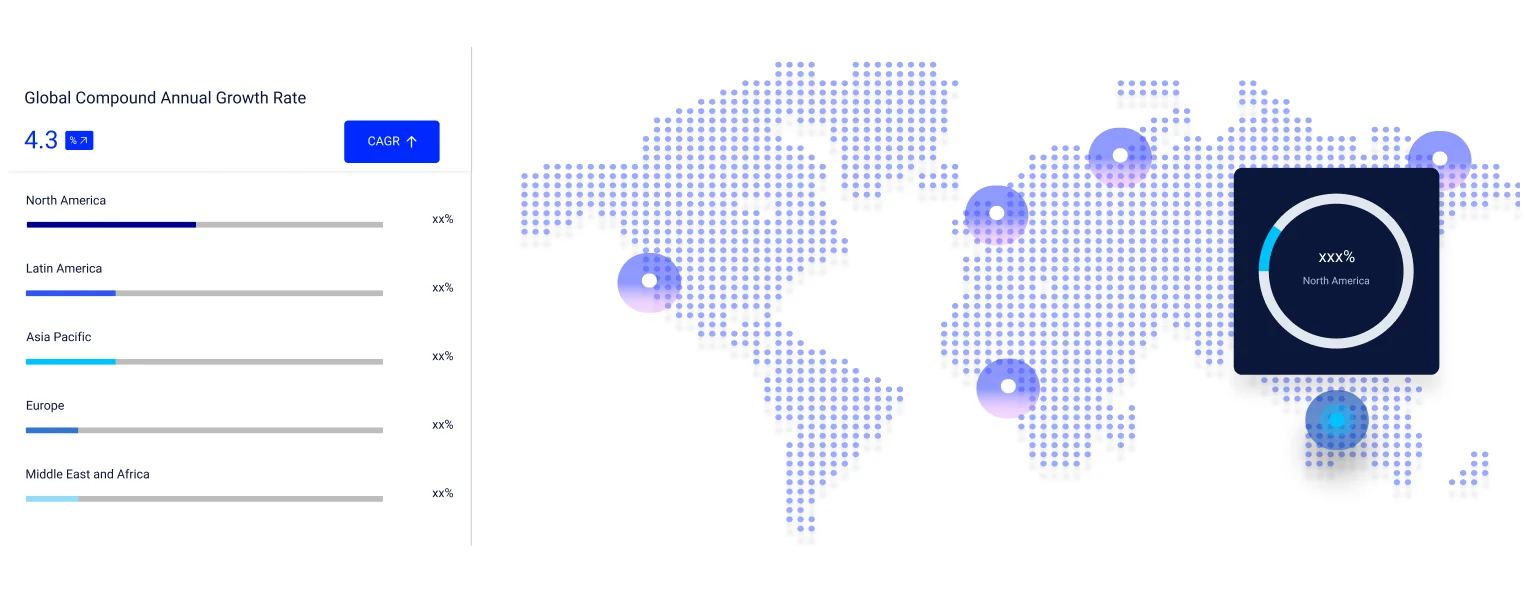
The market for shortening fats is projected to grow at a CAGR of 4.50% between 2026 and 2035.
Expanding specialty fats production capacity, pursuing alternative and lower-carbon fat sourcing partnerships, reformulating toward non-hydrogenated and trans-fat-free products, and strengthening distribution partnerships in fast-growing emerging markets.
The increased spending on the baked foods and confectioneries and surging inclination of customers towards healthy eating are the key industry trends propelling the growth of the market.
The major regions in the shortening fats market are North America, Europe, the Asia Pacific, Latin America, and the Middle East and Africa.
Based on product type, the market is segmented into vegetable based and animal based. Vegetable based are further segmented into palm and palm kernel, sunflower seed, and soybeans, among others, whereas animal based is sub-divided into butter, tallow, and lard, among others.
On the basis of application, the market is divided into confectionery, ice cream, snacks, and bakery, among others.
The key players in the market include Cargill, Incorporated, Bunge Limited, Pristine Baking Solutions, Soren Srl, AAK AB, among others.
Shortening is a cooking ingredient that helps produce crumbly, flaky, and tender baked goods. Since shortening is 100% fat, in comparison to butter and lard's about 80% fat content, it produces extremely delicate cakes, cookies, and pie crusts.
Vegetable shortening or margarine is frequently used in the production of bakery goods such muffins, cakes, pastries, and pies.
Vegetable oils like soybean, cottonseed, or palm oil are used to make the majority of shortening that is now on the market.
In 2025, the shortening fats market reached an approximate value of USD 4.96 Billion.
The market is anticipated to witness steady development and attain approximately USD 7.70 Billion by 2035.
Manufacturers face volatile raw material and vegetable oil prices, tightening trans-fat and labelling regulations, and the operational complexity of reformulating established products without compromising taste, texture or shelf life.
Explore our key highlights of the report and gain a concise overview of key findings, trends, and actionable insights that will empower your strategic decisions.
| REPORT FEATURES | DETAILS |
| Base Year | 2025 |
| Historical Period | 2019-2025 |
| Forecast Period | 2026-2035 |
| Scope of the Report |
Historical and Forecast Trends, Industry Drivers and Constraints, Historical and Forecast Market Analysis by Segment:
|
| Breakup by Product Type |
|
| Breakup by Application |
|
| Breakup by Region |
|
| Market Dynamics |
|
| Competitive Landscape |
|
| Companies Covered |
|
Datasheet
One User
USD 2,499
USD 2,249
tax inclusive*
Single User License
One User
USD 3,999
USD 3,599
tax inclusive*
Five User License
Five User
USD 4,999
USD 4,249
tax inclusive*
Corporate License
Unlimited Users
USD 5,999
USD 5,099
tax inclusive*
*Please note that the prices mentioned below are starting prices for each bundle type. Kindly contact our team for further details.*
Flash Bundle
Small Business Bundle
Growth Bundle
Enterprise Bundle
*Please note that the prices mentioned below are starting prices for each bundle type. Kindly contact our team for further details.*
Flash Bundle
Number of Reports: 3
20%
tax inclusive*
Small Business Bundle
Number of Reports: 5
25%
tax inclusive*
Growth Bundle
Number of Reports: 8
30%
tax inclusive*
Enterprise Bundle
Number of Reports: 10
35%
tax inclusive*
How To Order

Select License Type
Choose the right license for your needs and access rights.

Click on ‘Buy Now’
Add the report to your cart with one click and proceed to register.

Select Mode of Payment
Choose a payment option for a secure checkout. You will be redirected accordingly.
Strategic Solutions for Informed Decision-Making
Gain insights to stay ahead and seize opportunities.

Get insights & trends for a competitive edge.

Track prices with detailed trend reports.

Analyse trade data for supply chain insights.

Leverage cost reports for smart savings

Enhance supply chain with partnerships.

Connect For More Information
Our expert team of analysts will offer full support and resolve any queries regarding the report, before and after the purchase.
Our expert team of analysts will offer full support and resolve any queries regarding the report, before and after the purchase.
We employ meticulous research methods, blending advanced analytics and expert insights to deliver accurate, actionable industry intelligence, staying ahead of competitors.
Our skilled analysts offer unparalleled competitive advantage with detailed insights on current and emerging markets, ensuring your strategic edge.
We offer an in-depth yet simplified presentation of industry insights and analysis to meet your specific requirements effectively.




