

Consumer Insights
Uncover trends and behaviors shaping consumer choices today
Procurement Insights
Optimize your sourcing strategy with key market data
Industry Stats
Stay ahead with the latest trends and market analysis.

The global silicones market attained a volume of 2.92 MMT in 2025 and is projected to expand at a CAGR of 5.30% through 2035. The market is further expected to achieve a volume of 4.89 MMT by 2035. The growing demand for high-purity silicone elastomers in advanced electronics to facilitate miniaturization, thermal-management complexities, and global reliability standards is fast-tracking the adoption rate.
Manufacturers are centering their focus on higher-performance, specialty-engineered grades for electronics, energy, medical, and automotive applications. For example, in October 2025 Wacker Chemie announced the expansion of its thermally conductive silicone pad line for EV battery modules. This was developed with a new filler architecture that enhances heat dissipation better than the previous models. This silicones market trend falls squarely in line with the global growth in EV production capacity, that has reportedly expanded over 30% YoY, sharply driving up demand for reliable silicone thermal interface materials.
Suppliers are targeting performance differentiation through advanced curing chemistries, ultra-pure grades for semiconductor cleanrooms, and low-VOC formulations for medical and consumer health products. They are also developing modular silicone platforms that can be tuned for dielectric stability and biocompatibility. In March 2025, Elkem ASA unveiled SILBIONE LSR Select EC 70, a next-generation medical-grade liquid silicone rubber. Such customizations will gain further momentum as end-user industries drive demands for lighter components, higher energy density, and safer system design, accelerating the silicones market value.
Base Year
Historical Period
Forecast Period
There is an increasing trend towards silicone recycling and the development of bio-based silicones.
The rise of electric vehicles contributes to the demand for silicone-based materials for batteries and components.
Asia Pacific is the fastest-growing region in the market due to rapid industrialisation and a growing middle class.
Compound Annual Growth Rate
5.3%
Value in MMT
2026-2035
*this image is indicative*
Sustainability targets across construction, electronics, and personal care are driving demand for low-carbon and circular silicones. Leading suppliers like Dow and Wacker are introducing renewable-methyl and mass-balance silicone grades that reduce Scope 3 emissions for downstream buyers. The EU Green Deal and REACH updates are compelling manufacturers to implement closed-loop depolymerization units and traceable PCR inputs to secure compliance, spurring the overall silicones market value. In November 2025, Shin-Etsu Chemical Co., Ltd. developed a thermoplastic silicone that makes recycling possible. Recyclability was previously difficult to attain with conventional silicone rubber.
Rapid semiconductor scaling is resulting in the development of next-generation silicone TIMs with significantly higher conductivity and improved resistance to pump-out with higher conductivity and improved pump-out resistance. SIOResin, in December 2024, announced its latest waterborne high-temperature resistant silicone resin. The novelty sets a new milestone in performance for zinc-rich anti-corrosion coatings, offering unrivaled heat and salt spray resistance for harsh industrial environments, expanding the silicones market scope. Electronics OEMs are collaborating with suppliers such as Shin-Etsu and Elkem for the co-engineering of gap fillers, die-attach materials, and potting resins optimized for automated dispensing lines.
Silicone consumption in implants, wound-care dressings, catheter components, and drug-delivery systems is being driven by its biocompatible and stable characteristics. Medtech firms are collaborating with silicone suppliers to develop ultra-low-extractable and platinum-cured elastomers that meet USP Class VI and ISO 10993 compliance. In October 2023, two silicones, ZA SFX 0020 and ZA SFX 10 WT 10, introduced by Zhermack, passed the tests and obtained biocompatibility certifications. Long-term demand in the silicones market can be forecasted as aging populations in Europe and Japan demand for minimally invasive procedures.
Manufacturers are shifting toward high-margin specialty silicones blended with conductive fillers, phase-change materials, hydrophobic agents, and antimicrobial additives. These engineered variants are gaining traction in textiles, solar modules, industrial coatings, EV battery sealants, and personal-care formulations. Companies like Momentive and Elkem are investing in additive-integration facilities that allow precise rheology tuning and dispersion control, stimulating the silicones market growth. In May 2025, WACKER commissioned new plants for specialty silicones in China, responding to rising demand for high-quality specialty silicones. Performance upgrades such as self-cleaning silicone resins and weatherable optical coatings are enabling brand owners to differentiate Tier-1 products in tightly contested global markets.
Geopolitical uncertainty and feedstock volatility have pushed silicone producers to diversify capacities across Asia, Europe, and North America. New siloxane and chlorosilane investments in China, South Korea, and the United States are reducing reliance on single-country sourcing. Producers are also integrating backward into methanol and chlorosilane assets to stabilize cost structures, accelerating silicones market opportunities. In December 2022, Dow committed to automotive innovation with the launch of selective adhesion liquid silicone rubber series called the SILASTIC SA 994X LSR. Mini-plants for specialty silicones, along with local R&D hubs, enable faster customer qualification cycles and lower logistics risks, especially for electronic, automotive, and construction of OEMs.
Read more about this report - REQUEST FREE SAMPLE COPY IN PDF
The EMR’s report titled “Global Silicones Market Report and Forecast 2026-2035” offers a detailed analysis of the market based on the following segments:
Market Breakup by Type
Key Insight: According to the silicones market report, elastomers lead the market. This is due to their adoption in sealing, gasketing, and vibration damping for automotive, renewable, and industrial uses. Elastomers are mainly prized for thermal endurance and low compression set. Fluids address thermal management, lubricity, and sensory properties in electronics, cosmetics, and industrial oils. Gels are used in wearables, medical cushioning, and damping where softness and conformability matter. Resins deliver hard, weatherable coatings and encapsulants for construction, electronics, and specialty adhesives.
Market Breakup by Application
Key Insight: Silicones have a wide variety of applications. They serve industrial processes, construction, home and personal care, transportation, energy, healthcare, and electronics, each with distinct requirements. Industrial plants need high-temperature seals and chemical-resistant compounds while construction prioritizes low-VOC sealants and durable weatherproof resins. Homecare and cosmetics seek sensorial fluids and safe, stable carriers. Transportation demands flame-retardant, heat-resistant silicones for interiors and on the other hand, energy applications prefer durable elastomers for wind and solar equipment. Healthcare requires validated medical-grade silicones for implants and devices, and electronics needs thermally conductive, electrically insulating fluids and potting resins.
Market Breakup by Region
Key Insight: Demand in the silicones market is driven by manufacturing density, regulatory regimes, and vertical end-use clusters. Asia Pacific leads on scale and electronics and automotive capacity, offering cost-competitive production. Europe is accelerating specialty and sustainable grades driven by policy and green chemistry investment. North America focuses on domestic feedstock resilience and high-value specialty silicones for aerospace and medtech. Latin America and the Middle East are leveraging petrochemical integration to expand commodity and industrial-grade volumes.
By type, elastomers account for the dominant share of the market owing to durability, thermal, and sealing performance
Elastomers are the leading silicone type in use for sealing, gaskets, hoses, and vibration isolation/dynamic components because of their outstanding elasticity and thermal resistance. Automotive OEMs transitioning to electrified powertrains, renewable energy installations requiring durable seals, and heavy industry that requires long-life vibration mounts are driving demand for silicone elastomers over conventional rubbers for their better high-temperature tolerance and chemical resistance. Suppliers are offering grades of peroxide- and platinum-cured with tailored hardness, reduced compression set, and enhanced low-temperature flexibility. In May 2025, Shin-Etsu Chemical Co., Ltd. unveiled new silicone-based materials aimed at enhancing the texture and functionality of personal care products.
Silicone fluids are experiencing growth in the silicones market due to surging demand in thermal management, specialty lubricants, and cosmetic carriers that require low volatility and temperature stability. Electronics and electric vehicle thermal teams are specifying polydimethylsiloxane blends with tailored molecular weights and ceramic loading to reach higher thermal conductivity while maintaining electrical insulation. Cosmetic formulators continue to favor volatile and non-volatile silicones for sensory performance and spread-ability, and industrial lubricant makers use silicone oils to improve high-temperature lubrication.
By application, electronics occupy a substantial share of the market, driven by thermal management and dielectric protection
Electronics is the dominant application for silicones because thermal management, dielectric stability, and protective encapsulation are becoming mission-critical. Silicone-based thermal interface materials and potting compounds are mostly being reformulated with conductive fillers and ceramic loading to push thermal conductivity beyond traditional limits while retaining electrical insulation and low ionic content. In November 2025, Azimuth AI & Cyient unveiled India's first intelligent-power silicon chip.
Healthcare is the fastest-growing application as demand increases for implantable silicones, drug-delivery components, and wearable adhesives with high biocompatibility and sterilization resilience, boosting the silicones market revenue. Medical device makers are adopting platinum-cured, low-extractable silicone elastomers and injectable gels for long-term implants, catheter tubing, and controlled-release matrices. Regulatory scrutiny is driving investments in validated production lines and analytical capabilities for extractables.
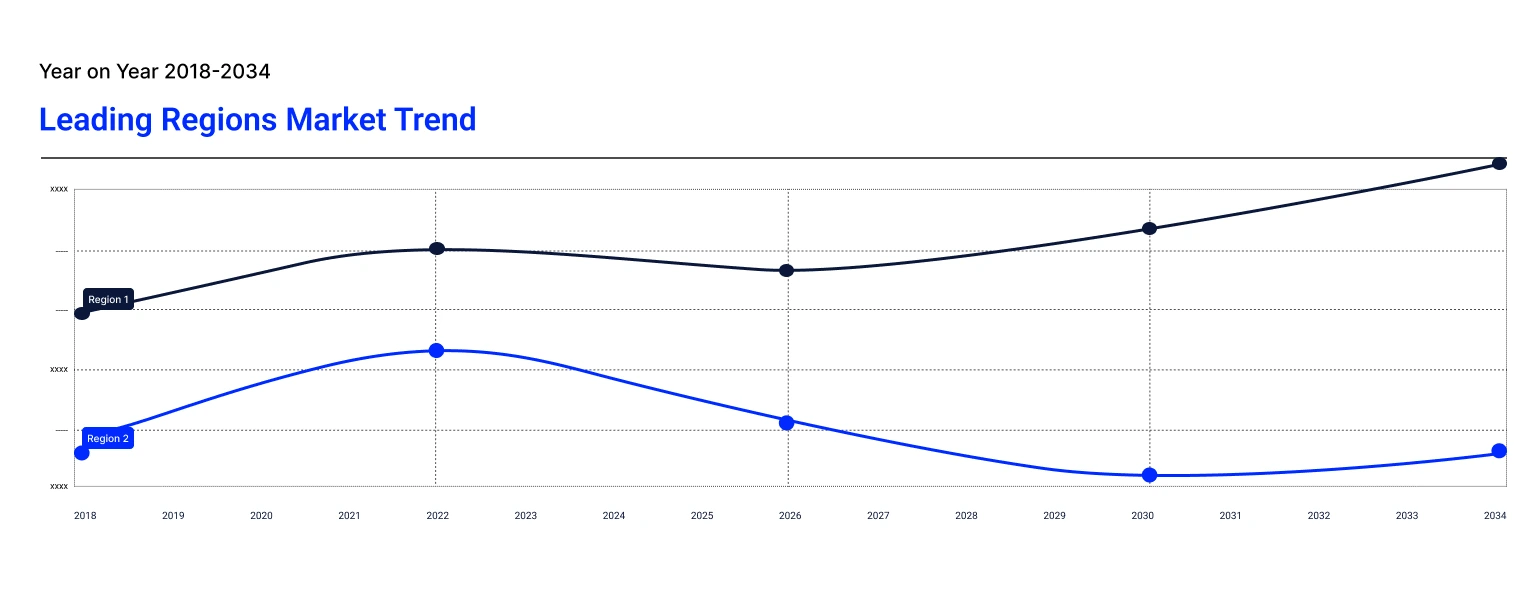
Asia Pacific clocks in the dominant position in the market due to manufacturing scale and infrastructure-driven demand
The Asia Pacific represents the dominant regional market. Integrated supply chains, extensive downstream manufacturing, and rapid industrialization across China, India, South Korea, and Southeast Asia create sustained demand. Localized petrochemical and chlorosilane production provides feedstock security and cost advantages for regional silicone plants. Electronics, automotive, and appliance manufacturing hubs in the region are specifying specialty silicones for thermal management, sealing, and surface functionalization.
The silicones industry in Europe boasts advanced and sustainable silicones thanks to regulatory pressure, demand for low-carbon feedstocks, and innovation in green chemistries. Suppliers are testing renewable methyl routes and closed-loop recycling in pilot projects to meet EU Green Deal and REACH-driven targets, while automotive and construction OEMs specify life-cycle-assessed silicones. Firms are also partnering with universities and petrochemical players on commercializing bio-derived siloxanes and recycling technologies, accelerating the commercialization of circular grades.
The silicones market players are shifting from commodity fluids toward engineered elastomers, high-thermal materials, and specialty resins tailored for EVs, renewable infrastructure, and medical devices. Players are heavily investing in regional capacity expansion, circular feedstock programs, and additive-integration lines that allow tighter control over rheology, purity, and end-use performance.
A growing opportunity lies in co-development partnerships with OEMs in electronics, personal care, and advanced manufacturing, where reliability testing and customization cycles are becoming shorter. Another priority is digitalizing operations from predictive maintenance in siloxane reactors to automated QC algorithms to stabilize yields and reduce energy consumption. Silicone companies with validated healthcare-grade batches, mass-balance certifications, and strong regulatory documentation are securing long-term supply agreements. The competition is shifting toward value-added differentiation, where firms tend to offer flexible formulation support and low-carbon silicone innovations rather than just raw volume output.
Elkem ASA, established in 1904 and headquartered in Oslo, Norway, serves the silicones market with specialty elastomers, high-performance fluids, and advanced release coatings tailored for EVs, industrial processing, and healthcare applications. The company focuses on biomass-based feedstocks, circular siloxane recovery, and highly automated production lines across Europe and Asia.
The Dow Chemical Company, founded in 1897 and headquartered in Michigan, United States, supports the global silicones industry through construction resins, high-temperature sealants, electronic encapsulants, and advanced personal-care elastomers. Dow is scaling mass-balance silicone platforms and integrating renewable feed streams to reduce lifecycle emissions.
Wacker Chemie AG, established in 1914 and headquartered in Munich, Germany, delivers an extensive silicones portfolio including medical-grade elastomers, heat-resistant fluids, optical silicones, and advanced resins for construction and coatings. The company is expanding renewable-based siloxane platforms and building regional application labs that support customers in electronics packaging, photovoltaics, and home-care formulations.
Shin-Etsu Chemical Co., Ltd., founded in 1926, serves end markets ranging from semiconductors to medical devices with high-purity silicone elastomers, thermal interface materials, optical encapsulants, and advanced release coatings. The company , with its head office located in Tokyo, Japan, emphasizes consistent polymer quality through tightly integrated siloxane production and industry-leading clean-room operations.
*Please note that this is only a partial list; the complete list of key players is available in the full report. Additionally, the list of key players can be customized to better suit your needs.*
Other key players in the market include Ferroglobe PLC, among others.
Unlock the latest insights with our silicones market trends 2026 report. Discover regional growth patterns, consumer preferences, and key industry players. Stay ahead of competition with trusted data and expert analysis. Download your free sample report today and drive informed decisions in the market.


Upto 15% Off
USD
$2499 $2249
$3999 $3599
$4999 $4249
$5999 $5099


*While we strive to always give you current and accurate information, the numbers depicted on the website are indicative and may differ from the actual numbers in the main report. At Expert Market Research, we aim to bring you the latest insights and trends in the market. Using our analyses and forecasts, stakeholders can understand the market dynamics, navigate challenges, and capitalize on opportunities to make data-driven strategic decisions.*
Get in touch with us for a customized solution tailored to your unique requirements and save upto 35%!
In 2025, the market reached an approximate volume of 2.92 MMT.
The market is projected to grow at a CAGR of 5.30% between 2026 and 2035.
Manufacturers are expanding regional labs, co-developing specialty grades with OEMs, scaling circular feedstocks, digitalizing reactor operations, and investing in healthcare-compliant facilities to strengthen approvals, shorten qualification cycles, and win long-term contracts.
The key trends in the market include the rapid growth in the home and personal care sector and the expanding automotive sector.
The major regions in the market are North America, Latin America, the Middle East and Africa, Europe, and the Asia Pacific.
Elastomers, fluids, gels, and resins are the different silicone types in the market.
Silicone finds major applications in sectors like industrial process, construction materials, home and personal care, transportation, energy, healthcare, electronics, and others.
The key players in the market include Elkem ASA, The Dow Chemical Company, Wacker Chemie AG, Shin-Etsu Chemical Co., Ltd., and Ferroglobe PLC, among others.
Rising energy costs, feedstock volatility, stricter regulatory documentation, pressure for circular production, and the need to rapidly customize silicones for emerging EV, semiconductor, and medical applications without disrupting qualification timelines are key challenges.
Explore our key highlights of the report and gain a concise overview of key findings, trends, and actionable insights that will empower your strategic decisions.
| REPORT FEATURES | DETAILS |
| Base Year | 2025 |
| Historical Period | 2019-2025 |
| Forecast Period | 2026-2035 |
| Scope of the Report |
Historical and Forecast Trends, Industry Drivers and Constraints, Historical and Forecast Market Analysis by Segment:
|
| Breakup by Type |
|
| Breakup by Application |
|
| Breakup by Region |
|
| Market Dynamics |
|
| Competitive Landscape |
|
| Companies Covered |
|
| Report Price and Purchase Option | Explore our purchase options that are best suited to your resources and industry needs. |
| Delivery Format | Delivered as an attached PDF and Excel through email, with an option of receiving an editable PPT, according to the purchase option. |
Datasheet
One User
USD 2,499
USD 2,249
tax inclusive*
Single User License
One User
USD 3,999
USD 3,599
tax inclusive*
Five User License
Five User
USD 4,999
USD 4,249
tax inclusive*
Corporate License
Unlimited Users
USD 5,999
USD 5,099
tax inclusive*
*Please note that the prices mentioned below are starting prices for each bundle type. Kindly contact our team for further details.*
Flash Bundle
Small Business Bundle
Growth Bundle
Enterprise Bundle
*Please note that the prices mentioned below are starting prices for each bundle type. Kindly contact our team for further details.*
Flash Bundle
Number of Reports: 3
20%
tax inclusive*
Small Business Bundle
Number of Reports: 5
25%
tax inclusive*
Growth Bundle
Number of Reports: 8
30%
tax inclusive*
Enterprise Bundle
Number of Reports: 10
35%
tax inclusive*
How To Order

Select License Type
Choose the right license for your needs and access rights.

Click on ‘Buy Now’
Add the report to your cart with one click and proceed to register.

Select Mode of Payment
Choose a payment option for a secure checkout. You will be redirected accordingly.
Gain insights to stay ahead and seize opportunities.

Get insights & trends for a competitive edge.

Track prices with detailed trend reports.

Analyse trade data for supply chain insights.

Leverage cost reports for smart savings

Enhance supply chain with partnerships.

Connect For More Information
Our expert team of analysts will offer full support and resolve any queries regarding the report, before and after the purchase.
Our expert team of analysts will offer full support and resolve any queries regarding the report, before and after the purchase.
We employ meticulous research methods, blending advanced analytics and expert insights to deliver accurate, actionable industry intelligence, staying ahead of competitors.
Our skilled analysts offer unparalleled competitive advantage with detailed insights on current and emerging markets, ensuring your strategic edge.
We offer an in-depth yet simplified presentation of industry insights and analysis to meet your specific requirements effectively.





Share