

Consumer Insights
Uncover trends and behaviors shaping consumer choices today
Procurement Insights
Optimize your sourcing strategy with key market data
Industry Stats
Stay ahead with the latest trends and market analysis.
The global small satellite market attained a value of USD 5.69 Billion in 2025. Driven by rising demand for cost-effective, rapidly deployable space assets, the market is projected to grow at a CAGR of 15.80% between 2026 and 2035, reaching USD 24.67 Billion by 2035. This growth trajectory reflects a structural shift in the space economy: satellites are no longer built exclusively as large, single-purpose government assets they are increasingly compact, mass-manufacturable, and commercially deployable across communication, Earth observation, defense, and scientific missions.
The small satellite market's growth is shifting from purely government-funded programs to a mixed commercial-and-government demand base, as constellations for broadband, Earth observation, and IoT connectivity scale up globally and make small satellites the default building block for new missions, given their faster production and launch cycles versus legacy platforms; 2026–2027 stands out as a key inflection window as replenishment cycles, new government budgets, and rideshare access expand together. Unlike traditional single-mission satellite programs, small satellite programs run on iterative, batch-based production, so growth reflects not just how many organizations launch satellites but how many units each deploys per program a single commercial constellation operator can represent demand equal to dozens of traditional orders which is why, compared to adjacent categories like mid-size or remote sensing satellites, the small satellite segment stands out for combining falling per-unit costs with rising per-program unit counts, a rare pairing in capital-intensive aerospace markets.
A small satellite, commonly referred to as a smallsat, is a satellite that weighs less than 1,000 kilograms. Within this category, the industry further distinguishes between minisatellites, microsatellites, and nanosatellites based on mass, along with emerging picosatellite and CubeSat formats used by research institutions and commercial operators. Their compact size and lightweight construction make small satellites comparatively easier and faster to manufacture than traditional, multi-ton satellite platforms while still delivering the speed and operational efficiency needed for human exploration support, defense communication, and small-scale scientific missions. This combination of low mass, shorter build cycles, and rideshare-compatible launch profiles is what has made "small satellite" and "low-cost satellite" increasingly interchangeable terms in market research and buyer terminology alike.
Compound Annual Growth Rate
15.8%
Value in USD Billion
2026-2035
Several converging forces are propelling small satellite market growth through 2035:
Taken together, these drivers point to a market where growth is reinforced from multiple directions at once: falling technical and cost barriers on the supply side, and diversifying commercial, scientific, and defense demand on the buyer side. That combination is a key reason Expert Market Research forecast projects sustained double-digit growth through the full 2026-2035 window rather than a short-term spike followed by a plateau.
The small satellite industry is evolving quickly around a handful of clearly identifiable trend lines:
These trends collectively point toward a market that is maturing from a collection of individual satellite programs into a genuine manufacturing sector with standardized components, shared supply chains, and increasingly modular production lines dynamics more commonly associated with electronics manufacturing than with traditional aerospace programs.
Challenges: The small satellite market's growth path is not without friction. Challenges center on the operational limits inherent to compact satellite design: constrained propulsion and power systems limit the number of orbital maneuvers a satellite can perform, and the smaller onboard fuel reserves shorten mission flexibility compared to legacy platforms. Regulatory complexity is another persistent challenge as constellations scale into the thousands of units, spectrum allocation, orbital slot coordination, and space-debris mitigation requirements are becoming more stringent across major regulatory jurisdictions, adding compliance timelines to what is otherwise a fast product-development category.
Restraints: On the restraints side, the shorter operational lifespan of small satellites often ranging from a few months to roughly five years, versus fifteen-plus years for traditional satellites means operators must budget for more frequent replacement launches to sustain continuous service, particularly for large communication constellations. This replacement cost cadence can offset some of the unit-cost advantages that make small satellites attractive in the first place, and it requires operators to build replenishment economics into their long-term financial planning rather than treating each satellite as a one-time capital expense.
Opportunities: Despite these constraints, the opportunity landscape remains substantial. Expanding broadband connectivity initiatives, rising demand for high-resolution Earth observation data across agriculture, urban planning, and environmental monitoring, and the growing accessibility of satellite technology for universities and research institutions are all creating new, durable demand pools. Governments seeking cost-efficient surveillance and reconnaissance capability, combined with private-sector investment in miniaturized components and AI-enabled analytics, position the small satellite market for sustained double-digit growth through 2035 a trajectory explored in full segment- and country-level detail inside the complete Expert Market Research report.
The Expert Market Research report titled “Small Satellite Market Report and Forecast 2026-2035” offers a detailed analysis of the market based on the following segments:
Market Breakup by Type
Key Insights: The nanosatellite segment holds a considerable share of the small satellite market by type. These compact platforms deliver capabilities comparable to larger satellites while costing significantly less to launch, and their short operational lifespan typically under two years before re-entry actually reduces long-term orbital-debris and mission risk. Nanosatellites are seeing particularly strong uptake in Earth observation applications, where end-use industries such as agriculture and disaster management require frequent, low-cost data refreshes rather than a small number of long-life, high-cost satellites.
The microsatellite segment is also gaining meaningful traction, supported by its combination of low manufacturing cost and high operational efficiency, which allows operators to plan multiple coordinated launches rather than committing all capital to a single platform.
Market Breakup by Application
Key Insights: The satellite communication leads the small satellite market, driven by rising demand for broadband connectivity, direct-to-device services, and satellite IoT expansion. Earth observation and remote sensing follows closely, growing fastest as agriculture, disaster management, and environmental monitoring sectors demand frequent, high-resolution imagery that low-cost satellite constellations can deliver more affordably than traditional platforms.
Mapping and navigation is also gaining share, supported by rising demand for precise positioning and geospatial data across defense and logistics. Science and exploration and space observation, though smaller segments, remain key demand drivers for research institutions and government agencies running low-cost scientific and monitoring missions.
Market Breakup by End Use
Key Insights: The military and government segment accounts for a significant share of the small satellite market. Satellite communication has become mission-critical for defense and government operations, providing near-continuous updates on troop locations, potential threats, and battlefield conditions that materially improve commander decision-making. Rising military expenditure driven by escalating geopolitical tensions worldwide combined with the comparatively low manufacturing cost of small satellites, is expected to sustain this segment's dominance through the forecast period.
The commercial end-use segment, while currently smaller, is the fastest-diversifying category, as AI-enabled analytics and falling launch costs continue to open small satellite access to industries with no prior history of satellite deployment.
Market Breakup by Region
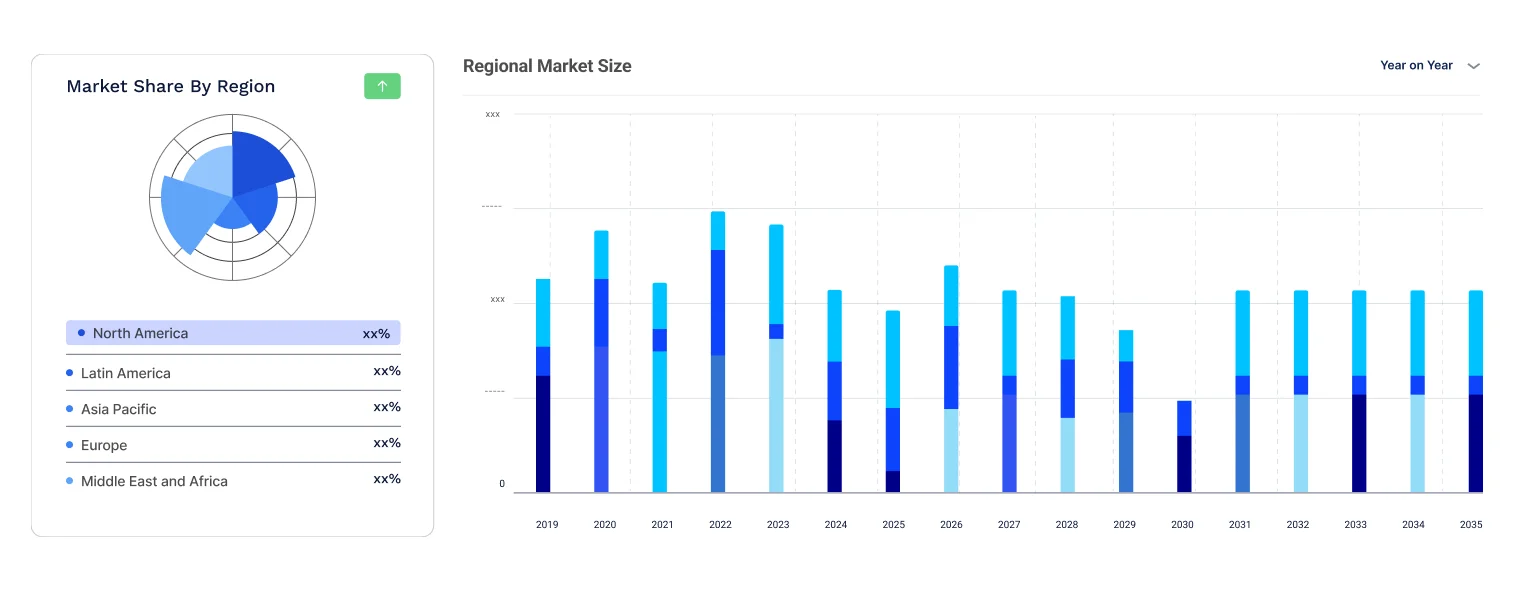

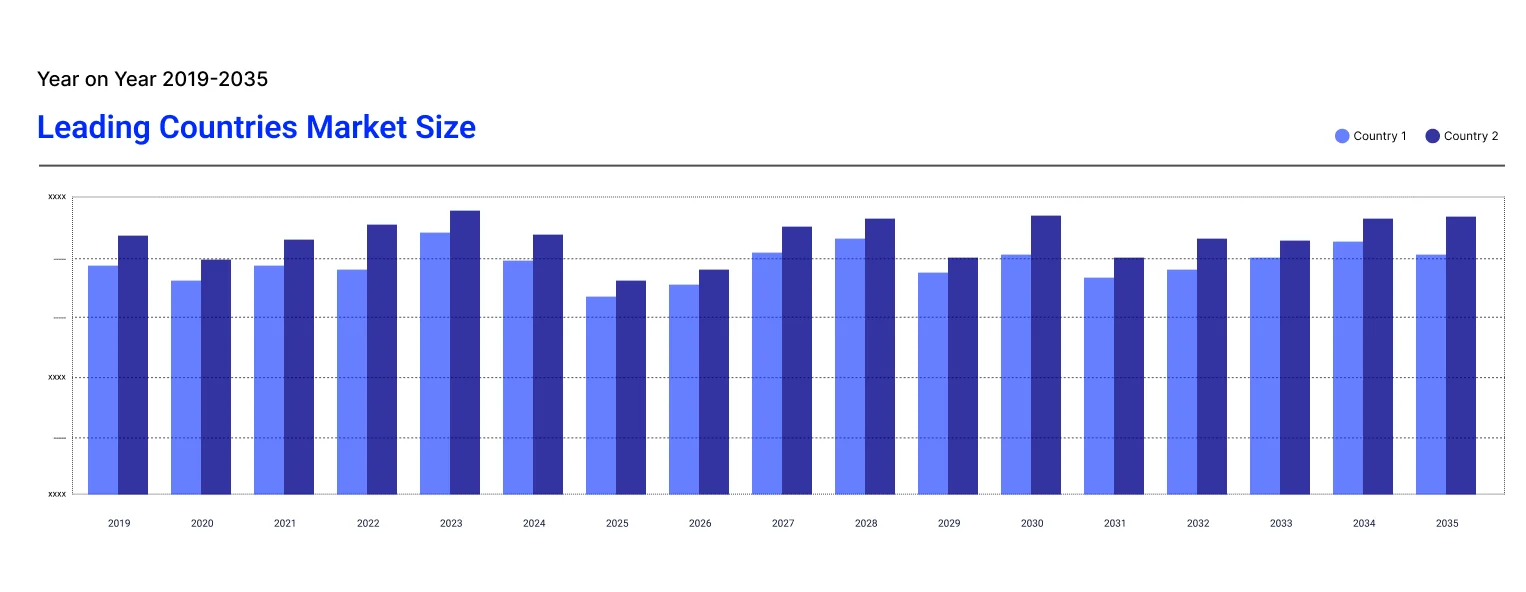
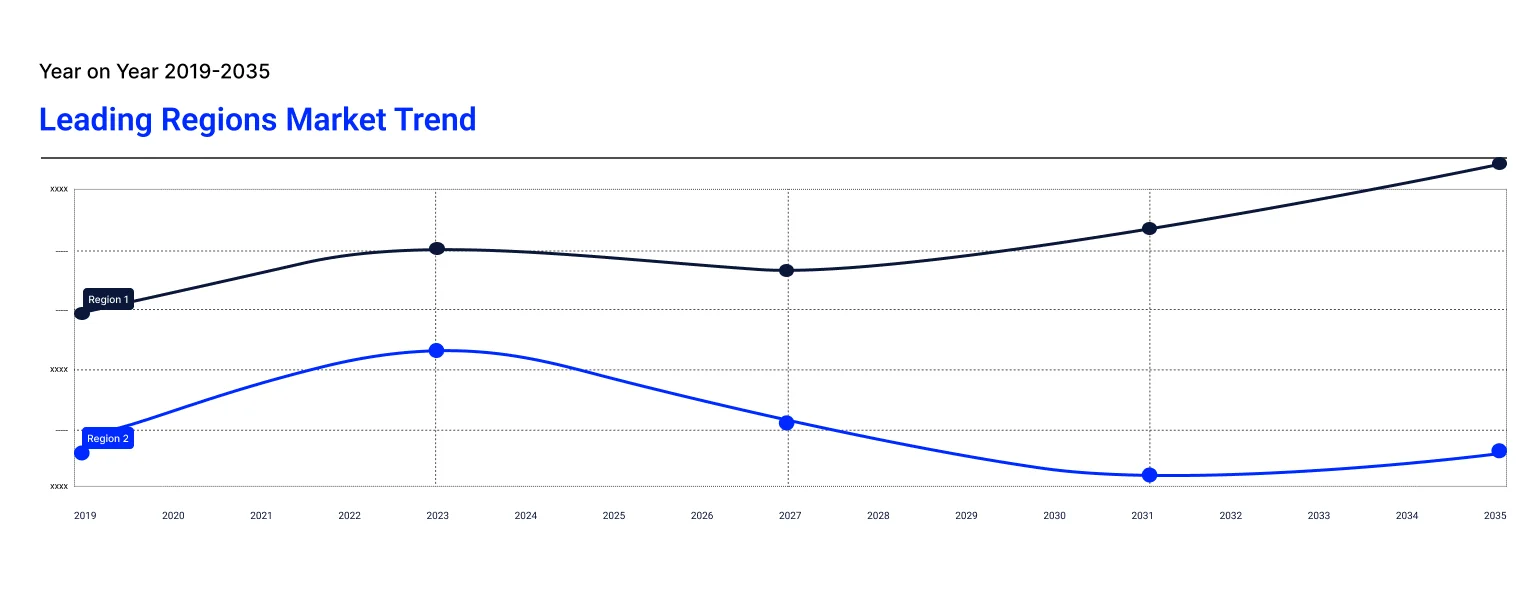
North America remains the leading regional market for small satellites, underpinned by an established base of aerospace manufacturers, strong government space-program funding, and a deep commercial launch ecosystem. Both defense procurement and private-sector constellation deployment contribute to the region's leadership position, and this dual demand base is expected to keep North America ahead of other regions through much of the forecast period. The United States, specifically, is a hub for satellite manufacturing, testing, and launch infrastructure that supports rapid iteration cycles for new small satellite designs. Frequent access to dedicated and rideshare launch vehicles based in the region further shortens the time between satellite completion and on-orbit deployment, reinforcing North America's position as the market's most mature demand base.
Europe's small satellite market is expanding on the back of coordinated regional space investment, with national space agencies and commercial operators increasingly co-funding satellite development programs. Countries with established aerospace manufacturing bases are positioned to capture a growing share of regional demand as governments prioritize sovereign space capability alongside commercial satellite communication and Earth observation initiatives. Regional collaboration frameworks that pool funding and technical expertise across multiple countries are also lowering the entry cost for smaller national space programs, broadening the base of European organizations capable of developing and operating their own small satellites rather than relying solely on non-European suppliers.
Asia Pacific is emerging as one of the fastest-growing regions for small satellites, driven by expanding national space programs, rising government investment in indigenous satellite manufacturing, and growing private-sector participation in communication and Earth observation missions. Countries across the region are increasingly using small satellites to extend connectivity and monitoring capability into previously underserved geographies.
Latin America's small satellite market is in an earlier growth stage, with demand concentrated around government-led Earth observation, disaster-response monitoring, and early-stage commercial connectivity initiatives. As regional governments continue to prioritize cost-efficient access to satellite data, Latin America is expected to see steady adoption growth over the forecast period.
In the Middle East and Africa, government-led investment in national space capability is the primary growth driver, with several countries pursuing indigenous satellite programs to strengthen strategic and security positioning. Rising interest in satellite-enabled surveillance, resource monitoring, and connectivity infrastructure is expected to support gradual but sustained regional market growth through 2035.
The small satellite market features a mix of specialized small-satellite manufacturers and diversified aerospace and defense conglomerates. Expert Market Research competitive assessment incorporates a Porter's Five Forces framework alongside SWOT analysis to evaluate market structure, and profiles include company overview, product portfolio, demographic reach, and certifications. Competitive intensity in this market is shaped less by a small number of dominant suppliers than by the breadth of specialization on display: some companies concentrate purely on satellite bus manufacturing, others focus on payload and sensor technology, and a third group offers full end-to-end mission integration. This specialization means that buyers whether commercial operators, research institutions, or government agencies frequently work with more than one supplier across a single satellite program, and companies that can demonstrate cross-segment reliability tend to command premium positioning in contract negotiations.
GomSpace A/S is a prominent manufacturer of CubeSats and small satellites, serving government, commercial, and academic end-use industries. Founded in 2007 and headquartered in Aalborg, Denmark, the company specializes in CubeSat platforms, miniaturized radio technology, and satellite systems integration.
Thales Group is a leading aerospace company that designs, manufactures, and markets electrical and electronic systems serving aerospace, transportation, and defense industries. Headquartered in Paris, France, Thales brings deep systems-integration expertise to the small satellite value chain.
L3Harris Technologies, Inc. is a leading aerospace and defense company headquartered in Florida, United States, with a growing focus on space technology innovation. The company provides end-to-end mission-critical solutions across defense and commercial space sectors.
This is a partial list the complete competitive profile set including Lockheed Martin Corporation, Northrop Grumman Systems Corporation, and Planet Labs PBC is available in the full Expert Market Research report and can be customized to specific research needs.
*Please note that this is only a partial list; the complete list of key players is available in the full report. Additionally, the list of key players can be customized to better suit your needs.*


Upto 15% Off
USD
$2499 $2249
$3999 $3599
$4999 $4249
$5999 $5099


*While we strive to always give you current and accurate information, the numbers depicted on the website are indicative and may differ from the actual numbers in the main report. At Expert Market Research, we aim to bring you the latest insights and trends in the market. Using our analyses and forecasts, stakeholders can understand the market dynamics, navigate challenges, and capitalize on opportunities to make data-driven strategic decisions.*
The global market value for small satellites in 2025 was USD 5.69 Billion.
The market is estimated to grow at a CAGR of 15.80% in the forecast period of between 2026 and 2035 to reach USD 24.67 Billion by 2035.
The increasing application of small satellites in the commercial sector to provide data and real-time location access to industries such as agriculture, forestry, disaster management, and wildlife, among others, and increasing dependence of military and government sector on satellite communication are the major drivers of the market.
The key trends in the small satellite market include the rising technological innovations integrating small satellite technology with artificial intelligence which are giving rise to superior quality of data and imagery.
Minisatellite, microsatellite, and nanosatellite, among others, are the different types of small satellites.
Earth observation and remote sensing, satellite communication, science and exploration, mapping and navigation, and space observation, among others, are the significant applications of small satellites.
Small satellites are also known as smallsats.
The primary end uses of small satellites in the market are commercial, and military and government, among others.
North America, Europe, the Asia Pacific, Latin America, and the Middle East and Africa, are the major regional markets.
GomSpace A/S, Thales Group, L3Harris Technologies, Inc., Lockheed Martin Corporation, Northrop Grumman Systems Corporation, and Planet Labs PBC, among others, are the key market players, according to the report.
Explore our key highlights of the report and gain a concise overview of key findings, trends, and actionable insights that will empower your strategic decisions.
| REPORT FEATURES | DETAILS |
| Base Year | 2025 |
| Historical Period | 2019-2025 |
| Forecast Period | 2026-2035 |
| Scope of the Report |
Historical and Forecast Trends, Industry Drivers and Constraints, Historical and Forecast Market Analysis by Segment:
|
| Breakup by Type |
|
| Breakup by Application |
|
| Breakup by End Use |
|
| Breakup by Region |
|
| Market Dynamics |
|
| Competitive Landscape |
|
| Companies Covered |
|
Datasheet
One User
USD 2,499
USD 2,249
tax inclusive*
Single User License
One User
USD 3,999
USD 3,599
tax inclusive*
Five User License
Five User
USD 4,999
USD 4,249
tax inclusive*
Corporate License
Unlimited Users
USD 5,999
USD 5,099
tax inclusive*
*Please note that the prices mentioned below are starting prices for each bundle type. Kindly contact our team for further details.*
Flash Bundle
Small Business Bundle
Growth Bundle
Enterprise Bundle
*Please note that the prices mentioned below are starting prices for each bundle type. Kindly contact our team for further details.*
Flash Bundle
Number of Reports: 3
20%
tax inclusive*
Small Business Bundle
Number of Reports: 5
25%
tax inclusive*
Growth Bundle
Number of Reports: 8
30%
tax inclusive*
Enterprise Bundle
Number of Reports: 10
35%
tax inclusive*
How To Order

Select License Type
Choose the right license for your needs and access rights.

Click on ‘Buy Now’
Add the report to your cart with one click and proceed to register.

Select Mode of Payment
Choose a payment option for a secure checkout. You will be redirected accordingly.
Strategic Solutions for Informed Decision-Making
Gain insights to stay ahead and seize opportunities.

Get insights & trends for a competitive edge.

Track prices with detailed trend reports.

Analyse trade data for supply chain insights.

Leverage cost reports for smart savings

Enhance supply chain with partnerships.

Connect For More Information
Our expert team of analysts will offer full support and resolve any queries regarding the report, before and after the purchase.
Our expert team of analysts will offer full support and resolve any queries regarding the report, before and after the purchase.
We employ meticulous research methods, blending advanced analytics and expert insights to deliver accurate, actionable industry intelligence, staying ahead of competitors.
Our skilled analysts offer unparalleled competitive advantage with detailed insights on current and emerging markets, ensuring your strategic edge.
We offer an in-depth yet simplified presentation of industry insights and analysis to meet your specific requirements effectively.




