

Consumer Insights
Uncover trends and behaviors shaping consumer choices today
Procurement Insights
Optimize your sourcing strategy with key market data
Industry Stats
Stay ahead with the latest trends and market analysis.
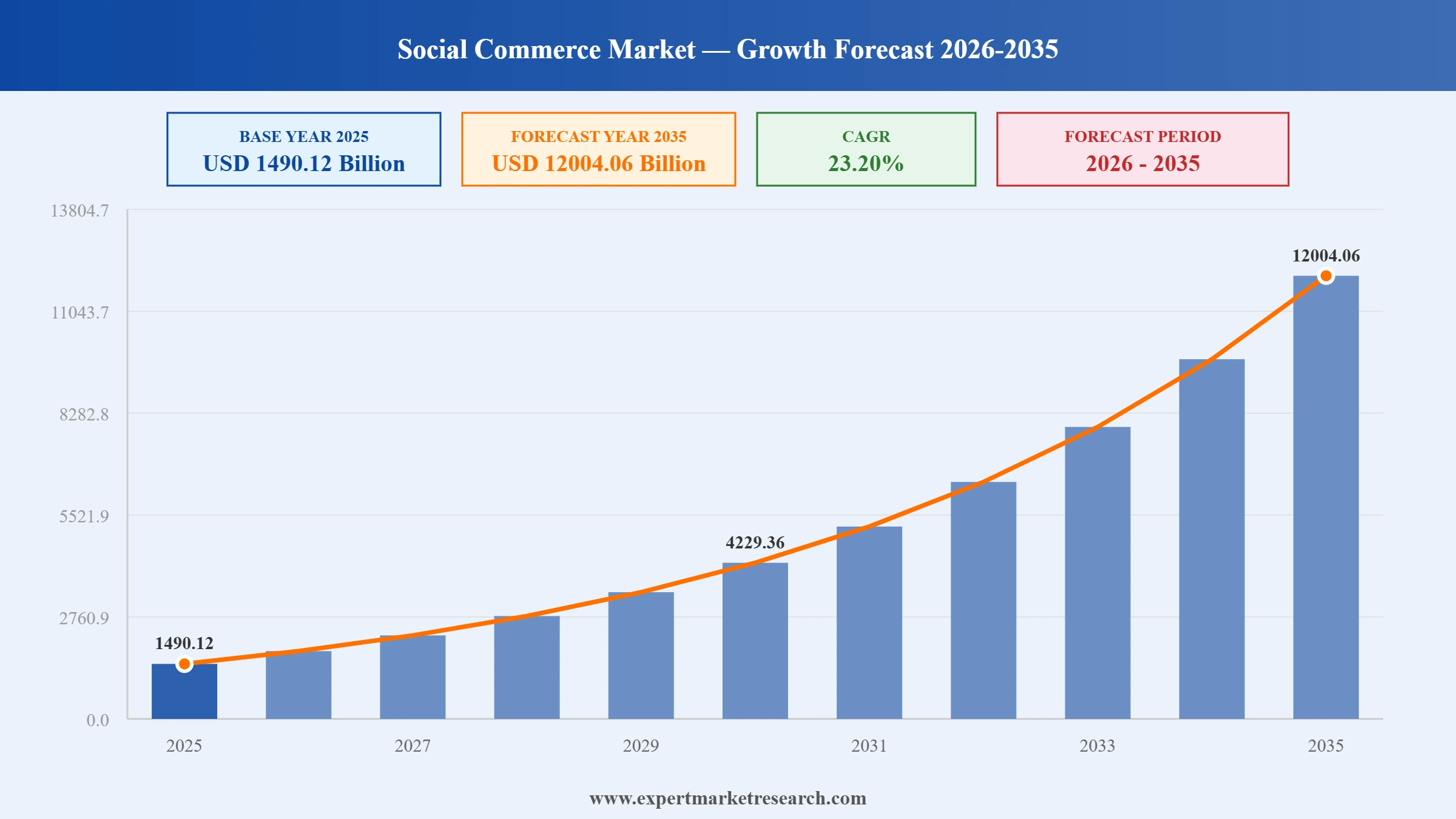
According to Expert Market Research, the global social commerce market was valued at USD 1490.12 Billion in 2025 and is projected to reach USD 12004.06 Billion by 2035, expanding at a compound annual growth rate of 23.20% during the forecast period of 2026-2035. This growth trajectory reflects a fundamental shift in how brands engage consumers, how platforms monetize attention, and how digital infrastructure increasingly supports embedded commerce at scale.
Social commerce has emerged as one of the fastest-growing intersections of digital media and retail economics, fundamentally reshaping how consumers discover, evaluate, and purchase products. Unlike traditional e-commerce, which relies on standalone websites or dedicated marketplaces, social commerce embeds the entire purchase journey from initial discovery to final transaction within the social media environment itself. The result is a frictionless, community-driven shopping experience that converts passive content consumption into active commerce at an unprecedented rate.
At its core, social commerce leverages the social proof mechanisms inherent to social platforms likes, shares, peer reviews, live demonstrations, and influencer endorsements to drive purchase decisions. Platforms such as Instagram, TikTok, Pinterest, Facebook, and WeChat have evolved from pure engagement channels into full-fledged retail ecosystems. In-app checkout, shoppable posts, live-stream storefronts, and creator-led product collections now generate billions of dollars in gross merchandise value (GMV) annually, with no signs of deceleration.
The convergence of high smartphone penetration, ubiquitous mobile internet access, digital payment infrastructure maturation, and AI-driven content personalization has created the conditions for explosive social commerce adoption particularly in Asia Pacific, where the model first achieved scale, and increasingly across North America and Europe, where platform infrastructure and consumer behavior are rapidly aligning.
Read more about this report - REQUEST FREE SAMPLE COPY IN PDF
Social commerce refers to the integration of e-commerce functionalities directly within social media platforms, enabling consumers to complete the full purchase lifecycle product discovery, research, comparison, and transaction without leaving their social feed or content environment. The term encompasses a broad set of commerce modalities, including shoppable posts, in-app checkout, live-stream shopping, social storefronts, group buying, peer-to-peer resale, and conversational commerce via messaging apps.
The scope of social commerce extends across all major social media ecosystems: Meta's Instagram and Facebook Shops, ByteDance's TikTok Shop, Pinterest's product pins, Snapchat's shoppable stories, Twitter/X's product drops, and Alibaba's Taobao Live in China. The market also encompasses dedicated social commerce platforms such as Meesho in India, Poshmark and Depop in the Western resale segment, and rapidly growing conversational commerce channels embedded within WhatsApp, WeChat, and LINE.
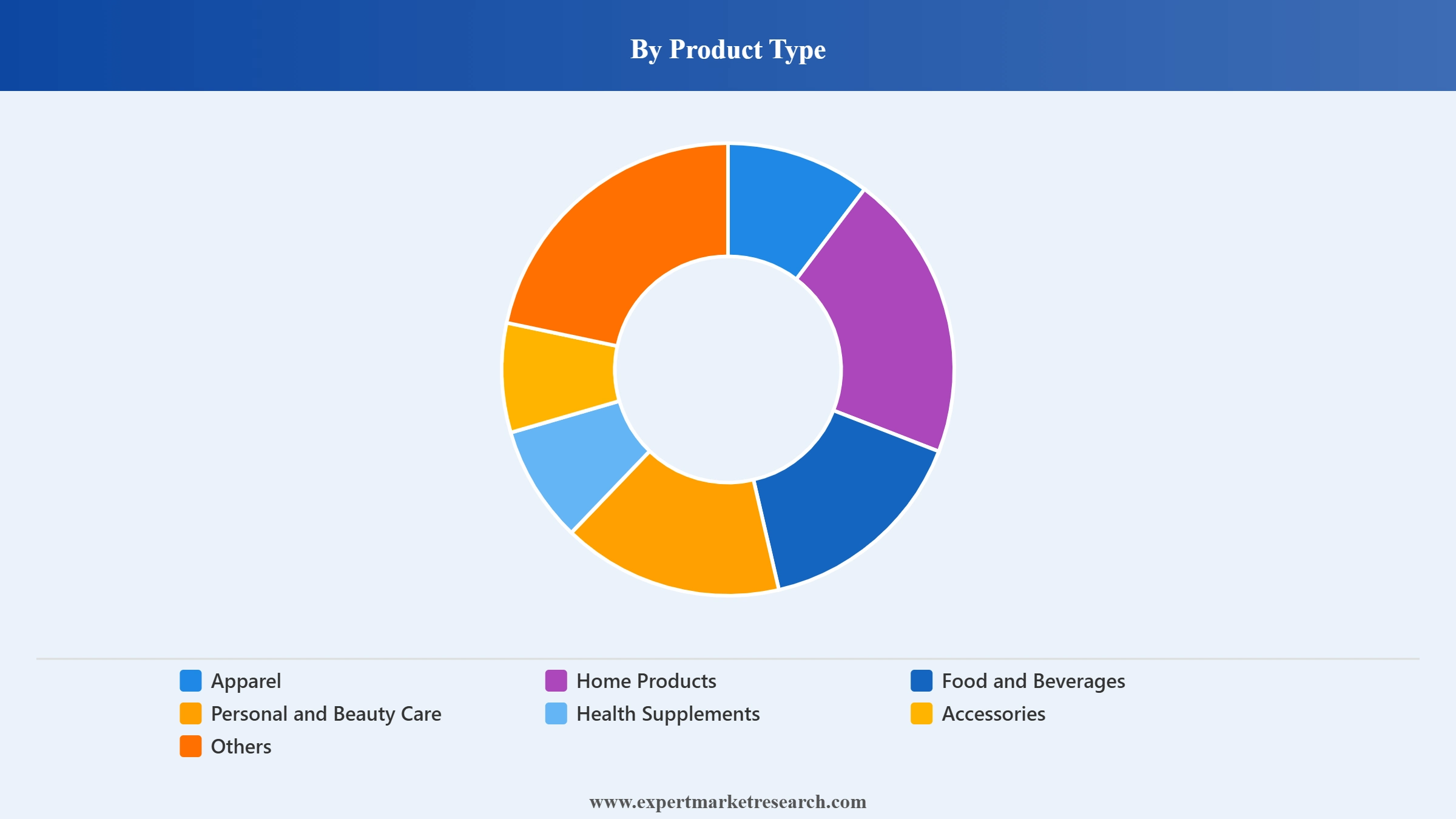
From a market segmentation perspective, social commerce is classified by business model (B2C, B2B, and C2C), product type (apparel, personal and beauty care, electronics, food and beverage, home products, health supplements, and accessories), platform type (video commerce, social network-led, and messaging-app-led commerce), and device type (mobile and desktop). The B2C segment dominates global revenue, driven by consumer-facing brand adoption of social platforms as primary sales channels, while the C2C segment is recording the fastest growth, propelled by the peer-to-peer resale economy.
Read more about this report - REQUEST FREE SAMPLE COPY IN PDF
Multiple interconnected forces are accelerating the global social commerce market. Smartphone and mobile internet penetration is the foundational driver: as of 2025, nearly 5 billion people access the internet via mobile devices, with social media usage representing a significant proportion of daily digital engagement time. Mobile-first consumers particularly millennials and Gen Z increasingly expect seamless, frictionless purchase experiences embedded in content they already consume.
The maturation of digital payment infrastructure has been equally critical. The proliferation of integrated digital wallets, buy-now-pay-later (BNPL) options, one-click checkout systems, and regional payment solutions such as India's UPI, Brazil's Pix, and Southeast Asia's GrabPay has eliminated the checkout friction that historically deterred social media purchases. When consumers can complete a transaction in seconds without leaving an app, conversion rates increase dramatically.
Influencer marketing and the creator economy represent another powerful demand driver. Brands increasingly rely on content creators, micro-influencers, and live-stream hosts to deliver authentic, peer-endorsed product recommendations directly within social feeds. The parasocial trust consumers develop with influencers translates directly into purchase intent, making creator-led social commerce one of the highest-ROI channels in digital marketing. AI-driven content personalization further amplifies this effect by ensuring product recommendations, shoppable ads, and creator content are delivered to users with demonstrated purchase intent.
Live-stream shopping represents the defining innovation of the current social commerce era, combining real-time video entertainment with interactive product demonstration and instant purchasing into a format that routinely generates conversion rates 10x higher than traditional display advertising. Having achieved massive scale in China where Douyin's 15.4 billion annual orders demonstrate the format's commercial power live commerce is now expanding rapidly into Western markets via TikTok Shop, Instagram Live Shopping, and Amazon Live. Brands that invest in live commerce capabilities including professional studio setups, trained host talent, and real-time inventory management are achieving significantly superior engagement and conversion outcomes.
Artificial intelligence is the invisible engine powering social commerce's most effective consumer experiences. Machine learning algorithms analyze behavioral signals browsing history, content engagement patterns, purchase history, social interactions, and real-time context to surface hyper-relevant product recommendations within social feeds with unprecedented precision. AI also powers dynamic pricing, personalized promotional offers, predictive inventory management, and conversational commerce chatbots that replicate the guided selling experience of in-store retail within digital environments. As AI capabilities continue to advance, the personalization ceiling for social commerce experiences will rise, further improving conversion efficiency and average order values.
Augmented reality is eliminating one of traditional e-commerce's most persistent conversion barriers: the inability to physically inspect, try on, or contextually assess products before purchase. AR try-on features deployed by brands like Sephora, L'Oréal, IKEA, and Nike across platforms including TikTok, Instagram, and Snapchat allow consumers to virtually apply cosmetics, visualize furniture in their homes, or see how footwear looks on their feet via smartphone camera. These features consistently demonstrate higher conversion rates, lower return rates, and higher consumer satisfaction scores compared to non-AR product pages.
The integration of commerce functionality within messaging applications particularly WhatsApp Business, WeChat Mini Programs, LINE, and iMessage is creating a distinct conversational commerce channel that combines the intimacy of personal communication with the convenience of in-app transaction. WhatsApp Business's catalog and payment features are enabling millions of small merchants in India, Brazil, and Southeast Asia to operate full-service storefronts within a messaging interface their customers already use daily. AI-powered chatbots and virtual shopping assistants within these environments are further automating the product discovery, recommendation, and checkout process at scale.
The global social commerce market, despite its remarkable growth trajectory, contends with a number of structural and operational challenges that brands and platform operators must navigate carefully. Chief among these is the erosion of consumer trust in social media environments, where counterfeit products, misleading influencer endorsements, and fraudulent storefronts remain persistent concerns. Platform algorithm volatility wherein sudden changes to content ranking systems can catastrophically reduce organic reach for brands that have invested heavily in social-led channels creates significant revenue uncertainty, particularly for small and medium-sized enterprises that rely disproportionately on a single platform for customer acquisition. Data privacy regulations, including the European Union's GDPR and emerging frameworks in the United States and Asia Pacific, are constraining the hyper-targeted personalization capabilities that make social commerce so effective, requiring platforms and advertisers to rethink data collection, attribution, and retargeting strategies. These challenges, while manageable, require sustained investment in trust infrastructure, multi-platform diversification, and regulatory compliance frameworks. The full EMR report provides a detailed challenge mapping with impact severity scores, platform-by-platform risk assessments, and mitigation frameworks.
Beyond operational challenges, several structural restraints are moderating the pace of social commerce adoption in specific markets and demographics. High customer acquisition costs represent a growing concern: competition for screen time and advertising inventory has driven up CPMs and CPCs across Meta and TikTok platforms by an estimated 50–60% in major markets during 2023–2024, compressing margins for direct-to-consumer (DTC) operators. The digital divide remains a meaningful restraint in many emerging economies, where limited broadband infrastructure, inconsistent device quality, and low digital literacy constrain the addressable market for sophisticated social commerce experiences. Regulatory fragmentation across jurisdictions particularly differing standards around cross-border data flows, consumer protection requirements, and platform liability creates compliance complexity that discourages smaller brands from pursuing international social commerce strategies. Logistics infrastructure gaps in tier-2 and tier-3 cities in developing markets also limit fulfillment reliability, which directly undermines the seamless experience social commerce promises. EMR's comprehensive market restraints analysis quantifies each barrier's impact on the 10-year forecast, offering the granular intelligence required for strategic planning.
Against this backdrop of challenges and restraints, the global social commerce market presents a wealth of high-value opportunities for forward-thinking brands, platforms, and investors. Live commerce or live-stream shopping remains one of the most underutilized high-growth opportunities in Western markets, despite having already generated trillions in GMV annually in China alone. The adoption of AI-powered personalization engines, augmented reality (AR) try-on tools, and conversational AI chatbots is enabling a new generation of hyper-individualized shopping experiences that dramatically outperform traditional digital advertising in conversion efficiency. Creator-led commerce storefronts, where individual influencers operate curated product collections directly within platforms, are generating outsized returns on brand investment while simultaneously monetizing the creator economy. The integration of social commerce into super-apps particularly in South and Southeast Asia is opening new total addressable market segments that combine payments, logistics, social networking, and content within a single ecosystem. Emerging markets, including India, Brazil, Nigeria, and Indonesia, represent the next wave of social commerce growth, driven by young, mobile-native populations and rapidly expanding digital payment rails. To access the full opportunity landscape with segment-level projections and strategic entry recommendations, explore the Expert Market Research Social Commerce Market Report.
Read more about this report - REQUEST FREE SAMPLE COPY IN PDF
The global social commerce market is segmented across four primary dimensions: business model, product type, platform/sales channel, and device type. Each segmentation axis reveals distinct growth dynamics, competitive intensity, and strategic opportunity for market participants. The EMR’s report titled “Social Commerce Market Report and Forecast 2026-2035” offers a detailed analysis of the market based on the following segments:
Market Breakup by Business Model
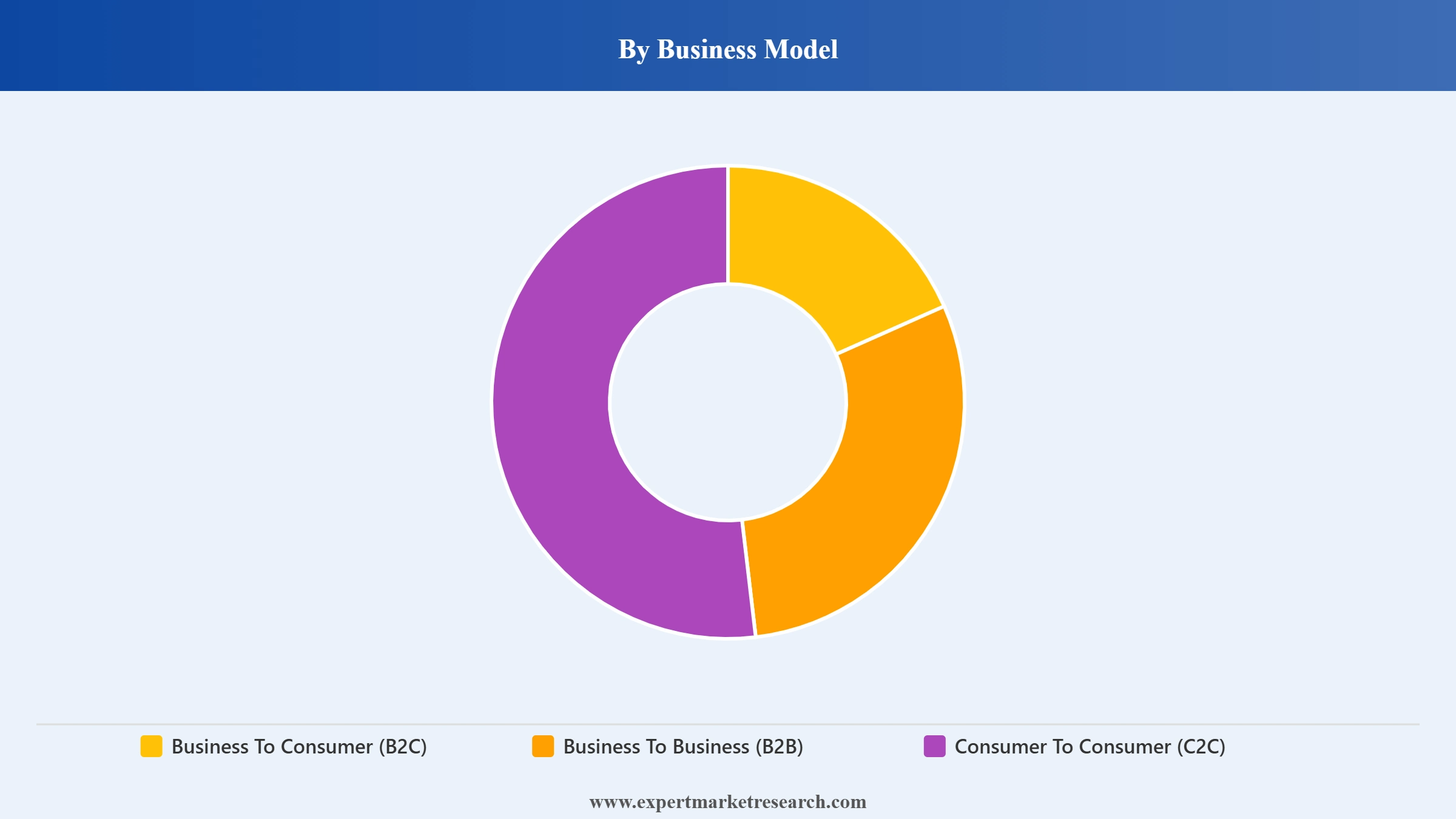
The B2C segment commands the largest share of global social commerce revenue, representing over 60% of total market value in 2025. This dominance reflects the fundamental consumer-facing nature of social platforms, where the majority of product discovery, influencer marketing, and in-app purchasing occurs between brands and individual consumers. B2C social commerce is characterized by impulse-driven purchase behavior, short consideration cycles, high visual content dependency, and the outsized role of social proof in conversion. Fashion, beauty, electronics, and lifestyle categories all inherently visual and trend-driven dominate B2C social commerce GMV. Platforms invest heavily in B2C commerce tooling, with Instagram's Shopping tab, TikTok Shop's seller center, and Pinterest's Catalogs API all purpose-built for brand-to-consumer selling at scale.
While B2B social commerce represents a smaller share of total market value, it is an emerging and increasingly relevant segment as professional platforms like LinkedIn integrate commerce functionality and as wholesale and procurement decisions are increasingly influenced by social content. B2B social commerce primarily encompasses professional services, software subscriptions, wholesale goods, and B2B influencer marketing, where industry thought leaders drive vendor consideration and procurement intent through content-led engagement on professional and niche industry platforms.
The C2C segment is the fastest-growing business model in social commerce, driven by the explosive rise of the peer-to-peer resale economy, the secondhand fashion movement, and the democratization of entrepreneurship through social platforms. Platforms such as Poshmark, Depop, Facebook Marketplace, Xiaohongshu (Little Red Book), and Meesho have created vast peer-to-peer marketplaces where individual consumers buy and sell products with a level of social context and community trust that traditional e-commerce cannot replicate. The sustainability movement has further amplified C2C growth, as eco-conscious consumers increasingly prefer pre-owned, upcycled, and handmade products. The C2C segment is recording a CAGR significantly above the market average, making it a key area of strategic focus for platform operators seeking to diversify revenue streams and for brands seeking authentic community-led distribution channels.
Market Breakup by Product Type
Apparel holds the largest product category share in global social commerce, driven by the inherently visual nature of fashion, the high velocity of trend cycles in social media environments, and the proliferation of outfit inspiration content, haul videos, and live fashion shows on platforms like TikTok and Instagram. The Personal and Beauty Care segment is recording the fastest growth rate within product categories, fueled by the beauty influencer ecosystem, AR-powered virtual try-on tools, and the direct-to-consumer skin care and cosmetics boom. Home products, health supplements, food and beverage, and accessories round out the primary product verticals, each benefiting from strong user-generated content communities, recipe and lifestyle influencer ecosystems, and the increasing integration of shoppable links within long-form content.
Market Breakup by Platform
Video commerce encompassing both live-stream shopping and prerecorded shoppable video content dominates the social commerce platform landscape, accounting for approximately 42% of total market revenue in 2025. Live-stream shopping, pioneered at scale by platforms such as Taobao Live, Douyin, and TikTok Shop, combines real-time entertainment, social interaction, and instant purchasing into a uniquely high-conversion commerce format. Prerecorded shoppable video content extends the reach and longevity of commerce-enabled video, allowing product links to generate purchases long after content creation.
Social network-led commerce driven by Instagram Shopping, Facebook Shops, and Pinterest's product discovery ecosystem represents the second-largest channel segment and is expected to record a significant CAGR through 2035 as platform investment in native checkout capabilities, product catalogs, and creator commerce tools accelerates. Messaging-app commerce, led by WhatsApp Business, WeChat Mini Programs, and LINE Shopping, is an emerging but high-potential channel, particularly in Southeast Asia and Latin America, where messaging apps are the primary digital communication environment.
Market Breakup by Region
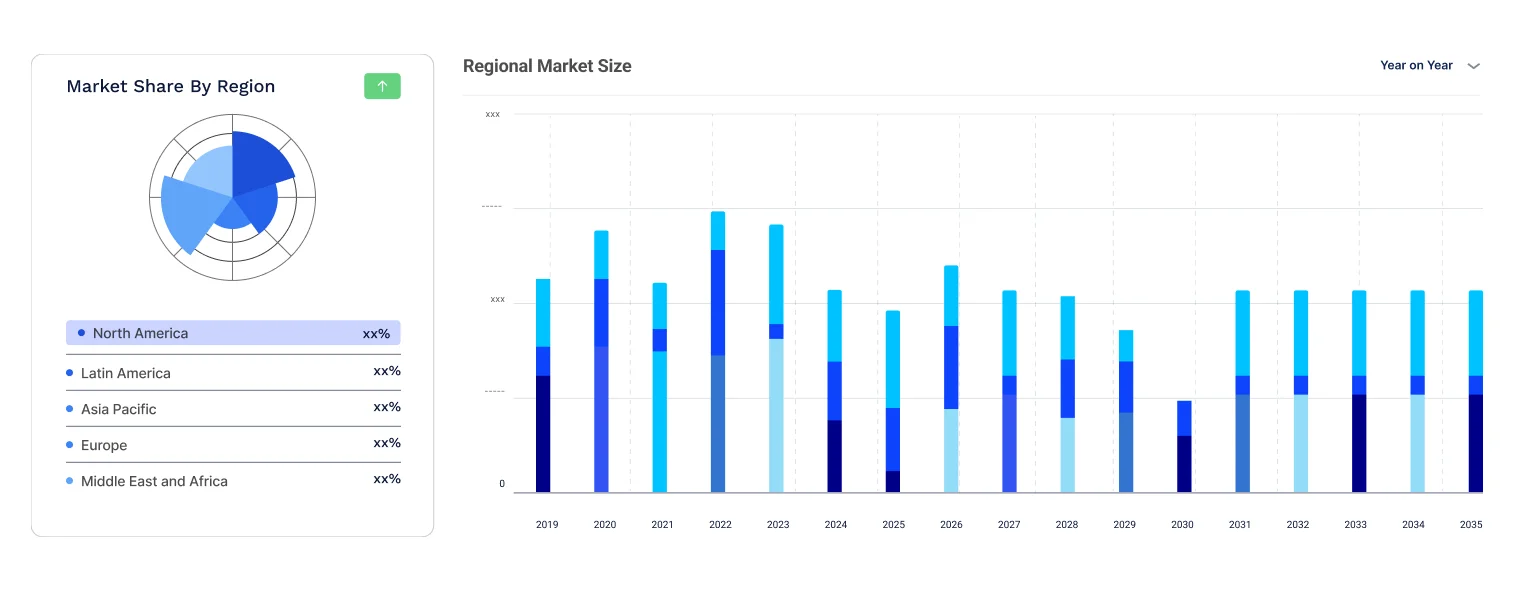
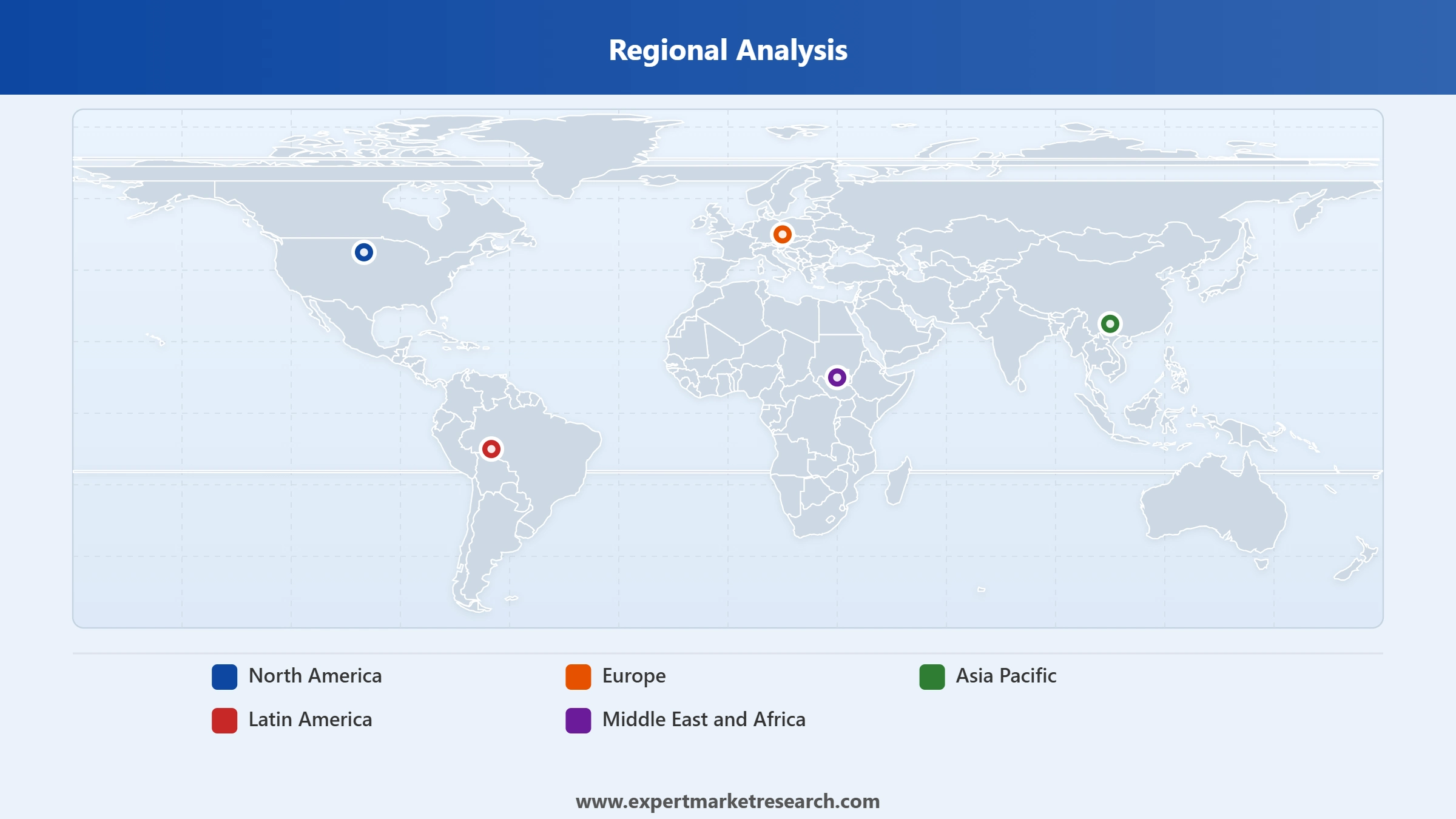
Geographic performance varies significantly across the global social commerce market, with regional differences in platform maturity, consumer behavior, payment infrastructure, and regulatory frameworks shaping growth trajectories and strategic priorities.
Read more about this report - REQUEST FREE SAMPLE COPY IN PDF
Asia Pacific dominates the global social commerce market, accounting for the largest regional revenue share exceeding 70% in 2025 driven by China's extraordinarily advanced social commerce ecosystem and the rapid adoption of social selling across Southeast Asian markets. China's digital commerce landscape is defined by super-app integration: Douyin (TikTok's Chinese counterpart) logged 15.4 billion orders in 2024, with approximately 63% generated via live-stream formats. Taobao Live, WeChat Mini Programs, and Xiaohongshu collectively represent a commerce infrastructure where content, payment, logistics, and social community operate within seamlessly integrated ecosystems that Western markets have yet to replicate at comparable scale.
India represents the most dynamic emerging social commerce market, with the India Social Commerce Market projected to grow at a CAGR of 36.0% the fastest in Asia Pacific driven by the world's largest youth population, rapid smartphone penetration, UPI's seamless digital payment rails, and the explosive growth of platforms like Meesho, which secured USD 275 million in funding in 2024 and reached approximately 150 million transacting users. Southeast Asian markets, including Indonesia, Vietnam, Thailand, and the Philippines, are experiencing rapid social commerce adoption via platforms including TikTok Shop, Shopee Live, and Lazada, supported by expanding digital financial inclusion.
North America holds a significant global social commerce market share, characterized by advanced e-commerce infrastructure, high consumer trust in digital transactions, and the maturation of the creator economy. The United States social commerce market is growing at a CAGR of approximately 33.4%, driven by TikTok Shop's aggressive expansion, Instagram Shopping's continued penetration among fashion and beauty brands, and the growing sophistication of affiliate commerce and creator storefront programs. American consumers' familiarity with one-click checkout, their high engagement with influencer content, and the proliferation of BNPL options are all reinforcing social commerce adoption across demographic cohorts.
The Canadian social commerce market mirrors U.S. trends, supported by similarly mature digital infrastructure and high social media engagement rates. Mexico is emerging as a significant growth market within North America, with young, mobile-native consumers increasingly comfortable with social discovery and in-app purchasing across Spanish-language content ecosystems.
The European social commerce market is developing within a distinct regulatory environment, shaped by GDPR's constraints on data-driven personalization and the EU's Digital Markets Act, which affects platform interoperability and competitive dynamics. Despite these constraints, social commerce adoption is accelerating, particularly in the United Kingdom, Germany, and France. The UK market benefits from high mobile commerce penetration and strong Gen Z engagement with TikTok Shop and Instagram. Germany's social commerce growth is supported by the integration of trusted local payment methods and strong consumer protection frameworks that increase digital transaction confidence. The broader European market is benefiting from rising cross-border digital trade and the increasing localization of social commerce experiences to meet country-specific cultural and linguistic preferences.
The Middle East and Africa (MEA) region represents an emerging social commerce frontier, with young, digitally connected populations in markets including the UAE, Saudi Arabia, Nigeria, Egypt, and South Africa driving initial adoption. High social media engagement rates particularly for visual platforms and WhatsApp provide a strong foundation for social commerce growth as payment infrastructure and digital logistics mature. Latin America, led by Brazil, Mexico, and Colombia, is experiencing social commerce acceleration driven by Instagram Shopping adoption, the rise of Brazilian creator commerce, and Mercado Libre's integration of social elements into its marketplace experience.
The global social commerce market is characterized by intense competition among a small number of dominant platform operators, a growing cohort of regional specialists, and an expanding ecosystem of technology enablers providing infrastructure for social selling at scale.
Etsy Inc. is a global marketplace for vintage, handmade, and unique goods. It was founded in 2005 and has its headquarters in Brooklyn, New York. Through people-driven features, it promotes social commerce, strengthening the bonds between consumers and sellers while benefiting small businesses.
Founded in 2015, based in India Meesho is a top social commerce platform in India, enabling users to begin online businesses through social media. It links resellers with suppliers, equipping entrepreneurs with e-commerce and social selling tools.
Pinterest, Inc. operates a distinctive visual discovery platform with strong product-intent signals, making it particularly valuable for home goods, fashion, and lifestyle brands seeking high-consideration consumers. Shopify's social commerce integrations across TikTok, Instagram, Google, and Facebook position it as the critical middleware layer enabling DTC brands to operationalize multi-platform social selling without rebuilding their commerce infrastructure for each channel.
Meta Platforms, Inc. (Facebook and Instagram) remains the single largest social commerce infrastructure provider in Western markets, with Facebook Shops and Instagram Shopping enabling millions of brands to maintain native storefronts directly within the platform. Meta's investment in AI-powered recommendation engines, its Creator Marketplace for influencer partnerships, and its ongoing development of WhatsApp Business Commerce collectively position it as the dominant end-to-end social commerce operator in the Americas and Europe.
Other key players in the social commerce market report are Poshmark, Pinduoduo Inc., Roposo, Tiktok (Douyin), Twitter, Inc., and Snap, Inc., among others.
*Please note that this is only a partial list; the complete list of key players is available in the full report. Additionally, the list of key players can be customized to better suit your needs.*


Upto 15% Off
USD
$2499 $2249
$3999 $3599
$4999 $4249
$5999 $5099


*While we strive to always give you current and accurate information, the numbers depicted on the website are indicative and may differ from the actual numbers in the main report. At Expert Market Research, we aim to bring you the latest insights and trends in the market. Using our analyses and forecasts, stakeholders can understand the market dynamics, navigate challenges, and capitalize on opportunities to make data-driven strategic decisions.*
According to Expert Market Research, the global social commerce market was valued at USD 1490.12 Billion in 2025 and is projected to reach USD 12004.06 Billion by 2035, growing at a CAGR of 23.20% during the forecast period of 2026-2035.
Social commerce is the integration of e-commerce functionality directly within social media platforms, enabling consumers to discover, evaluate, and purchase products without leaving their social feed. It encompasses shoppable posts, in-app checkout, live-stream shopping, creator storefronts, group buying, and peer-to-peer resale all completed within platforms such as Instagram, TikTok, Facebook, Pinterest, and WeChat
Asia Pacific dominates the global social commerce market, holding over 70% of total market revenue in 2025. This dominance is driven by China's mature live-stream and super-app commerce ecosystem particularly Douyin, Taobao Live, and WeChat along with rapid adoption in India, Southeast Asia, Japan, and South Korea.
The primary growth drivers include rising smartphone and mobile internet penetration, the maturation of digital payment infrastructure, the influence of creator and influencer marketing, AI-powered personalization, augmented reality try-on features, and the integration of seamless in-app checkout capabilities across social platforms. The proliferation of live-stream shopping formats and the growth of the creator economy are additional powerful demand accelerators.
Leading companies in the global social commerce market include Meta Platforms, Inc. (Facebook, Instagram, WhatsApp), ByteDance Ltd. (TikTok, Douyin), Alibaba Group Holding Ltd. (Taobao Live, Tmall), PDD Holdings Inc. (Pinduoduo, Temu), Pinterest, Inc., Shopify Inc., Meesho, Poshmark, Depop, and Xiaohongshu (Little Red Book). These companies collectively shape the competitive landscape across B2C, C2C, and platform infrastructure segments.
According to Expert Market Research, the global social commerce market is expected to grow at a CAGR of 23.20% during the forecast period from 2026 to 2035.
Key challenges include consumer trust concerns around counterfeit products and misleading endorsements, platform algorithm volatility, data privacy regulation constraints affecting targeting capabilities, rising customer acquisition costs, digital infrastructure gaps in emerging markets, and regulatory fragmentation across jurisdictions affecting cross-border commerce.
The C2C (Consumer-to-Consumer) business model is the fastest-growing segment in the social commerce market, driven by the peer-to-peer resale economy, secondhand fashion, and the democratization of individual entrepreneurship through social platforms. The Personal and Beauty Care product category is similarly recording the fastest growth among product type segments.
Explore our key highlights of the report and gain a concise overview of key findings, trends, and actionable insights that will empower your strategic decisions.
| REPORT FEATURES | DETAILS |
| Base Year | 2025 |
| Historical Period | 2019-2025 |
| Forecast Period | 2026-2035 |
| Scope of the Report |
Historical and Forecast Trends, Industry Drivers and Constraints, Historical and Forecast Market Analysis by Segment:
|
| Breakup by Business Model |
|
| Breakup by Product Type |
|
| Breakup by Platform |
|
| Breakup by Region |
|
| Market Dynamics |
|
| Competitive Landscape |
|
| Companies Covered |
|
Datasheet
One User
USD 2,499
USD 2,249
tax inclusive*
Single User License
One User
USD 3,999
USD 3,599
tax inclusive*
Five User License
Five User
USD 4,999
USD 4,249
tax inclusive*
Corporate License
Unlimited Users
USD 5,999
USD 5,099
tax inclusive*
*Please note that the prices mentioned below are starting prices for each bundle type. Kindly contact our team for further details.*
Flash Bundle
Small Business Bundle
Growth Bundle
Enterprise Bundle
*Please note that the prices mentioned below are starting prices for each bundle type. Kindly contact our team for further details.*
Flash Bundle
Number of Reports: 3
20%
tax inclusive*
Small Business Bundle
Number of Reports: 5
25%
tax inclusive*
Growth Bundle
Number of Reports: 8
30%
tax inclusive*
Enterprise Bundle
Number of Reports: 10
35%
tax inclusive*
How To Order

Select License Type
Choose the right license for your needs and access rights.

Click on ‘Buy Now’
Add the report to your cart with one click and proceed to register.

Select Mode of Payment
Choose a payment option for a secure checkout. You will be redirected accordingly.
Strategic Solutions for Informed Decision-Making
Gain insights to stay ahead and seize opportunities.

Get insights & trends for a competitive edge.

Track prices with detailed trend reports.

Analyse trade data for supply chain insights.

Leverage cost reports for smart savings

Enhance supply chain with partnerships.

Connect For More Information
Our expert team of analysts will offer full support and resolve any queries regarding the report, before and after the purchase.
Our expert team of analysts will offer full support and resolve any queries regarding the report, before and after the purchase.
We employ meticulous research methods, blending advanced analytics and expert insights to deliver accurate, actionable industry intelligence, staying ahead of competitors.
Our skilled analysts offer unparalleled competitive advantage with detailed insights on current and emerging markets, ensuring your strategic edge.
We offer an in-depth yet simplified presentation of industry insights and analysis to meet your specific requirements effectively.




