

Consumer Insights
Uncover trends and behaviors shaping consumer choices today
Procurement Insights
Optimize your sourcing strategy with key market data
Industry Stats
Stay ahead with the latest trends and market analysis.
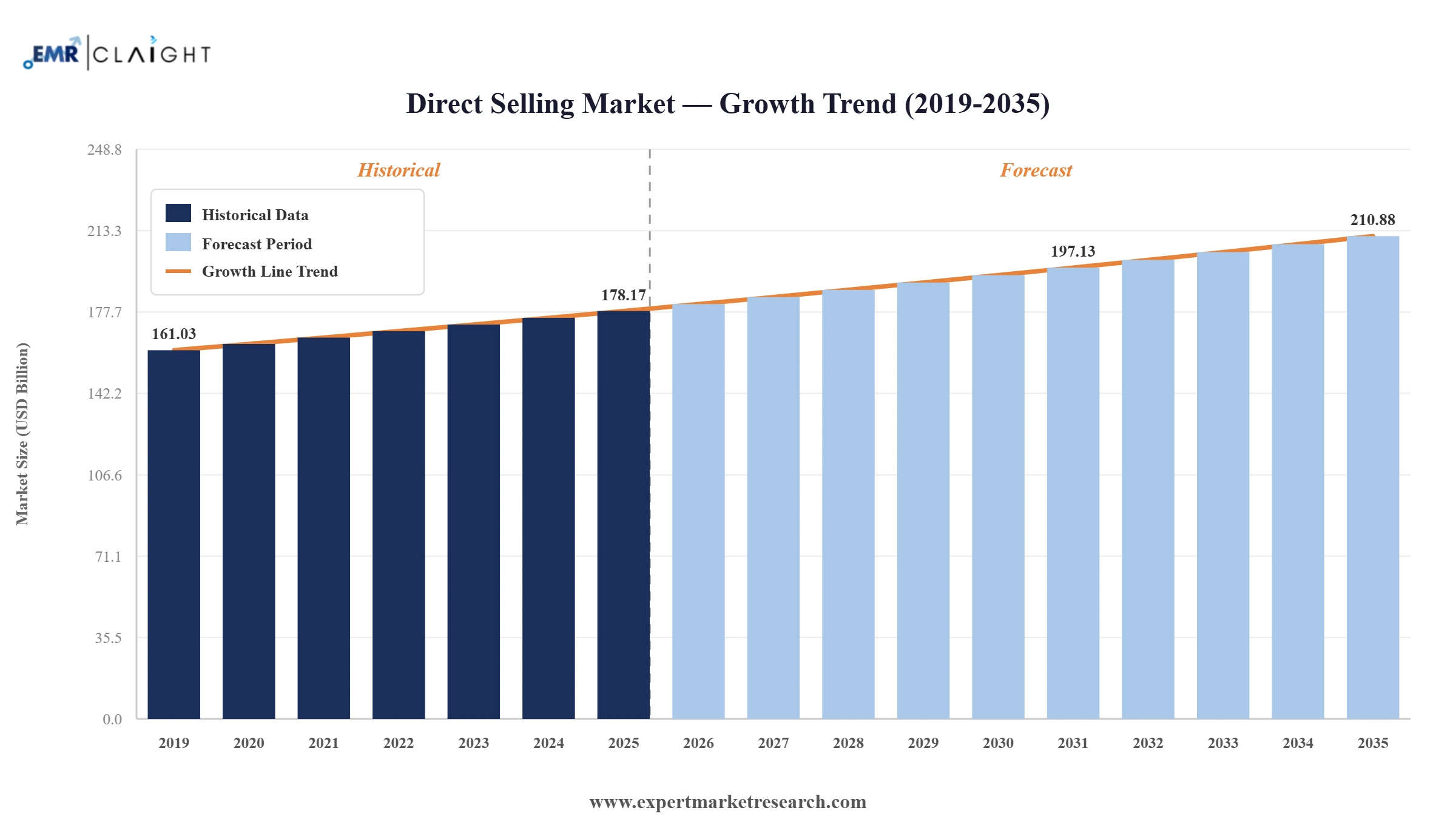
The global direct selling market attained a value of USD 178.17 Billion in 2025 and is projected to expand at a CAGR of 1.70% through 2035. The market is further expected to achieve USD 210.88 Billion by 2035. The rising level of investment into AI-based distribution management systems, subscription commerce, and digital sales ecosystems is boosting productivity, ensuring customer retention, and increasing the operational scalability of direct selling organizations around the world.
The rise in consumer need for personalized solutions for wellness, nutrition, and beauty is driving the organizations to come up with science-based product lines that are supported by digital recommendation engines. In addition, the direct selling market observes an increase in collaboration with fintech companies and logistics companies to facilitate efficient payment management of distributors, and boost product delivery to different geographical locations.
The key development in the direct selling market is the adoption of AI-driven sales enablement and social commerce systems. For example, in April 2026, Herbalife upgraded its digital landscape by incorporating AI-driven customer engagement solutions and personalizing the wellness recommendations of their distributors in several international locations. This initiative correlates with the strategic goals of enhancing the productivity of the distributors while boosting customer retention. Such trends show how leading organizations replace conventional face-to-face engagement models with smart and data-driven engagement approaches which facilitate conversion and customer retention.
The direct selling market keeps evolving with companies emphasizing the development of digital platforms, personalized product lines, and technology for the benefit of distributors rather than just increasing networks. Companies make investments in mobile commerce platforms, automated training systems, subscription product delivery models, and AI-driven analytics which allow distributors to identify high-potential customers and retain them. The premium products of nutrition, beauty, wellness, and household product categories continue being the priority for manufacturers. Aligning with this trend, in June 2026, Truecaller Ads launched AI-powered Call-to-Cart, enabling two-step shopping journeys through personalized commerce experiences during and after phone calls.
Read more about this report - REQUEST FREE SAMPLE COPY IN PDF
| Global Direct Selling Market Report Summary | Description | Value |
| Base Year | USD Billion | 2025 |
| Historical period | USD Billion | 2019-2025 |
| Forecast Period | USD Billion | 2026-2035 |
| Market Size 2025 | USD Billion | 178.17 |
| Market Size 2035 | USD Billion | 210.88 |
| CAGR 2019-2025 | Percentage | XX% |
| CAGR 2026-2035 | Percentage | 1.70% |
| CAGR 2026-2035 - Market by Region | North America | 2.1% |
| CAGR 2026-2035 - Market by Country | UK | 5.6% |
| CAGR 2026-2035 - Market by Country | USA | 2.1% |
| CAGR 2026-2035 - Market by Type | Single Level Marketing | 2.2% |
| CAGR 2026-2035 - Market by End Use | Household Goods | 2.3% |
| Market Share by Country | USA | 23.7% |
Bharat Sanchar Nigam Limited (BSNL) Ferozepur started running a unique enrollment drive wherein local shop owners, mobile phone sellers, CSC partners, and budding entrepreneurs will be able to become BSNL’s DSAs by leveraging their retail network.
Modicare released Modiway, which is a digital-first direct selling platform that offers advanced capabilities to distributors related to onboarding, product availability, business management, and customer engagement. Companies can make use of AI-powered distributor platforms and mobile commerce technology to boost distributor productivity, leveraging such developments in the direct selling market.
The Indian Direct Selling Association embraced the monitoring structure that was put in place by Kerala, which ensured regulation, consumer protection, and improved governance of the direct sales industry. This allows companies to adhere to regulations and have a more transparent business model.
Through collaboration between Imagine Communications and Amagi, direct sales solutions were launched to help broadcasters maximize their advertising profits. Companies can adopt sales automation solutions, analytics, and ecommerce solutions through AI technology, using such trends in the direct selling market.
AI technology is revolutionizing the productivity of direct distributors within the direct selling market. The top companies are introducing AI into their mobile application technology to enable generation of product recommendations, follow-ups, and analysis of customer purchasing behavior. Companies like Amway are extending their digital business technology to aid distributors in managing their customer relations and inventory more effectively, while Herbalife keeps improving its wellness technology using AI supported by its distributor community. Governments are also motivating the use of AI technology within SMEs as part of the digital transformation initiative such as Productivity Solutions Grant in Singapore and Digital New Deal in South Korea. Similarly, in November 2025, MikMak launched MCP-powered AI innovations, enabling conversational commerce insights, intelligent shopping experiences, and enhanced omnichannel sales optimization for brands.
Social commerce is becoming a significant revenue stream for many direct selling market firms with distributors embracing livestreaming and short-form video technologies. Direct selling companies are developing digital shopping technology in which customers make purchases during live demonstrations and educational sessions. Companies like Nu Skin are expanding digital-first selling strategy by adopting technology that helps in extending distributor reach and interactions with customers. In July 2026, AnyMind Group launched cross-border Xiaohongshu commerce support, enabling localized content, live commerce, logistics, and customer engagement for Japanese brands. China continues providing support to digital commerce with digital economy policies, while Southeast Asian governments are motivating SME participation in e-commerce ecosystems. These developments allow direct selling enterprises to scale customer acquisition efficiently while reducing dependence on traditional face-to-face selling methods.
Growing demand for evidence-based products in nutrition, personal care, and wellness segments is motivating companies to accelerate product development through research efforts. Companies are increasingly emphasizing product transparency, personalized nutrition, and partnerships in biotechnology to distinguish their premium offerings. For example, the USANA Health Sciences remains committed to offering more scientific nutritionals through its extensive product research, whereas Oriflame is further enhancing its natural skincare product range through proven efficacy. Similarly, in July 2026, Mangalam Global Enterprise opened three NEAT Everyday wellness stores in Mumbai, India, expanding omnichannel retail presence and consumer accessibility, widening the direct selling market scope.
Environmental sustainability is turning out to be a competitive advantage for the entire direct selling market due to growing changes in product and package designs that cater to environmental sustainability. Companies are launching products with recyclable packages, refills, responsible ingredient sourcing, and low carbon footprint production processes. Amway continues making investments in regenerative agriculture and botanical sustainability to enhance its nutrition product line, whereas the Natura &Co is implementing circular packaging concepts in many brands. Demonstrating such shifts, in August 2025, Giffarine launched an AI Coach, delivering personalized virtual training, real-time selling guidance, and AI-powered distributor skill development.
Companies are expanding their global presence through cross-border digital sales supported by localized logistics, multilingual platforms, and integrated digital payment solutions, thereby reshaping the direct selling market dynamics. Companies are increasingly forming regional logistics alliances to reduce shipping times while simplifying the process of signing up distributors. Herbalife and PM-International are continuing their market penetration in the emerging markets through developing localized product lines and digital capabilities. Improved digital trade infrastructure helps direct selling firms increase their reach among customers internationally through growing networks of distributors. For example, in August 2025, Nippon Express launched a cross-border e-commerce logistics service, simplifying Japan deliveries through digital logistics, customs, and AI-powered forecasting.
The EMR’s report titled “Global Direct Selling Market Report and Forecast 2026-2035” offers a detailed analysis of the market based on the following segments:
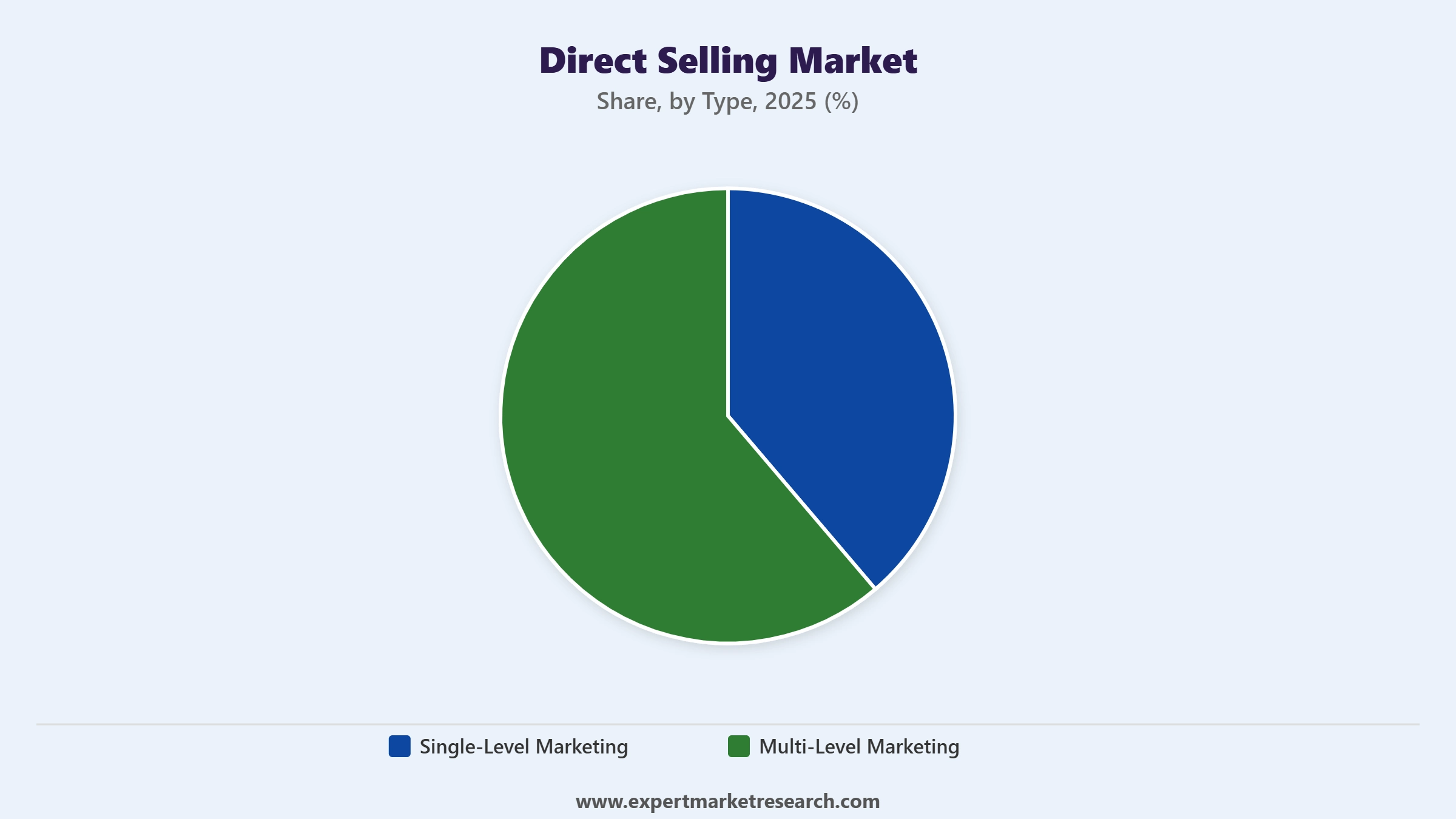
Market Breakup by Type
Key Insight: The direct selling market observes a balance in terms of development, since firms adopt different distribution strategies considering changing customer needs. Multi-level marketing remains dominant because of the already formed network of distributors, leadership development, customer interactions, and scalable income. However, single-level marketing is gaining more popularity due to transparency in payments, compliance, and easier sales in the digital environment. Mobile commerce, analysis of customers, personalization of goods, and virtual training are useful for both types of marketing techniques. Firms are choosing their distribution structure depending on their product category, jurisdiction, distributors' needs, and strategic goals of growth.
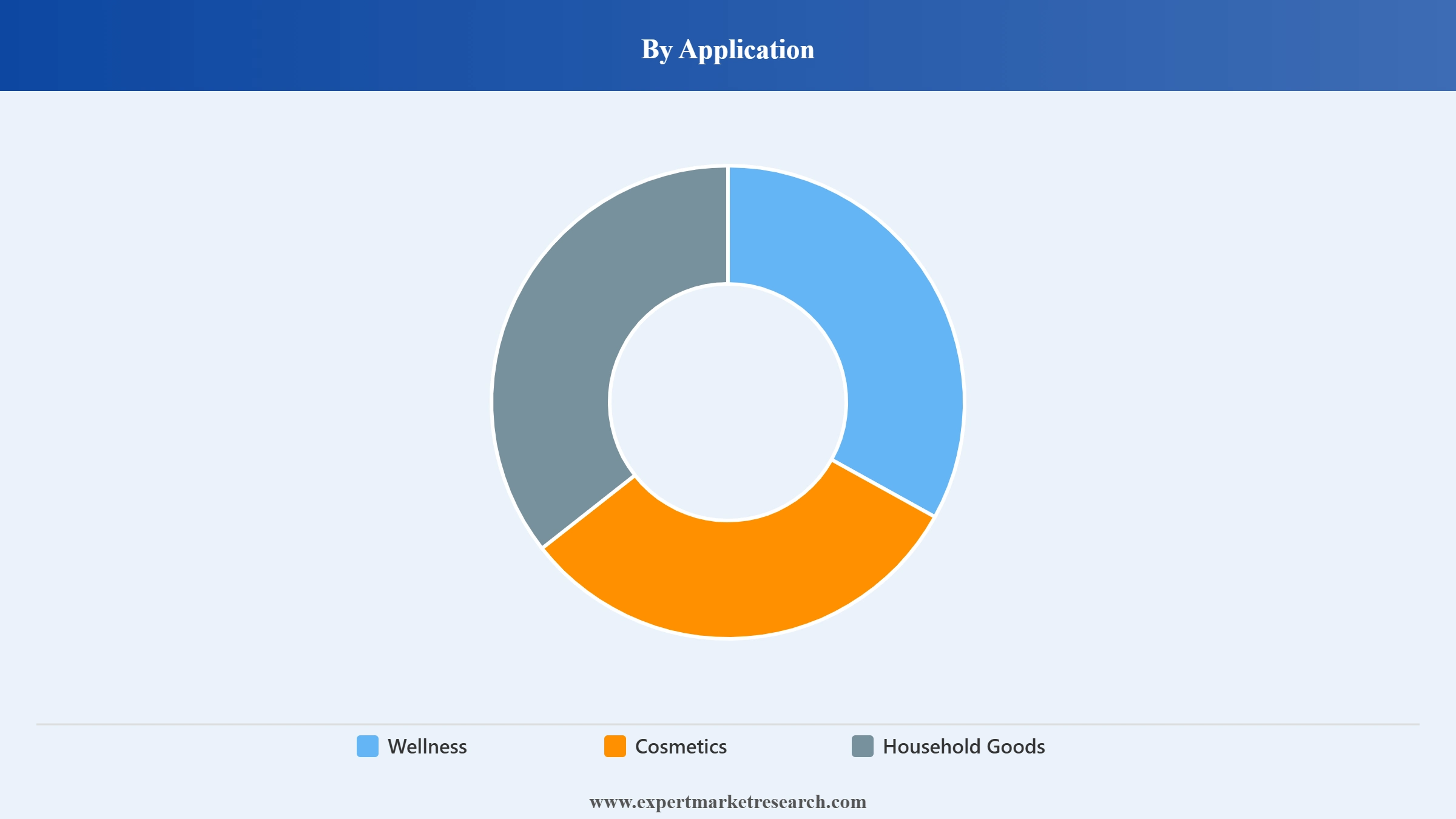
Market Breakup by Application
Key Insight: Diversity in applications keeps growing within the sector by enabling firms to cater to different customer needs with varied product offerings. The wellness application continues to be dominant across the direct selling market scope due to repetitive consumption trends, preventive health care consciousness, and customized nutritional solutions. The cosmetic application sector continues growing at a fast pace owing to digital marketing, beauty technologies, and innovative high-end products. Household goods continue receiving steady demand owing to their value-based and practical nature as well as regular replacement requirements. Other applications include lifestyle, fashion, education, and special products.
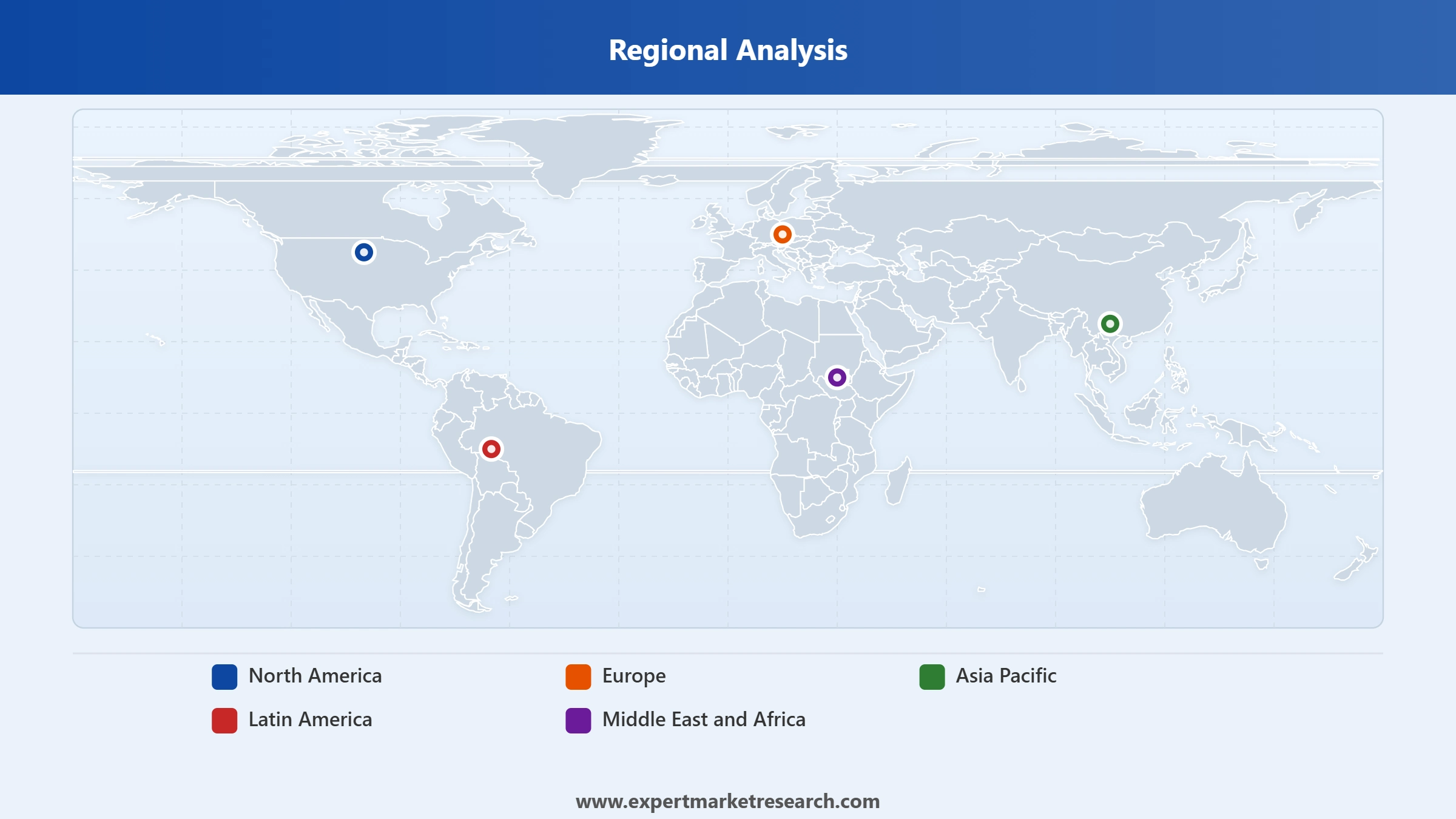
Market Breakup by Region
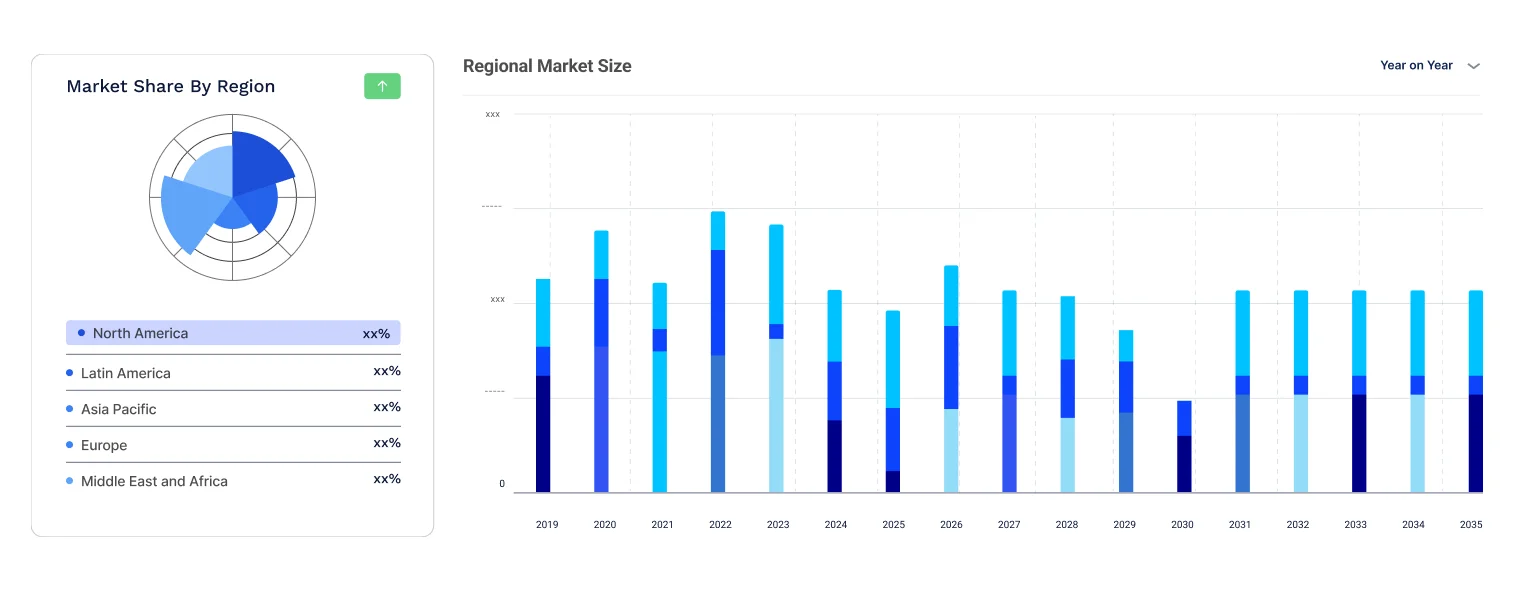
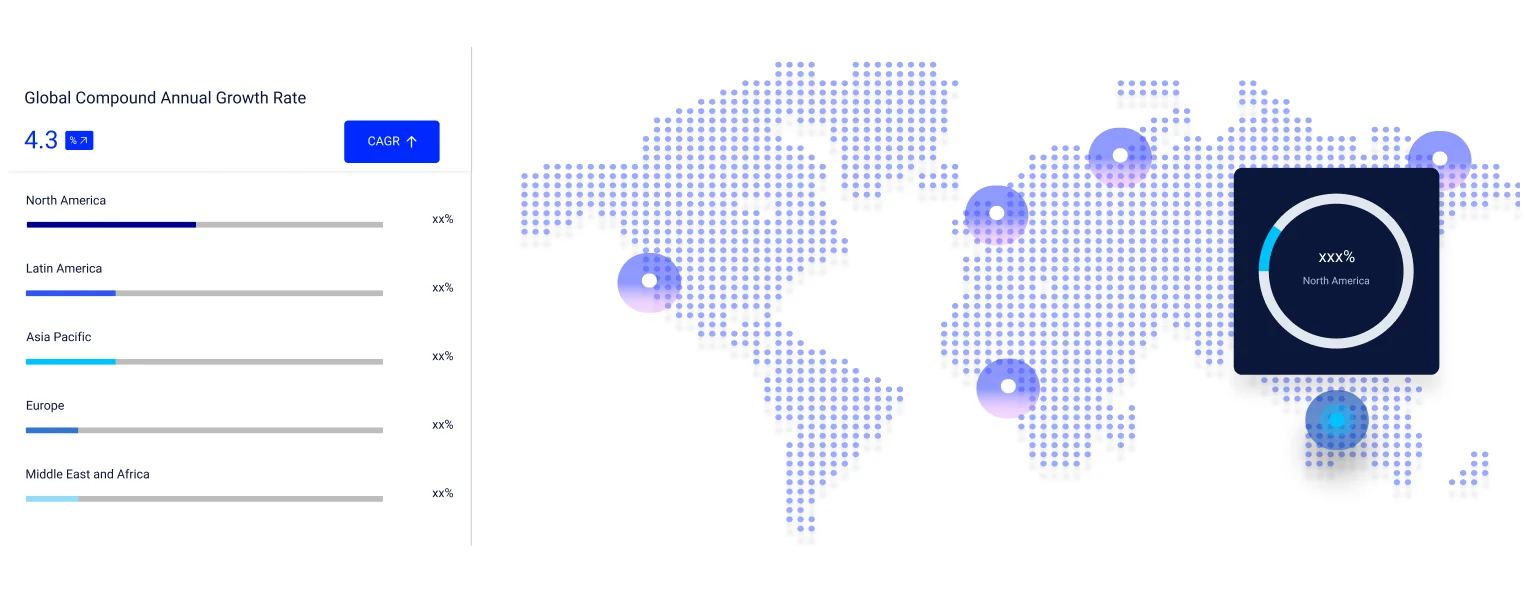
Key Insight: Performance by region is influenced by variations in consumer behavior, digital readiness, and business structure. The North America direct selling market excels on account of existing direct-selling networks, high demands for quality products, and modern distributorship systems. Europe focuses on regulatory compliance, sustainability, and high-quality consumer products that enhance brand credibility. Asia Pacific witnesses the most rapid growth due to the high pace of digitalization, entrepreneurial development, and increased consumer purchasing power. Latin America gains from income flexibility and wellness demand, while Middle East and Africa exhibit growth prospects because of increased digital connectivity, young populations, and premium consumer products demands.
Read more about this report - REQUEST FREE SAMPLE COPY IN PDF
The multi-level marketing makes up the largest segment that is boosting the direct selling market revenue growth owing to the ability of organizations to upscale customer acquisition while enhancing the networks of distributors with relatively lesser operational cost. Companies enjoy the benefits of having structured pay programs, bonuses for the leaders, repeat purchasing of products, and maintaining good relationships with customers. Some of the largest players within the industry keep perfecting their methods of digital training, automated sales process, and assistance of the distributors, thus increasing the efficiency of their participants. In July 2026, Mary Kay launched Special-Edition Blush Sticks supporting Pink Changing Lives, combining beauty purchases with global social impact initiatives.
Read more about this report - REQUEST FREE SAMPLE COPY IN PDF
The single level marketing category is experiencing the greatest rates of growth in the direct selling market due to the efforts of organizations promoting simple compensation schemes appealing to entrepreneurs and digital marketers. The scheme does not involve recruiting new distributors and focuses solely on product sales, reducing regulatory complexity while fostering greater consumer trust. It helps the representatives to effectively reach out to the larger audience using social commerce platforms, influencers, and AI-driven customer engagement services.
Wellness is the key direct selling application area owing to the growing focus of consumers on preventive healthcare, customized nutrition, dietary supplements, and wellness applications. Direct selling market players can capitalize on repeat purchase behavior, subscription-based models, and effective customer education that ensures active distributor participation. Investment into clinically proven formulations, clear information about the ingredients and personalized wellness solutions allows for increased customer retention. The above-listed factors make it possible to gain higher customer lifetime value as well as provide for sustainable distributor revenue model and premium product range expansion. In June 2025, Oriflame expanded its Personalised Wellness Pack across Europe, delivering AI-driven supplement recommendations through subscription-based personalized nutrition services.
Read more about this report - REQUEST FREE SAMPLE COPY IN PDF
The cosmetics segment is set to become the fastest-growing direct selling application as a result of rising interest in personalized skin care, premium cosmetics, and digital consultations. Organizations use livestream selling, virtual demonstrations, and AI-based skin analysis tools to increase customer engagement and sales, accelerating the direct selling market expansion. The use of sustainable ingredients and scientifically proven formulations adds to the premium nature of products. The rise in the influence of social media influencers and digital communities allows for expanding customer base and increasing brand visibility through innovative selling approach. In May 2026, Atmosphera launched a hybrid direct sales model, combining affiliate commerce, community selling, inventory-free participation, and sustainability-driven business growth.
North America secures the largest market share through mature distributor ecosystems and digital innovation
The North American region is dominating the global direct selling market as a result of the existence of globally acknowledged direct selling firms and a well-established regulatory and digitized business environment for e-commerce. Businesses are increasingly deploying AI-based distributor management, subscription-based products, and omnichannel engagements to enhance efficiencies. Large expenditures by customers on wellness, nutrition, and beauty products are providing an edge for distributors in the market. Digital payment methods and an advanced logistics network facilitate companies to offer consistent consumer experiences and expand commercial relationships. In July 2026, Sandvik acquired Mastercam India and CCCS assets, expanding direct digital manufacturing software distribution across India and the United States.
Asia Pacific region is currently representing the fastest growing regional market because of widespread smartphone ownership, growth in the middle-class population, and the growth in digital entrepreneurship environment, which is conducive for direct selling firms. Firms are increasingly offering localized products, enhancing their regional production capacities, and utilizing social commerce platforms for better customer acquisitions. Government programs aimed at developing digital economy and small business entities are helping to expand market size. Consumer interests in wellness, nutrition, and beauty products amongst young customers present more opportunities in the direct selling market.
Read more about this report - REQUEST FREE SAMPLE COPY IN PDF
The market is growing more competitive as direct selling companies focus on AI-driven distributor engagement, innovation, and e-commerce rather than traditional network building. Companies are focusing on developing mobile businesses, integrating social commerce, automating their training programs, and adopting subscription purchase programs to enhance the efficiency of distributors and retain customers. Companies are bolstering their scientific validation efforts, use of sustainable packaging, and localized production to create differentiation within premium product lines.
Collaboration with technology providers, ingredient providers, fintech providers, and logistics providers is enabling direct selling market players to tap new business opportunities and increase efficiencies in operations. The development of local digital channels and compliance-based business models continues to be a critical area for expansion into emerging markets. Companies that are able to integrate technology, credible products, and support distributors are expected to build sustainable relationships and achieve sustainable growth over the forecast period.
Founded in 1959 and operating from headquarters based in Ada, Michigan, United States, Amway has continued to be one of the largest direct sellers globally. Amway mainly deals with nutrition, beauty, and home care products while making significant investments in AI-enabled distributor systems, regenerative agriculture, personalized wellness solutions, and digital commerce. Innovation in customer interaction and sustainable sourcing enhances distributor efficiency and brand loyalty internationally.
Founded in 1980 and operating from headquarters in Los Angeles, California, United States, Herbalife deals with nutrition, weight management, and wellness products using its vast sales network. The company continually develops its distributor engagement system using AI technology and personalized nutrition advice using digital health systems while expanding scientific research in new product development.
Founded in 1969 and headquartered in São Paulo, Brazil, Natura & Co supports the direct selling industry with high-end beauty, wellness, and personal care products with an emphasis on ethics and environmental responsibility. The firm promotes refillable containers, biodiversity-derived ingredients, and digital selling solutions while reinforcing its omnichannel business model with personalized shopping experiences between independent consultants and clients.
Founded in 1883 and headquartered in Wuppertal, Germany, Vorwerk leverages its business through high-end household appliances and home care solutions via direct selling. This firm makes use of connected devices, digital cooking ecosystems, and customer demonstrations to enhance customer engagement. Ongoing innovations in terms of products and advisors' digital support allow it to continue growing internationally.
Other key players in the market include Tupperware Brands Corporation, Oriflame Holding AG, and Mary Kay Inc., among others.
*Please note that this is only a partial list; the complete list of key players is available in the full report. Additionally, the list of key players can be customized to better suit your needs.*
Unlock the latest insights with our direct selling market trends 2026 report. Discover regional growth patterns, consumer preferences, and key industry players. Stay ahead of competition with trusted data and expert analysis. Download your free sample report today and drive informed decisions in the market.


Upto 15% Off
USD
$2499 $2249
$3999 $3599
$4999 $4249
$5999 $5099


*While we strive to always give you current and accurate information, the numbers depicted on the website are indicative and may differ from the actual numbers in the main report. At Expert Market Research, we aim to bring you the latest insights and trends in the market. Using our analyses and forecasts, stakeholders can understand the market dynamics, navigate challenges, and capitalize on opportunities to make data-driven strategic decisions.*
At 2025, the market reached an approximate value of USD 178.17 Billion.
The market is projected to grow at a CAGR of 1.70% between 2026 and 2035.
The market is estimated to witness a healthy growth in the forecast period of 2026-2035 to reach USD 210.88 Billion by 2035.
The major drivers include rising incomes, a heightened awareness of health and beauty concerns, and the expanding middle-class population.
The key trends include the surging demand for customised purchasing experience, rising awareness of health and well-being, and rising internet penetration.
The different types of direct selling include single-level marketing and multi-level marketing.
Major applications of direct selling include wellness, cosmetics, and household goods, among others.
The key players include Amway Corp., Herbalife Nutrition Ltd., Natura & Co., Vorwerk SE & Co. KG, Tupperware Brands Corporation, Oriflame Holding AG, Mary Kay Inc., and Others.
Explore our key highlights of the report and gain a concise overview of key findings, trends, and actionable insights that will empower your strategic decisions.
| REPORT FEATURES | DETAILS |
| Base Year | 2025 |
| Historical Period | 2019-2025 |
| Forecast Period | 2026-2035 |
| Scope of the Report |
Historical and Forecast Trends, Industry Drivers and Constraints, Historical and Forecast Market Analysis by Segment:
|
| Breakup by Type |
|
| Breakup by Application |
|
| Breakup by Region |
|
| Market Dynamics |
|
| Competitive Landscape |
|
| Companies Covered |
|
Datasheet
One User
USD 2,499
USD 2,249
tax inclusive*
Single User License
One User
USD 3,999
USD 3,599
tax inclusive*
Five User License
Five User
USD 4,999
USD 4,249
tax inclusive*
Corporate License
Unlimited Users
USD 5,999
USD 5,099
tax inclusive*
*Please note that the prices mentioned below are starting prices for each bundle type. Kindly contact our team for further details.*
Flash Bundle
Small Business Bundle
Growth Bundle
Enterprise Bundle
*Please note that the prices mentioned below are starting prices for each bundle type. Kindly contact our team for further details.*
Flash Bundle
Number of Reports: 3
20%
tax inclusive*
Small Business Bundle
Number of Reports: 5
25%
tax inclusive*
Growth Bundle
Number of Reports: 8
30%
tax inclusive*
Enterprise Bundle
Number of Reports: 10
35%
tax inclusive*
How To Order

Select License Type
Choose the right license for your needs and access rights.

Click on ‘Buy Now’
Add the report to your cart with one click and proceed to register.

Select Mode of Payment
Choose a payment option for a secure checkout. You will be redirected accordingly.
Strategic Solutions for Informed Decision-Making
Gain insights to stay ahead and seize opportunities.

Get insights & trends for a competitive edge.

Track prices with detailed trend reports.

Analyse trade data for supply chain insights.

Leverage cost reports for smart savings

Enhance supply chain with partnerships.

Connect For More Information
Our expert team of analysts will offer full support and resolve any queries regarding the report, before and after the purchase.
Our expert team of analysts will offer full support and resolve any queries regarding the report, before and after the purchase.
We employ meticulous research methods, blending advanced analytics and expert insights to deliver accurate, actionable industry intelligence, staying ahead of competitors.
Our skilled analysts offer unparalleled competitive advantage with detailed insights on current and emerging markets, ensuring your strategic edge.
We offer an in-depth yet simplified presentation of industry insights and analysis to meet your specific requirements effectively.




