

Consumer Insights
Uncover trends and behaviors shaping consumer choices today
Procurement Insights
Optimize your sourcing strategy with key market data
Industry Stats
Stay ahead with the latest trends and market analysis.
The stomach cancer market was valued at USD 4.35 Billion in 2025 and is expected to grow at a CAGR of 9.20%, reaching USD 10.49 Billion by 2035. The market growth is driven by rising stomach cancer prevalence, expanding screening efforts, and increasing adoption of advanced targeted therapies supported by recent FDA approvals.
In October 2024, FDA approval of Zolbetuximab-clzb with chemotherapy boosted confidence in targeted treatments and advanced adoption trends shaping progress within the market for patients.
In February 2025, GSK’s acquisition of IDRx strengthened its oncology pipeline and emphasized a growing focus on precision therapies, supporting rapid innovation within the expanding market.
In January 2025, NCC’s ARCAD-Gastric trial database initiative unified global patient data, improving research accuracy and accelerating development of stronger treatment pathways within the market.
Compound Annual Growth Rate
9.2%
Value in USD Billion
2026-2035
The market continues to experience steady growth, driven by rising disease prevalence, improved diagnostic capabilities, and a broader range of treatment options. Growing adoption of targeted therapies, supportive FDA approvals, and strengthened global research collaborations are reshaping the treatment landscape. Ongoing clinical trials, strategic acquisitions, and increased investment in oncology further accelerate market progress. With hospital pharmacies leading distribution and the United States maintaining a strong position, the market is moving toward more personalized, effective, and accessible treatment solutions in the forecast period.
Rising Disease Prevalence Propelling the Market Value
Growing concern around disease prevalence is accelerating the market, emerging as a major force shaping future demand for advanced care solutions. For instance, in August 2025, the American Cancer Society reported that the United States may see about 30,300 new stomach cancer cases, including 17,720 men and 12,580 women. This steady increase shows how more individuals are now requiring timely checkups and better access to reliable diagnostic support. The expanding patient base further emphasizes the need for earlier detection and improved treatment planning. As awareness rises and more people seek timely medical help, the gastric cancer treatment market continues to gain momentum, driven by expanding screening initiatives and evolving therapeutic expectations.
Increasing FDA Approvals to Meet Rising Stomach Cancer Market Demand
Growing regulatory momentum is bolstering the market, creating fresh opportunities for advanced and targeted treatment options. In October 2024, the U.S. Food & Drug Administration approved Zolbetuximab-clzb in combination with chemotherapy for adults with advanced, HER2-negative gastric or gastroesophageal junction adenocarcinoma expressing CLDN18.2. This milestone reflects how stronger clinical validation is encouraging broader adoption of innovative therapies. The development also signals rising confidence in next-generation treatments, prompting healthcare providers to refine patient-care strategies. With access to this therapy expanding, the gastric cancer treatment market continues to strengthen, supported by evolving clinical needs and higher patient expectations.
The market is witnessing several emerging trends, including strategic acquisitions, large-scale global collaborations, and advanced clinical trial initiatives supporting faster innovation in stomach cancer treatment.
Strategic Acquisitions Accelerating the Stomach Cancer Market Expansion
A rising wave of strategic consolidation is accelerating progress across the industry. For instance, in February 2025, GSK completed its acquisition of IDRx, Inc., a biotech developing precision therapies for gastrointestinal cancers, marking a major step in strengthening its oncology pipeline. This move also shows how global pharmaceutical leaders are actively securing promising assets earlier in the development cycle. Such acquisition-driven expansion reflects a broader trend where companies invest in next-generation oncology innovations to stay competitive. Growing interest in targeted therapies continues to shape the market, ultimately boosting innovation and future treatment possibilities.
Rising Global Collaborations to Propel the Stomach Cancer Market Growth
A growing shift toward large-scale collaborations is redefining the way companies advance oncology innovation. For instance, in October 2025, the Takeda Pharmaceutical Company announced a strategic partnership with Innovent Biologics worth up to USD 11.4 billion, aimed at developing next-generation therapies for solid tumours. This collaboration reflects the rising push among leading players to pool scientific strengths and accelerate breakthrough development. The move also signals increasing industry confidence in biologics-driven solutions. As such partnerships expand, the market continues to evolve with stronger pipelines and faster innovation cycles.
Advancing Clinical Trials to Boost the Stomach Cancer Market Value
Growing focus on stronger research frameworks is transforming the way new therapies move toward approval. For example, in January 2025, the National Cancer Center Japan (NCC) launched the “ARCAD-Gastric” global clinical trial database project to unify patient data from the U.S., Europe, and Asia. This initiative marks a major shift toward strengthening evidence-based development in gastric cancer. By building a central platform for diverse clinical insights, researchers can design more accurate studies and identify effective treatment pathways. The effort supports rising global interest in advancing therapies within the market, ultimately accelerating progress and improving future care outcomes.
Hospital Pharmacies Expected to Lead the Market Share by Distribution Channel
Hospital pharmacies are expected to lead the segment because most stomach cancer therapies, especially advanced and injectable treatments, are delivered within supervised clinical settings. Their ability to manage high-risk medications with precision and ensure proper handling greatly improves patient safety. This structured environment also supports faster treatment decisions, helping patients begin therapy without delays. As the demand for specialized and targeted options increases, hospital-based dispensing continues to strengthen growth within the gastric cancer treatment market. The other segments in this category include specialty, retail pharmacies, and many more.
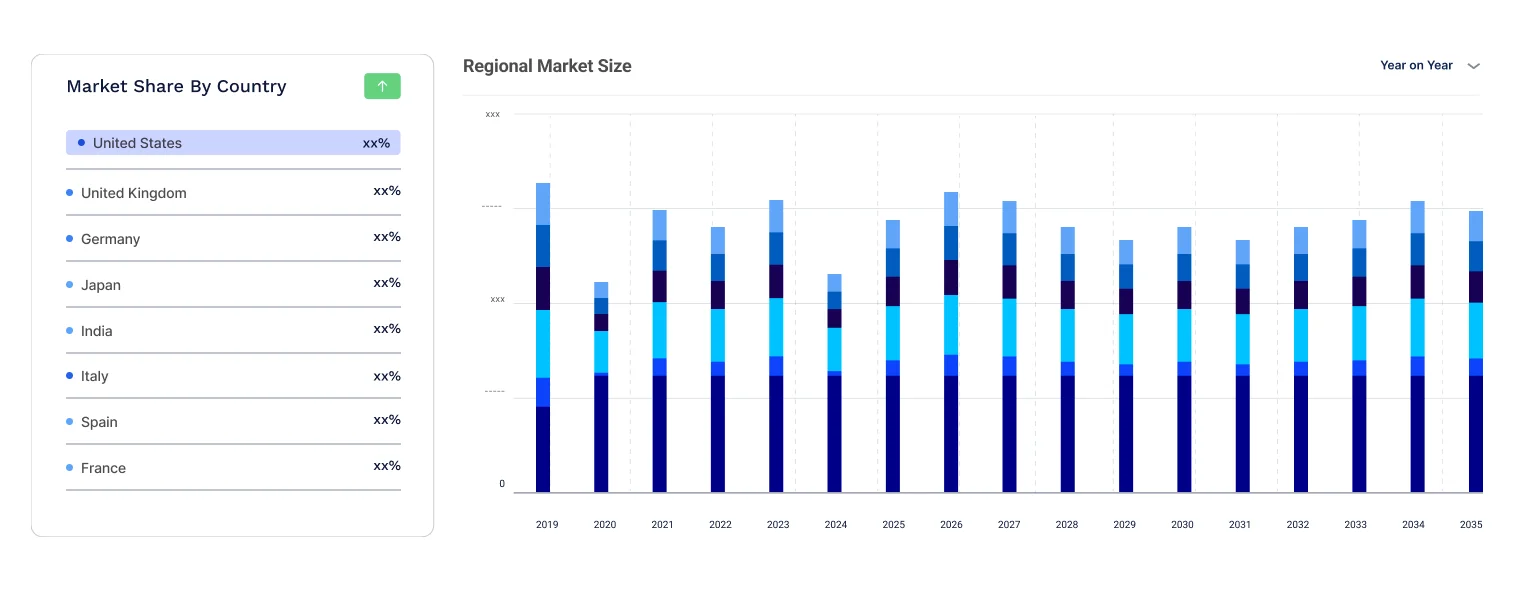
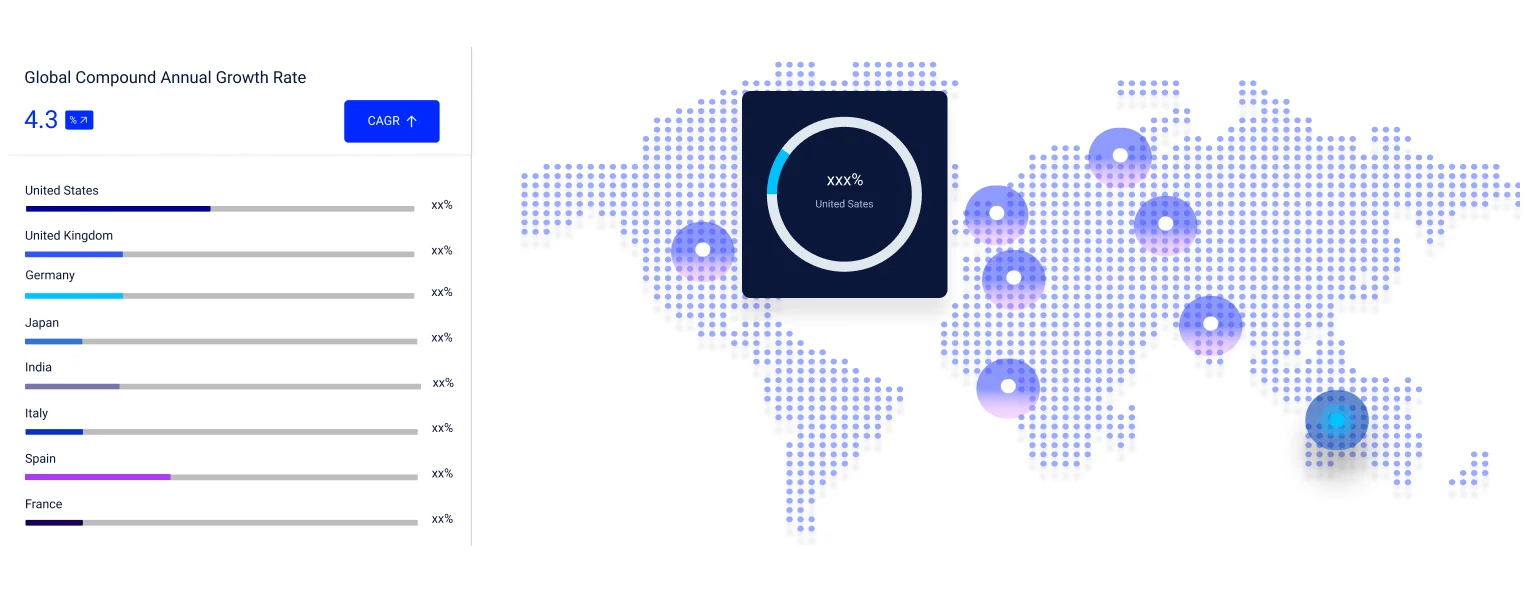
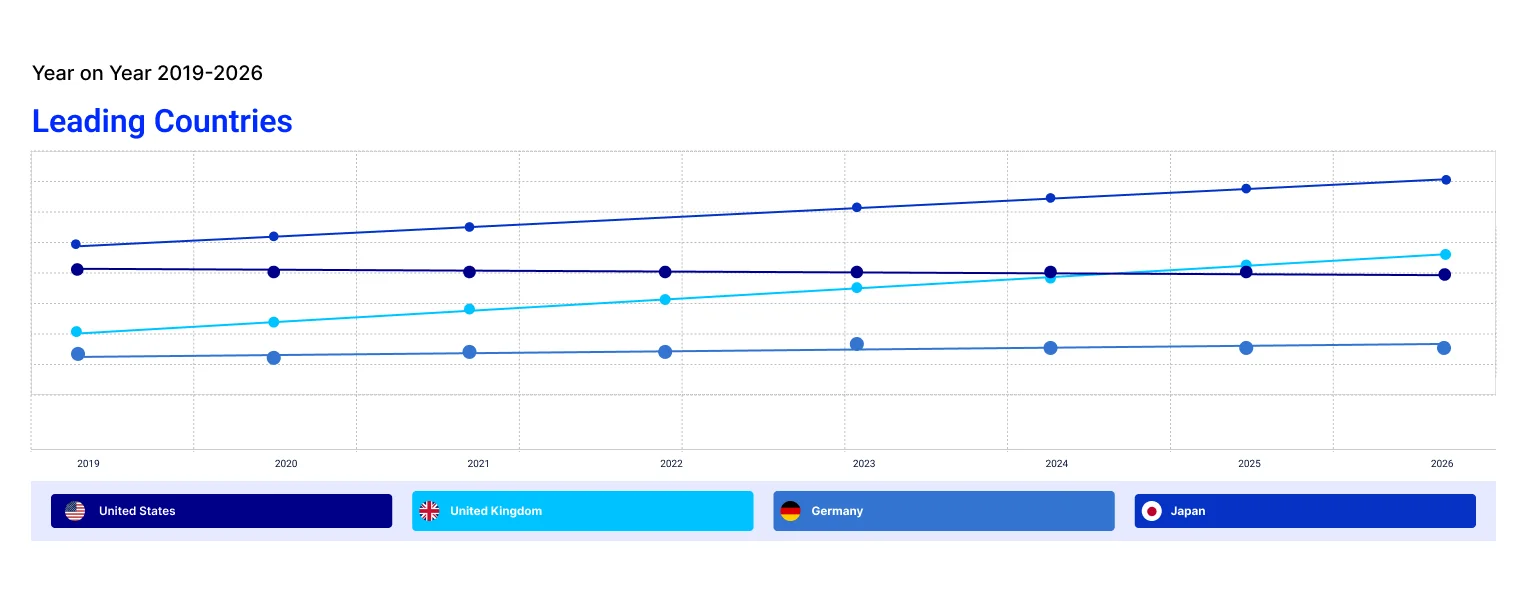
The United States is expected to lead the market, mainly because it demonstrates strong healthcare capabilities, faster adoption of new therapies, and steady investment in cancer research. Growing collaborations between healthcare providers and drug developers are further strengthening the country's position in advancing treatment options. This leadership is also reinforced by its focus on improving treatment accessibility and enhancing patient outcomes through modern technologies. Its continued commitment to developing targeted and immunotherapy solutions has helped accelerate progress in stomach cancer care. Japan is anticipated to hold the second position due to its high disease burden and strong commitment to clinical research and early diagnostic programs.
The key features of the market report comprise clinical trials and pipeline analysis, patent analysis, funding and investment analysis, and strategic initiatives by the leading players. The major companies in the market are as follows:
Founded in 1876 and headquartered in Indianapolis, Indiana, Eli Lilly and Company has a long history of shaping modern pharmaceuticals. The company continues to expand its oncology capabilities through sustained research and strong clinical partnerships. Lilly’s growing focus on targeted and immunotherapy-based solutions is helping strengthen treatment outcomes for stomach cancer patients. Its ongoing investments are also supporting broader innovation within the market, improving access to more effective therapeutic options.
Founded in 1896 and headquartered in Basel, Switzerland, F. Hoffmann-La Roche is recognized for its leadership in diagnostics and oncology. The company has consistently advanced cancer care by integrating precision testing with breakthrough therapies. Roche’s strong diagnostic expertise supports earlier identification of stomach cancer, enabling patients to receive timely and more personalized treatment. Its continued commitment to research further enhances progress within the market, strengthening global care standards.
Founded in 1849 in Brooklyn, New York, and now headquartered in New York City, Pfizer Inc. stands among the world’s leading biopharmaceutical innovators. The company continues to invest heavily in oncology pipelines with a strong emphasis on immunotherapy and next-generation treatments. Pfizer’s expanding research collaborations and global infrastructure enable faster delivery of advanced options to stomach cancer patients. Its ongoing advancements contribute significantly to the market, supporting growth and improved patient access.
Formed in 1996 through the merger of Ciba-Geigy and Sandoz, and headquartered in Basel, Switzerland, Novartis AG is known for its strong scientific capabilities in innovative medicines. The company continues to advance targeted therapies that address complex oncology needs, including those related to stomach cancer. Novartis’ focus on precision medicine and robust clinical development helps improve treatment pathways and patient outcomes. Its sustained R&D efforts play a key role in shaping the gastric cancer treatment market, expanding therapeutic possibilities worldwide.
*Please note that this is only a partial list; the complete list of key players is available in the full report. Additionally, the list of key players can be customized to better suit your needs.*
Other key players in the market include Merck & Co. Inc., Biocon Inc, and Samsung Bioepis.
The market report offers a detailed analysis of the market based on the following segments:
Market Breakup by Disease Types
Market Breakup by Treatment Type
Market Breakup by Drug Class
Market Breakup by Route of Administration
Market Breakup by Distribution Channel
Market Breakup by Country


Upto 15% Off
USD
$3299 $2969
$5499 $4949
$6999 $5949
$8199 $6969


*While we strive to always give you current and accurate information, the numbers depicted on the website are indicative and may differ from the actual numbers in the main report. At Expert Market Research, we aim to bring you the latest insights and trends in the market. Using our analyses and forecasts, stakeholders can understand the market dynamics, navigate challenges, and capitalize on opportunities to make data-driven strategic decisions.*
Explore our key highlights of the report and gain a concise overview of key findings, trends, and actionable insights that will empower your strategic decisions.
| REPORT FEATURES | DETAILS |
| Base Year | 2025 |
| Historical Period | 2019-2025 |
| Forecast Period | 2026-2035 |
| Scope of the Report |
Historical and Forecast Trends, Industry Drivers and Constraints, Historical and Forecast Market Analysis by Segment:
|
| Breakup by Disease Types |
|
| Breakup by Treatment Type |
|
| Breakup by Drug Class |
|
| Breakup by Route of Administration |
|
| Breakup by Distribution Channel |
|
| Breakup by Region |
|
| Market Dynamics |
|
| Supplier Landscape |
|
| Companies Covered |
|
Datasheet
One User
USD 3,299
USD 2,969
tax inclusive*
Single User License
One User
USD 5,499
USD 4,949
tax inclusive*
Five User License
Five User
USD 6,999
USD 5,949
tax inclusive*
Corporate License
Unlimited Users
USD 8,199
USD 6,969
tax inclusive*
*Please note that the prices mentioned below are starting prices for each bundle type. Kindly contact our team for further details.*
Flash Bundle
Small Business Bundle
Growth Bundle
Enterprise Bundle
*Please note that the prices mentioned below are starting prices for each bundle type. Kindly contact our team for further details.*
Flash Bundle
Number of Reports: 3
20%
tax inclusive*
Small Business Bundle
Number of Reports: 5
25%
tax inclusive*
Growth Bundle
Number of Reports: 8
30%
tax inclusive*
Enterprise Bundle
Number of Reports: 10
35%
tax inclusive*
How To Order

Select License Type
Choose the right license for your needs and access rights.

Click on ‘Buy Now’
Add the report to your cart with one click and proceed to register.

Select Mode of Payment
Choose a payment option for a secure checkout. You will be redirected accordingly.
Strategic Solutions for Informed Decision-Making
Gain insights to stay ahead and seize opportunities.

Get insights & trends for a competitive edge.

Track prices with detailed trend reports.

Analyse trade data for supply chain insights.

Leverage cost reports for smart savings

Enhance supply chain with partnerships.

Connect For More Information
Our expert team of analysts will offer full support and resolve any queries regarding the report, before and after the purchase.
Our expert team of analysts will offer full support and resolve any queries regarding the report, before and after the purchase.
We employ meticulous research methods, blending advanced analytics and expert insights to deliver accurate, actionable industry intelligence, staying ahead of competitors.
Our skilled analysts offer unparalleled competitive advantage with detailed insights on current and emerging markets, ensuring your strategic edge.
We offer an in-depth yet simplified presentation of industry insights and analysis to meet your specific requirements effectively.




