

Consumer Insights
Uncover trends and behaviors shaping consumer choices today
Procurement Insights
Optimize your sourcing strategy with key market data
Industry Stats
Stay ahead with the latest trends and market analysis.
The global super absorbent polymer (SAP) market attained a volume of 3.43 MMT in 2025 and is projected to expand at a CAGR of 5.30% through 2035. The market is further expected to achieve a volume of 5.75 MMT by 2035. Growing demand for hyper-efficient absorbent cores in adult care and medical applications, driven by aging populations and performance-centric product standards, is steadily accelerating the demand for advanced SAP grades.
Growth in the market is accelerated by factors like material optimization, biodegradability, and advanced fluid-management technologies. These trends are shaping how manufacturers differentiate. In February 2025, BASF introduced its next-generation HySorb biodegradable SAP prototype designed for hygiene applications, addressing the rising pressure from regulators and brand owners to reduce plastic waste. Plastic packaging and small plastic items comprise nearly 80% of plastic waste and are a common sight on European beaches, according to the super absorbent polymer (SAP) market analysis, pushing global FMCG brands to seek greener absorbent cores. BASF’s development signals a broader move toward purpose-engineered SAPs that balance performance with sustainability.
Market players are shifting from commodity-grade SAPs to engineered and application-specific grades. Diaper and adult incontinence manufacturers are experimenting with ultra-thin cores that use SAP-rich composites to reduce fluff pulp, giving brands leaner transportation costs and more ergonomic product profiles. For example, in July 2025, Ontex introduced bio-based SAP in diapers to reduce carbon footprint, which reduces emissions by up to 25%. Producers in agriculture, on the other hand, are seeing stronger interest in crosslinked potassium-polyacrylate SAPs that support water-stressed crop regions. These super absorbent polymer (SAP) market trends highlight that innovation today is about how SAP behaves in a specific environment with mechanical stress, salt exposure, biodegradation, or fluid retention cycles.
Growing aged population globally is fueling the demand for adult incontinence products, substantially boosting the SAP market. By 2030, the total population aged over 60 will be 1.4 billion, generating persistent demand for absorbent products augmented with SAPs for better comfort and hygiene.
Asia-Pacific leads the super absorbent polymer (SAP) market, holding more than 50% of global demand in 2023. The region owes this dominance to fast-growing urbanization, the emergence of a middle class, and increased hygiene awareness in nations such as China and India. The growing population and increasing disposable incomes in the region drive tremendous growth in the consumption of SAP, thereby increasing the growth of the super absorbent polymer (SAP) market.
SAPs are being used more and more in agriculture for soil water retention and in medicine for wound care products. This expansion is driven by the polymers' high absorbency and retention capabilities, solving problems in water-short areas and improving medical product performance. Such diversification into diverse markets reflects the versatility and increasing significance of SAPs in industries.
Compound Annual Growth Rate
5.3%
Value in MMT
2026-2035
| Global Super Absorbent Polymer (SAP) Market Report Summary | Description | Value |
| Base Year | MMT | 2025 |
| Historical Period | MMT | 2019-2025 |
| Forecast Period | MMT | 2026-2035 |
| Market Size 2025 | MMT | 3.43 |
| Market Size 2035 | MMT | 5.75 |
| CAGR 2019-2025 | Percentage | XX% |
| CAGR 2026-2035 | Percentage | 5.30% |
| CAGR 2026-2035 - Market by Region | Latin America | 5.7% |
| CAGR 2026-2035 - Market by Country | India | 6.0% |
| CAGR 2026-2035 - Market by Country | Brazil | 5.9% |
| CAGR 2026-2035 - Market by Application | Disposable Baby Diapers | 5.8% |
| Market Share by Country 2025 | France | 3.6% |
Sumitomo Seika Chemicals Co. revealed the completion of a specialized pilot plant for super absorbent polymers at its Himeji Works (Himeji City, Hyogo Prefecture) in Japan. The pilot plant strengthens SAP innovation capacity, supporting advanced hygiene applications and specialty-grade development.
Planet Smart launched a scalable, patent-pending biodegradable super absorbent polymer (bioSAP) known as PlanetSorb. This bioSAP breaks down naturally in a few months, even in landfills, without producing toxic residues or microplastics. PlanetSorb accelerates bio-based SAP adoption, meeting rising demand for sustainable, landfill-safe absorbents.
BASF’s Petrochemicals sector finalized its enhancements for Superabsorbent Polymers (SAP) following a USD 19.2 million investment at its Freeport, Texas facility. This super absorbent polymer (SAP) market development upgrade boosts high-performance output, enhancing supply reliability for global hygiene manufacturers.
ZymoChem unveiled BAYSE, the first scalable, entirely bio-based, and biodegradable Super Absorbent Polymer (SAP). This launch introduces a fully bio-based SAP alternative, driving next-generation biodegradable hygiene material innovation.
Large hygiene brands and retailers are pressing suppliers for lower lifecycle footprints and renewable-feedstock options. Producers like BASF are responding with product lines claiming zero product carbon footprint (ZeroPCF) using biomass balance and renewable energy in production, signaling that sustainability is moving from lab pilots into commercial SAP portfolios. In July 2021, Nippon Shokubai Co., Ltd. obtained biomass certification for superabsorbent polymers produced by its subsidiary Nippon Shokubai Europe N.V. from ISCC, with the aim of achieving carbon neutrality by 2050. This trend in the super absorbent polymer (SAP) market is reshaping procurement specs as buyers now ask for PCF and ISCC certification as part of supplier selection, and that is giving certified manufacturers a premium advantage for long-term contracts and co-development of thinner, greener absorbent cores.
Brands are looking for SAPs that deliver high free swell and gel strength while minimizing rewet and migration under load. This is becoming crucial for ultra-thin baby diapers and premium adult incontinence pads. Suppliers are engineering crosslink density, particle size distributions, and surface treatments to balance instantaneous absorption with retention under pressure, accelerating further demand in the super absorbent polymer (SAP) market. For example, LuquaSorb represents a significant advancement in liquid management, with the capability to absorb and retain up to 500 times its own weight in liquid. This material-level tuning reduces fluff pulp needs and enables slimmer product designs, which in turn reduces transportation and packaging costs.
Demographic shifts are increasing demand for adult incontinence products globally. Health-care buyers prefer SAP grades optimized for long-term wear, odor control and skin safety, and are willing to pay premium amounts for validated performance. For example, in November 2023, Unicharm Corporation launched the “LIFREE Ultra Slim Comfort Pants,” incorporating Ultrasonic Bonding Technology in the waist region, facilitating easy lifting with little effort while ensuring a comfortable fit, influencing the entire super absorbent polymer (SAP) market trends and dynamics. Market analyses show adult diaper markets expanding rapidly, prompting SAP makers to prioritize endurance, softness and skin-friendly chemistries and to offer certified medical-grade lots and tighter QA for institutional purchasers.
Apart from hygiene, cross-linked potassium-based polyacrylate SAPs and biodegradable formulations are gaining traction in water-retention for arid agriculture, seed coatings, and soil conditioners. For instance, WELLDONE SAP is a Potassium-based, cross-linked polymer, with a particle size of 1 - 2 millimeters (1,000 - 4,000 microns). That makes it ideal for being placed in-furrow at the time of planting, or to be broadcast along with fertilizer prior to planting. Governments and development agencies funding climate-resilient agriculture pilots are often procuring SAP-enhanced substrates to demonstrate water-use efficiency, accelerating the super absorbent polymer (SAP) market scope.
Regulatory pressure, especially in the European Union, on single-use plastics and packaging waste is nudging hygiene brands to seek SAPs with documented end-of-life pathways or lower embodied carbon. The EU’s single-use plastics agenda and related directives are influencing tender specs and procurement scoring, prioritizing suppliers who can provide compliance documentation, circularity commitments or take-back programs. In November 2025, Planet Smart secured USD 1 million in pre-seed financing to introduce its initial product. The round was spearheaded by General Inception and Vertical Venture Partners, with extra backing from Innovate UK and the Undaunted Accelerator, signaling the company's official debut following two years of scientific growth.
-Market-by-Applications.png)
Read more about this report - REQUEST FREE SAMPLE COPY IN PDF
The EMR’s report titled “Global Super Absorbent Polymer (SAP) Market Report and Forecast 2026-2035” offers a detailed analysis of the market based on the following segments:
Market Breakup by Application
Key Insight: Baby diapers dominate the market owing to heavy focus on innovation and ongoing demand and adult incontinence is gaining ground because of demographic pressures. Feminine hygiene demands soft, low-dust SAPs with fast acquisition, while medical wound dressings require sterile, high-retention grades. Agricultural and industrial SAPs serve water-management and containment uses. Each application imposes specific formula and QA needs, hygiene buyers seek PCF/ISCC credentials and clinical compatibility, while agricultural buyers prioritize salt tolerance and cost-performance.
Market Breakup by Region
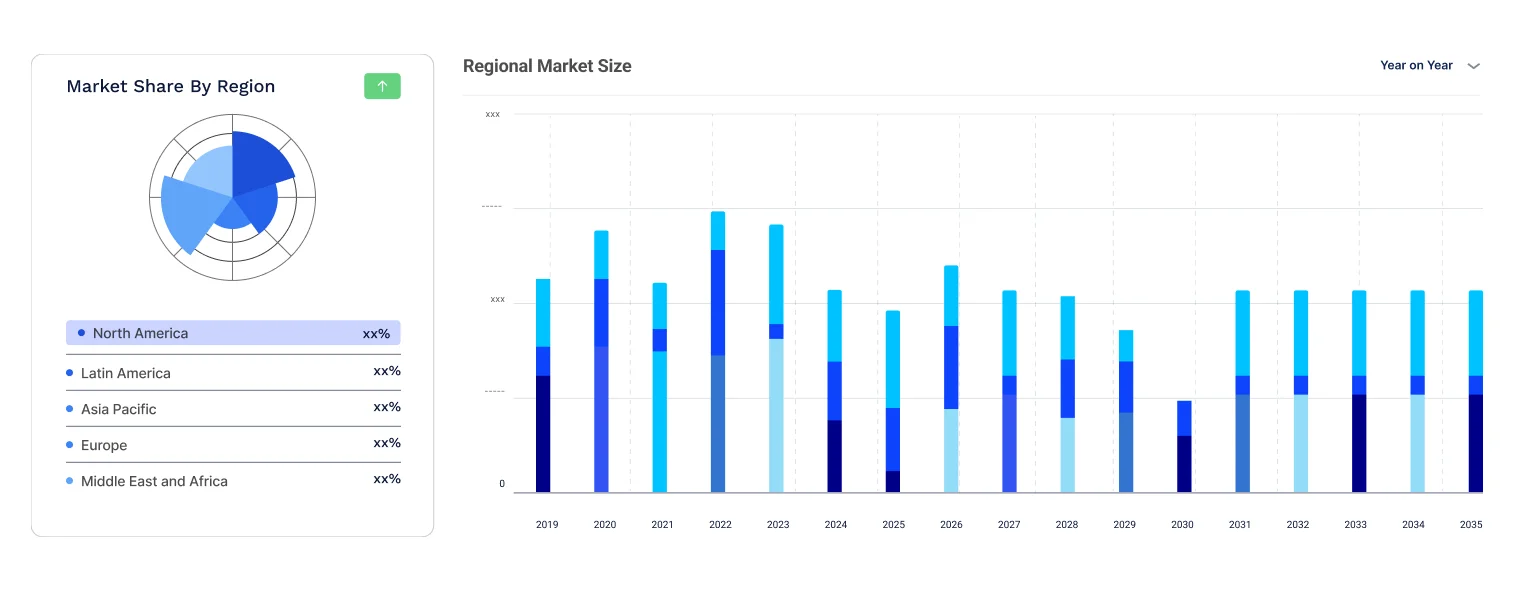
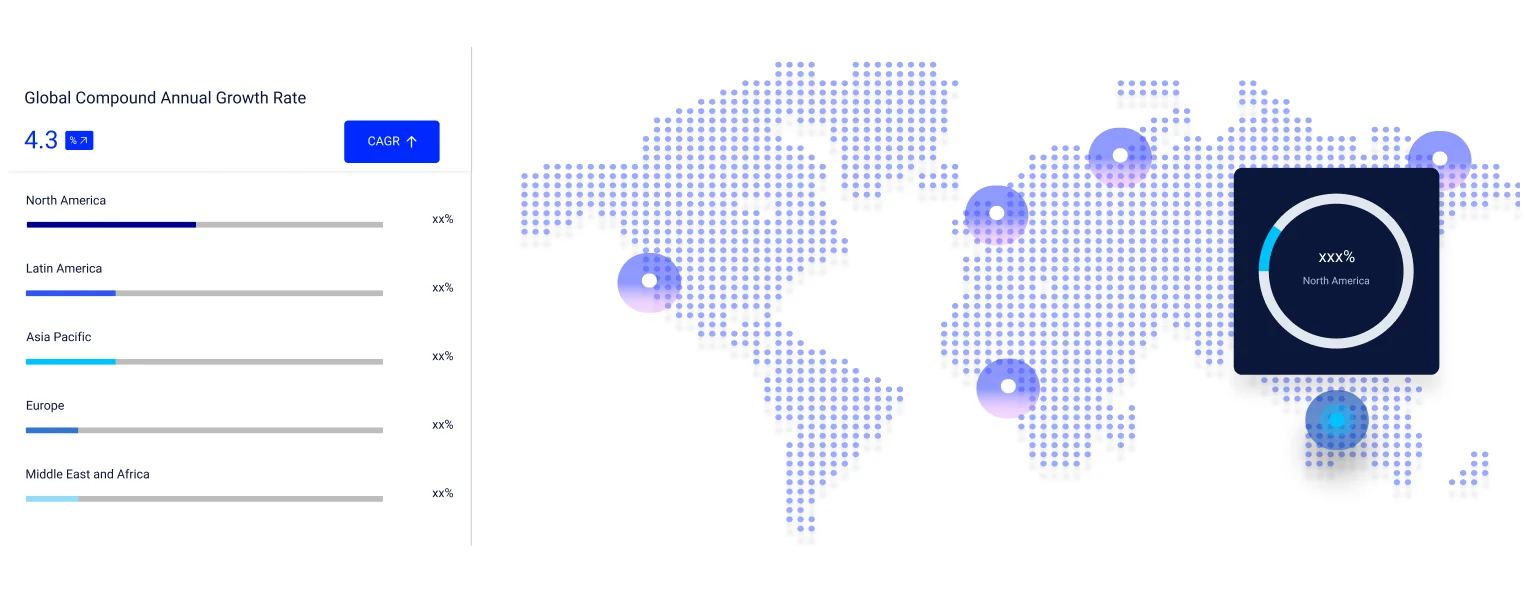
Key Insight: Regions covered in the super absorbent polymer (SAP) market report include Asia Pacific, Europe, North America, Latin America and Middle East & Africa. APAC leads in volume due to manufacturing scale and rising hygiene adoption. Europe is powered by a major interest in premium, low-carbon demand driven by regulation. North America is stable with strong medical and adult care procurement. Latin America and Middle East and Africa are emerging markets with mixed adoption, often driven by public health programs and agriculture use cases.
By application, disposable baby diapers dominate the market due to volume, thin-core innovation and stable demand
Baby diapers remain the largest SAP application because manufacturers require huge, consistent volumes and tight performance specs. OEMs demanding ultra-thin cores are using high-absorbency, high-gel-strength SAPs to reduce fluff pulp, enabling slimmer designs without compromising leakage protection. SAP suppliers and diaper producers are jointly optimizing particle size, surface treatments and gel blocking to ensure quick acquisition and low rewet under dynamic loads.
Adult incontinence is also experiencing fast growth in the super absorbent polymer (SAP) market share as an application due to aging populations in developed markets and increasing institutional procurement such as in hospitals and care homes. Buyers are prioritizing long-wear comfort, skin safety, odor control and high retention under prolonged load. This demands SAPs with exceptional retention and controlled rewet. In May 2023, Friends launched India’s first slim disposable absorbent underpant called Friends UltraThinz. Commercial purchasers value certified medical-grade lots, documented QA and stable supply for multi-site contracts, creating room for suppliers to offer service-level agreements and warranty-backed materials.
Asia Pacific, backed by manufacturing scale, hygiene demand and industrialization, clocks in the largest share of the market revenue
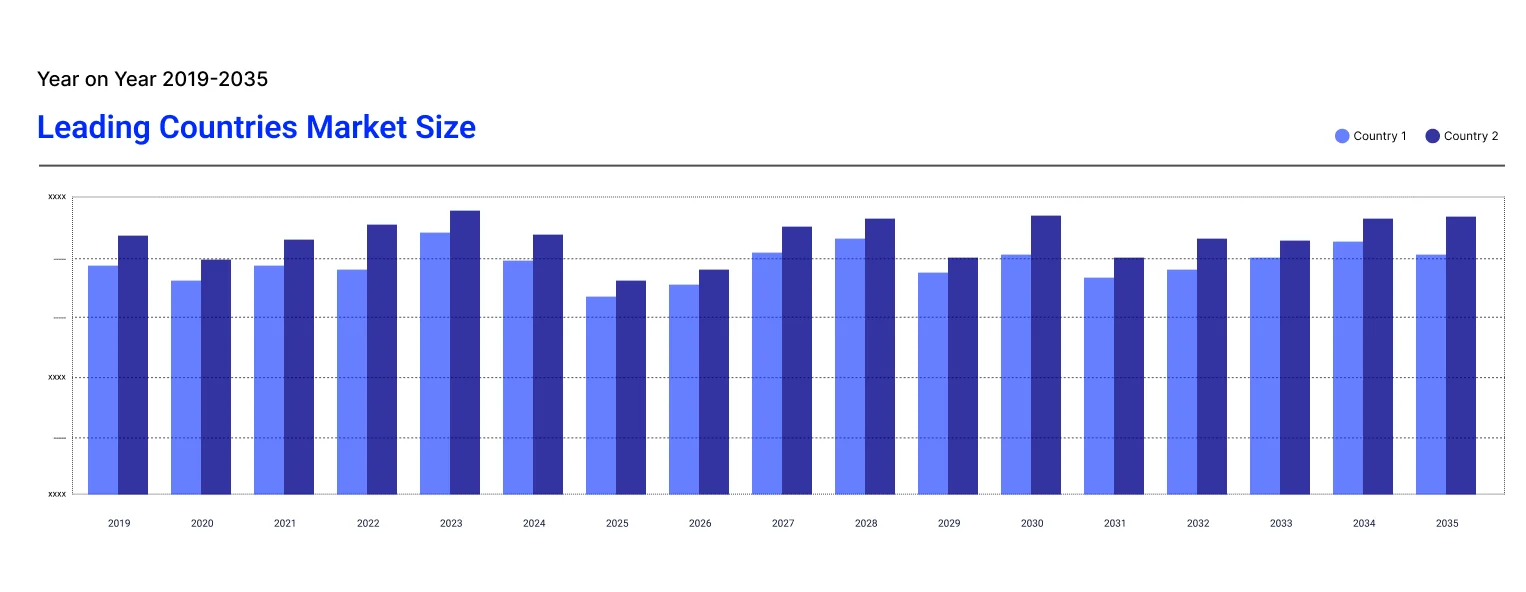
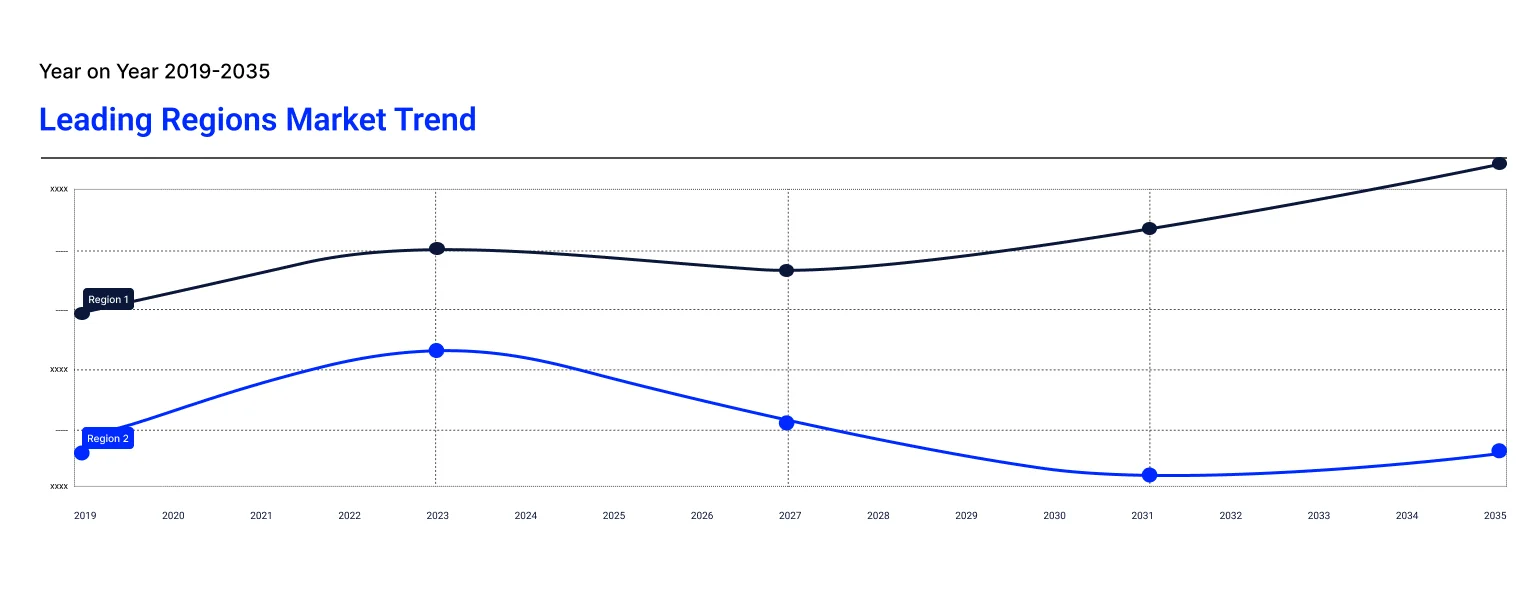
Asia Pacific dominates super absorbent polymer consumption and production because it hosts major hygiene manufacturers, large contract packers, and growing domestic demand for disposable hygiene products across urbanizing populations. The region’s manufacturing scale allows cost-competitive SAP production and quick co-development cycles with OEMs. Many suppliers are expanding regional capacity to be closer to customers.
The super absorbent polymer (SAP) market in Europe is boosted by sustainability-oriented demand as brands and regulators drive lower-impact materials into mainstream procurement. European OEMs are prioritizing low-carbon and bio-balanced SAPs, and suppliers are launching PCF-certified grades to meet that need. Regulatory frameworks including single-use plastics directives, circularity mandates and stricter waste-management rules are encouraging faster adoption of certified, lower-impact SAPs in hygiene products.
| CAGR 2026-2035 - Market by | Country |
| India | 6.0% |
| Brazil | 5.9% |
| China | 5.7% |
| Canada | 5.6% |
| UK | 5.2% |
| USA | XX% |
| Germany | 4.7% |
| France | XX% |
| Italy | XX% |
| Japan | XX% |
| Australia | XX% |
| Saudi Arabia | XX% |
| Mexico | XX% |
Key super absorbent polymer (SAP) market players are concentrating on bio-balanced chemistries, ultra-fast acquisition SAPs, and medical-grade purity that can support long-wear comfort. Partnerships with diaper OEMs, nursing-care institutions, and agriculture technology firms are enabling targeted co-development, where SAP grades are tuned for distinct fluid loads, skin-sensitivity requirements, and environmental conditions.
Other super absorbent polymer (SAP) companies are also investing in process electrification and renewable-powered polymerization to position themselves as low-carbon suppliers. Unique opportunities are emerging in agritech substrates, biodegradable SAP variants for controlled irrigation, and next-generation surface-modified particles that prevent gel-blocking in ultra-thin cores. As sustainability becomes a mandatory specification rather than an added feature, companies able to validate carbon footprints and provide certified traceability are gaining strategic leverage across global procurement cycles.
Founded in 1941 in Japan, Nippon Shokubai is a major manufacturer of super absorbent polymers branded as "Supal." These SAPs find application in hygiene applications such as diapers and feminine hygiene, providing high absorption and consistency. Nippon Shokubai specializes in green SAP innovation.
Established in 1865 and based in Germany, BASF supplies a variety of super absorbent polymers for the applications of hygiene, agriculture, and healthcare industries. Their product range features highly effective SAPs, with a special emphasis on sustainability through developments in biodegradable products and green manufacturing methods for various market requirements.
Sumitomo Seika was founded in 1949 and is headquartered in Japan. It produces super absorbent polymers for application in personal care products such as baby diapers and adult incontinence aids. Its products are targeting high performance in absorbency and eco-friendliness with increasing focus on bio-based SAPs and minimizing environmental footprint.
Founded in 2006 and based in Japan, SDP Global, a Sanyo Chemical subsidiary company, is dedicated to bio-based and green super absorbent polymers. Its SAP products are utilized in baby diapers, adult incontinence products, and feminine care products, with emphasis placed on minimizing environmental footprints via biomass-based technology.
*Please note that this is only a partial list; the complete list of key players is available in the full report. Additionally, the list of key players can be customized to better suit your needs.*
Other key players in the Super absorbent polymer (SAP) market report include LG Chem Ltd., Formosa Plastics Corporation, and Evonik Industries AG, among others.
Unlock the latest insights with our super absorbent polymer (SAP) market trends 2026 report. Discover regional growth patterns, consumer preferences, and key industry players. Stay ahead of competition with trusted data and expert analysis. Download your free sample report today and drive informed decisions in the super absorbent polymer (SAP) market.


Upto 15% Off
USD
$2499 $2249
$3999 $3599
$4999 $4249
$5999 $5099


*While we strive to always give you current and accurate information, the numbers depicted on the website are indicative and may differ from the actual numbers in the main report. At Expert Market Research, we aim to bring you the latest insights and trends in the market. Using our analyses and forecasts, stakeholders can understand the market dynamics, navigate challenges, and capitalize on opportunities to make data-driven strategic decisions.*
In 2025, the market reached an approximate volume of 3.43 MMT.
The market is projected to grow at a CAGR of 5.30% between 2026 and 2035.
Key strategies driving the market include expanding co-development programs, adopting renewable-powered production, refining surface-crosslink technologies, building region-specific SAP grades, strengthening certification pipelines, and forming integrated supply partnerships to secure premium hygiene and agricultural contracts.
The key trends guiding the growth of the market include rising disposable incomes and increasing demand for sanitary pads and adult incontinence products.
The market is broken down into North America, Europe, Asia Pacific, Latin America, the Middle East, and Africa.
The leading application segments in the market are disposable baby diapers, adult incontinence products, feminine hygiene products, among others.
The key players in the market include Nippon Shokubai Co., Ltd., BASF SE, Sumitomo Seika Chemicals Co., Ltd., SDP Global Co., Ltd., LG Chem Ltd., Formosa Plastics Corporation, and Evonik Industries AG, among others.
The market is estimated to witness healthy growth in the forecast period of 2026-2035 to reach a volume of around 5.75 MMT by 2035.
Companies face challenges in balancing sustainability demands with cost, securing stable raw materials, scaling low-carbon production, meeting stricter regulatory certifications, and delivering consistently high performance across diverse hygiene and agricultural applications.
Explore our key highlights of the report and gain a concise overview of key findings, trends, and actionable insights that will empower your strategic decisions.
| REPORT FEATURES | DETAILS |
| Base Year | 2025 |
| Historical Period | 2019-2025 |
| Forecast Period | 2026-2035 |
| Scope of the Report |
Historical and Forecast Trends, Industry Drivers and Constraints, Historical and Forecast Market Analysis by Segment:
|
| Breakup by Application |
|
| Breakup by Region |
|
| Market Dynamics |
|
| Competitive Landscape |
|
| Companies Covered |
|
| Report Price and Purchase Option | Explore our purchase options that are best suited to your resources and industry needs. |
| Delivery Format | Delivered as an attached PDF and Excel through email, with an option of receiving an editable PPT, according to the purchase option. |
Datasheet
One User
USD 2,499
USD 2,249
tax inclusive*
Single User License
One User
USD 3,999
USD 3,599
tax inclusive*
Five User License
Five User
USD 4,999
USD 4,249
tax inclusive*
Corporate License
Unlimited Users
USD 5,999
USD 5,099
tax inclusive*
*Please note that the prices mentioned below are starting prices for each bundle type. Kindly contact our team for further details.*
Flash Bundle
Small Business Bundle
Growth Bundle
Enterprise Bundle
*Please note that the prices mentioned below are starting prices for each bundle type. Kindly contact our team for further details.*
Flash Bundle
Number of Reports: 3
20%
tax inclusive*
Small Business Bundle
Number of Reports: 5
25%
tax inclusive*
Growth Bundle
Number of Reports: 8
30%
tax inclusive*
Enterprise Bundle
Number of Reports: 10
35%
tax inclusive*
How To Order

Select License Type
Choose the right license for your needs and access rights.

Click on ‘Buy Now’
Add the report to your cart with one click and proceed to register.

Select Mode of Payment
Choose a payment option for a secure checkout. You will be redirected accordingly.
Strategic Solutions for Informed Decision-Making
Gain insights to stay ahead and seize opportunities.

Get insights & trends for a competitive edge.

Track prices with detailed trend reports.

Analyse trade data for supply chain insights.

Leverage cost reports for smart savings

Enhance supply chain with partnerships.

Connect For More Information
Our expert team of analysts will offer full support and resolve any queries regarding the report, before and after the purchase.
Our expert team of analysts will offer full support and resolve any queries regarding the report, before and after the purchase.
We employ meticulous research methods, blending advanced analytics and expert insights to deliver accurate, actionable industry intelligence, staying ahead of competitors.
Our skilled analysts offer unparalleled competitive advantage with detailed insights on current and emerging markets, ensuring your strategic edge.
We offer an in-depth yet simplified presentation of industry insights and analysis to meet your specific requirements effectively.




