

Consumer Insights
Uncover trends and behaviors shaping consumer choices today
Procurement Insights
Optimize your sourcing strategy with key market data
Industry Stats
Stay ahead with the latest trends and market analysis.
The global ultra HD television (UHD TV) market attained a value of USD 429.62 Billion in 2025 and is projected to expand at a CAGR of 24.60% through 2035. The market is further expected to achieve USD 3874.94 Billion by 2035. AI-powered processors are making UHD TVs adaptive systems and therefore are creating more monetization possibilities for suppliers by means of the content they offer, gaming opportunities, smart home services, and different tiers of devices they provide.
There are two particular factors driving demand in the ultra HD television (UHD TV) market. First is the large screen gaming, which is associated with high refresh rates and HDMI 2.1 support, and the growing number of free advertising-supported streaming services that add value to the connected TVs once purchased. Samsung, TCL, and LG are also offering gaming optimizations, AI-powered picture processors, and their own content platforms in 4K sets.
Samsung’s introduction of Ultra HD TV beyond resolution via the May 2026 Vision AI range aims at extending AI picture, audio and personalization into UHD televisions. The firm has introduced 72 models in India ranging from Micro RGB, OLED, Neo QLED, Mini LED and UHD categories as part of its move to make software an advantage. In September 2025, Samsung introduced Vision AI Companion, integrating conversational AI, personalized recommendations, and enhanced interactions across its next-generation smart displays. This indicates that the competition in the sector is moving from panel technology to processor ability and connectedness.
The display industry is evolving the global ultra HD television (UHD TV) market space. TCL is expanding its QD-Mini LED televisions with larger screen sizes and local dimming and brightness that can be up to 5,000 nits in select models aimed at consumers looking for movie theater quality without the OLED prices. LG is taking the same route in terms of AI-based OLED and QNED televisions with the use of the Alpha AI processor that personalizes picture, sound and user experience. Similarly, in August 2026, Vu introduced Glo Mini LED televisions featuring enhanced brightness, improved contrast, and advanced picture quality, targeting premium home entertainment consumers.

Read more about this report - REQUEST FREE SAMPLE COPY IN PDF
Mini QD 4K QLED and HD TVs by Kodak were launched in India, thus adding more offerings from the company across all price levels and attracting value-seeking consumers. Television companies may include portfolio offers of 4K and QLED at competitive pricing and advanced display technologies in order to cater to a wider section of households.
Leaked information on the Apple TV 4K indicated improvements in Siri intelligence and ability to support four HomePods. Smart television companies may improve their ecosystem integration through the use of voice assistants and multi-speaker connectivity.
Blaupunkt extended its range of TVs with QLED Google TVs, featuring large screen sizes and 70W speakers, with their focus being on providing enhanced visual-audio experience to consumers. Manufacturers can focus on bigger screens, built-in powerful audio system, and smart software systems to reduce consumers' dependency on external gadgets, boosting growth in the ultra HD television (UHD TV) market.
Samsung launched its 2026 Indian TV range with Crystal UHD, Neo QLED, OLED, and Micro RGB technologies catering to varied price segments. Companies in the ultra HD television (UHD TV) market can differentiate via advanced display technologies, artificial intelligence-based image processing, and appropriate range segmentation to cater to consumer pockets.
Picture enhancement powered by AI technology is redefining the ultra HD television (UHD TV) market dynamics as it will be possible to provide software upgrades without any modifications in hardware of display. In May 2026, Samsung expanded AI features across Micro RGB, OLED, Neo QLED, Mini LED, and UHD televisions, enhancing personalized viewing and smart entertainment. Similarly, LG offers improved picture, sound, and personalization of TV owing to Alpha AI processors included in new OLED and QNED models of TVs. Suppliers have to invest in semiconductors, algorithms, and cloud-based services.
Mini LED and quantum-dot engineering are setting the performance standards for 4K category, especially for large screen TVs, accelerating growth in the ultra HD television (UHD TV) market. The line of TCL QD-Mini LED models features TVs with thousands of local dimming zones and peak brightness up to 5,000 nits. In April 2026, Samsung introduced QLED 4K televisions featuring Quantum Dot technology and 4K upscaling, enhancing color accuracy and picture clarity across viewing content. Such innovations might motivate display panel producers and suppliers to make improvements in light control and efficiency.
Premium gaming with large screen is driving demand in the ultra HD television (UHD TV) market with 4K resolution combined with high refresh rates, low latency and latest connectivity standards. For instance, in September 2025, Xiaomi introduced Redmi TV X 2026 featuring Mini LED backlighting, 288Hz refresh rates, and 1,200-nit peak brightness for gaming. Similarly, TCL offers Mini LED televisions based on the concept of high refresh rate and variable refresh technology. It is a product strategy based on the need to compete for young and entertainment-oriented consumers, who use televisions for gaming purposes.
The growing adoption of NextGen TV technology creates a new path for development in the ultra HD television (UHD TV) market. Indeed, the proceedings of the Federal Communications Commission held in April 2025 considered the requirement for the future television receivers to support the ATSC 3.0 standard, which can enhance the picture quality, audio experience, interactivity, accessibility and even safety aspects. While the FCC has not adopted any requirements for the inclusion of tuners, regulators consider this technology path. As a response, in February 2024, Chicago television stations launched NEXTGEN TV, delivering enhanced picture quality, immersive audio, and improved broadcast capabilities to compatible television receivers.
As competition among brands in the ultra HD television (UHD TV) market intensifies, UHD products are increasingly being refreshed and expanded upon. The increasing competition is encouraging manufacturers to expand their screen sizes and introduce novel display technologies and ecosystems. In August 2026, Panasonic broadened its 2026 United States television portfolio with OLED, Mini LED, and QLED models, targeting diverse viewing environments and premium entertainment needs.
The Expert Market Research's report titled “Ultra HD Television (UHD TV) Market Report and Forecast 2026-2035” offers a detailed analysis of the market based on the following segments:
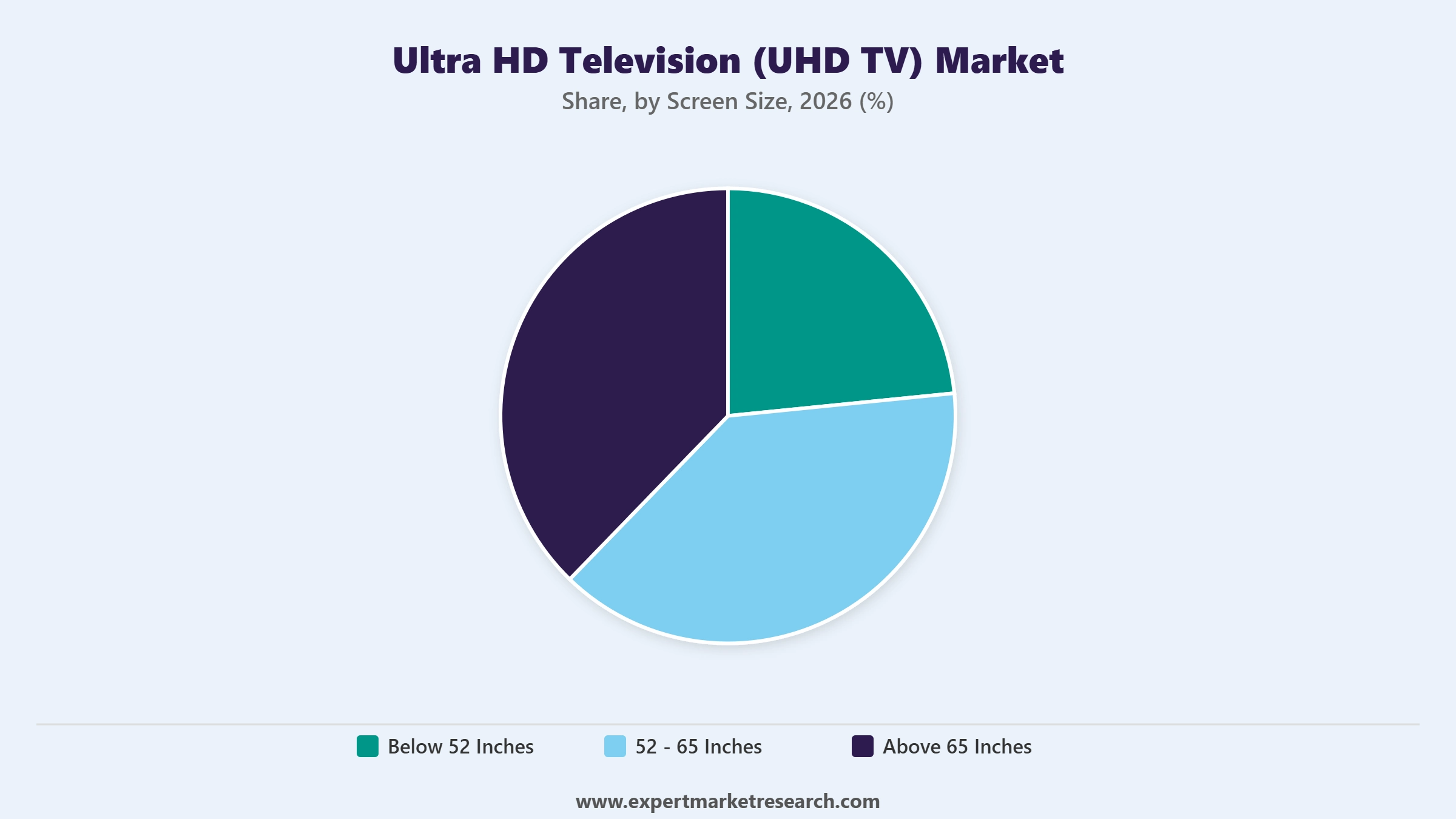
Market Breakup by Screen Size
Key Insight: TVs below 52 inches remain popular among consumers prioritizing space efficiency, bedroom viewing, wall-mounting flexibility, and affordability. The between 52-65 inch category is ideal for those consumers who need both immersive viewing and ease of mounting. Above 65 inches is influenced by the factors of home entertainment, gaming, sport viewing, and large room usage. Hence, manufacturers in the ultra HD television (UHD TV) market are working on improving connectivity and interface issues.
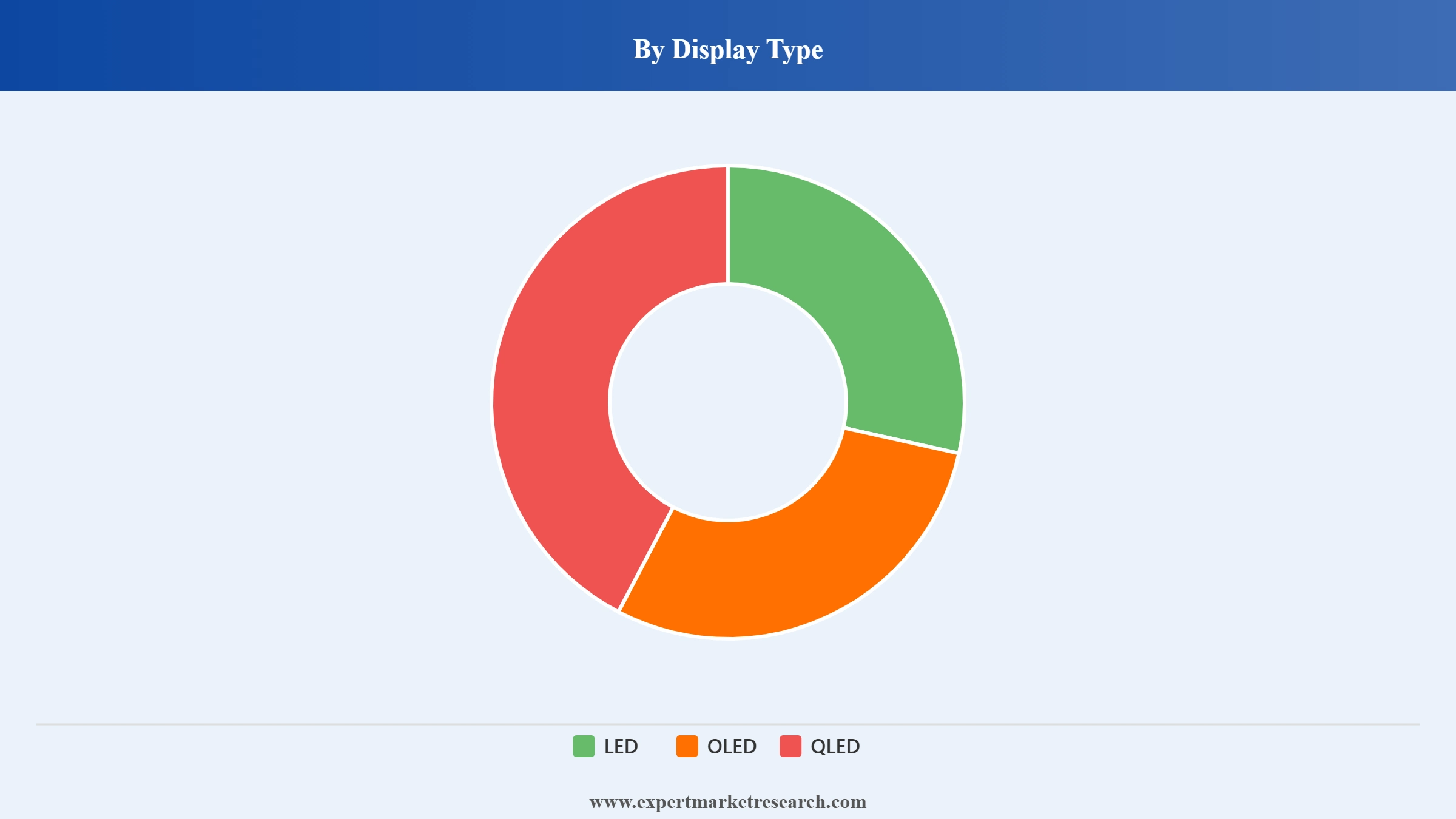
Market Breakup by Display Type
Key Insight: As per the ultra HD television (UHD TV) market report, the LED category caters to the general clientele using pricing, brightness, size, and processing flexibility. The OLED segment caters to those customers who look for contrast, speed, thickness, and movie-like performance. QLED lies in the middle premium category in which quantum dot color accuracy is combined with high brightness and size. Manufacturers make use of these different technologies in order to form categories rather than competing in terms of resolution only. In September 2025, SPPL introduced Thomson and Kodak 4K QLED televisions featuring Google TV and JioTele OS, expanding smart entertainment options across price segments.
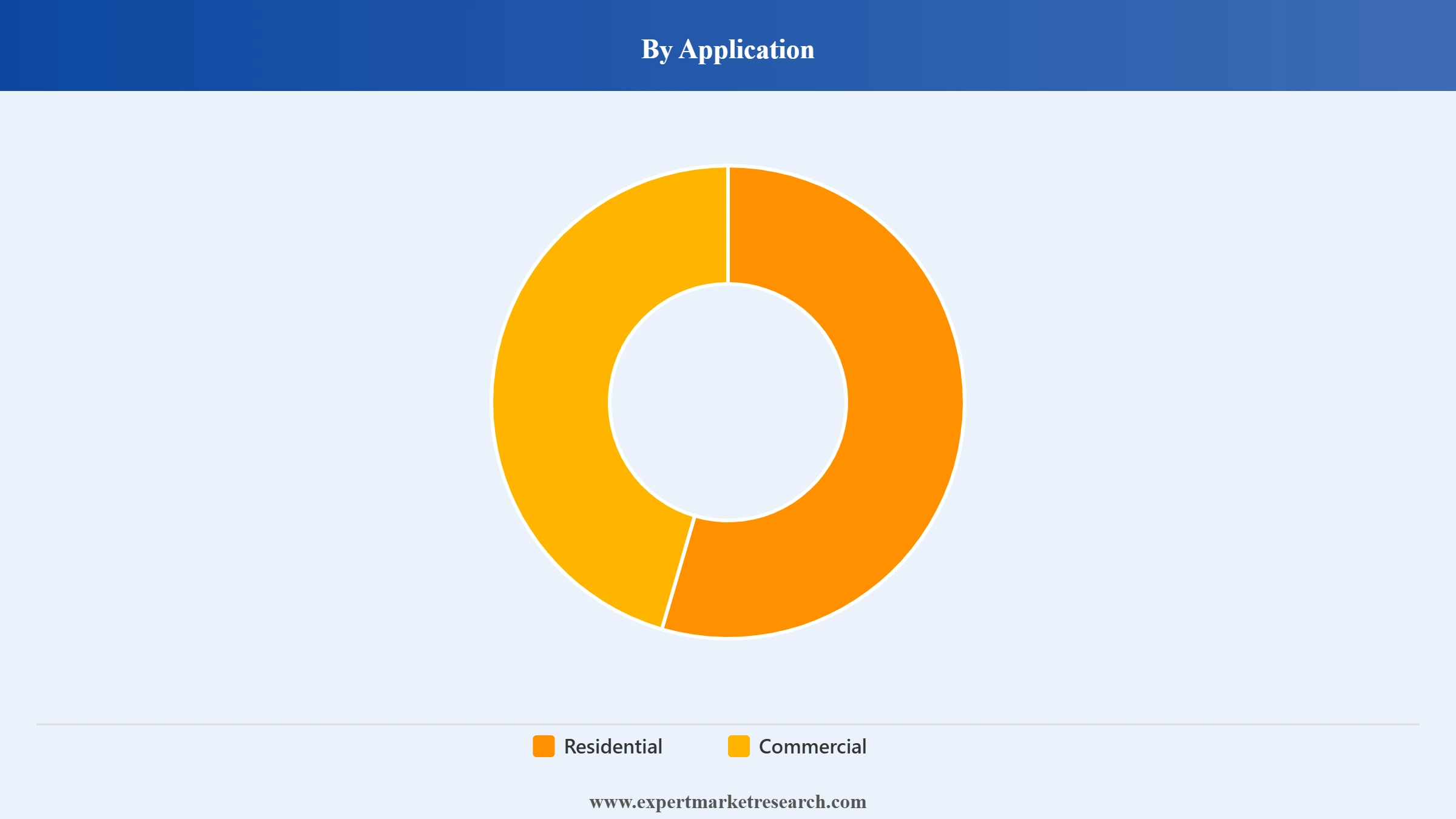
Market Breakup by Application
Key Insight: The residential application is more concerned with versatility of entertainment, smart home integration, games, and movies. This ultra HD television (UHD TV) market trend implies that user-friendliness and personalization of the image are key determinants in buying decisions. In contrast, commercial applications are more concerned with reliability, centralized control, connectivity, installation, and multi-screen content management. The hospitality industry is concerned about the experience of guests and brand interfaces, while the retail industry emphasizes the ability to present products effectively.
Market Breakup by Region
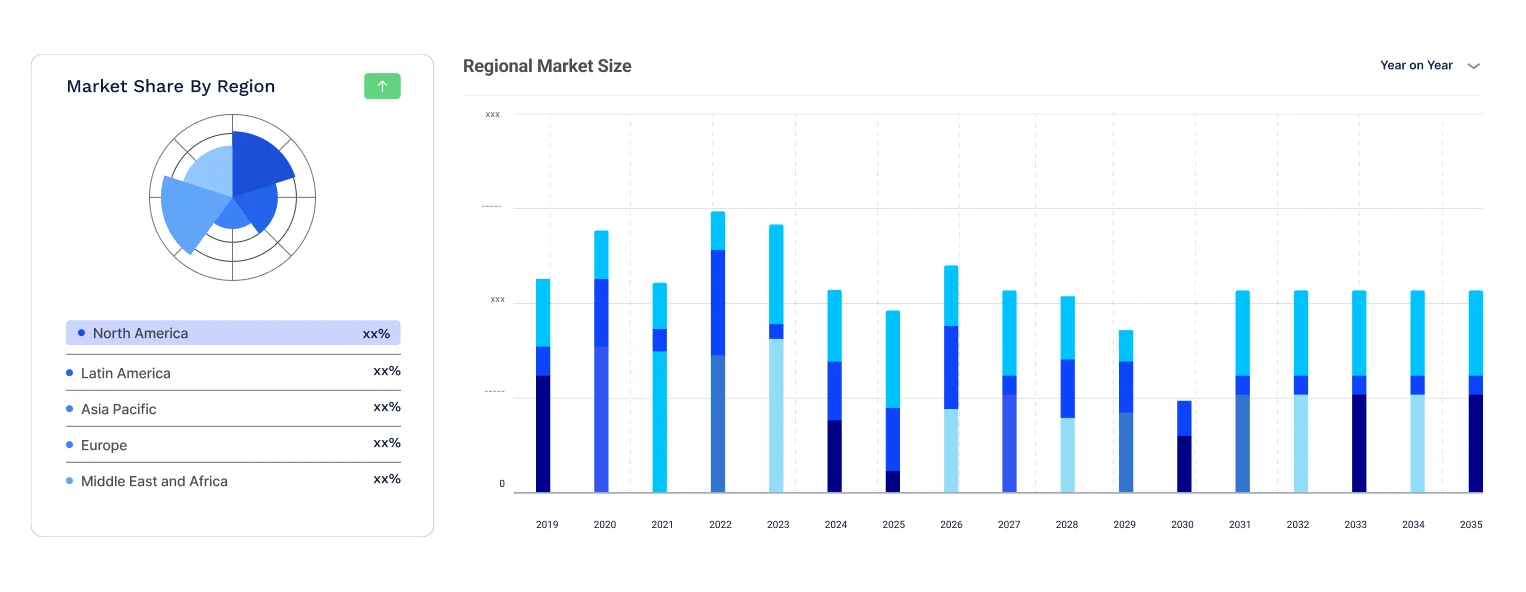
Key Insight: The ultra HD television (UHD TV) market in North America is driven by large screen enhancement, gaming, streaming, and connected home ecosystems. Europe focuses on energy efficiency, sustainability, elegant designs, and regulation compliance affecting product design. Asia Pacific region is helped by manufacturing expertise, electronics ecosystem strength, and diversified needs depending on price levels. Latin America is boosted by the expanding entertainment sector and availability of television functionalities. Middle East and Africa present opportunities through hospitality, residences, retail upgrades, and large screens.
Read more about this report - REQUEST FREE SAMPLE COPY IN PDF
By screen size, the 52-65-inch category leads market growth due to affordability, versatility, and replacement upgrades
The 52-65-inch group commands the largest share in the ultra HD television (UHD TV) market as it strikes a balance between being a viable option for the average living room space and providing a sufficiently large screen area for 4K viewing. The focus on artificial intelligence image enhancement, fast refresh rates, latency-friendly gaming, and better built-in speakers allows manufacturers to provide a better stepping up opportunity for retailers. Streaming, sports watching, gaming, and family entertainment make this category more vulnerable to the replacement cycle. In October 2023, Westinghouse introduced a 65-inch Google TV in India, targeting consumers seeking large-screen entertainment, smart connectivity, and affordable premium viewing experiences.
Read more about this report - REQUEST FREE SAMPLE COPY IN PDF
Over 65 inches is observing the fastest growth in the ultra HD television (UHD TV) market due to improved panel efficiency, immersion, and versatility. These UHD televisions are designed to be used in dedicated entertainment areas, gaming spaces, or upgraded from average screen sizes. They are differentiated through their mini-LED backlight, OLED-like contrast levels, fast refresh rate capabilities, anti-glare screens, and AI-powered image processing technology, making them a good substitute for projector-based home cinema systems.
By display type, LED dominates the market due to scalable manufacturing, brightness, and pricing flexibility
LED TVs retain their dominance in the ultra HD television (UHD TV) market as manufacturers are able to produce products in a wide range of sizes, levels of brightness and additional functions that would fit into all kinds of price ranges. LED TV development is currently focused on advanced backlighting, improved local dimming, AI-powered upscaling, and enhanced motion handling and gaming performance. With such innovations, manufacturers can compete in terms of picture quality without confining themselves to the top tier. In April 2026, Xiaomi introduced its TV S Mini LED series in India, offering advanced backlighting, enhanced contrast, and immersive viewing experiences.
Read more about this report - REQUEST FREE SAMPLE COPY IN PDF
The OLED category registers notable demand in the ultra HD television (UHD TV) market as self-emissive pixels provide deep blacks, high contrast, fast response and thin panels. Manufacturers promote refresh rates, variable refresh rates, low input latency, and image processing features for their games and home cinema-focused customers. The other direction of development of this technology is improvement of brightness and longevity of the panel.
Residential applications continue to dominate the market due to streaming, gaming, and entertainment demand growth
Demand from residential settings continues to accelerate growth in the ultra HD television (UHD TV) market, as these televisions are utilized for streaming, gaming, sports viewing, and entertainment at home. Manufacturers are concentrating on interface, voice command, recommendation, smart homes, and picture adjustment technology across all types of content. More screen sizes are being developed for living rooms and cinema halls, while gaming-related features ensure that UHD televisions have an edge over computer monitors.
Read more about this report - REQUEST FREE SAMPLE COPY IN PDF
Businesses are demanding commercial UHD television in hospitality, retail, corporate communications, education, and entertainment segments. Companies in the ultra HD television (UHD TV) market are tailoring professional-grade UHD television with operational capability, centralized management, networking capacity, mounting capacity, and content management capability. Hospitality businesses can employ UHD television screens for entertainment and providing information to guests, while retailers can deploy UHD screens for promotional purposes and demonstrating products. In September 2026, Acerpure expanded its smart television portfolio in India, strengthening its position in the connected home entertainment segment.
Asia Pacific dominates the market due to manufacturing strength, demand, and electronics
Asia Pacific dominates the ultra HD television (UHD TV) market due to the combination of television manufacturing strength together with consumer electronics distribution and the demand for connected home entertainment solutions. The manufacturers in the region are moving forward with Mini LED, OLED, QLED, AI processing, and large screen development among others through aggressive feature-to-price positioning. There are different demand pools in the region coming from China, Japan, South Korea, and India covering both the mass market and premium market segments.

Read more about this report - REQUEST FREE SAMPLE COPY IN PDF
Read more about this report - REQUEST FREE SAMPLE COPY IN PDF
The North American ultra HD television (UHD TV) market is observing rapid growth due to upgrades to bigger screen sizes and integration of streaming, gaming, sports, and smart home functions into the one television. Manufacturers are focusing on high refresh rate, HDMI connectivity, audio technology, and AI processing, to capture the premium spenders. There is also opportunity in the commercial segments such as hospitality, retail, corporate, and entertainment spaces. In September 2026, Amazon upgraded Fire TV Stick 4K with improved streaming performance and Alexa voice controls, enhancing smart television connectivity and navigation.
In terms of competition, it is becoming less about improving resolution through higher pixel counts but more about enhancing technologies that make 4K resolution useful. Leading ultra HD television (UHD TV) market players are making efforts toward incorporating artificial intelligence into image processing, using Mini LED backlights, increasing efficiency of OLED technology, using quantum dots for coloring, responsiveness to games, advanced audio features, and connected software ecosystems.
Engineering the large screens could be another area of development, especially when ultra HD television (UHD TV) companies manage to make the frame thinner, improve its heat dissipation capabilities and ease its installation. Manufacturers can improve profitability by offering tiered feature options, bundling content and services, and targeting both residential consumers and commercial customers.
Founded in 1969 and located in Suwon, South Korea, Samsung Electronics provides UHD TV by its Neo QLED, OLED, QLED, and UHD product lines. Samsung aims at creating intelligent entertainment platforms through the use of artificial intelligence picture processing, Mini LED, gaming capabilities, connections, and large format technologies.
Founded in 1958 and located in Seoul, South Korea, LG Electronics manufactures UHD TV within OLED, QNED, and LED product lines. LG’s marketing strategy is centered on AI processors, self-lighting display technology, gaming capabilities, premium look, smart-home connections, and personalized viewing experience. LG aims at providing consumers with cinematic performance and intelligent connection experience.
Founded in 1918 and based in Japan, Panasonic Holdings focuses on the development of TV technologies that prioritize accurate images, professional processing, and home cinema experience. The UHD solution by Panasonic includes OLED/LED display, image processing, calibration for filmmakers, smart technology, and audio. This approach is intended to satisfy the needs of customers who value precise and natural images.
Founded in 1946, headquartered in Tokyo, Japan, Sony Group targets the market of UHD TVs through the BRAVIA models based on advanced display panels, cognitive processing, gaming technology, and entertainment services. Sony prioritizes accurate picture reproduction, high-quality sound, connection with PlayStation, and premium industrial design.
Other key players in the market include Toshiba Corporation, Hisense International Co., Ltd., KONKA Group Co. Ltd., Guangdong Changhong Electronics Co., Ltd., Micromax Informatics Ltd., and Hon. Hai Precision Industry Co., Ltd. (Sharp Corp.), among others.
*Please note that this is only a partial list; the complete list of key players is available in the full report. Additionally, the list of key players can be customized to better suit your needs.*
Unlock the latest insights with our ultra HD television (UHD TV) market trends 2026 report. Discover regional growth patterns, consumer preferences, and key industry players. Stay ahead of competition with trusted data and expert analysis. Download your free sample report today and drive informed decisions in the market.


Upto 15% Off
USD
$2499 $2249
$3999 $3599
$4999 $4249
$5999 $5099


*While we strive to always give you current and accurate information, the numbers depicted on the website are indicative and may differ from the actual numbers in the main report. At Expert Market Research, we aim to bring you the latest insights and trends in the market. Using our analyses and forecasts, stakeholders can understand the market dynamics, navigate challenges, and capitalize on opportunities to make data-driven strategic decisions.*
In 2025, the market reached an approximate value of USD 429.62 Billion.
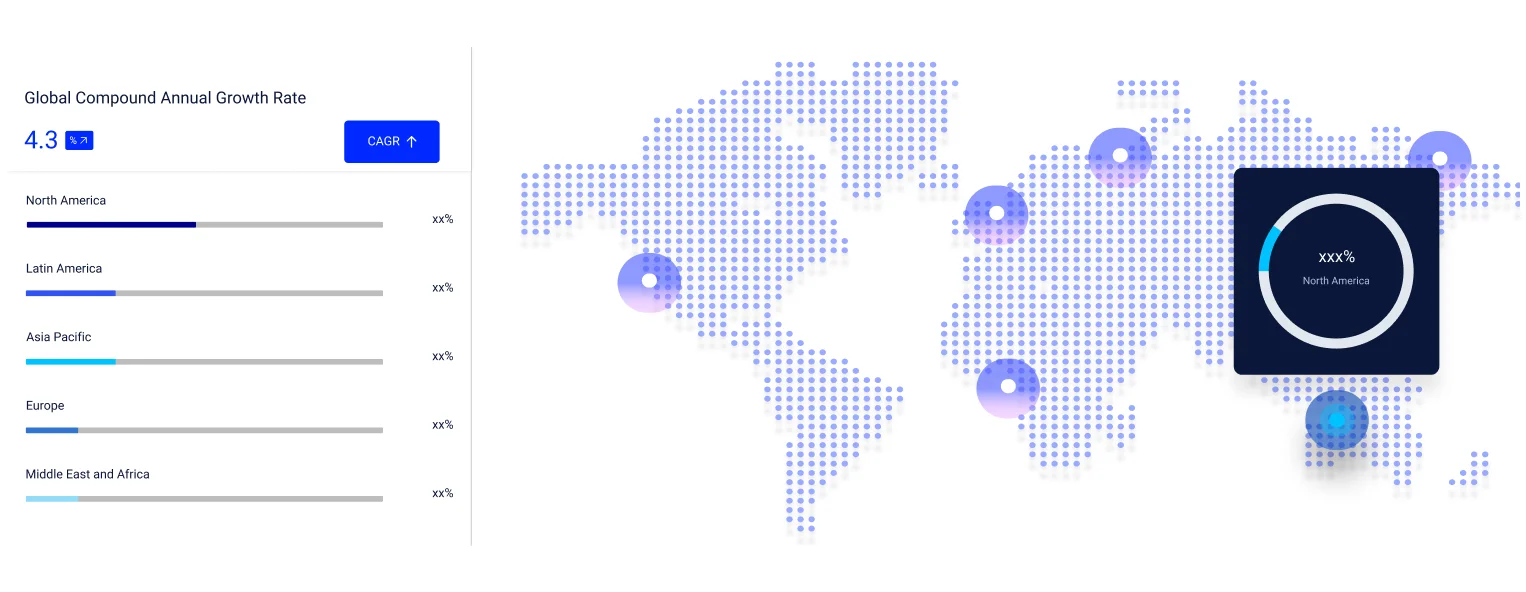
The market is projected to grow at a CAGR of 24.60% between 2026 and 2035.
The market for ultra-HD television (UHD TV) is estimated to witness a healthy growth in the forecast period of 2026-2035 to reach USD 3874.94 Billion by 2035.
Stakeholders are integrating AI, strengthening gaming features, expanding commercial solutions, improving energy efficiency, localizing software, and building service partnerships to differentiate offerings while continuously enhancing analytics and lifecycle service support.
Key trends aiding the market expansion are advancements in technology, availability of 4K content, and rising price competitiveness among market players.
Regions considered in the market are North America, Europe, Asia Pacific, Middle East and Africa, and Latin America.
Based on applications, the market segmentations include residential and commercial.
LED, OLED, and QLED displays are considered in the report.
The key players in the market include Samsung Electronics Co., Ltd., LG Corp., Panasonic Holdings Corp., Sony Group Corp., Toshiba Corporation, Hisense International Co., Ltd., KONKA Group Co. Ltd., Guangdong Changhong Electronics Co., Ltd., Micromax Informatics Ltd., and Hon. Hai Precision Industry Co., Ltd. (Sharp Corp.), among others.
Companies face intense price competition, volatile panel costs, short product cycles, energy-efficiency requirements, software security risks, content fragmentation, and rapidly changing consumer expectations while protecting margins and sustainable channel profitability.
Explore our key highlights of the report and gain a concise overview of key findings, trends, and actionable insights that will empower your strategic decisions.
| REPORT FEATURES | DETAILS |
| Base Year | 2025 |
| Historical Period | 2019-2025 |
| Forecast Period | 2026-2035 |
| Scope of the Report |
Historical and Forecast Trends, Industry Drivers and Constraints, Historical and Forecast Market Analysis by Segment:
|
| Breakup by Screen Size |
|
| Breakup by Display Type |
|
| Breakup by Application |
|
| Breakup by Region |
|
| Market Dynamics |
|
| Competitive Landscape |
|
| Companies Covered |
|
Datasheet
One User
USD 2,499
USD 2,249
tax inclusive*
Single User License
One User
USD 3,999
USD 3,599
tax inclusive*
Five User License
Five User
USD 4,999
USD 4,249
tax inclusive*
Corporate License
Unlimited Users
USD 5,999
USD 5,099
tax inclusive*
*Please note that the prices mentioned below are starting prices for each bundle type. Kindly contact our team for further details.*
Flash Bundle
Small Business Bundle
Growth Bundle
Enterprise Bundle
*Please note that the prices mentioned below are starting prices for each bundle type. Kindly contact our team for further details.*
Flash Bundle
Number of Reports: 3
20%
tax inclusive*
Small Business Bundle
Number of Reports: 5
25%
tax inclusive*
Growth Bundle
Number of Reports: 8
30%
tax inclusive*
Enterprise Bundle
Number of Reports: 10
35%
tax inclusive*
How To Order

Select License Type
Choose the right license for your needs and access rights.

Click on ‘Buy Now’
Add the report to your cart with one click and proceed to register.

Select Mode of Payment
Choose a payment option for a secure checkout. You will be redirected accordingly.
Strategic Solutions for Informed Decision-Making
Gain insights to stay ahead and seize opportunities.

Get insights & trends for a competitive edge.

Track prices with detailed trend reports.

Analyse trade data for supply chain insights.

Leverage cost reports for smart savings

Enhance supply chain with partnerships.

Connect For More Information
Our expert team of analysts will offer full support and resolve any queries regarding the report, before and after the purchase.
Our expert team of analysts will offer full support and resolve any queries regarding the report, before and after the purchase.
We employ meticulous research methods, blending advanced analytics and expert insights to deliver accurate, actionable industry intelligence, staying ahead of competitors.
Our skilled analysts offer unparalleled competitive advantage with detailed insights on current and emerging markets, ensuring your strategic edge.
We offer an in-depth yet simplified presentation of industry insights and analysis to meet your specific requirements effectively.




