

Consumer Insights
Uncover trends and behaviors shaping consumer choices today
Procurement Insights
Optimize your sourcing strategy with key market data
Industry Stats
Stay ahead with the latest trends and market analysis.
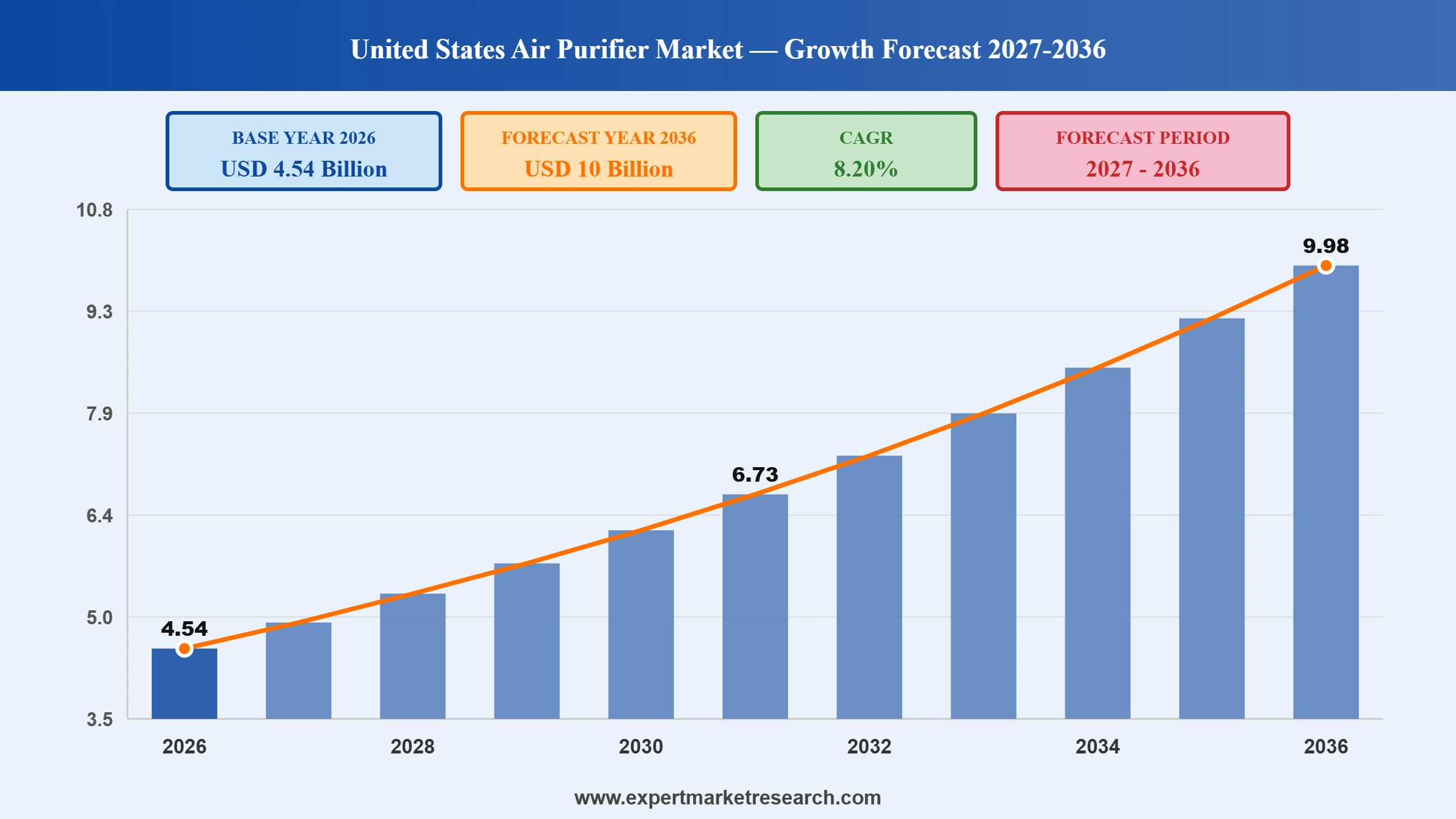
The United States air purifier market attained a value of USD 4.20 Billion in 2025 and is projected to grow at a CAGR of 8.20% through 2035. The market is further expected to reach USD 9.24 Billion by 2035. Wildfire smoke, allergy and asthma concerns, and growing interest in indoor air quality at home and work are supporting growth in the market.
Demand for air purifiers in the United States rests on rising concern about indoor air, from wildfire smoke and pollen to pet dander, dust, and viruses. Households, schools, offices, and clinics are buying purifiers to protect health, and online shopping has made comparing models easier. Allergy and asthma sufferers, parents of young children, and older adults are among the most active buyers, while remote work has made home air quality a daily indoor concern for many busy working families today.
At the same time, efficiency rules are shaping product design. In October 2025, the US Environmental Protection Agency brought ENERGY STAR Room Air Cleaners version 3.0 into effect, moving efficacy measurement from smoke clean air delivery rate per watt to PM2.5 clean air delivery rate per watt, which pushes makers to design quieter, more efficient machines. Buyers also benefit, because clearer efficiency labels make it easier to compare running costs and choose models that fit the size of a room.
Leading appliance brands and air quality specialists are directing growth capital toward smart features, longer lasting filters, and wider retail reach rather than single models. Product launches, retail partnerships, and certification programs are now central to competitive positioning in the United States air purifier market, as companies seek stronger trust, clearer performance claims, and repeat filter sales. After sales service and easy access to replacement filters are becoming as important as the purifier itself, because loyal customers return for filters.
Read more about this report - REQUEST FREE SAMPLE COPY IN PDF
|
United States Air Purifier Market Report Summary |
Description |
Value |
|
Base Year |
USD Billion |
2025 |
|
Historical Period |
USD Billion |
2019-2025 |
|
Forecast Period |
USD Billion |
2026-2035 |
|
Market Size 2025 |
USD Billion |
4.20 |
|
Market Size 2035 |
USD Billion |
9.24 |
|
CAGR 2019-2025 |
Percentage |
XX% |
|
CAGR 2026-2035 |
Percentage |
8.20% |
|
CAGR 2026-2035 - Market by Region |
Far West |
9.3% |
|
CAGR 2026-2035 - Market by Region |
Rocky Mountain |
8.8% |
|
CAGR 2026-2035 - Market by Type |
Standalone/Portable |
8.6% |
|
CAGR 2026-2035 - Market by Filtration Technology |
Far West |
8.7% |
|
Market Share by Country 2025 |
Mideast |
17.9% |
Dyson announced three HushJet purifiers in Berlin in September 2026, led by the HushJet Big+Quiet Cool Pure+ priced at USD 1,099 and due late 2026. The range targets bedrooms and offices needing quiet. Companies across the United States air purifier market can leverage this trend by pairing premium design with quiet performance, which supports higher prices and builds loyalty among buyers who value comfort in living spaces.
Levoit launched the Eleva 300X in August 2026 at USD 129.99, with a clean air delivery rate of 161 CFM and coverage of 250 square feet. The model targets bedrooms and home offices, where buyers want quiet, simple cleaning. Companies across the United States air purifier market can leverage this trend by offering efficient, low noise models at entry prices, which widens access for first time buyers.
IQAir launched the Atem Eco in June 2026 at USD 799.99, bringing HyperHEPA filtration, Swiss manufacturing, and independently certified performance to a more accessible price. The launch brings the brand's well-known filtration to a much wider group of households. Companies across the United States air purifier market can leverage this trend by lowering the entry price of premium lines, which attracts buyers who value proven filtration.
SharkNinja launched the Shark BreatheClear Max in April 2026 at USD 449, with a NeverChange filter lasting up to six years and capture of 99.98% of particles. The model scans the air 3,600 times per hour and sells at Costco and Amazon. Companies can leverage this trend by cutting filter replacement hassle, which lowers lifetime costs and strengthens customer retention.
Wildfire smoke now reaches states far from the fires. Public health advice increasingly points to filters and portable purifiers for homes. In July 2026, AAF International said wildfire smoke from Canada and Minnesota exposed about 115 million people across the Midwest, Northeast, and Mid-Atlantic, and advised MERV 13 filters, which it says cut PM2.5 exposure by 75% to 80%. Smoke seasons are pulling purchases forward. Households in affected states increasingly keep a purifier ready, with spare filters kept on hand.
Import duties across the United States air purifier market are raising the cost of many home appliances sold in the United States. Brands are adjusting prices and sourcing to protect margins. In its fiscal year ended February 2026, Helen of Troy, a licensee of the Honeywell air purifier brand, reported USD 50.7 million of additional pre-tax tariff costs. Buyers may see higher shelf prices, and makers are widening supplier choices. Brands are weighing price tiers and product mix, while retailers manage promotions carefully to keep demand steady.
Pet owners across the United States air purifier market want purifiers that handle fur, dander, and odors without frequent filter cleaning. Self-cleaning designs are becoming a clear selling point. In May 2026, Dreame launched the FP10 self-cleaning pet air purifier at an event in San Francisco as part of its North American expansion. Pet focused models are opening a distinct buyer group for brands. Features such as odor control and easy cleaning help owners avoid frequent upkeep, and these models attract buyers beyond pet households.
Purifiers across the United States air purifier market are moving beyond appliance aisles into stores that sell wellness and beauty goods. This puts them in front of a different group of shoppers. In July 2026, Canopy placed its air purifier and humidifier range in about 360 Ulta Beauty stores and on Ulta.com. Wider shelf presence can lift trial and brand awareness. This gives brands exposure to shoppers who may never visit an appliance aisle. Retailers gain a wellness category, and brands reach customers without building new stores.
Building owners are looking at disinfection built into ventilation systems, instead of relying on standalone units. Cleared medical device status helps with trust. In September 2026, Applied Photonix launched ViroZap, an FDA cleared Class II in-duct ultraviolet unit at 500 CFM that claims 99.9995% virus reduction, and began seeking US distributors. Duct level devices could open commercial demand. Schools, offices, and clinics already use ductwork for ventilation, so devices installed in the duct can treat large spaces without placing units.
The Expert Market Research's report titled "United States Air Purifier Market Report and Forecast 2026-2035" offers a detailed analysis of the United States air purifier market based on the following segments:
Market Breakup by Type
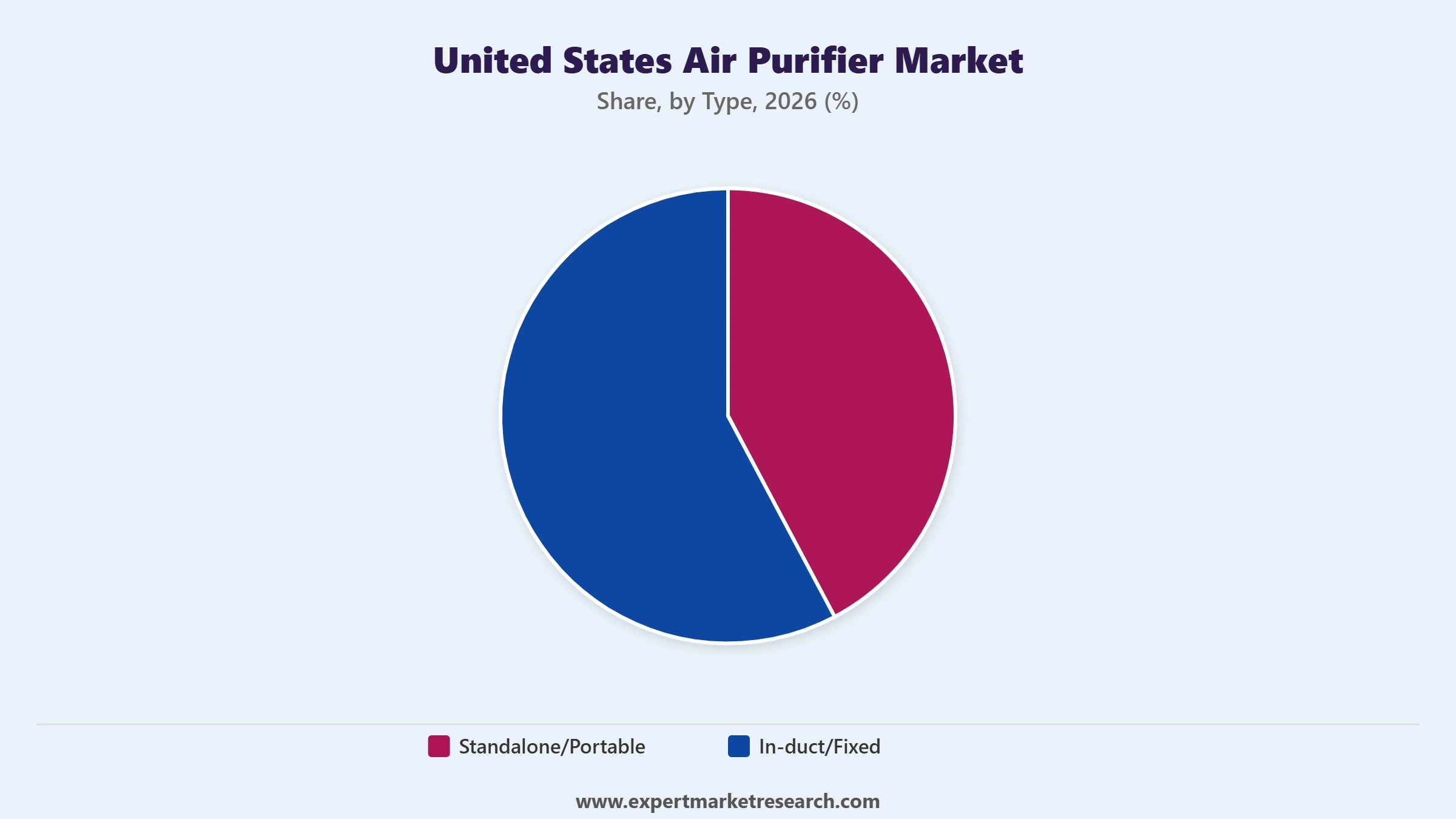
Key Insight: Standalone and portable units hold the larger share of the type of segment, because they need no installation and suit rooms of any size. In-duct and fixed units serve whole building needs through ventilation systems. In March 2026, Coway launched the Airmega Mighty2 at USD 269.99, covering 1,800 square feet per hour. In November 2025, Alen unveiled the BreatheSmart 25i at USD 179. In September 2026, AprilAire introduced TriPure filter technology for home HVAC systems.
Market Breakup by Filtration Technology
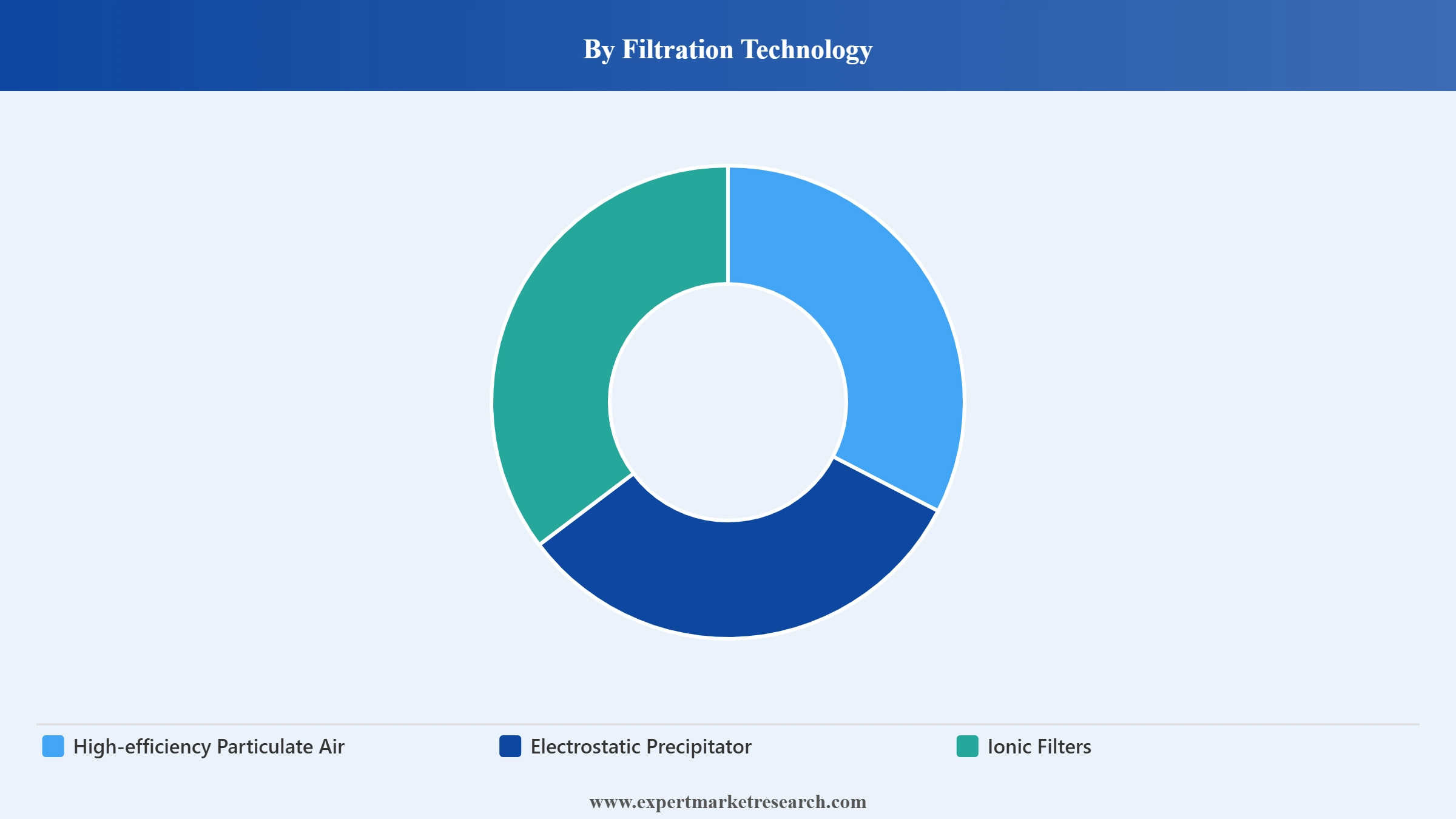
Key Insight: HEPA filtration holds the largest share of the filtration technology segment in the United States air purifier market, as buyers trust its capture of fine particles. Electrostatic precipitators and ionic filters serve buyers seeking washable or filterless options, while other technologies include carbon and ultraviolet stages. In September 2026, AirDoctor introduced the 1500 Mini Tower with UltraHEPA filtration and a clean air delivery rate of 170. In February 2026, GermGuardian won a Good Housekeeping award for its CARB certified AirSafe+ XL.
Market Breakup by End Use
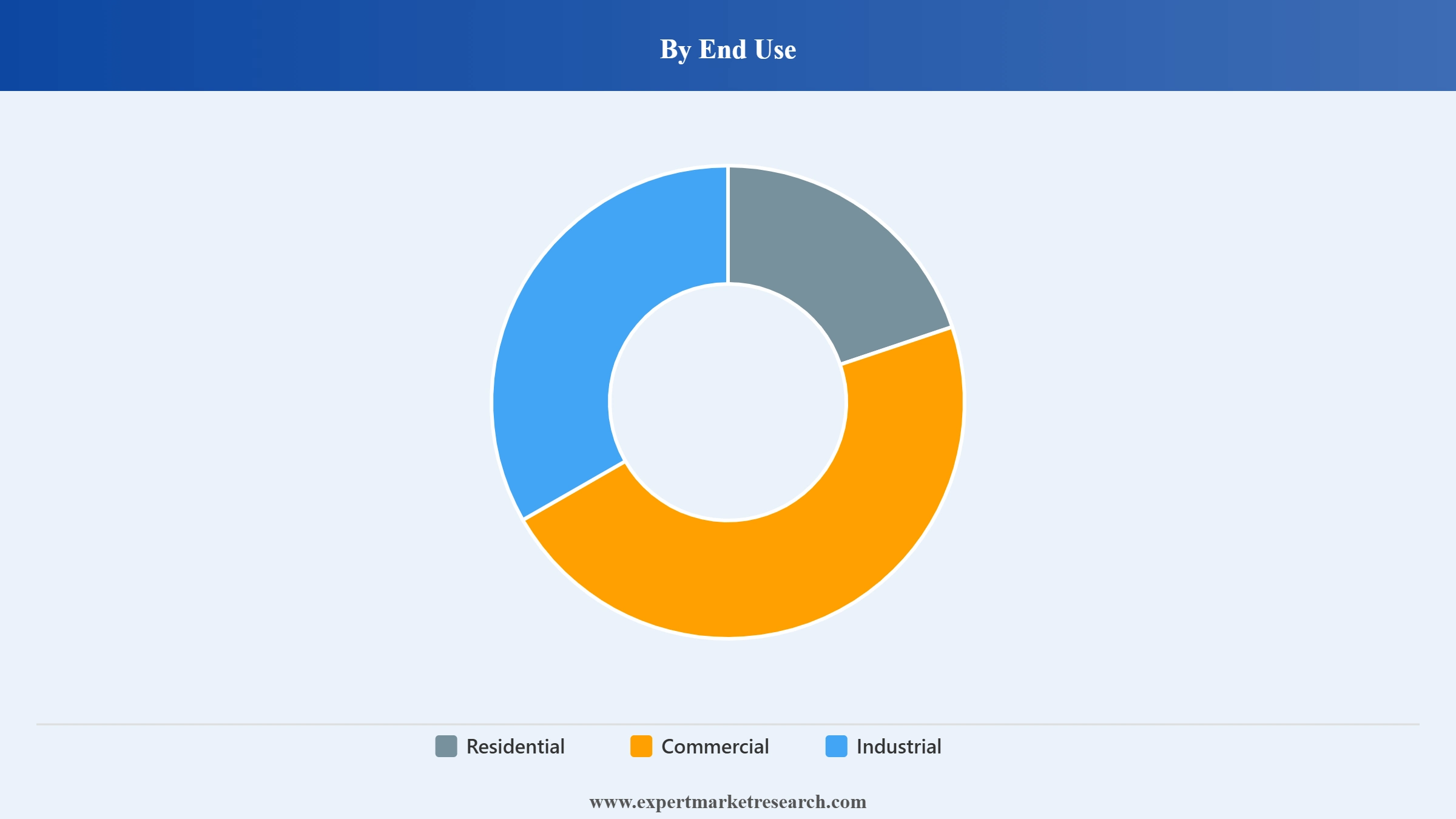
Key Insight: Residential buyers account for the largest share of the end use segment in the United States air purifier market, as homes drive most unit sales. Commercial users such as offices, schools, and clinics are adding purifiers and duct systems, while industrial users need heavy duty cleaners for dust and fumes. In March 2026, Camfil unveiled CC X-Series industrial air cleaners moving 3,400 to 10,000 cubic meters per hour. In January 2026, Atmus Filtration closed a USD 450 million deal for Koch Filter.
Market Breakup by Distribution Channel
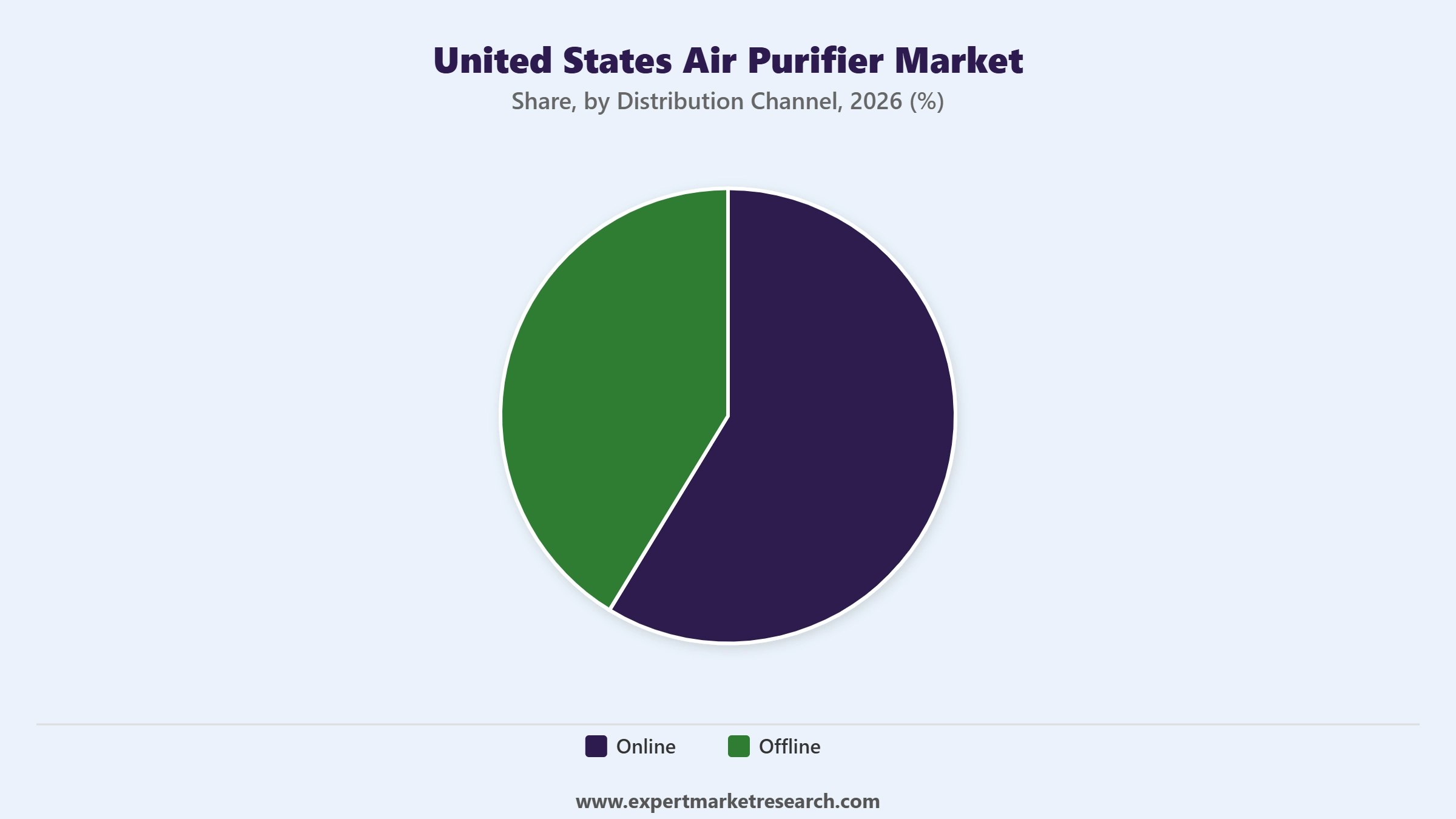
Key Insight: Offline stores such as appliance chains, warehouse clubs, and HVAC dealers still account for the largest share of the distribution channel segment, since buyers like to see units and ask for advice. Online sales are growing fastest through marketplaces and brand sites. In September 2026, DREO launched the Air Purifier 530S at USD 129.99. In April 2026, HEAPETS launched pet purifiers priced at USD 249.99 and USD 89.99, sold through TikTok Shop.
Market Breakup by Region
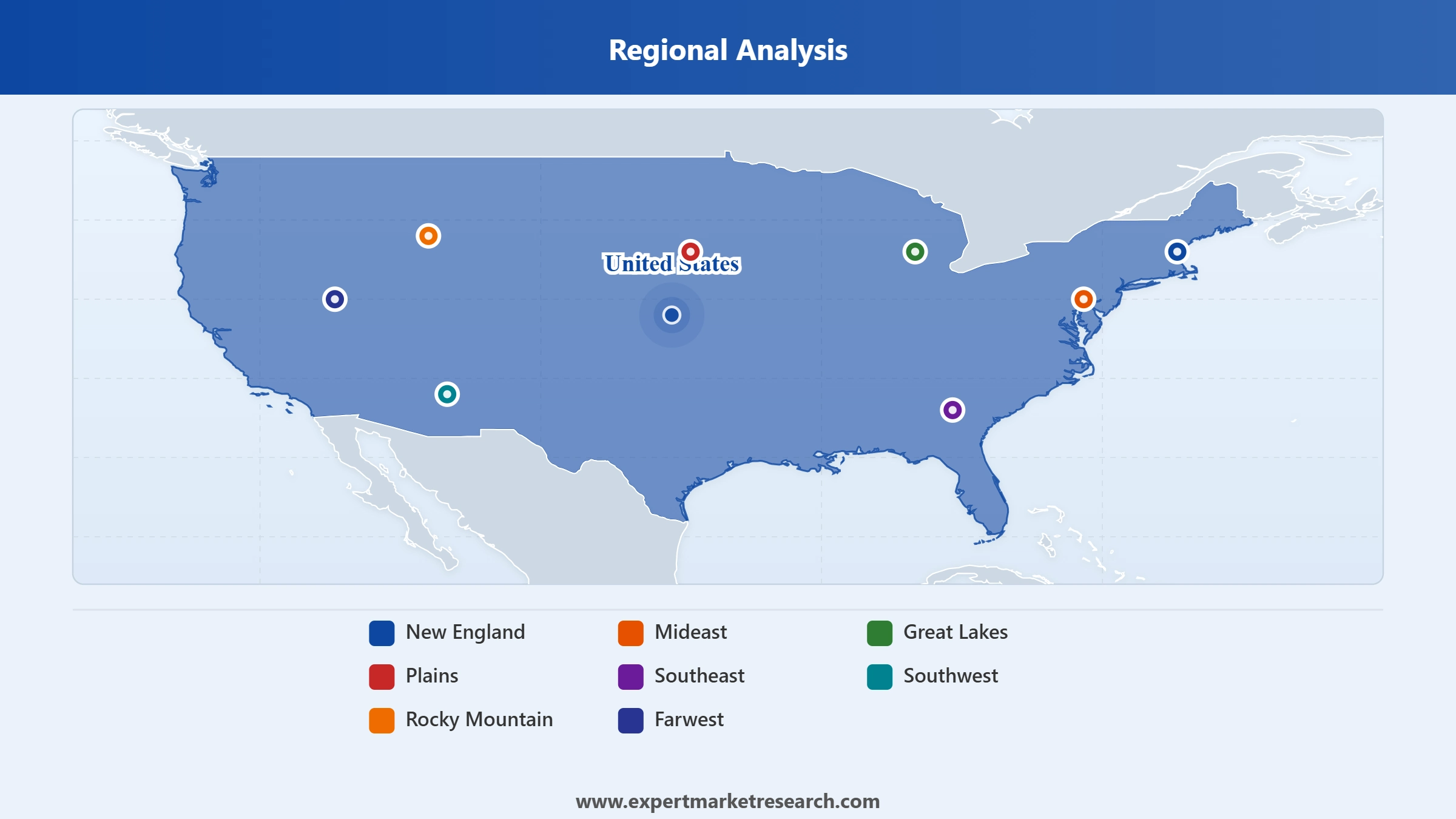
Key Insight: Mideast holds the largest regional share of the United States air purifier market, supported by dense urban populations. Farwest is the fastest growing region, driven by wildfire smoke and strict air rules, while Rocky Mountain follows at 8.8% and Southeast at 7.9%. In April 2026, Illinois lawmakers advanced House Bill 4739 requiring air quality monitors in classrooms. In December 2025, Tom Barrow Company opened a twelfth Southeast HVAC branch in Knoxville.
Read more about this report - REQUEST FREE SAMPLE COPY IN PDF
By type, standalone and portable purifiers dominate the United States air purifier market owing to easy setup
Standalone and portable purifiers hold the largest share of the type segment, because they need no installation and suit rooms of every size. In June 2025, Blueair launched the Blue Signature from USD 449.99, cleaning 3,385 square feet per hour through seven filtration stages. Renters and homeowners alike choose these units for flexibility. Their plug in design suits renters, small apartments, and homes, and buyers can move them between rooms as needs change. Many models add sensors and night modes.
Read more about this report - REQUEST FREE SAMPLE COPY IN PDF
Standalone and portable purifiers are also registering the fastest growth within the type segment at 8.6%, as buyers add units’ room by room. In March 2026, MOOKA expanded its lineup with the KJ190, covering up to 2,200 square feet, and the B-D02L, covering 215 square feet. Smaller rooms and bigger homes create demand for different sizes. Buyers often start with one unit and add more as they learn how much cleaner the air feels. Open plan homes need several units.
By filtration technology, HEPA dominates the United States air purifier market owing to strong particle capture
HEPA filtration holds the largest share of the filtration technology segment across the United States air purifier market, because it captures fine particles such as smoke, dust, and pollen with proven results. In March 2026, Homekind by Gundry MD launched the Total Air 180, a five-stage unit using HEPA 13 or 14 filtration for up to 1,200 square feet. Allergy sufferers often look for this label first. Independent testing and clear filter ratings help buyers compare models with confidence. Replacement filter sales create steady repeat revenue.
Read more about this report - REQUEST FREE SAMPLE COPY IN PDF
HEPA filtration is also registering the fastest growth within the filtration technology segment at 8.7%, as shoppers look for proof of performance. In November 2025, the Association of Home Appliance Manufacturers launched the Verifide program to verify replacement air filter performance, with five leading brands signed up as the first licensees of the program. Verified claims build trust. Such checks matter because many buyers cannot judge filter quality alone. Brands that join gain a clearer way to show tested claims.
By end use, residential dominates the United States air purifier market owing to rising indoor air awareness
Residential buyers hold the largest share of the end use segment across the United States air purifier market, as households drive most unit sales and filter orders. In July 2026, TrustedAir surveyed 500 US adults and found 72% did not know they could buy air purifiers with HSA or FSA funds. Wider awareness of these accounts could lower the cost of purchase for families. Higher incomes and health spending help families invest in better equipment. Allergy and asthma sufferers also support steady replacement of their older units.
Read more about this report - REQUEST FREE SAMPLE COPY IN PDF
Commercial users are registering the fastest growth within the end use segment, as offices, schools, and clinics add clean air measures. In July 2026, Lennox reported second quarter commercial revenue up 24% while residential revenue fell 7%. Commercial demand for ventilation and air cleaning is offsetting weaker home projects. Hospitals, schools, and offices are adding air cleaning to meet health expectations from staff and visitors. Commercial projects are large and tied to ventilation upgrades, which supports bigger orders for suppliers.
By distribution channel, offline dominates the United States air purifier market owing to hands on product comparison
Offline stores hold the largest share of the distribution channel segment across the United States air purifier market, since buyers like to see models, compare noise, and ask for advice. In August 2026, Trane Technologies reported second quarter revenue of USD 6.4 billion, up 11%, with Americas revenue of USD 5.3 billion and a record backlog of USD 12.1 billion. Dealer networks remain central to ducted systems. Many buyers want advice on room size and filter costs before they pay. Dealers also handle installation and regular servicing.
Read more about this report - REQUEST FREE SAMPLE COPY IN PDF
Online sales are registering the fastest growth within the distribution channel segment, as marketplaces and brand sites make comparison easy. In March 2025, Frigidaire introduced its first air purifier lineup, priced from USD 129 to USD 229 and sold on its own website and major online marketplaces. Online reviews and price transparency are steering first time buyers. Subscription filter plans and fast delivery add convenience for repeat purchases. Brands use social media and video demos to explain performance to shoppers.
Mideast commands the largest regional share of the United States air purifier market, supported by dense urban populations
Mideast commands the largest regional share of the United States air purifier market, supported by dense cities, older buildings, and strong health awareness. In January 2026, New York State Assembly Bill A5347A, covering school air quality sensors and building aid for large schools, was sent back to the Education Committee. Policy interest keeps indoor air high on the agenda. Concerns about traffic pollution and indoor dust keep households interested in purifiers. Many older homes in the region lack modern ventilation.
Read more about this report - REQUEST FREE SAMPLE COPY IN PDF
Farwest is registering the fastest growth among the regional markets at 9.3%, driven by wildfire smoke and strict air quality rules. In July 2026, the South Coast Air Quality Management District added USD 5 million to give up to two CARB certified HEPA purifiers to households near the Palos Fire cleanup. Public programs are adding steady demand. Hot, dry summers raise smoke risk across the region, and many households often buy purifiers before the season starts. Certified models benefit most.
The competitive landscape remains moderately concentrated, with established United States air purifier companies competing on filtration performance, noise, smart features, and price across online and offline channels. Leading United States air purifier companies continue to invest in HEPA technology, long life filters, and certification to retain loyal customers while capturing demand from households, schools, offices, and clinics in faster growing regions.
Major United States air purifier market players are also pursuing product launches, retail partnerships, and verification programs to strengthen their footprint across both established and emerging regions. Continued emphasis on clean air performance, quiet operation, and lower running costs is allowing established brands to defend their position with buyers while building deeper presence in newer channels.
Founded in 1906 and headquartered in Charlotte, North Carolina, United States, Honeywell International, Inc. supplies the market through its Honeywell branded purifiers, produced and sold under licensing arrangements. The company's products reach buyers through major retailers, online platforms, and home improvement stores.
Founded in 1991 and headquartered in Singapore, Dyson Limited supplies the market through premium purifiers that combine filtration with heating or cooling. The company sells through its own stores, online channel, and major retailers across the United States.
Founded in 1994 and headquartered in Needham, Massachusetts, United States, SharkNinja, Inc. supplies the market through Shark branded purifiers with long life filters and air quality sensing. The company sells through its website, Amazon, warehouse clubs, and major retailers.
Founded in 1989 and headquartered in Seoul, South Korea, Coway Co., Ltd. supplies the market through its Airmega range of purifiers for homes and offices. The company sells through its website, Amazon, and retail partners across the United States.
Other key players in the market include Sharp Electronics Corporation, Samsung Electronics Co., Ltd., LG Corp., J C Bamford Excavators Ltd., Unilever Plc (Blueair), and Deere & Company, among others.
*Please note that this is only a partial list; the complete list of key players is available in the full report. Additionally, the list of key players can be customized to better suit your needs.*
Unlock the latest insights with our United States air purifier market trends 2026 report. Discover regional growth patterns, type shifts, filtration trends, and key industry players. Stay ahead of competition with trusted data and expert analysis. Download your free sample report today and drive informed decisions in the market.


Upto 15% Off
USD
$2499 $2249
$3999 $3599
$4999 $4249
$5999 $5099


*While we strive to always give you current and accurate information, the numbers depicted on the website are indicative and may differ from the actual numbers in the main report. At Expert Market Research, we aim to bring you the latest insights and trends in the market. Using our analyses and forecasts, stakeholders can understand the market dynamics, navigate challenges, and capitalize on opportunities to make data-driven strategic decisions.*
The market reached a value of USD 4.20 Billion in 2025.
The market is projected to grow at a CAGR of 8.20% between 2026 and 2035, reaching USD 9.24 Billion by 2035.
The market is estimated to witness a healthy growth in the forecast period of 2026-2035 to reach about USD 9.24 Billion by 2035.
The major drivers of the market are the rising air pollution levels in the country, expansion of the e-commerce sector and integration with smart homes.
As per the EMR report, the different end users of air purifier in the market are residential, commercial, and industrial, among others.
The major regions considered in the market are New England, Mideast, Great Lakes, Plains, Southeast, Southwest, Rocky Mountain, and Farwest.
Key players in the market include Honeywell International, Inc., Dyson Limited, Sharp Electronics Corporation, Samsung Electronics Co., Ltd., LG Corp., J C Bamford Excavators Ltd., SharkNinja, Inc., Unilever Plc (Blueair), Coway Co., Ltd., and Deere & Company and Others.
The various types in the market includes standalone/portable and in-duct/fixed.
Standalone and portable purifiers lead the market by type and are also registering the fastest growth.
Mideast leads the market by region, while Farwest is registering the fastest growth.
Explore our key highlights of the report and gain a concise overview of key findings, trends, and actionable insights that will empower your strategic decisions.
| REPORT FEATURES | DETAILS |
| Base Year | 2025 |
| Historical Period | 2019-2025 |
| Forecast Period | 2026-2035 |
| Scope of the Report |
Historical and Forecast Trends, Industry Drivers and Constraints, Historical and Forecast Market Analysis by Segment:
|
| Breakup by Type |
|
| Breakup by Filtration Technology |
|
| Breakup by End Use |
|
| Breakup by Distribution Channel |
|
| Breakup by Region |
|
| Market Dynamics |
|
| Competitive Landscape |
|
| Companies Covered |
|
Datasheet
One User
USD 2,499
USD 2,249
tax inclusive*
Single User License
One User
USD 3,999
USD 3,599
tax inclusive*
Five User License
Five User
USD 4,999
USD 4,249
tax inclusive*
Corporate License
Unlimited Users
USD 5,999
USD 5,099
tax inclusive*
*Please note that the prices mentioned below are starting prices for each bundle type. Kindly contact our team for further details.*
Flash Bundle
Small Business Bundle
Growth Bundle
Enterprise Bundle
*Please note that the prices mentioned below are starting prices for each bundle type. Kindly contact our team for further details.*
Flash Bundle
Number of Reports: 3
20%
tax inclusive*
Small Business Bundle
Number of Reports: 5
25%
tax inclusive*
Growth Bundle
Number of Reports: 8
30%
tax inclusive*
Enterprise Bundle
Number of Reports: 10
35%
tax inclusive*
How To Order

Select License Type
Choose the right license for your needs and access rights.

Click on ‘Buy Now’
Add the report to your cart with one click and proceed to register.

Select Mode of Payment
Choose a payment option for a secure checkout. You will be redirected accordingly.
Strategic Solutions for Informed Decision-Making
Gain insights to stay ahead and seize opportunities.

Get insights & trends for a competitive edge.

Track prices with detailed trend reports.

Analyse trade data for supply chain insights.

Leverage cost reports for smart savings

Enhance supply chain with partnerships.

Connect For More Information
Our expert team of analysts will offer full support and resolve any queries regarding the report, before and after the purchase.
Our expert team of analysts will offer full support and resolve any queries regarding the report, before and after the purchase.
We employ meticulous research methods, blending advanced analytics and expert insights to deliver accurate, actionable industry intelligence, staying ahead of competitors.
Our skilled analysts offer unparalleled competitive advantage with detailed insights on current and emerging markets, ensuring your strategic edge.
We offer an in-depth yet simplified presentation of industry insights and analysis to meet your specific requirements effectively.




