Explore Our Diverse Range Of Offerings
From detailed reports to experts services offered in 15+ Industry Domains
Report
Press Release
Blogs
Industry Statistics
Add 2 More Reports For 20% off

Report Overview

The United States animal protein market value reached USD 2.15 Billion in 2025. The market is assessed to grow at a CAGR of 4.30% between 2026 and 2035, reaching a value of USD 3.28 Billion by 2035.

Q1 2026 Market Updates

Geopolitical Impact of Iran, US, and Israel War on the United States Animal Protein Market

United States: The U.S. animal protein market, valued at USD 2.10 billion in 2025 (protein ingredients segment) and projected to grow at a 5.04% CAGR to reach USD 2.69 billion by 2030, faces an unusual dual dynamic in Q1 2026 driven by the Iran war. On one hand, rising fertilizer costs linked to Gulf petrochemical supply disruptions are squeezing livestock and poultry feed input costs, as nitrogen fertilizer prices for feed grain crops have surged approximately 50% since the war began. Corn and wheat, critical inputs for meat and dairy-based animal protein production, are under upward cost pressure as urea prices at the New Orleans import hub jumped 32% from February 27 to March 5 alone. On the other hand, some 54 agricultural groups have called on the U.S. government for market relief, signaling that profit pressure is transmitting through the livestock production chain toward animal protein manufacturers and their customers.

Iran: Iran's animal protein sector, encompassing dairy, meat, poultry, and egg production for a population of 93 million, has been severely impacted by the conflict. Prior to the war, Iran's economy was already strained by over 40% inflation and food price increases, with rice prices rising sevenfold and vegetable oil prices tripling in pre-war conditions. The US-Israeli strikes on Iran's industrial and agricultural infrastructure, combined with the Strait of Hormuz blockade cutting off fertilizer imports essential for feed grain production, are creating a cascading shortage in domestic animal protein supply. Iran's livestock industry is facing acute feed shortages, energy supply disruptions for cold chain infrastructure, and the collapse of any export capability for dairy or processed animal protein products.

Israel: Israel's animal protein sector, which encompasses dairy, poultry, eggs, and processed meat products, faces significant operational pressures in Q1 2026. Israel has a domestically sophisticated dairy and poultry industry, but input costs for feed grains are rising as global nitrogen fertilizer prices surge from the Gulf supply disruption. The Israeli government and opposition have both raised concerns about the absence of an economic continuity plan for the war period, and with energy costs rising and supply chain disruptions extending across all sectors, animal protein producers are absorbing elevated costs for feed, energy, and logistics. The Israeli dairy and meat processing sectors also depend on imported specialty protein inputs, including casein and whey protein ingredients, whose logistics are being disrupted by regional airspace and maritime restrictions.

Key Takeaways

Government

  • The U.S. Department of Agriculture should activate emergency feed grain support programmes for livestock and poultry producers whose input costs are rising sharply due to fertilizer-driven feed grain price inflation linked to the Gulf supply disruption.
  • The FDA should monitor the animal protein ingredient supply chain for quality degradation risks as producers facing input cost pressure may be tempted to substitute lower-cost or less rigorously verified ingredients in whey, casein, and egg protein formulations.
  • Policymakers should consider domestic gas-based fertilizer production expansion as a strategic national food security investment, reducing structural exposure to Gulf-origin nitrogen fertilizer supplies that have now been disrupted twice in four years.

Market

  • The 50% surge in urea nitrogen fertilizer prices is increasing feed grain production costs for corn and wheat, which directly inflate the cost of poultry, pork, and dairy production - the primary raw material supply chains for the U.S. animal protein ingredient market.
  • The whey protein segment, the fastest-growing component of the U.S. animal protein market driven by fitness and nutrition demand, is structurally more insulated from fertilizer cost transmission than meat-based protein segments, as it is a dairy processing byproduct.
  • Higher retail meat and dairy prices driven by rising feed costs are reinforcing consumer interest in animal protein concentrates, supplements, and ready-to-eat protein formats, which offer perceived value-for-protein relative to rising whole-meat prices.

Procurement

  • Animal protein ingredient buyers should diversify sourcing across geographies, building exposure to suppliers in New Zealand, Australia, and Europe whose dairy and egg protein supply chains are less directly exposed to U.S. feed grain cost inflation.
  • Procurement teams should lock in forward contracts for whey, casein, and egg protein ingredients at current prices ahead of anticipated second-order cost inflation as fertilizer-driven feed grain price increases flow through to dairy and poultry production costs over Q2 2026.
  • Pet food and sports nutrition brands, key end-users of animal protein ingredients, should model the impact of 10 to 15% ingredient cost increases into their 2026 pricing strategy ahead of supplier contract renegotiations later in the year.
2025

Base Year

2019-2025

Historical Period

2026-2035

Forecast Period

Compound Annual Growth Rate

4.3%

Value in USD Billion

2026-2035


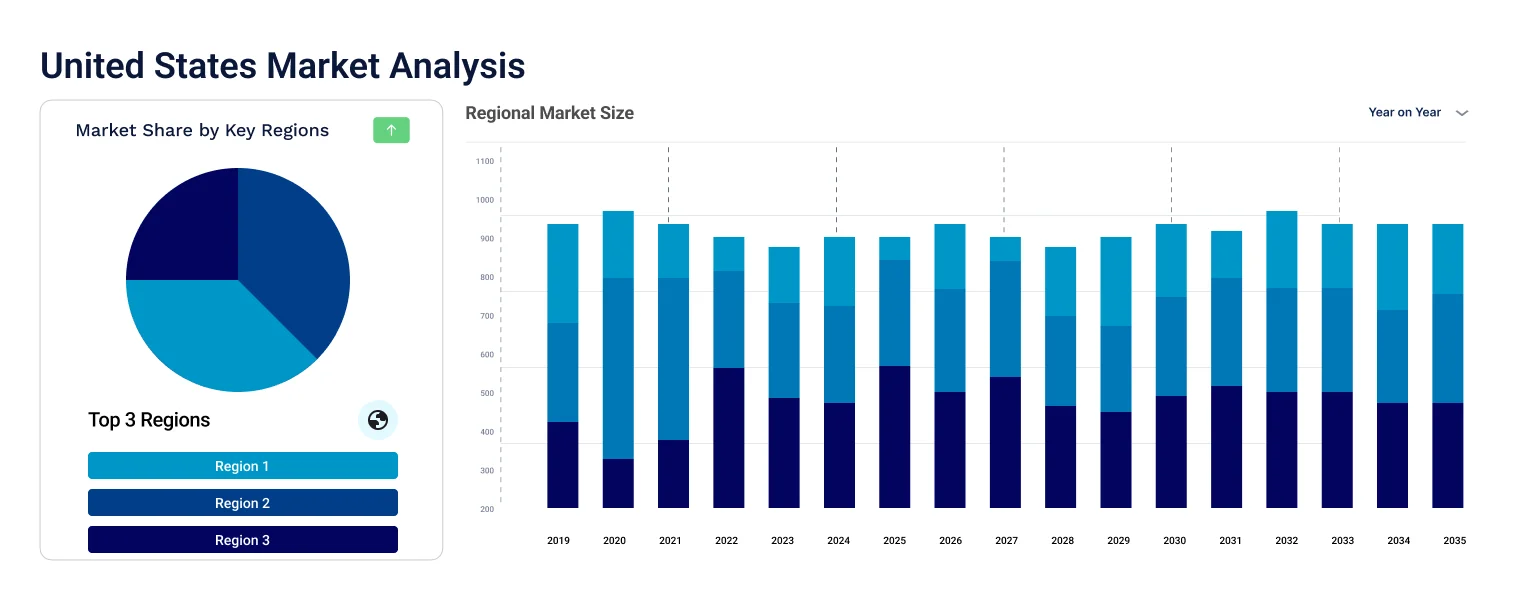
*this image is indicative*

United States Animal Protein Market Growth

Animal protein is an essential nutrient that is 90% absorbable and 85% digestible in the human body. It contains unique nutrients like heme-iron, Vitamin B12, Vitamin D, DHA, and zinc which cannot be obtained from consumption otherwise from a plant-based diet. They play a crucial role in repairing cell damage, in boosting immunity, and in promoting muscle growth.

Stringent government policies are compelling US farmers to raise their animals in a cruelty-free and healthy environment, integrating sustainable and ethical practices. The farmers rear and keep animals in hygienic places and provide organic and gut-friendly feed, to eliminate the risk of biomagnification and secure the quality of meat that reaches the markets. This is expected to boost the United States animal protein industry growth. 
United States Animal Protein Market Analysis

The United States animal protein market dynamics and trends are being influenced by the fact that most U.S. consumers (96%) base their food choices on labels, focusing on animal rearing conditions and their diet. This creates opportunities for meat brands to build trust through transparent labelling.

Technological innovations are prompting US companies to manufacture cultivated meat for mass consumption, eliminating the need to raise farm animals for food and other purposes. This is expected to boost the United States animal protein market demand. 

United States Animal Protein Industry Outlook

The United States continues to be a dominant player in the global feed and livestock industry, supported by over 5,800 animal feed manufacturing facilities producing more than 284 million tons of finished feed and pet food annually, according to the American Feed Industry Association (AFIA) as of 2021. Livestock and poultry are critical to U.S. agricultural outputs, consistently contributing over USD 100 billion per year to cash receipts, a reflection of the strong demand for animal protein products. This robust production capacity underpins the country’s significant role in the United States animal protein market growth. 

Projections from the United Nations Food and Agriculture Organization (FAO) indicate a more than 60% increase in global food production by 2050, with animal-based protein production expected to rise at an annual rate of 1.7% between 2020 and 2050. This growth trajectory suggests that the U.S. animal protein market is well-positioned to benefit from rising global and domestic demand, driven by an expanding population, and increasing per capita meat consumption. The FAO's forecasts align with expectations from the International Feed Industry Federation (IFIF), which anticipates nearly 70% growth in meat production, a 90% increase in seafood production, and a 55% rise in dairy production by 2050. These trends indicate a sustained expansion of the United States animal protein industry as it continues to meet the rising needs of both domestic and international consumers. 

Further, animal-based food products have long been a cornerstone of the American diet, a trend that continues to gain momentum. In 2021, the U.S. food price index for meat, poultry, and fish increased by 4.3%, contributing to a 0.68% year-over-year increase in the food and beverage segment. This uptick in pricing reflects both the rising demand for animal protein and the associated production costs, which are influenced by feed prices, labour, and transportation. The growing number of animals raised for food, with more than 10 billion chickens, cows, pigs, and turkeys in the U.S. food system in 2022, further underlines the scale of the market and the critical role of efficient and sustainable animal protein production in maintaining supply to meet consumer demand. 

The U.S. animal protein market is also buoyed by strong consumer spending patterns. In 2023, U.S. consumers allocated an average of 11.2% of their disposable personal income to food, consistent with spending levels in 2022. However, there was a notable shift in the composition of food spending, with the share allocated to food-away-from-home increasing from 5.6% to 5.9%, marking the highest percentage recorded since the series began. This trend reflects shifting consumer preferences and lifestyles, where convenience and dining out play a growing role, thus, boosting the United States animal protein industry revenue. The consistent portion of income allocated to food underscores the sector's resilience, with animal protein remaining a central part of consumer diets.

The growth of the United States animal protein industry is fuelled by strong consumer preference and its wide range of applications in the food industry.

  • A well-developed supply chain and infrastructure ensure efficient production and distribution across the country.
  • Innovations in processing and breeding technologies enhance productivity and product quality.

Increasing awareness of health issues related to high animal protein consumption may reduce demand.

  • Animal farming contributes to environmental concerns, including greenhouse gas emissions and resource use.
  • Fluctuations in feed costs and supply chain disruptions can impact market stability.

The growing interest in plant-based and lab-grown proteins can impact the opportunities in the United States animal protein market.

  • Expanding into international markets can provide additional revenue streams.
  • The development of value-added products and new flavours can attract health-conscious consumers and drive the United States animal protein market growth.

Potential stricter regulations on animal farming practices could impact production costs.

  • Economic instability may reduce consumer spending on premium animal protein products.
  • Outbreaks of livestock diseases can disrupt supply chains and impact market prices.

Key Players in the United States Animal Protein Market and Their Key Initiatives

Gelita AG

  • Invested in upgrading and expanding its manufacturing facilities to meet the growing demand of the United States animal protein market. 
  • Developed a range of advanced collagen products tailored to specific applications.

Glanbia PLC

  • Expanded its production capabilities within the United States for high-protein ingredients. 
  • Collaborated with leading feed manufacturers and distributors.

Groupe LACTALIS

  • implemented several initiatives to reduce its environmental impact.
  • Engaged in robust marketing and branding campaigns to capture the United States animal protein market opportunities.

United States Animal Protein Industry Segmentation

“United States Animal Protein Market Report and Forecast 2026-2035” offers a detailed analysis of the market based on the following segments:

Market Breakup by Type

  • Casein and Caseinate
  • Collagen
  • Egg Protein
  • Gelatine
  • Milk Protein
  • Whey Protein
  • Others

Market Breakup by End Use

  • Supplements
  • Food and Beverages
  • Personal Care and Cosmetics
  • Animal Feed

Market Breakup by Region

  • New England
  • Mideast
  • Great Lakes
  • Plains
  • Southeast
  • Southwest
  • Rocky Mountain
  • Far West

United States Animal Protein Market Share

As per the United States animal protein market analysis, animal feed is expected to be one of the growing segments based on end-use. The byproducts generated in meatpacking facilities, like viscera, blood, and substandard carcasses can constitute a substantial source of animal protein in animal feed upon value addition and further processing. The consumption of animal proteins by animals can improve their digestion, boost their immunity to bacterial diseases, and enhance overall health favourably. 

The incorporation of animal proteins into food supplements to add nutritional value is anticipated to rise. Animal proteins can enhance the nutritional profile of plant-based diets, contributing to increased United States animal protein demand growth. 

Leading Companies in the United States Animal Protein Market

The companies specialise in the manufacturing and distribution of various sports drinks, nutritional supplements, and dairy/non-dairy products, among others.

  • Darling Ingredients Inc. 
  • Gelita AG 
  • Glanbia PLC 
  • Groupe LACTALIS 
  • Royal FrieslandCampina N.V. 
  • Fonterra Co-Operative Group Ltd. 
  • Ajinomoto Co., Inc. 
  • Arla Foods amba 
  • Kerry Group PLC 
  • Farbest-Tallman Foods Corporation
  • Others

*While we strive to always give you current and accurate information, the numbers depicted on the website are indicative and may differ from the actual numbers in the main report. At Expert Market Research, we aim to bring you the latest insights and trends in the market. Using our analyses and forecasts, stakeholders can understand the market dynamics, navigate challenges, and capitalize on opportunities to make data-driven strategic decisions.*

Looking for specific insights?

Get in touch with us for a customized solution tailored to your unique requirements and save upto 35%!

Key Questions Answered in the Report

In 2025, the market reached an approximate value of USD 2.15 Billion.

The market is projected to grow at a CAGR of 4.30% between 2026 and 2035.

The market is estimated to witness healthy growth in the forecast period of 2026-2035 to reach a value of around USD 3.28 Billion by 2035.

The market is being driven by the growing applications of animal protein in several industries, including food, cosmetics, and animal feed.

The key trends aiding the market expansion include increasing preference for animal-based diet to meet daily nutritional requirements, improvement in animal rearing practices, and potential application of cultivated meat.

The market is broken down into New England, Mideast, Great Lakes, Plains, Southeast, Southwest, Rocky Mountain, and Far West.

The major end uses of animal protein include supplements, food and beverages, personal care and cosmetics, and animal feed.

The competitive landscape consists of Darling Ingredients Inc., Gelita AG, Glanbia PLC, Groupe LACTALIS, Royal FrieslandCampina N.V., Fonterra Co-Operative Group Ltd., Ajinomoto Co., Inc., Arla Foods amba, Kerry Group PLC, and Farbest-Tallman Foods Corporation, among others.

The animal protein market is categorised according to type, which includes casein and caseinate, collagen, egg protein, gelatine, milk protein, whey protein and others.

Report Summary

Explore our key highlights of the report and gain a concise overview of key findings, trends, and actionable insights that will empower your strategic decisions.

Key Highlights of the Report

Please note that the figures mentioned in the description serve as estimates and may vary from the actual figures presented in the final report.

REPORT FEATURES DETAILS
Base Year 2025
Historical Period 2019-2025
Forecast Period 2026-2035
Scope of the Report

Historical and Forecast Trends, Industry Drivers and Constraints, Historical and Forecast Market Analysis by Segment:

  • Type
  • End Use
  • Region
Breakup by Type
  • Casein and Caseinate
  • Collagen
  • Egg Protein
  • Gelatine
  • Milk Protein
  • Whey Protein
  • Others
Breakup by End Use
  • Supplements
  • Food and Beverages
  • Personal Care and Cosmetics
  • Animal Feed
Breakup by Region
  • New England
  • Mideast
  • Great Lakes
  • Plains
  • Southeast
  • Southwest
  • Rocky Mountain
  • Far West
Market Dynamics
  • SWOT Analysis
  • Porter's Five Forces Analysis
  • Key Indicators for Demand
  • Key Indicators for Price
Competitive Landscape
  • Market Structure
  • Company Profiles
    • Company Overview
    • Product Portfolio
    • Demographic Reach and Achievements
    • Certifications
Companies Covered
  • Darling Ingredients Inc.
  • Gelita AG
  • Glanbia PLC
  • Groupe LACTALIS
  • Royal FrieslandCampina N.V.
  • Fonterra Co-Operative Group Ltd.
  • Ajinomoto Co., Inc.
  • Arla Foods amba
  • Kerry Group PLC
  • Farbest-Tallman Foods Corporation
  • Others

Datasheet

10 % Off

USD

2,499

2,249

Single User License

10 % Off

USD

3,999

3,599

Five User License

15 % Off

USD

4,999

4,249

Corporate License

15 % Off

USD

5,999

5,099

Datasheet

One User

USD 2,499

USD 2,249

tax inclusive*

  • Selected Segments
  • Printing Restrictions
  • Excel Spreadsheet Delivered via Email
  • Full Report
  • Periodic Updates
  • Post Sales Analysts Support
  • Unlimited Prints

Single User License

One User

USD 3,999

USD 3,599

tax inclusive*

  • All Segments
  • Printing Restrictions
  • PDF Delivered via Email
  • Custom Report Layout
  • Post Sales Analysts Support
  • Periodic Updates
  • Unlimited Prints

Five User License

Five User

USD 4,999

USD 4,249

tax inclusive*

  • All Segments
  • Five Prints Available
  • PDF Delivered via Email
  • Limited Free Customization
  • Post Sales Analyst Support
  • Custom Report Layout
  • Periodic Updates
  • Unlimited Prints

Corporate License

Unlimited Users

USD 5,999

USD 5,099

tax inclusive*

  • All Segments
  • Unlimited Prints Available
  • PDF & Excel Delivery via Email
  • Limited Free Customization
  • Post Sales Analysts Support
  • Discount On Next Update
  • Custom Report Layout

*Please note that the prices mentioned below are starting prices for each bundle type. Kindly contact our team for further details.*

Bundle Type

Flash Bundle

20% OFF Number of Reports: 3

Small Business Bundle

25% OFF Number of Reports: 5

Growth Bundle

30% OFF Number of Reports: 8

Enterprise Bundle

35% OFF Number of Reports: 10
Overview
  • Life Time Access
  • Analyst Support Related to Report
  • PDF Version of the Report
  • Complimentary Excel Data Set
  • Free Analyst Hours
  • Complimentary Free 1 Month Subscription to Trade Data Base
  • Complimentary One Month Subscription to Price Database (Chemicals only)
  • Complimentary PPT Version of the Report
  • Complimentary License Upgrade
  • Complimentary Power BI Dashboards
  • Life Time Access
  • Analyst Support Related to Report
  • PDF Version of the Report
  • Complimentary Excel Data Set
  • Free Analyst Hours - 50 Hours
  • Complimentary Free 1 Month Subscription to Trade Data Base
  • Complimentary One Month Subscription to Price Database (Chemicals only)
  • Complimentary PPT Version of the Report
  • Complimentary License Upgrade
  • Complimentary Power BI Dashboards
  • Life Time Access
  • Analyst Support Related to Report
  • PDF Version of the Report
  • Complimentary Excel Data Set
  • Free Analyst Hours - 80 Hours
  • Complimentary Free 1 Month Subscription to Trade Data Base
  • Complimentary One Month Subscription to Price Database (Chemicals only)
  • Complimentary PPT Version of the Report
  • Complimentary License Upgrade
  • Complimentary Power BI Dashboards
  • Life Time Access
  • Analyst Support Related to Report
  • PDF Version of the Report
  • Complimentary Excel Data Set
  • Free Analyst Hours - 100 Hours
  • Complimentary Free 1 Month Subscription to Trade Data Base
  • Complimentary One Month Subscription to Price Database (Chemicals only)
  • Complimentary PPT Version of the Report
  • Complimentary License Upgrade
  • Complimentary Power BI Dashboards

*Please note that the prices mentioned below are starting prices for each bundle type. Kindly contact our team for further details.*

Flash Bundle

Number of Reports: 3

20%

tax inclusive*

  • 3 Reports Included
  • Life Time Acess
  • Analyst Support Related to Report
  • PDF Version of the Report
  • Free 1 Month Subscription to Trade Data Base
  • 1 Month Subscription to Price Database (Chemicals only)
  • Complimentary Excel Data Set
  • PPT Version of the Report
  • Power BI Dashboards
  • License Upgrade
  • Free Analyst Hours

Small Business Bundle

Number of Reports: 5

25%

tax inclusive*

  • 5 Reports Included
  • Life Time Acess
  • Analyst Support Related to Report
  • PDF Version of the Report
  • Complimentary Excel Data Set
  • Free Analyst Hours - 50 Hours
  • Free 1 Month Subscription to Trade Data Base
  • 1 Month Subscription to Price Database (Chemicals only)
  • Complimentary Excel Data Set
  • PPT Version of the Report
  • Power BI Dashboards
  • License Upgrade

Growth Bundle

Number of Reports: 8

30%

tax inclusive*

  • 8 Reports Included
  • Life Time Acess
  • Analyst Support Related to Report
  • PDF Version of the Report
  • Complimentary Excel Data Set
  • Free Analyst Hours - 50 Hours
  • Free 1 Month Subscription to Trade Data Base
  • 1 Month Subscription to Price Database (Chemicals only)
  • License Upgrade
  • Free Analyst Hours - 80 Hours
  • Power BI Dashboards

Enterprise Bundle

Number of Reports: 10

35%

tax inclusive*

  • 10 Reports Included
  • Life Time Acess
  • Analyst Support Related to Report
  • PDF Version of the Report
  • Complimentary Excel Data Set
  • Free Analyst Hours - 50 Hours
  • Free 1 Month Subscription to Trade Data Base
  • 1 Month Subscription to Price Database (Chemicals only)
  • License Upgrade
  • Power BI Dashboards
  • Free Analyst Hours - 100 Hours

How To Order

This is a collaborative report by Dikshant Arora, Jaideep Kumar and Neha Gawande reflecting perspectives and research-driven insights from Expert Market Research.

Our step-by-step guide will help you select, purchase, and access your reports swiftly, ensuring you get the information that drives your decisions, right when you need it.

License Type

Select License Type

Choose the right license for your needs and access rights.

shopping cart

Click on ‘Buy Now’

Add the report to your cart with one click and proceed to register.

Bookmark Icon

Select Mode of Payment

Choose a payment option for a secure checkout. You will be redirected accordingly.

Strategic Solutions for Informed Decision-Making

Connect For More Information

Our expert team of analysts will offer full support and resolve any queries regarding the report, before and after the purchase.

Our expert team of analysts will offer full support and resolve any queries regarding the report, before and after the purchase.

We employ meticulous research methods, blending advanced analytics and expert insights to deliver accurate, actionable industry intelligence, staying ahead of competitors.

Our skilled analysts offer unparalleled competitive advantage with detailed insights on current and emerging markets, ensuring your strategic edge.

We offer an in-depth yet simplified presentation of industry insights and analysis to meet your specific requirements effectively.


We’re here to help answer any questions about our products and services.

Contact us