

Consumer Insights
Uncover trends and behaviors shaping consumer choices today
Procurement Insights
Optimize your sourcing strategy with key market data
Industry Stats
Stay ahead with the latest trends and market analysis.
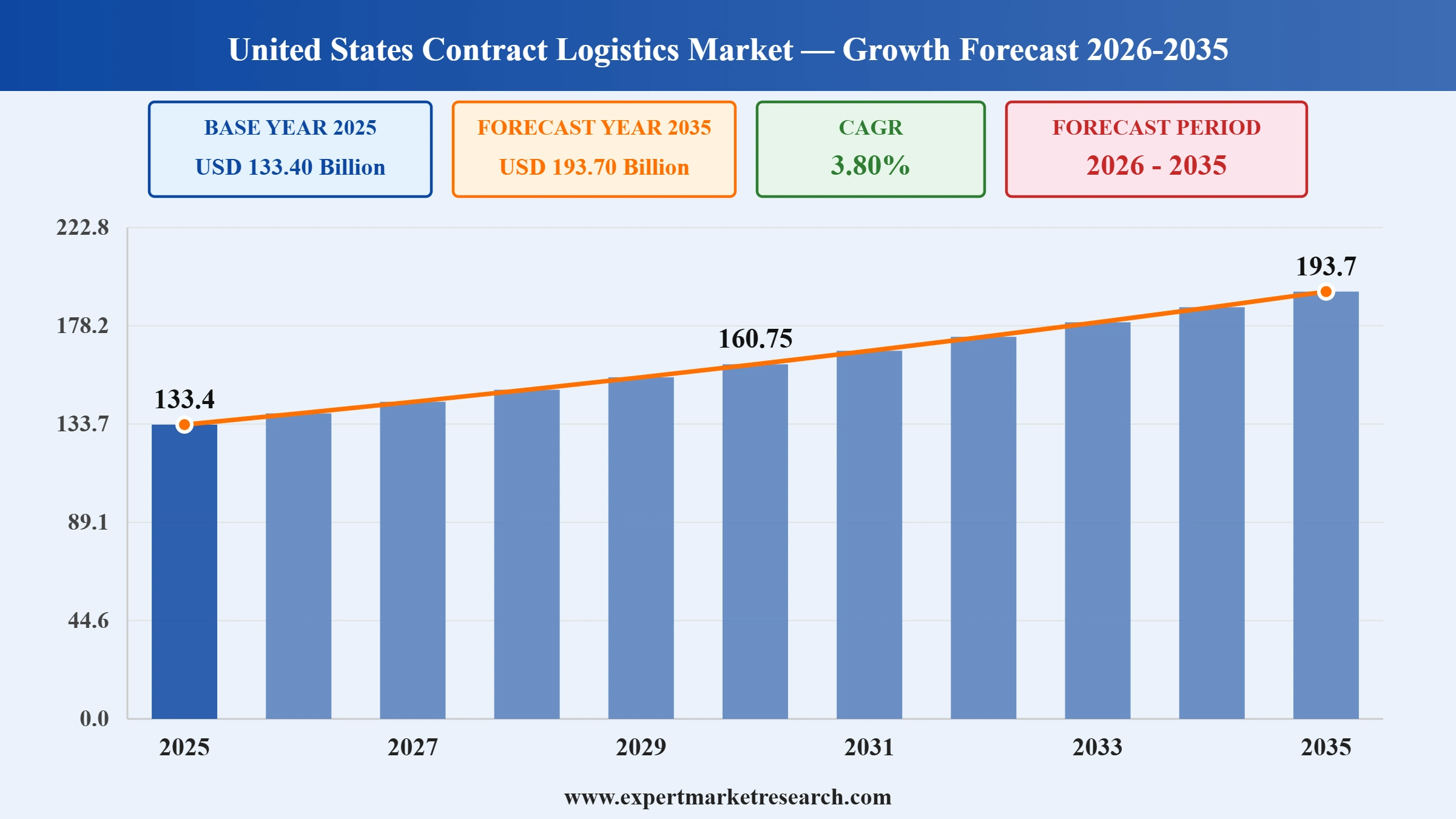
The United States contract logistics market size reached USD 133.40 Billion in 2025. The market is projected to grow at a CAGR of 3.80% between 2026 and 2035, reaching almost USD 193.70 Billion by 2035.
Read more about this report - REQUEST FREE SAMPLE COPY IN PDF
As per the United States contract logistics market analysis, warehouse leasing has recorded a significant uptick since the past five years in the United States. This is because it provides businesses with 29 % more flexibility in scaling and adapting to market demands. A lessor enables organisations to reduce operational hindrance by providing a team for ensuring timely maintenance and repair operations in warehouses.
The country possesses a skilled and professional workforce readily available for carrying out third party tasks in the logistics sector. Roadways is a popular mode of transportation due to its cost efficiency, flexibility of use, and door to door delivery. The preexisting infrastructure supports the transportation of freight by road. It is especially preferred by companies that ship freight in lesser quantities and within the country. Trucks can also be effectively used for intermodal transportation which significantly minimises overall freight management costs and boosts profitability.
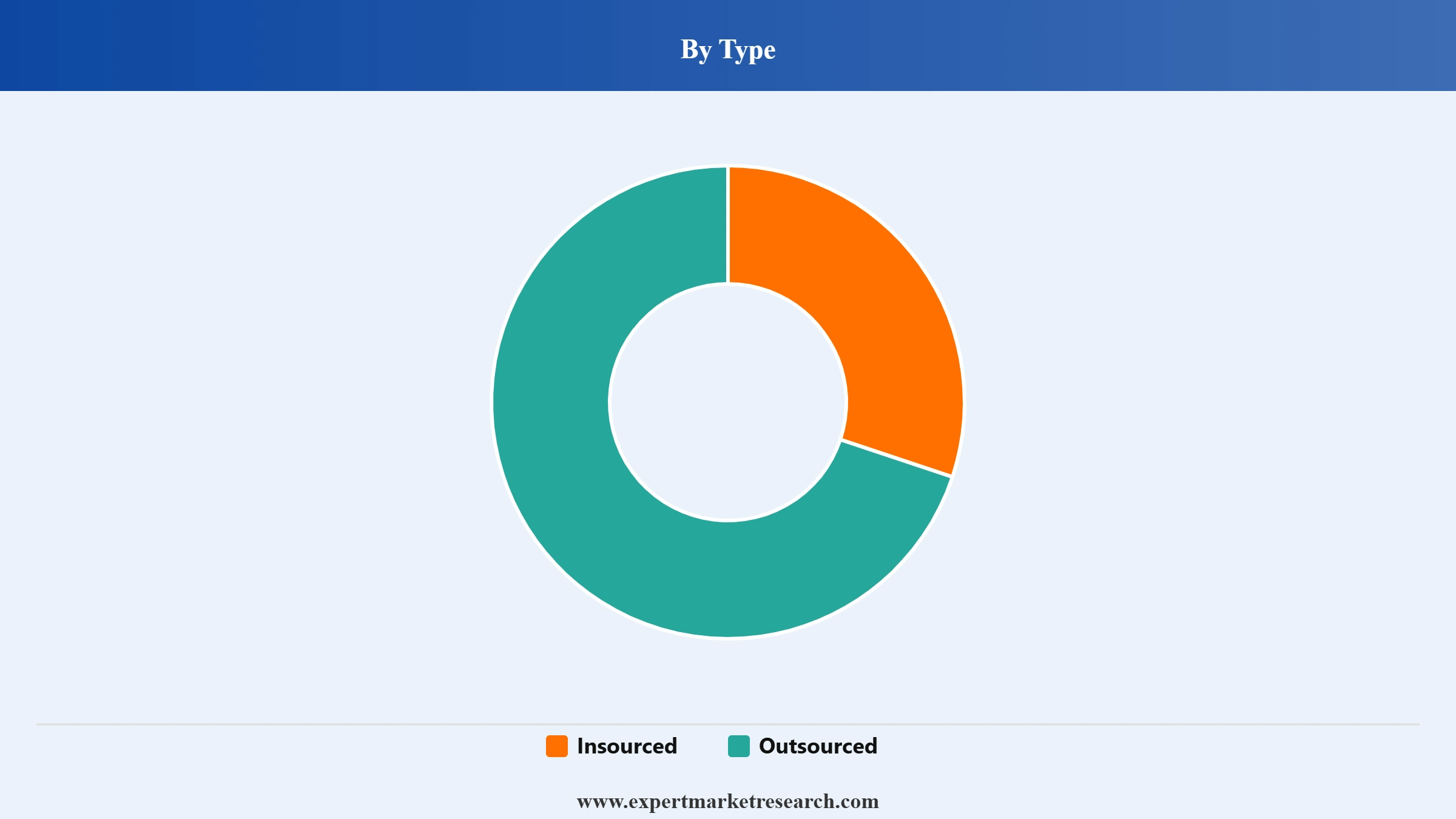
Among different types, insourced logistics is popular among large-scale e-commerce companies like Amazon because it simplifies the channels for communication with customers, which in turn enables them to voice their concerns regarding defective products/ services. This helps in boosting brand loyalty and market reputation. However, in the United States contract logistics market, outsourced logistics is also becoming popular as same-day deliveries gain prominence and expanding e-commerce companies award distribution and reverse logistics to third party specialists.
Read more about this report - REQUEST FREE SAMPLE COPY IN PDF
"United States Contract Logistics Market Report and Forecast 2026-2035" offers a detailed analysis of the market based on the following segments:
Market Breakup by Type
Key Insight: Both insourced and outsourced contract logistics models are gaining ground in the United States, driven by different but equally compelling business priorities. Large-scale enterprises across e-commerce, automotive, and manufacturing continue to invest in insourced operations to maintain tighter control over inventory visibility, customer communication, and brand experience. However, outsourcing is accelerating in response to structural market shifts. According to Armstrong and Associates, net revenues of the US third-party logistics market grew 5.1% in 2025 to USD 138 billion, as shippers sought flexible, tariff-aware fulfillment partners capable of managing inventory overflow and supply chain redesign. The 2025 tariff environment, which introduced import surcharges across a wide range of traded goods, accelerated outsourcing decisions as companies shifted from just-in-time to just-in-case inventory strategies and awarded distribution and reverse logistics management to specialist third-party providers.
Market Breakup by Service
Key Insight: Transportation remains the largest service segment in the United States contract logistics market, reflecting the central role of road freight in moving the majority of domestic goods. According to the American Trucking Associations, trucks moved 11.27 billion tons of freight in 2024, accounting for 67% of surface trade between the US and Canada. Warehousing is the fastest-evolving service segment, with warehouse leasing activity rising sharply as companies shift to just-in-case inventory models. As of April 2025, an estimated 286 million square feet of industrial space was under active demand assessment, according to Clarion Partners. Distribution and reverse logistics are emerging as high-growth sub-segments, driven by the growth of e-commerce returns, with third-party providers routing returned goods to nearby hubs for triage, repackaging, and resale. The 2025 end of the USD 800 de minimis duty-free exemption for overseas parcels is accelerating the onshoring of fulfillment operations, creating fresh demand across all service categories.
Market Breakup by Mode of Transportation
Key Insight: Roadways dominate the United States contract logistics market by a significant margin, supported by the country's extensive interstate highway network and the cost-efficiency advantages of truck-based freight. The American Trucking Associations reported that trucks accounted for 67% of all surface freight value moved between the US and Canada in 2024, cementing roadways as the backbone of domestic contract logistics. However, the structural truck driver shortage, estimated at between 60,000 and 80,000 drivers in 2025 by industry groups, continues to pressure capacity and cost. Airways are utilised for time-critical shipments, particularly in healthcare and high-value manufacturing supply chains, where speed takes precedence over cost. Railways and waterways serve bulk freight and intermodal applications, with rail corridors increasingly important for cross-border flows under nearshoring arrangements, and inland waterways providing low-cost capacity for industrial commodities particularly across the Plains and Great Lakes regions.
Market Breakup by End Use
Key Insight: The end-use landscape of the United States contract logistics market reflects the breadth and diversity of the domestic economy, with each vertical driven by distinct logistics requirements. The automotive sector is experiencing a structural realignment as nearshoring brings more vehicle component manufacturing closer to the US border, with bilateral US-Mexico trade reaching USD 798 billion in 2024 and warehouse construction in border regions surging 67% during 2025, according to industry data. Manufacturing is the largest and most consistent end-use segment, anchored by industrial activity in the Great Lakes and Southeast. Healthcare logistics is growing rapidly, driven by pharmaceutical cold-chain demands, medical device distribution, and the complexity of regulated product handling. Consumer goods and retail is the most dynamic segment, shaped by e-commerce growth and the corresponding need for flexible fulfilment and reverse logistics infrastructure. The metal segment depends heavily on rail and waterway transport for bulk commodity movement, while the others category encompasses food and beverage, technology, and energy sector logistics.
Market Breakup by Region
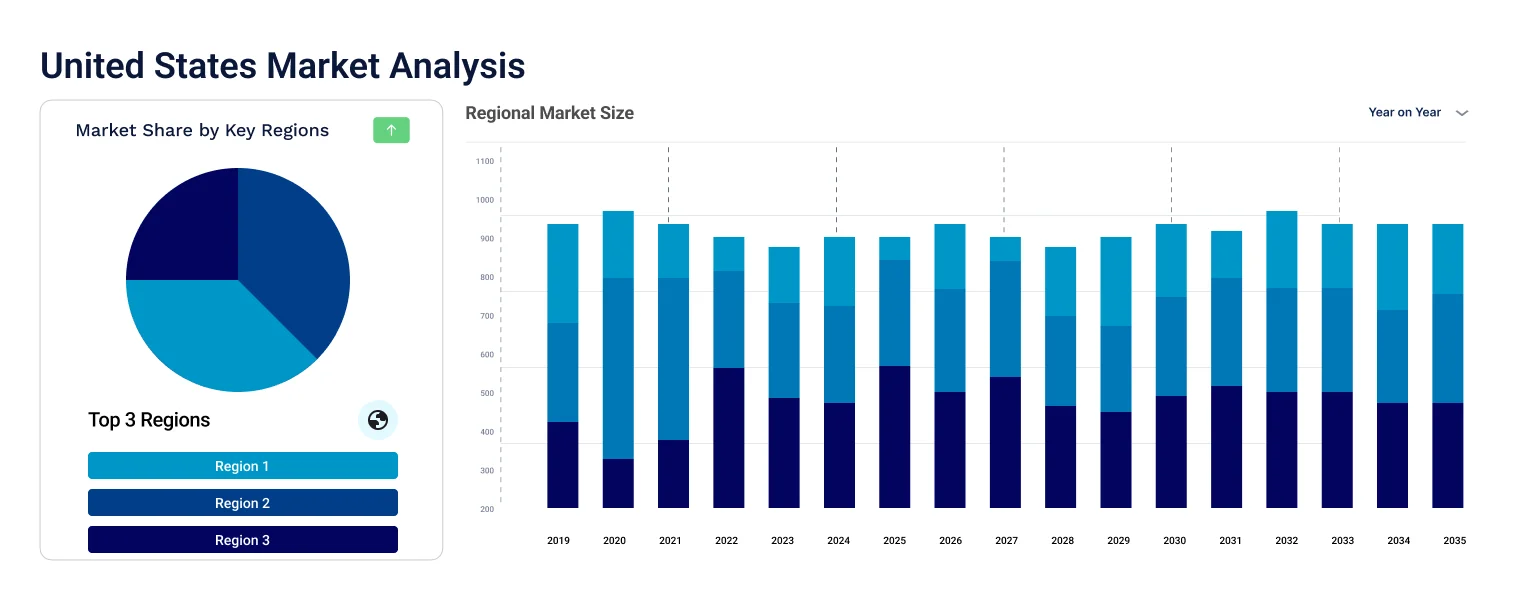
Key Insight: The United States contract logistics market exhibits a clear regional hierarchy shaped by the geography of manufacturing, population density, and freight infrastructure. The Great Lakes region, encompassing Michigan, Ohio, Indiana, and Illinois, remains the industrial heartland of domestic logistics, serving the automotive and manufacturing sectors through dense highway and rail networks. The Southeast is the fastest-growing region, absorbing 38% of new industrial builds in 2025 according to industry data, attracted by lower land costs, competitive labour pools, and state incentive programmes across Georgia, Tennessee, Alabama, and the Carolinas. The Mideast, anchored by the New York-New Jersey port complex and Pennsylvania's freight corridors, commands the highest volume of import-related logistics activity. The Far West, dominated by California's ports of Los Angeles and Long Beach, serves as the primary gateway for trans-Pacific container flows, though port congestion and high real estate costs are pushing some distribution activity inland. The Southwest and Rocky Mountain regions are benefiting from nearshoring-related growth, with new logistics facilities emerging near the US-Mexico border to serve cross-border supply chains.

Read more about this report - REQUEST FREE SAMPLE COPY IN PDF
The United States contract logistics market is highly competitive, with global and regional providers expanding warehousing, fulfilment, transportation, reverse logistics, and cold-chain capabilities. Key companies are strengthening their positions through automation, acquisitions, specialised industry solutions, and technology-led supply-chain visibility.
The United States contract logistics market faces persistent operational challenges, the most acute of which is the structural shortage of truck drivers. According to the American Trucking Associations, the industry was short between 60,000 and 80,000 drivers in 2025, with projections suggesting the gap could exceed 160,000 by 2030. The Bureau of Labor Statistics reported that Transportation and Warehousing employment fell to 6,548,000 in January 2026, a 1.8% year-on-year decline, even as the BLS Job Openings and Labor Turnover Survey recorded 308,000 open positions in the same sector, illustrating a deepening skills mismatch that is simultaneously reducing headcount and sustaining wage pressure. A January 2025 industry estimate placed the cost of idle trucks due to the driver shortage at USD 95.5 million per week, a figure that compounds across the broader supply chain through missed delivery windows and inventory delays.
Tariff volatility presents the most significant structural restraint on planning and investment within the market. The 2025 introduction of reciprocal tariffs, including a 10% baseline on all imports with higher rates on goods from key trading partners, disrupted established trade flows and forced companies to reassess sourcing, warehousing location, and freight routing strategies. According to a 2025 Risk Pulse, 82% of companies reported tariff-driven operational disruptions during the year, with resilience rather than cost efficiency becoming the primary driver of supply chain network changes. The end of the USD 800 de minimis duty-free exemption for overseas parcel shipments in 2025 has further complicated the logistics calculus for e-commerce fulfilment providers, while unpredictable exemption pathways and shifting trade policy create ongoing uncertainty that slows long-term capital investment decisions across the sector.
The reshoring and nearshoring of manufacturing activity represents the most significant structural opportunity for the United States contract logistics market over the forecast period. As companies relocate production from Asia to domestic or near-border facilities, the demand for warehousing, distribution, and value-added logistics services in regions such as the Southeast, Southwest, and Great Lakes is expanding rapidly. GXO Logistics CEO Patrick Kelleher described North America as a top organic growth priority in early 2026, estimating the addressable contract logistics market at approximately USD 250 billion and growing, specifically citing tariff-driven supply chain redesign and accelerating automation as key demand catalysts. The US CHIPS and Science Act, which allocated USD 52.7 billion toward domestic semiconductor manufacturing, and broader industrial policy supporting domestic battery and clean energy production, are creating long-term logistics demand anchored to new manufacturing investment across multiple end-use verticals.


Upto 15% Off
USD
$2499 $2249
$3999 $3599
$4999 $4249
$5999 $5099


*While we strive to always give you current and accurate information, the numbers depicted on the website are indicative and may differ from the actual numbers in the main report. At Expert Market Research, we aim to bring you the latest insights and trends in the market. Using our analyses and forecasts, stakeholders can understand the market dynamics, navigate challenges, and capitalize on opportunities to make data-driven strategic decisions.*
The market was valued at nearly USD 133.40 Billion in 2025.
The market is projected to grow at a CAGR of 3.80% between 2026 and 2035.
The market is assessed to witness a healthy growth in the forecast period of 2026-2035 to reach around USD 193.70 Billion in 2035.
The different modes of transportation in the market include roadways, airways, waterways, and railways.
The major end users in the market include automotive, manufacturing, healthcare, consumer goods and retail, and metal, among others.
The different types considered in the market report are insourced and outsourced.
The major markets include New England, Mideast, Great Lakes, Plains, Southeast, Southwest, Rocky Mountain, and Far West.
The key market players are Kuehne and Nagel International AG, Deutsche Post AG, United Parcel Service, Inc., Schenker AG, DSV A/S, CMA CGM Group (CEVA), GEODIS S.A., GXO Logistics Inc., Hellmann Worldwide Logistics SE & Co. KG, and GAC Group (Holdings) Limited, among others.
Explore our key highlights of the report and gain a concise overview of key findings, trends, and actionable insights that will empower your strategic decisions.
| REPORT FEATURES | DETAILS |
| Base Year | 2025 |
| Historical Period | 2019-2025 |
| Forecast Period | 2026-2035 |
| Scope of the Report |
Historical and Forecast Trends, Industry Drivers and Constraints, Historical and Forecast Market Analysis by Segment:
|
| Breakup by Type |
|
| Breakup by Service |
|
| Breakup by Mode of Transportation |
|
| Breakup by End Use |
|
| Breakup by Region |
|
| Market Dynamics |
|
| Competitive Landscape |
|
| Companies Covered |
|
Datasheet
One User
USD 2,499
USD 2,249
tax inclusive*
Single User License
One User
USD 3,999
USD 3,599
tax inclusive*
Five User License
Five User
USD 4,999
USD 4,249
tax inclusive*
Corporate License
Unlimited Users
USD 5,999
USD 5,099
tax inclusive*
*Please note that the prices mentioned below are starting prices for each bundle type. Kindly contact our team for further details.*
Flash Bundle
Small Business Bundle
Growth Bundle
Enterprise Bundle
*Please note that the prices mentioned below are starting prices for each bundle type. Kindly contact our team for further details.*
Flash Bundle
Number of Reports: 3
20%
tax inclusive*
Small Business Bundle
Number of Reports: 5
25%
tax inclusive*
Growth Bundle
Number of Reports: 8
30%
tax inclusive*
Enterprise Bundle
Number of Reports: 10
35%
tax inclusive*
How To Order

Select License Type
Choose the right license for your needs and access rights.

Click on ‘Buy Now’
Add the report to your cart with one click and proceed to register.

Select Mode of Payment
Choose a payment option for a secure checkout. You will be redirected accordingly.
Strategic Solutions for Informed Decision-Making
Gain insights to stay ahead and seize opportunities.

Get insights & trends for a competitive edge.

Track prices with detailed trend reports.

Analyse trade data for supply chain insights.

Leverage cost reports for smart savings

Enhance supply chain with partnerships.

Connect For More Information
Our expert team of analysts will offer full support and resolve any queries regarding the report, before and after the purchase.
Our expert team of analysts will offer full support and resolve any queries regarding the report, before and after the purchase.
We employ meticulous research methods, blending advanced analytics and expert insights to deliver accurate, actionable industry intelligence, staying ahead of competitors.
Our skilled analysts offer unparalleled competitive advantage with detailed insights on current and emerging markets, ensuring your strategic edge.
We offer an in-depth yet simplified presentation of industry insights and analysis to meet your specific requirements effectively.




