

Consumer Insights
Uncover trends and behaviors shaping consumer choices today
Procurement Insights
Optimize your sourcing strategy with key market data
Industry Stats
Stay ahead with the latest trends and market analysis.
The United States shampoo market size was valued at USD 5.50 Billion in 2025. The industry is expected to grow at a CAGR of 4.10% during the forecast period of 2026-2035 to reach a value of USD 8.22 Billion by 2035. The market is experiencing robust growth as salon professional and prestige haircare brands strategically expand into mainstream retail channels, fueling the demand for innovative products. professional and prestige haircare brands strategically expand into mainstream retail channels.
The United States shampoo expansion is experiencing a boost due to the increasing consumer preference for clean and sustainable products. These products are often free of sulfates and parabens, as well as being plant-based, which makes them very attractive to eco-conscious consumers. At the same time, the increasing demand for personalized haircare products, such as those targeting specific scalp problems or hair textures, is encouraging niche innovation. This is enabling brands to stand out and attract loyal consumer segments.
Consumers are increasingly looking for top-notch, stylist-endorsed shampoos that can give them salon-quality results at home. This is what is driving the demand for well-known brands that have a wide availability. Retail strategies that use multiple channels, such as a brick-and-mortar store combined with an online platform, are becoming necessary to be able to reach both existing customers and potential buyers. By getting into a well-established retail ecosystem, brands have the opportunity to expose their premium products to consumers who do not usually visit salons, which leads to an increase in product trials and eventually repeat purchases. Furthermore, greater availability leads to cross-shopping within other related haircare categories such as conditioners, treatments, and styling tools, thereby strengthening the growth of the entire category. Citing a prominent instance of the growing trend in the United States shampoo market, in October 2025, Amika announced its collaboration with Ulta Beauty, bringing its salon, high-quality shampoos, and haircare products to around 1,500 shops nationwide and online. This was the brand's first major retail partnership in almost a decade.
Compound Annual Growth Rate
4.1%
Value in USD Billion
2026-2035
Kitsch introduced its first liquid shampoos and conditioners, with 12 formulas spread across six ranges, at Target, Ulta Beauty, Amazon, and kitsch.com. The United States made a collection highlighting salon-level performance, effectiveness proven by consumers, and eco-friendly packaging with 84.96% bio-based materials. This line extension deepened Kitsch's footprint in sustainable and high-performance haircare, thus contributing to the overall market growth by facilitating the availability of premium products to a broader audience.
Procter & Gamble introduced three newly upgraded Head & Shoulders collections nationwide, which offer targeted shampoos and conditioners for different scalp and hair types. The personalized products increased the level of consumer engagement, promoted regular usage, and thus contributed to the overall United States shampoo market growth by introducing premium, result-oriented haircare solutions.
Cécred increased its footprint in the United States by launching its award-winning haircare products in more than 1,400 Ulta Beauty stores across the country, thereby blending in-store merchandising with salon integration. The strategic decision provided consumers with better access to high-end haircare solutions, increased brand recognition, and facilitated the market growth by encouraging the use of top-notch, inclusive shampoos for a variety of hair types.
Suave rolled out 34 items in hair, body, and men's grooming categories at all major United States retailers, including the Bonding Infusion Collection and Hyaluronic Infusion shampoos. The line-up has increased consumers' access to the performance and affordability of haircare products, thus supporting the growth of the market by making salon-inspired formulas for various hair types more popular.
Consumers are becoming more interested in haircare products that can solve their problems, further propelling the launch of new functional shampoos that include benefits such as scalp nourishment, hydration, and hair strengthening. Brands are increasingly turning to natural ingredients while still relying on scientific formulations to tackle different hair issues. This combination attracts consumers who prioritize health and wellness and are even willing to pay a premium for such products. Moreover, the United States shampoo market trend is not only promoting single sales but also increasing the buying frequency and average spending. In June 2025, Arbonne unveiled a plant-powered Hair Care Collection comprising restorative shampoos and scalp-focused solutions.
Professional distribution partnerships remain essential for premium labels to acquire stylist endorsement and gain trust. By supplying their products through professional channels, companies in the United States shampoo market make sure that hairstylists will be recommending their shampoos, which is a deciding factor for consumers buying. These partnerships also lead to an increase in the number of salons and savvy customers who can afford premium products coming across the brand. In February 2025, Beauty Systems Group (Sally Beauty) declared a distribution partnership with K18, thus bringing its biotech haircare brand to United States and Canadian professional channels.
Through acquisitions, large consumer goods companies may diversify their haircare portfolios while securing the different market segments. By purchasing emerging or niche brands, conglomerates are empowered to rapidly scale distribution and profit from brand equity. Besides, these strategic decisions facilitate cross-category synergies and increase the company's position in the competitive landscape of the United States shampoo market. Unilever signed a definitive agreement in June 2025 to purchase the men's personal care brand Dr. Squatch, best known for its natural shampoos and grooming products, thereby expanding its premium portfolio.
Direct-to-consumer and social-first marketing approaches are becoming major factors in driving growth in the haircare sector. Brands making use of viral campaigns, influencer collaborations, and digital storytelling are not only attracting younger demographics but also encouraging higher rates of trial. These strategies help to increase brand awareness, consumer loyalty, and market share. After the acquisition of Dr. Squatch in June 2025, the brand's viral, social-first marketing was identified by marketers as a significant factor in the brand's rapid consumer traction.
With e-commerce taking the lead as the preferred channel for beauty and personal care products, brands are ramping up their online activities to attract more customers. Shopping online means that marketing can be more targeted, it's more convenient, and it opens the opportunities in the United States shampoo market to those shoppers who may not visit physical stores. Besides, this is a great way to introduce new products smoothly while simultaneously collecting consumer feedback. In May 2025, AVEDA revealed its launch into the United States Amazon Premium Beauty Store, making its line of plant-based shampoos and haircare products available to a nationwide online audience.
The EMR’s report titled “United States Shampoo Market Report and Forecast 2026-2035” offers a detailed analysis of the market based on the following segments:
Market Breakup by Product Type
Key Insights: The United States shampoo market scope comprises medicated and non-medicated product types. P&G and Johnson & Johnson are among the companies that are constantly coming up with new medicated shampoos to treat scalp issues like dandruff and sensitivity. On the other hand, non-medicated shampoos are being developed to provide consumers with more nourishing, moisturizing, and natural-ingredient products. Unilever and L'Oréal continue investing in clean-label, sulphate-free, and functional formulations. They are working to develop products that align with healthy, conscious, performance-oriented, and inclusive haircare trends, which is a broader industry push.
Market Breakup by Price Category
Key Insights: The market is further split into mass and premium sectors, with companies using different tactics in each area. Suave and Pantene, for example, concentrate on the mass market and make products that are comfortable, affordable, and easy to access in terms of price. Premium brands such as Cécred and Krastase (L'Oreal) focus on attractive, high-performance, environmentally friendly, and salon-style products to lure sophisticated buyers. With cutting-edge ingredients, sustainable packaging, and advertising strategies, companies are capturing both volume and value of the United States shampoo market, fulfilling the payment capacity of consumers with divers' tastes and simultaneously resulting in an increased market size.
Market Breakup by End User
Key Insights: The United States shampoo market caters men, women, and kids, each having different needs. P&G and Unilever make men's shampoos that emphasize ease of use, scalp health, and multi-functionality. On the other hand, women's shampoos are more about targeted treatments like hydration, repair of damages, and color protection, with L'Oreal and Johnson & Johnson leading the way in innovative, efficacy-focused formulations. When it comes to kids, the focus is on mild, tear-free products made with safe ingredients. These custom-made products show the brands' attempts to cater to the changing needs of consumers who want personalized, effective, and safe products for use across all age groups.
Market Breakup by Distribution Channel
Key Insights: Products in the United States shampoo market are distributed through channels such as supermarkets & hypermarkets, convenience stores, drugstores & pharmacies, online, and other channels. P&G, Unilever, and L'Oreal, for instance, use omnichannel strategies to increase their exposure, thus ensuring their footprint in the traditional retail sector while also developing digital platforms to accommodate the growing demand for e-commerce. Moreover, in-store promotions, subscription options, and direct-to-consumer sales channels are ways brands can reach their consumers more effectively, adjust to new shopping patterns, and strengthen brand loyalty through various touchpoints.
Market Breakup by Region
Key Insights: The United States shampoo market landscape covers the New England, Mideast, Great Lakes, Plains, Southeast, Southwest, Rocky Mountain, and Far West regions. Regional initiatives by companies like P&G, Johnson & Johnson, and L'Oreal consist of a customized marketing approach, product placement, and distribution optimization that are reflective of the local consumer preferences and lifestyle trends. The city areas show a greater demand for high-end and clean-label products, whereas the mass market segments do well in densely populated areas. Through these strategies, companies can provide products that are in line with the continuously changing needs of consumers while at the same time having a market presence throughout the country.
By product type, medicated category witness high demand owing to the increasing need for advanced scalp treatments
The medicated shampoos are in high demand in the United States shampoo market as consumers are increasingly looking for effective and targeted solutions to scalp conditions and hair loss. A case in point is Freedom Clinic Toronto, which, in November 2025, launched the first 2% Zinc Pyrithione shampoo in Canada, which contains a higher concentration than the usual formula. Brands in this category that treat inflammation, flaking, and follicle health issues, as well as hair regrowth, are satisfying the demand that has been going up for clinically proven, high-performance medicated solutions, thus driving adoption and securing long-term market growth.
The non-medicated shampoo category is growing as consumers are opting for gentle, everyday hair care products that not only keep the hair healthy but also help in styling and provide good sensory appeal. Companies like Pantene, Dove, Garnier, Suave, and Herbal Essences have come up with sulfate-free, natural, and ingredient-forward formulations that cater to different hair types. By putting the spotlight on moisture, luster, and hair health, these firms are satisfying the shifting consumer preferences for daily hair care that is safe, effective, and enjoyable, thus stimulating United States shampoo market growth.
By price category, premium shampoos are gaining traction driven by high-efficacy offerings
The premium shampoos are witnessing strong growth as consumers increasingly seek high-performance, dermatologically backed solutions. In November 2024, European scalp care brand Vichy Dercos entered the United States market via the Amazon Premium Beauty store, targeting the 60% of dandruff sufferers not using specialized products. By combining clinically proven active ingredients with sensorial textures, Vichy Dercos meets consumer demand for efficacy, scalp health, and a luxurious hair care experience, driving adoption and expansion within the premium segment of the United States shampoo market.
On the other hand, the mass segment of the shampoo market in the United States is growing steadily, driven by consumer demand for affordable and accessible hair care solutions. Key players such as Procter & Gamble, Unilever, and Colgate-Palmolive focus on functional formulations, varied fragrances, and convenient packaging to meet everyday hair care needs. By ensuring wide availability across supermarkets, drugstores, and online channels, these companies are effectively reaching price-conscious consumers while maintaining brand loyalty, which continues to support consistent growth in the mass shampoo segment.
By end user, women lead market demand owing to the growing focus on hair health and celebrity-endorsed brands
Women account for a considerable share of the United States shampoo market, owing to the booming demand for women's haircare as companies are centering their efforts on personalized, high-performance solutions that address various hair types and needs. To fulfill changing consumer demands, brands are putting a lot of weight on efficacy, nourishment, and aligning with the consumer's lifestyle, at the same time using social media engagement and influencer collaborations to deepen brand loyalty. This is how rapper Cardi B embodies the trend, who in February 2026 announced her haircare line, Grow Good, that focuses on hair growth and overall hair health.
On the other hand, men have started contributing to the growing demand of the United States shampoo market, influenced by growing requests for high-performance and specialized haircare solutions. On the market front, major businesses like CLEAR are taking advantage of this trend by providing scientifically based men's anti-dandruff and scalp care products. For instance, in January 2026, CLEAR joined forces with Oracle Red Bull Racing to convey the message of performance in extreme conditions, thus combining the most advanced scalp technology with brand experiences that appeal to male consumers who desire grooming solutions that are effective and boost their confidence.
By distribution channel, online channels boost product sales driven by convenience and direct-to-consumer access
The United States shampoo market saw a sharp rise in sales through the online shops as brand names widened their digital footprints and launched direct-to-consumer options. A few examples are Garnier and L'Oreal, which put the spotlight on launching products only through e-commerce and creating specialized product lines based on the latest consumer trends of seeking convenience, personalization, and ingredient-focused products. In September 2025, Garnier released its Method for Curls range solely on Amazon, featuring sulfate- and silicone-free formulas for various curl types. These initiatives increased the product's availability, deepened customer-brand relationships, and enabled firms to attract entirely new consumer groups, hence backing the business growth in general.
The professional and salon distribution division is a continuous source of United States shampoo market revenue in shampoo, as the brands place a heavy emphasis on using expert endorsements and in-chair experiences to increase product adoption. In January 2026, Bumble & Bumble used SalonCentrics' omnichannel network to provide physical and digital access to over 850 storefronts and online outlets across the United States. This approach elevates stylist-led recommendations, repeat purchases, and brand visibility. Furthermore, through training, experts learn about the products and their benefits, which helps to increase product adoption.
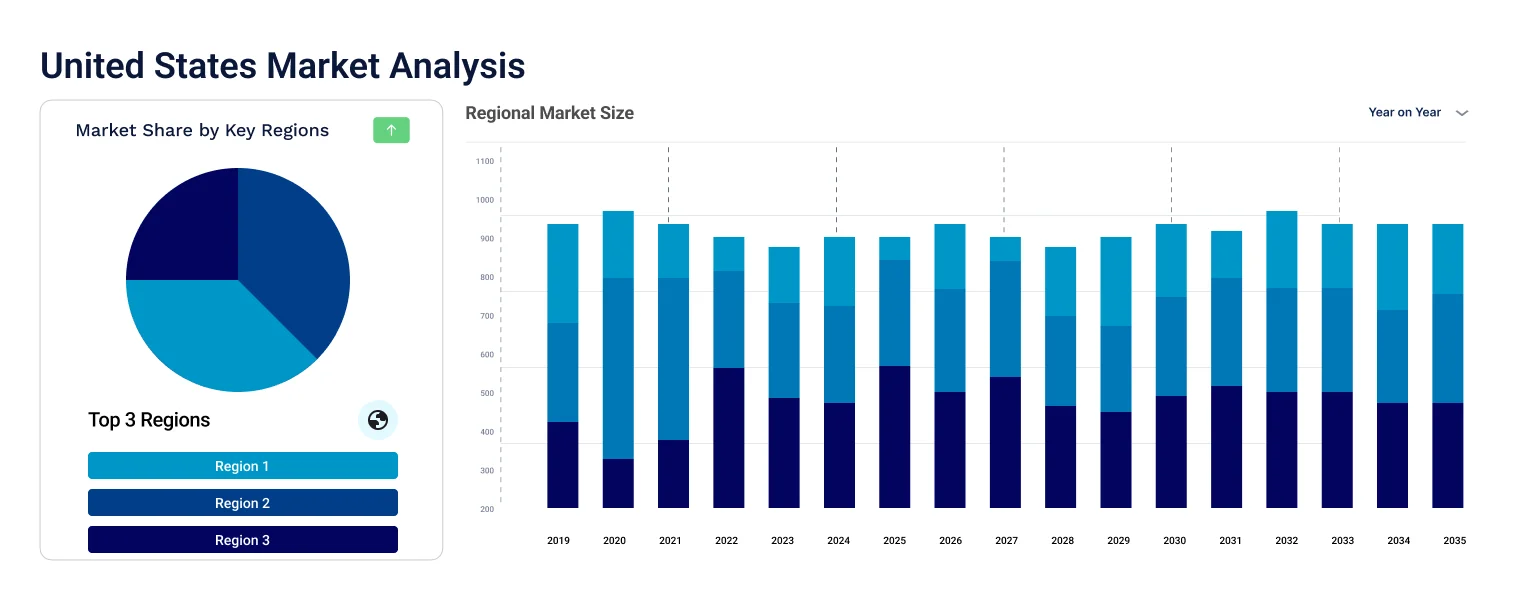
By region, Southeast leads the market growth driven by influencer-led campaigns and digital-first brand experiences
The Southeast is driving growth in the United States shampoo market due to greater consumer engagement through influencer-led campaigns and digital-first experiences. By partnering with social media stars like Alix Earle, Pantene is rolling out special edition kits and making the everyday hair routines visible through their collaborations. Such a method is perfect for the kids who are into technology and who look for products that are not only attainable and relatable but also deliver great performance. Brands are combining educational content with easily adoptable haircare solutions to increase product visibility, encourage trials, and consequently, raise repeat purchases throughout the region, thereby driving overall market growth.
The United States shampoo market growth trajectory in the Far West is thriving on the change brought about by the launch of personalized, science-based products. Seattle, which is the home of Gemma Labs, a company that utilizes consumer data in making customized shampoo and conditioner kits, is set on expanding them. Backed by a funding round of USD 2.75 million, the company can meet the demand for convenience, effectiveness, and online shopping, thus exemplifying a regional trend of passing from tech-enabled to premium haircare experiences. This innovation is quite in line with the preferences of Far West consumers for personalized, sustainable, and high-performance beauty products, thus helping market adoption and category expansion.
Major United States shampoo market players opt for omnichannel distribution strategies that go hand in hand with each other as they open up in-store/physical store sales & sales through the internet platform. Premium shampoo products get higher visibility and become more accessible to the consumers through the synergic combination of the two sales channels. This is mainly done by the company's professional salon networks, which operate together with e-commerce and specialty stores to provide both brand endorsement and consumer outreach. In other words, a consumer's trial, further purchase, and strengthening of the brand image are always the direct results of these vigorous brand activations stepped up by companies. The outcome is the achievement of the triple growth in the shampoo market of the United States, the brand, and the category.
Another strategy that the shampoo companies in the United States have emphasized in their business strategies is innovating products and targeting consumers more precisely through marketing that really appeals to them. They have introduced a wide range of shampoo formulas, from those with specific functions and benefits, such as hair and scalp health, and so on, to those for their most discerning consumers in terms of eco-friendliness and clean labels. These brands establish themselves through the latest scientific and environmentally friendly methods. When all is said and done, these respective marketing efforts make use of digital-first campaigns and influencer collaborations to stimulate engagement, build loyalty, and increase penetration, all of which work together to drive the level of development and expansion in the United States shampoo market.
Established in 1909 and based in Clichy, France, L'Oréal is one of the world's top companies in the beauty and personal care segment. They offer an extensive range of haircare, skincare, and cosmetic products. The firm's major areas of focus include innovation, the development of premium brands, and the implementation of sustainable practices in international markets.
Established in 1929 and headquartered in London, United Kingdom, Unilever is a multinational consumer goods company that is widely recognized for its diverse portfolio in personal care, food, and home care sectors. Their haircare products are known for offering an excellent blend of affordability and quality that suits the needs of consumers all over the world.
Since its establishment in 1886, with its head office in New Brunswick, New Jersey, United States of America, Johnson & Johnson Consumer has been dedicated to health, hygiene, and personal care products. The company's haircare line features products based on clinical research and included well-known, trusted brands in the household.
Procter & Gamble, established in 1837, has its head office in Cincinnati, Ohio, United States of America. It is a major multinational corporation in the field of consumer goods. Its haircare division provides both premium and mass-market shampoos, which are the result of a combination of innovation, research, and an extensive distribution network of the United States shampoo market.
*Please note that this is only a partial list; the complete list of key players is available in the full report. Additionally, the list of key players can be customized to better suit your needs.*
Other players in the market include Colgate-Palmolive Company, Church & Dwight Co. Inc., HRB Brands, LLC, Wella Operations US LLC, John Paul Mitchell Systems, and Kao Corporation, among others.
Explore the latest trends shaping the United States Shampoo Market 2026-2035 with our in-depth report. Gain strategic insights, future forecasts, and key market developments that can help you stay competitive. Download a free sample report or contact our team for customized consultation on the United States shampoo market trends 2026.


Upto 15% Off
USD
$3999 $3599
$2499 $2249
$4999 $4249
$5999 $5099


*While we strive to always give you current and accurate information, the numbers depicted on the website are indicative and may differ from the actual numbers in the main report. At Expert Market Research, we aim to bring you the latest insights and trends in the market. Using our analyses and forecasts, stakeholders can understand the market dynamics, navigate challenges, and capitalize on opportunities to make data-driven strategic decisions.*
In 2025, the United States shampoo market reached an approximate value of USD 5.50 Billion.
The market is projected to grow at a CAGR of 4.10% between 2026 and 2035.
The shampoo market is expected to reach USD 8.22 Billion in 2035.
The market is categorised according to its product type, which includes medicated and non-medicated.
The key players in the market include L'Oréal SA, Unilever Plc, Johnson & Johnson Consumer Inc., Procter and Gamble Company, Colgate-Palmolive Company, Church & Dwight Co. Inc., HRB Brands, LLC, Wella Operations US LLC, John Paul Mitchell Systems, Kao Corporation, and others.
Key strategies driving the market include omnichannel retail expansion, product innovation with clean-label and functional formulations, targeted marketing and influencer collaborations, strategic acquisitions, and strengthening presence in professional and mass-market channels to enhance reach and consumer engagement.
The market is categorised according to its price category, which includes mass and premium.
The major challenges that the United States shampoo market players face include intense competition, changing consumer preferences, high research and development, and marketing costs, regulatory compliance for ingredients, and the need to balance sustainability with affordability.
Explore our key highlights of the report and gain a concise overview of key findings, trends, and actionable insights that will empower your strategic decisions.
| REPORT FEATURES | DETAILS |
| Base Year | 2025 |
| Historical Period | 2019-2025 |
| Forecast Period | 2026-2035 |
| Scope of the Report |
Historical and Forecast Trends, Industry Drivers and Constraints, Historical and Forecast Market Analysis by Segment:
|
| Breakup by Product Type |
|
| Breakup by Price Category |
|
| Breakup by End User |
|
| Breakup by Distribution Channel |
|
| Breakup by Region |
|
| Market Dynamics |
|
| Competitive Landscape |
|
| Companies Covered |
|
Single User License
One User
USD 3,999
USD 3,599
tax inclusive*
Datasheet
One User
USD 2,499
USD 2,249
tax inclusive*
Five User License
Five User
USD 4,999
USD 4,249
tax inclusive*
Corporate License
Unlimited Users
USD 5,999
USD 5,099
tax inclusive*
*Please note that the prices mentioned below are starting prices for each bundle type. Kindly contact our team for further details.*
Flash Bundle
Small Business Bundle
Growth Bundle
Enterprise Bundle
*Please note that the prices mentioned below are starting prices for each bundle type. Kindly contact our team for further details.*
Flash Bundle
Number of Reports: 3
20%
tax inclusive*
Small Business Bundle
Number of Reports: 5
25%
tax inclusive*
Growth Bundle
Number of Reports: 8
30%
tax inclusive*
Enterprise Bundle
Number of Reports: 10
35%
tax inclusive*
How To Order

Select License Type
Choose the right license for your needs and access rights.

Click on ‘Buy Now’
Add the report to your cart with one click and proceed to register.

Select Mode of Payment
Choose a payment option for a secure checkout. You will be redirected accordingly.
Strategic Solutions for Informed Decision-Making
Gain insights to stay ahead and seize opportunities.

Get insights & trends for a competitive edge.

Track prices with detailed trend reports.

Analyse trade data for supply chain insights.

Leverage cost reports for smart savings

Enhance supply chain with partnerships.

Connect For More Information
Our expert team of analysts will offer full support and resolve any queries regarding the report, before and after the purchase.
Our expert team of analysts will offer full support and resolve any queries regarding the report, before and after the purchase.
We employ meticulous research methods, blending advanced analytics and expert insights to deliver accurate, actionable industry intelligence, staying ahead of competitors.
Our skilled analysts offer unparalleled competitive advantage with detailed insights on current and emerging markets, ensuring your strategic edge.
We offer an in-depth yet simplified presentation of industry insights and analysis to meet your specific requirements effectively.




