

Consumer Insights
Uncover trends and behaviors shaping consumer choices today
Procurement Insights
Optimize your sourcing strategy with key market data
Industry Stats
Stay ahead with the latest trends and market analysis.
The United States stevia market attained a volume of 2.71 KMT in 2025 and is projected to expand at a CAGR of 7.40% through 2035. The market is further expected to achieve a volume of 5.53 KMT by 2035. The increased pressure to reduce sugar content is driving beverage and food manufacturers to use high purity Reb M systems, which not only increase palatability but also help in formulating cleaner formulations in the various packaged foods.
The United States stevia market is moving towards advanced glycosides that offer cleaner sweetness solutions at higher levels of sugar replacement. For instance, EverSweet made by Cargill, which utilizes fermentation of steviol glycosides Reb M and Reb D, entered the market in May 2025. The product is made for beverages, dairy products, confectionery, and specialty nutrition applications. Cargill claims that EverSweet showed that the sweetener has impressive sustainability advantages over sugar, with 96% lower land-use-related impacts, 97% less water usage and 81% reduction in carbon footprint. This provides formulators with a strong sustainability narrative along with good taste performance.
Moreover, innovation pipeline moves away from traditional leaf extracts to bioconversion and enzyme treatment of steviol glycosides, boosting the United States stevia market value. For example, Tate & Lyle’s All-Americas Stevia Reb M, manufactured together with Manus, features regional sourcing, bio-conversion, and resilience of the supply chain. In July 2026, IFT FIRST showcased bars and beverages incorporating functional ingredients, addressing growing demand for nutrition-focused, convenient food and beverage formulations.
Two specific factors are driving demand in the United States stevia industry with the increasing need for beverage reformulations. Ingredient manufacturers are making improvements in solubility and sensory qualities to avoid formulation compromises. In addition, FDA approval for high purity and enzyme-modified steviol glycosides is helping in increasing the pool of technologically differentiated ingredients. For manufacturers, this trend is offering more opportunities to customize sweetness, onset, and aftertaste in carbonated beverages, dairy, confections, and nutrition applications using stevia grades.
Compound Annual Growth Rate
7.4%
Value in KMT
2026-2035
Read more about this report - Request a Free Sample
Heartland committed to purchase Whole Earth Brands’ Americas business, which includes Equal, Whole Earth, Swerve, and Chuker brands of sweeteners. Firms in the United States stevia market can develop natural sweetener offerings and enhance B2B distribution via the integration of retail, foodservice, and ingredients distribution channels.
MANE worked with Arzeda to develop low-cost Reb M stevia using AI-designed enzymes that reduce natural sugar content. Firms can make investments in the bioconversion of Reb M enabled by artificial intelligence, accelerating the United States stevia market value.
Tate & Lyle and Manus created Yume M Stevia, a scalable Reb M sweetener derived through biomanufacturing in Georgia. Manufacturers can produce traceable, domestically sourced stevia ingredients while considering beverage manufacturers who are looking to reduce sugar content.
Tate & Lyle and Manus launched Yume as a cost-effective sugar reduction ingredient that is scalable using Reb M stevia. Ingredient suppliers can create customized Reb M systems based on applications like beverages, dairy, baking, and snack foods, widening the United States stevia market scope.
Fermentation-derived Reb M and Reb D are currently becoming significant development platforms for producers in the United States stevia market. For example, Cargill’s EverSweet is a stevia sweetener developed using a special strain of yeast which is capable of reproducing stevia’s molecules that provide its superior sweetness; thus, helping manufacturers become less dependent on trace compounds found in the leaf. For example, in July 2026, MycoTechnology introduced stevia sweet proteins, combining fermentation technology with stevia to deliver improved taste and sugar reduction performance.
The use of Rebaudioside M is going beyond specialty ingredients as suppliers solve bitterness and aftertaste problems. Tate & Lyle’s All-Americas Stevia Reb M, which was developed together with Manus, is based on regional stevia sources, bio-conversion, and was unveiled at the IFT FIRST 2025 for beverages with reduced sugar content. Tate & Lyle claims that the ingredient offers full-bodied sweetness at higher amounts. Demonstrating this shift in the United States stevia market, in July 2025, Bioenergy Life Science launched PureSweet Reb M, a high-purity stevia sweetener designed for improved taste and reduced sugar formulations. This expanding regulatory pathway is giving formulators more next-generation stevia options efficiently.
Product development trends in the United States stevia market focus on solubility and process performance since high-intensity sweeteners need to withstand mixing, concentrate processing and exposure to low pH environments. Tate & Lyle positions TASTEVA SOL as up to 200 times as soluble as Reb M stevia sweeteners at high replacement rates, and targeting concentrates and beverage systems. Other ingredients in the portfolio include Reb D, Reb A, and blends of stevia for varied replacement rates. In May 2024, Ingredion launched PureCircle Clean Taste Solubility Solution, improving stevia solubility and taste for sugar-reduced beverage formulations. Suppliers compete on functionality, rather than sweetness. Hence, beverage companies have an opportunity to create stable low-sugar formulations without altering their processing system for hard-to-handle ingredients.
Suppliers combine various glycosides with additional ingredients to resolve issues related to flavor, texture, and sugar reduction during formulations, redefining the United States stevia market dynamics. Tate & Lyle points out systems comprising TASTEVA D, allulose, erythritol and monk fruit among other flavors, and the company also offers fibers and texturizers. Blends are becoming important especially for dairy, confectionery, bakery and functional beverages since sugar removal alters viscosity and sensory profile. In March 2023, Splenda opened the country’s first fully integrated stevia farm, strengthening domestic cultivation and supply for natural sweetener production.
Increasing regulatory involvement is expanding the repertoire of technology for food and beverage developers. According to the FDA, some high-purity steviol glycosides, such as Reb A, stevioside, Reb D, and Reb M, have been awarded no-questions responses based on GRAS notices, in April 2026. Further, in July 2024, Cargill and dsm-firmenich formed a joint venture to accelerate steviol glycoside development and commercialization for food manufacturers. This trend in the United States stevia market is motivating suppliers to focus more on developing a unique glycoside profile and process.
The Expert Market Research's report titled “United States Stevia Market Report and Forecast 2026-2035” offers a detailed analysis of the market based on the following segments:
Market Breakup by Extract Type
Key Insight: The segmentation of extracts is related to varying procurement and processing considerations. Leaf-based extracts provide value to manufacturers in the United States stevia market who want to emphasize a source from plants and use material. In June 2023, SweetLeaf launched two natural sugar-substitute product lines, offering zero-calorie sweeteners and reduced-calorie sugar alternatives for consumers. Powders are useful for industries which use them to standardize their doses, storage, transportation, and pre-mixing. Liquid extracts are used by companies manufacturing beverages and syrups which require quick dispersion and accurate dosing for their high-volume production processes. In general, consumers are buying based on glycoside purity, sensory properties, solubility, stability, and availability, rather than format and sweetness levels alone.
Market Breakup by Application
Key Insight: Demand in the United States stevia market is driven by processing challenges rather than reduced sugar content. The food and beverage industry requires excellent performance in acid, heat and processed conditions, maintaining their importance in product development. Oral care products require high purity sweeteners with flavor compatibility and specific sensory characteristics. Pharmaceuticals require specific specifications as well as product formulation, while tabletop sweeteners require good handling and dosage features. Other applications present unique demands where stevia can provide exceptional sweetness without the addition of any other sugar. Suppliers, thus, are developing grades and blends based on individual customer processing requirements.
Market Breakup by Region
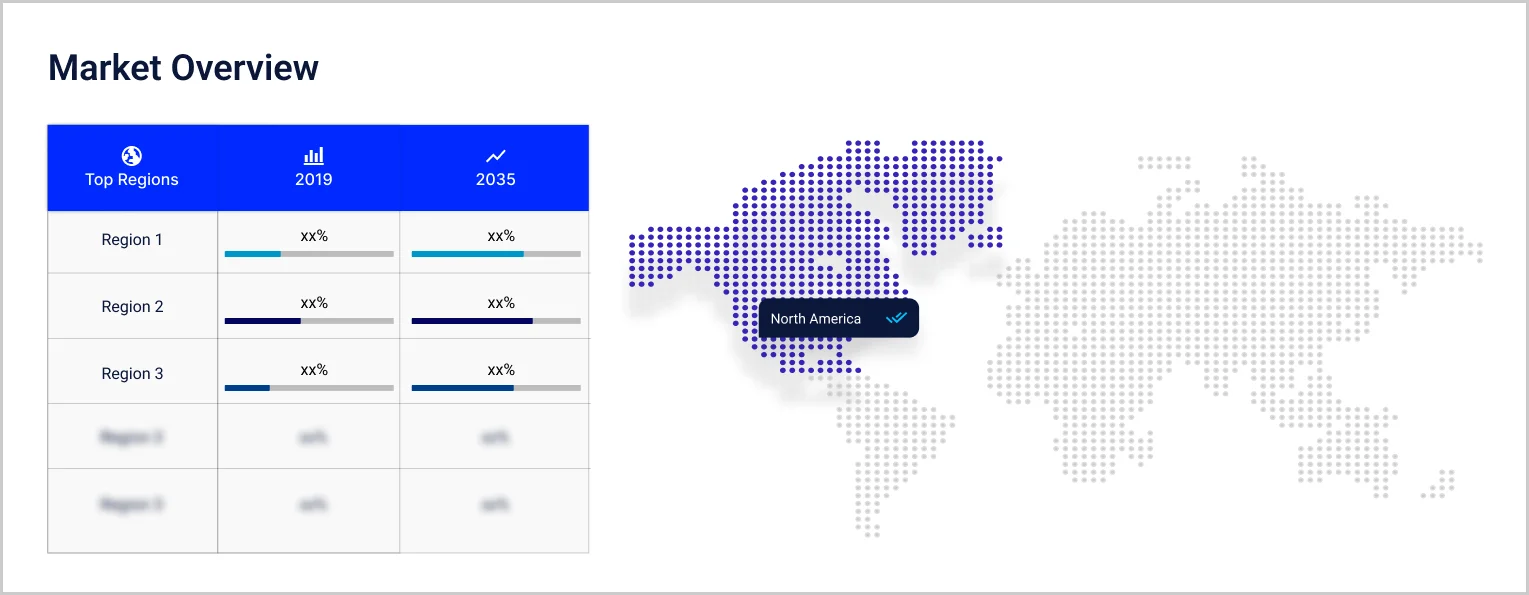
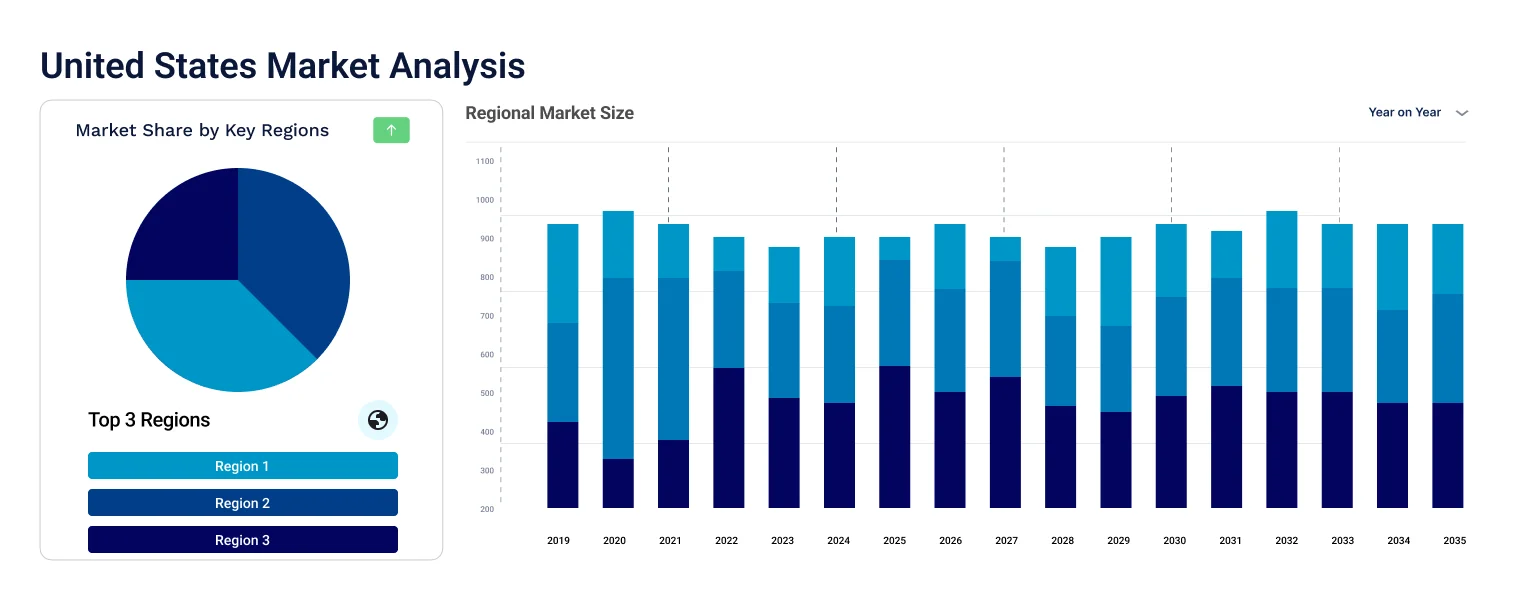
Key Insight: The regional demand dynamics in the United States stevia market vary based on manufacturing focus, distribution channels, and local development efforts. New England takes advantage of food science as well as specialty manufacturing, while the Mideast profits from the density of commercial networks. Great Lakes demand is related to major food-processing facilities, and the Plains region's demand opportunities are connected with agricultural processing and regional manufacturing. The Southeast region’s growth is accelerated by growing beverage and food production, while Southwest demand is associated with diverse consumer markets. The Rocky Mountain consumers generate demand for functional products, and the Far West consumers focus on innovation and reformulation.
Read more about this report - Request a Free Sample
By extract type, powder stevia leads the market due to stable dosing, handling, and storage
Powder stevia dominates the United States stevia market due to its predictable dosing capability, ease of transportation and incorporation into dry beverage formulations, bakery premixes, candies, and tabletop use. Manufacturers of ingredients can standardize their grades of powders with respect to steviol glycoside purity, size of particles and compatibility. It is also possible to incorporate fiber, acids, flavors, and bulking agents into premix development. This makes powder stevia a more flexible and useful ingredient which makes it popular amongst manufacturers looking for predictability in sweetening without additional complexity of procurement, storage and formulations. In July 2024, Tate & Lyle launched a new stevia composition designed to improve taste, sweetness intensity, and sugar reduction in formulations.
Liquid stevia is also expanding its share in the United States stevia market due to need for rapid mixing, dosing and compatibility with liquids. Liquid systems can be developed for carbonated beverages, flavored waters, dairy beverages, and energy shots which require dissolving dry ingredients. Liquid stevia also provides for an easier sensory adjustment during the trial phase. Growth in this segment is mainly driven by demand for reduced sugar beverages and systems which do not affect the process of manufacturing.
Food and beverage applications dominate the market due to broad sugar reduction demand
Food and beverage applications accelerate the United States stevia market revenue growth as manufacturers need to cut back on sugar but still maintain the sweetness. The suppliers will be providing stevia Reb M, Reb D, blends, and fermentation systems for carbonated soft drinks, dairy products, confectionery, sauces, and functional beverages. The application support is becoming a point of competition whereby ingredient suppliers provide sensory and recipe expertise. Consumers are mostly interested in bittering, sourness, and mouth-feel systems. In March 2026, Arzeda and MANE partnered to develop scalable, cost-effective stevia sweeteners using enzyme engineering for improved taste and production efficiency.
Oral Care is the fastest growing application in the United States stevia market where the manufacturers are using the intense sweetness offered by stevia to formulate toothpaste, mouthwash and others with little fermentable sugars. Suppliers can offer customized solutions in purified steviol glycosides based on sweetness levels, flavor masking, and compatibility with active ingredients. It also allows the developers to formulate with flavors and cooling ingredients for sensory differentiation. The needs of the manufacturers include formulation consistency, purity, and compatibility with low water and concentrate systems.
Mideast leads growth in the market due to dense manufacturing and formulation networks
The Mideast region is leading United States stevia market growth with the benefit of extensive food manufacturing, beverage manufacturing, and consumption markets throughout New York, New Jersey, and Pennsylvania. The proximity of distribution companies to major formulation centers, research institutions, and logistics is another benefit in this region. There is greater demand where the brand re-formulates beverages, dairy products, and packaged foods. Suppliers can also leverage the region as an industry-proving ground for premium stevia solutions prior to rolling out nationwide. In March 2023, NutraSweet developed an integrated stevia supply chain, covering cultivation, extraction, purification, and formulation to strengthen ingredient consistency.
The Southeast industry’s growth is led by the expansion of beverage, food processing, and nutrition manufacturing throughout Georgia, Florida, North Carolina, and Tennessee. Stevia suppliers can take advantage of the new production capacity, co-manufacturing facilities, and low sugar beverages and food manufacturing trend. In addition, this region offers an opportunity to reduce the distance between distributors and beverage and food manufacturers for shorter lead times.
There is growing emphasis on optimizing the stevia profile instead of making extract available on a wider scale. Leading United States stevia market players are focusing on platforms such as Reb M and Reb D, fermentation and bio-conversion, increased solubility, better taste, and combination technologies that focus on mouth feel. There are also growing instances of regionally sourced products as evidenced in stevia from all-Americas projects. Some more areas of opportunity exist in the form of beverages, concentrate, functional nutrition, dairy, candies, oral care, and tabletop products due to varying formulation demands.
United States stevia companies can help retain their customers by providing laboratories for formulation and testing, prototypes, regulatory documents, and supply management in addition to ingredients. Sustainability factors are becoming increasingly relevant for procurement managers, especially when fermentation helps reduce land and water usage. Growth largely depends on manufacturers who can combine ingredient technology with formulation economics and supply reliability along with taste.
Cargill, Inc., formed in 1865, and headquartered in Minnesota, United States, distributes stevia using EverSweet. This fermentation-derived Reb M and Reb D stevia system focuses on lowering sugars and maintaining taste. Cargill leverages its ingredient technology, formulations, sustainable information, and capabilities to assist the United States food and beverages in creating lower-sugar products.
Tate & Lyle PLC, founded in 1912, and based in London, United Kingdom, provides the United States formulators with stevia ingredients. The TASTEVA product line includes Reb M, Reb D, and highly soluble solutions, whereas All-Americas Stevia Reb M ensures localized sourcing.
Archer Daniels Midland Company, founded in 1902, is based in Chicago, Illinois, United States, and takes part in the stevia business through sweetener and ingredient solutions and partnership with GLG Life Tech. ADM provides an integration of sourcing, formulations and international supply capabilities to assist food and beverage manufacturers across the country to offer low-calorie sweetness and ingredient solutions.
GLG LIFE TECH CORP, founded in 1999, and is based in Richmond, British Columbia, Canada, specializes in an integrated production of stevia and monk fruits. It has a wide range of products such as Reb M extracts and steviol glycosides. GLG uses a process that involves seed development, farming, extraction, refinement, and formulations for food and beverage companies.
Other key players in the market include Ingredion Incorporated, Koninklijke DSM NV, and Nascent Health Sciences, LLC, among others.
*Please note that this is only a partial list; the complete list of key players is available in the full report. Additionally, the list of key players can be customized to better suit your needs.*
Unlock the latest insights with our United States stevia market trends 2026 report. Discover regional growth patterns, consumer preferences, and key industry players. Stay ahead of competition with trusted data and expert analysis. Download your free sample report today and drive informed decisions in the market.


Upto 15% Off
USD
$2499 $2249
$3999 $3599
$4999 $4249
$5999 $5099


*While we strive to always give you current and accurate information, the numbers depicted on the website are indicative and may differ from the actual numbers in the main report. At Expert Market Research, we aim to bring you the latest insights and trends in the market. Using our analyses and forecasts, stakeholders can understand the market dynamics, navigate challenges, and capitalize on opportunities to make data-driven strategic decisions.*
In 2025, the market reached an approximate volume of 2.71 KMT.
The market is projected to grow at a CAGR of 7.40% between 2026 and 2035.
The market is estimated to witness a healthy growth in the forecast period of 2026-2035 to reach a volume of 5.53 KMT by 2035.
Suppliers are expanding Reb M capacity, improving solubility, strengthening regional sourcing, developing blended systems, supporting formulation trials, and collecting sensory data for customers, while aligning specifications with application requirements closely.
Key trends aiding the market expansion include growing demand for sustainable and natural sweeteners, rising health consciousness, and government support to reduce sugar intake.
Regions considered in the market are New England, Mideast, Great Lakes, Plains, Southeast, Southwest, Rocky Mountain, and Far West.
Based on application, the market segmentations include food and beverages, oral care, pharmaceuticals, and tabletop sweetener.
Whole leaf, powdered, and liquid stevia are considered in the report.
The key players in the market include Cargill, Incorporated, Tate & Lyle PLC, Archer Daniels Midland Company, GLG LIFE TECH CORP., Ingredion Incorporated, Koninklijke DSM NV, and Nascent Health Sciences, LLC, among others.
Companies face stevia taste and aftertaste issues, variable raw-material quality, supply-chain exposure, regulatory complexity, formulation costs, and competition from monk fruit, while meeting customer specifications and sustainability expectations across applications.
Explore our key highlights of the report and gain a concise overview of key findings, trends, and actionable insights that will empower your strategic decisions.
| REPORT FEATURES | DETAILS |
| Base Year | 2025 |
| Historical Period | 2019-2025 |
| Forecast Period | 2026-2035 |
| Scope of the Report |
Historical and Forecast Trends, Industry Drivers and Constraints, Historical and Forecast Market Analysis by Segment:
|
| Breakup by Extract Type |
|
| Breakup by Application |
|
| Breakup by Region |
|
| Market Dynamics |
|
| Competitive Landscape |
|
| Companies Covered |
|
Datasheet
One User
USD 2,499
USD 2,249
tax inclusive*
Single User License
One User
USD 3,999
USD 3,599
tax inclusive*
Five User License
Five User
USD 4,999
USD 4,249
tax inclusive*
Corporate License
Unlimited Users
USD 5,999
USD 5,099
tax inclusive*
*Please note that the prices mentioned below are starting prices for each bundle type. Kindly contact our team for further details.*
Flash Bundle
Small Business Bundle
Growth Bundle
Enterprise Bundle
*Please note that the prices mentioned below are starting prices for each bundle type. Kindly contact our team for further details.*
Flash Bundle
Number of Reports: 3
20%
tax inclusive*
Small Business Bundle
Number of Reports: 5
25%
tax inclusive*
Growth Bundle
Number of Reports: 8
30%
tax inclusive*
Enterprise Bundle
Number of Reports: 10
35%
tax inclusive*
How To Order

Select License Type
Choose the right license for your needs and access rights.

Click on ‘Buy Now’
Add the report to your cart with one click and proceed to register.

Select Mode of Payment
Choose a payment option for a secure checkout. You will be redirected accordingly.
Strategic Solutions for Informed Decision-Making
Gain insights to stay ahead and seize opportunities.

Get insights & trends for a competitive edge.

Track prices with detailed trend reports.

Analyse trade data for supply chain insights.

Leverage cost reports for smart savings

Enhance supply chain with partnerships.

Connect For More Information
Our expert team of analysts will offer full support and resolve any queries regarding the report, before and after the purchase.
Our expert team of analysts will offer full support and resolve any queries regarding the report, before and after the purchase.
We employ meticulous research methods, blending advanced analytics and expert insights to deliver accurate, actionable industry intelligence, staying ahead of competitors.
Our skilled analysts offer unparalleled competitive advantage with detailed insights on current and emerging markets, ensuring your strategic edge.
We offer an in-depth yet simplified presentation of industry insights and analysis to meet your specific requirements effectively.




