


Consumer Insights
Uncover trends and behaviors shaping consumer choices today
Procurement Insights
Optimize your sourcing strategy with key market data
Industry Stats
Stay ahead with the latest trends and market analysis.
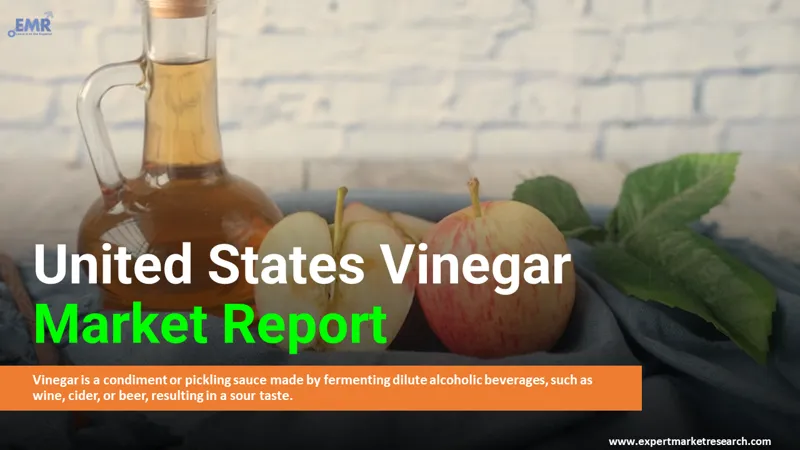
The United States vinegar market size was valued at USD 710.62 Million in 2025. Surging adoption of apple cider vinegar by nutraceutical brands and wellness cafés is reshaping sourcing channels and boosting demand for organic, unfiltered vinegar with health-forward positioning. In turn, the market is expected to grow at a CAGR of 2.25% during the forecast period of 2026-2035 to reach a value of USD 887.71 Million by 2035.
The market is largely driven by changing consumer preferences and foodservice innovations. The fast-paced growth stems mainly from health-aware consumers and B2B buyers alike, who are demanding cleaner ingredients, diversified flavour profiles, and sustainable sourcing. More notably, the United States Department of Agriculture's Organic Certification Programme has resulted in an increased number of vinegar producers shifting to organic and non-GMO formulations, particularly in California and the Midwest. With over 4.8 million acres certified as organic farmland in the United States in 2023, producers have gained more access to certified raw materials, fuelling innovation in natural fermentation techniques and artisanal blends.
Meanwhile, collaborations between food manufacturers and institutional buyers such as school lunch programmes and hospital networks are also reshaping the United States vinegar market dynamics, beyond food preservation to functional health additives. Notably, pilot programmes in New York and Colorado have tested apple cider vinegar-based products as part of state-backed nutritional initiatives, enhancing demand on the commercial end. For example, Whole Foods Market in Brooklyn partnered with wellness brands like CuraVine and Bragg Live Food Products. The market is evolving through inventive product positioning, regional supply chain support, and active policy-backed sustainability goals.
Moreover, factors such as hectic schedules, changing dietary models, and progressing disposable earnings levels, have resulted in a significant growth in the United States vinegar market for ready-to-eat meals and products. This tendency is boosting demand growth as vinegar is used to keep some foods wholesome and healthy for longer periods of time.
Compound Annual Growth Rate
2.25%
Value in USD Million
2026-2035
Read more about this report - REQUEST FREE SAMPLE COPY IN PDF
The newest product from American Vinegar Works, Hot Honey Wine Vinegar, was released. This slow-fermented and barrel-aged vinegar is made from Vermont mead. This launch highlights a premiumisation trend within artisanal vinegar, appealing to upscale restaurants and gourmet condiment makers seeking barrel-aged, complex flavour profiles.
A new cherry vinegar was introduced by Hallstedts. The new cherry wine vinegar from Red Truck Orchards is full of health benefits and antioxidants, especially anthocyanins, which have anti-inflammatory qualities. This launch reflects growing B2B interest in functional ingredients, particularly among health food formulators and boutique wellness retailers prioritising clean-label and anti-inflammatory product lines, reshaping the United States vinegar market trends.
Apple cider vinegar brand, Bragg Live Food Products, announced that its 10-ounce Apple Cider Vinegar liquid in new packaging was scheduled to be available at all 20,000 Dollar General stores nationwide. This development strengthens mass retail penetration and signals rising mainstream acceptance of vinegar as a daily health staple across American households and value-focused supply chains.
Organic Lemon and Mint was launched by RTD sparkling apple cider vinegar business Apeal World. A combination of sparkling water, organic apple cider vinegar, organic extracts, and sustainably sourced spices make up the new RTD with lemon and mint flavours. Every can offers a source of calcium, magnesium, and potassium. Apeal World’s Organic Lemon and Mint RTD showcases vinegar’s evolution into functional beverages, opening avenues for co-packing firms and natural product distributors targeting the wellness-oriented beverage market category.
B2B procurement in foodservice and retail has been noticeably favouring clean-label vinegar products, especially those free from synthetic additives, accelerating the United States vinegar market opportunities. A recent report noted over 52% of United States adults follow specific eating patterns and prefer food with recognisable ingredients, which indirectly boosts the market for organic, raw, and unfiltered vinegar options. Whole Foods and meal-kit providers have been prioritising apple cider and balsamic vinegar variants, driving procurement shifts in the restaurant supply and wellness sectors. These trends reinforce a broad move toward traceable sourcing and simplified processing, especially valuable for institutional buyers looking to meet wellness mandates.
Demand in the United States vinegar market is rapidly growing, particularly through niche flavours like barrel-aged balsamic and fruit-infused rice vinegar. In June 2023, Pureboost launched its newest offering, Apple Cider Vinegar, with 1,000 mg of apple cider vinegar formulated with B12, natural green tea caffeine and 25 key vitamins free from sugar and sucralose in a portable pack to support metabolism as well as gut and digestive health. Craft vinegar producers in Oregon and Washington are experimenting with small-batch ageing techniques, similar to whiskey, catering to high-end chefs and cocktail mixologists.
According to the United States vinegar market report, healthcare and educational sectors are increasingly integrating vinegar-based products for their health benefits and preservation value. The Child Nutrition Recipe Box noted a surge in usage of cider vinegar in salad dressings and marinades served in K-12 programmes, especially across California and New York. Simultaneously, hospitals are partnering with suppliers for low-sodium, vinegar-enhanced meal preparation, supporting chronic disease management. These institutional use cases present scalable B2B opportunities, especially for producers offering vinegar in bulk, foodservice-friendly packaging with verified sourcing and nutritional claims.
In regions like the Mideast and Great Lakes, local governments have been offering grants and agri-food innovation funds supporting local fermentation units, propelling the United States vinegar market development. For instance, Ohio’s Local Food Infrastructure Grant supported several vinegar microbreweries to expand operations using local fruit waste, lowering input costs while boosting sustainability profiles. These developments make regional vinegar production more viable and attractive for co-packers and private label brands.
Digital B2B channels are reshaping vinegar distribution dynamics, Distributors like Faire and RangeMe are allowing institutional buyers to directly source niche vinegar products from small and mid-sized producers. This bypasses legacy wholesalers, speeds up procurement cycles, and encourages artisanal and regional players to cater to restaurants, hotels, and caterers with custom packaging formats. Brands leveraging e-commerce tools with detailed product stories, health certificates, and dynamic pricing structures are experiencing increased traction in fast-evolving urban markets like New York and Los Angeles.
Read more about this report - REQUEST FREE SAMPLE COPY IN PDF
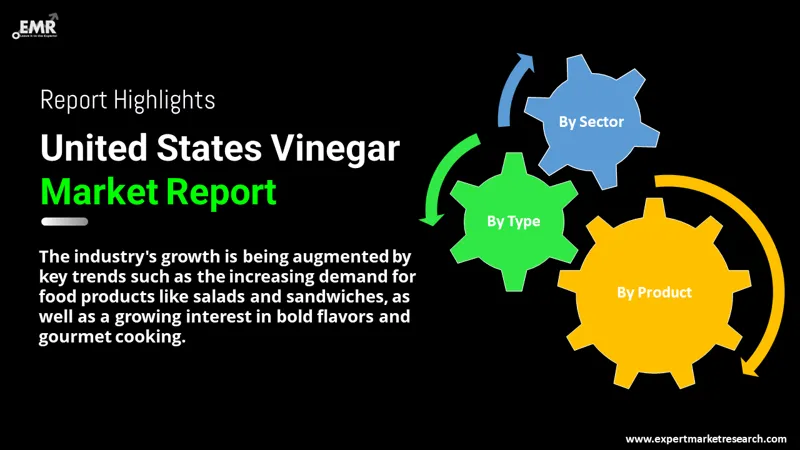
The EMR’s report titled “United States Vinegar Market Report and Forecast 2026-2035” offers a detailed analysis of the market based on the following segments:
Market Breakup by Type
Key Insight: The market report is categorised into organic, non-GMO, and conventional types, each gaining traction through distinct B2B channels. Organic and non-GMO variants are thriving due to growing demand from health-focused institutions and wellness-driven branding, especially in hospitals and premium foodservice. Meanwhile, conventional vinegar maintains solid momentum, driven by cost-sensitive applications in quick-service restaurants, industrial kitchens, and commercial cleaning.
Market Breakup by Product
Key Insight: The United States vinegar market shows robust momentum across balsamic, red wine, cider, rice, white, and other types of products. Each variant is carving out distinct niche. For example, balsamic and red wine vinegars are being favoured in gourmet kitchens and upscale foodservice, while cider and rice vinegars cater to health-centric and ethnic cuisine markets. Meanwhile, white vinegar continues to anchor food manufacturing and industrial usage due to its versatility and cost-efficiency.
Market Breakup by Sector
Key Insight: Across both institutional and retail sectors, the overall demand in the United States vinegar market is surging rapidly. Institutional buyers prioritise bulk formats, cost efficiency, and regulatory compliance, which are key concerns for schools, hospitals, and foodservice contracts. In contrast, retail channels are pushing for innovation in flavour, premium packaging, and on-shelf appeal, responding to changing consumer tastes and branding expectations.
Market Breakup by Region
Key Insight: Mideast states benefit from established food manufacturing hubs, while the Far West drives innovation through artisanal and organic producers. The Southeast, Plains and Rocky Mountain regions focus on cost-effective production and streamlined logistics, which makes them attractive for bulk supply and private labelling. Meanwhile, the Far West, especially California, leads in innovation, with flavoured, fermented, and export-ready offerings gaining traction.
Read more about this report - REQUEST FREE SAMPLE COPY IN PDF
By Type, the Organic and Non-GMO Category Registers the Major Share of the Market Owing to Surging Demand for Clean-Label Products
Organic and non-GMO vinegars are dominating the market, owing to increasing institutional demand for clean-label products. Brands like Chr. Hansen and Lallemand are now integrating advanced fermentation technologies, such as wild yeast control and precision pH monitoring, ensuring both consistency and health benefits. Institutional buyers, especially in healthcare and upscale restaurant chains, are preferring apple cider and rice vinegar with probiotic properties, boosting demand for high-volume organic supplies and certified bulk packaging, especially on the West Coast and Midwest.
Despite the growth of the organic category, conventional vinegar is gaining ground in the United States vinegar market due to cost-efficiency and wide application. From cleaning products to marinades, conventional vinegar's affordability makes it a go-to for institutional buyers managing tight budgets. Supermarket private labels are expanding conventional SKUs using local inputs to reduce transport costs, while fast-food franchises are integrating white and red wine vinegar into recipes to align with cost-efficiency and taste appeal. Growth is particularly strong in quick-service restaurant sectors, where functional use outweighs organic credentials.
By Product, Balsamic Vinegar Occupies a Substantial Share of the Market Due to its Gourmet Appeal
Balsamic vinegar continues to dominate the market due to its broad appeal in gourmet culinary applications. United States imports of balsamic vinegar, mostly from international markets like Italy, rose by 58% in 2024, reflecting high demand across foodservice and speciality retailers. Domestic producers are innovating by ageing balsamic in American oak barrels and using native grape must, as premium domestic alternatives. Food processors and upscale restaurant chains are incorporating balsamic vinegar into sauces, glazes, and prepared meals, driving steady consumption patterns, thereby bolstering the demand in the United States vinegar market.
Red wine vinegar is becoming the fastest-growing product category in the industry due to its usage in ethnic cuisine, meat marinades, and health-centric recipes. It is especially gaining popularity among ready-meal manufacturers and quick-service restaurants focused on Mediterranean offerings. Domestic producers in California and Washington are now experimenting with varietal blends using Zinfandel and Merlot, offering B2B customers tailored flavour profiles.
Institution Sectors Including Hospitals, Educational Facilities or Catering Bolster Significant Surge in the United States Vinegar Market
The overall vinegar demand from the institutional sector is surging. Vinegar is widely used in catering, hospitals, and education facilities for both food preparation and cleaning. Customised bulk packs, HACCP-compliant labels, and dependable sourcing chains are key factors of consideration for procurement officers. Regional vinegar processors are tailoring offerings in 5-10 litre containers for B2B clients, while hospitals are choosing low-sodium vinegar blends to meet patient dietary needs.
Retail sectors are gaining momentum in the United States vinegar industry owing to health-focused consumers and gourmet food enthusiasts. Private labels are expanding vinegar offerings across organic and exotic fruit-infused formats. Specialty retailers are stocking unique vinegar sprays and sipping vinegars, driving cross-category promotions. While this growth is largely consumer-led, it impacts B2B packaging, branding, and distribution strategies, especially for mid-sized manufacturers exploring hybrid DTC-retail supply chains.
Read more about this report - REQUEST FREE SAMPLE COPY IN PDF
By Region, Mideast Holds the Leading Position in the Market Owing to its Established Food Manufacturing Base
The Mideast region, including New York and Pennsylvania, is leading the vinegar market due to the region’s established food manufacturing base and vibrant restaurant industry. Regional grants supporting food innovation have led to the emergence of premium vinegar producers. B2B buyers in this region benefit from dense logistics networks, institutional contracts, and dynamic culinary scenes that constantly demand differentiated vinegar products, from bulk catering supplies to aged balsamic variants.
As per the United States vinegar market report, the Far West region is rapidly increasing its share with increasing organic and artisanal vinegar production, particularly in California. Local winemakers are upcycling wine by-products into gourmet vinegar, while sustainable agriculture initiatives are integrating vinegar manufacturing into closed-loop systems. The region’s accessibility to organic raw materials and proximity to wellness-focused food brands makes it ideal for B2B expansion. Moreover, state programmes for clean-label food producers further accelerate this region’s growth.
The United States vinegar market players are focusing on strategic collaborations with institutional food buyers, launching value-added formulations like infused vinegars, and leveraging local sourcing for sustainability edge. Private label partnerships with grocery chains and direct-to-institution channels have been key focus areas. Clean-label demand, premium culinary applications, institutional wellness usage, government support for local fermentation, and e-commerce-driven wholesale are some of the key trends observed in the market.
For growth, United States vinegar companies are also investing in fermentation technology, eco-packaging, and HACCP certification to appeal to regulatory-conscious institutional buyers. Emerging microbreweries are gaining niche traction with chef-curated and barrel-aged offerings. E-commerce portals and digital wholesale networks are allowing even mid-sized vinegar producers to access institutional clients across the country. By offering product innovations and aligning with the compliance standards, players can find ample opportunities to scale, differentiate, and secure long-term contracts.
Fleischmann’s Vinegar Company was established in 2002 and is headquartered in Cerritos, California. The company specialises in industrial-strength vinegar and is a key supplier to food processors, institutional kitchens, and cleaning product manufacturers across the United States.
Mizkan America, Inc., founded in 1804, is based in Japan. The company has become a leading player offering a wide range of vinegar products including balsamic and rice vinegar, with strong partnerships in foodservice and private-label sectors.
Kraft-Heinz, Inc, founded in 2015 with headquarters in Chicago, Illinois, leverages its legacy presence and broad retail distribution to push both conventional and organic vinegar lines into institutional and consumer markets across North America.
National Vinegar Company, established in 1853 and located in St. Louis, Missouri, focuses on bulk vinegar supplies for institutional clients, especially school food programmes and healthcare facilities, with custom fermentation and flavouring capabilities.
*Please note that this is only a partial list; the complete list of key players is available in the full report. Additionally, the list of key players can be customized to better suit your needs.*
Other key players in the United States vinegar market are Old Dutch Mustard Company, Reinhart Foods Ltd., and SSS Ingredients, LLC, among others.
Explore the latest trends shaping the United States vinegar market 2026-2035 with our in-depth report. Gain strategic insights, future forecasts, and key market developments that can help you stay competitive. Download a free sample report or contact our team for customized consultation on United States vinegar market trends 2026.
Latin America Balsamic Vinegar Market
Apple Cider Vinegar Market
Wood Vinegar Market
Wine Vinegar Market
UAE Vinegar Market


Upto 15% Off
USD
$2499 $2249
$3999 $3599
$4999 $4249
$5999 $5099


*While we strive to always give you current and accurate information, the numbers depicted on the website are indicative and may differ from the actual numbers in the main report. At Expert Market Research, we aim to bring you the latest insights and trends in the market. Using our analyses and forecasts, stakeholders can understand the market dynamics, navigate challenges, and capitalize on opportunities to make data-driven strategic decisions.*
The market is projected to grow at a CAGR of 2.25% between 2026 and 2035.
Key strategies driving the market include investing in local sourcing, scaling bulk packaging, leveraging government fermentation grants, customising for institutional buyers, and launching unique flavour blends.
The key trends augmenting the market’s growth are the increasing demand for food products such as salads, sandwiches, and an increased interest in bold flavours and gourmet cooking.
The major regions in the market are New England, Mideast, Great Lakes, Plains, Southeast, Southwest, Rocky Mountain, and Far West.
The types of vinegar in the market are organic and non-GMO, and conventional.
The various products in the market include balsamic vinegar, red wine vinegar, cider vinegar, rice vinegar, and white vinegar, among others.
The major sectors in the market are institutional and retail where retail is further segmented by type into supermarket and hypermarket, convenience stores, speciality stores, and online, among others.
The key players in the United States vinegar market are Fleischmann’s Vinegar Company, Mizkan America, Inc., Kraft-Heinz, Inc (US), National Vinegar Company, Old Dutch Mustard Company, Reinhart Foods Ltd., and SSS Ingredients, LLC, among others.
In 2025, the United States vinegar market reached an approximate value of USD 710.62 Million.
The key challenges are rising raw material costs, evolving food safety regulations, and the need for constant innovation in flavour and packaging.
Explore our key highlights of the report and gain a concise overview of key findings, trends, and actionable insights that will empower your strategic decisions.
| REPORT FEATURES | DETAILS |
| Base Year | 2025 |
| Historical Period | 2019-2025 |
| Forecast Period | 2026-2035 |
| Scope of the Report |
Historical and Forecast Trends, Industry Drivers and Constraints, Historical and Forecast Market Analysis by Segment:
|
| Breakup by Type |
|
| Breakup by Product |
|
| Breakup by Sector |
|
| Breakup by Region |
|
| Market Dynamics |
|
| Competitive Landscape |
|
| Companies Covered |
|
| Report Price and Purchase Option | Explore our purchase options that are best suited to your resources and industry needs. |
| Delivery Format | Delivered as an attached PDF and Excel through email, with an option of receiving an editable PPT, according to the purchase option. |
Datasheet
One User
USD 2,499
USD 2,249
tax inclusive*
Single User License
One User
USD 3,999
USD 3,599
tax inclusive*
Five User License
Five User
USD 4,999
USD 4,249
tax inclusive*
Corporate License
Unlimited Users
USD 5,999
USD 5,099
tax inclusive*
*Please note that the prices mentioned below are starting prices for each bundle type. Kindly contact our team for further details.*
Flash Bundle
Small Business Bundle
Growth Bundle
Enterprise Bundle
*Please note that the prices mentioned below are starting prices for each bundle type. Kindly contact our team for further details.*
Flash Bundle
Number of Reports: 3
20%
tax inclusive*
Small Business Bundle
Number of Reports: 5
25%
tax inclusive*
Growth Bundle
Number of Reports: 8
30%
tax inclusive*
Enterprise Bundle
Number of Reports: 10
35%
tax inclusive*
How To Order

Select License Type
Choose the right license for your needs and access rights.

Click on ‘Buy Now’
Add the report to your cart with one click and proceed to register.

Select Mode of Payment
Choose a payment option for a secure checkout. You will be redirected accordingly.
Strategic Solutions for Informed Decision-Making
Gain insights to stay ahead and seize opportunities.

Get insights & trends for a competitive edge.

Track prices with detailed trend reports.

Analyse trade data for supply chain insights.

Leverage cost reports for smart savings

Enhance supply chain with partnerships.

Connect For More Information
Our expert team of analysts will offer full support and resolve any queries regarding the report, before and after the purchase.
Our expert team of analysts will offer full support and resolve any queries regarding the report, before and after the purchase.
We employ meticulous research methods, blending advanced analytics and expert insights to deliver accurate, actionable industry intelligence, staying ahead of competitors.
Our skilled analysts offer unparalleled competitive advantage with detailed insights on current and emerging markets, ensuring your strategic edge.
We offer an in-depth yet simplified presentation of industry insights and analysis to meet your specific requirements effectively.




