

Consumer Insights
Uncover trends and behaviors shaping consumer choices today
Procurement Insights
Optimize your sourcing strategy with key market data
Industry Stats
Stay ahead with the latest trends and market analysis.

The global weather forecasting systems market was valued at USD 3.92 Billion in 2025. The market is expected to grow at a CAGR of 6.70% during the forecast period of 2026-2035 to reach a value of USD 7.50 Billion by 2035. Rising adoption of nanosatellite-based observation systems is unlocking hyper-local forecasting accuracy, helping industries like aviation, shipping, and agriculture reduce operational risks and reduce losses associated with unpredictable weather events.
The market is entering a stage of rapid innovation, largely driven by rising climate uncertainties and the need for reliable data to manage economic risks. Increasing severity of extreme weather events has compelled governments and private organizations to upgrade forecasting infrastructure, accelerating the weather forecasting systems market growth. According to the National Oceanic and Atmospheric Administration (NOAA), there were 28 weather and climate disasters in 2023, surpassing the previous record of 22 in 2020, making predictive accuracy a vital economic necessity. These events highlight how forecasting technologies are no longer optional but central to public safety, agriculture, aviation, and logistics.
Government programs are fueling this transition in a substantial way. For example, the European Commission invested over EUR 7.3 billion through its newly adopted Horizon Europe work program in May 2025 to strengthen Europe's research and development activities toward digital earth observation projects, integrating AI with meteorological systems. Similarly, India launched the “SAMVAD” program in May 2021 to strengthen rural weather forecasting infrastructure for agricultural resilience. According to the weather forecasting systems market analysis, improved forecasts with 50% more accurate intelligence would save 2200 lives per year.
The current market momentum is also supported by private-sector advancements. Amazon Web Services’ 2023 partnership with the United Kingdom Met Office demonstrates how cloud-based modeling is enhancing long-range prediction capabilities. Meanwhile, space agencies are developing nanosatellite constellations that feed granular climate data in real-time, lowering dependency on bulky infrastructure.
Base Year
Historical Period
Forecast Period
Compound Annual Growth Rate
6.7%
Value in USD Billion
2026-2035
*this image is indicative*
Governments are increasingly financing advanced forecasting infrastructure to strengthen disaster preparedness. The United States Federal Aviation Administration invested significantly in April 2024 to upgrade NextGen weather monitoring for aviation safety. For example, Japan’s new satellite technology aims to improve typhoon prediction accuracy by up to 30% in the Asia-Pacific region to enhance early warnings, protecting supply chains and urban planning. The World Bank estimates that a 24-hour advance warning can reduce damage from cyclones to a considerable extent, proving that government-backed systems translate into measurable resilience benefits, accelerating growth in the weather forecasting systems market.
The market is witnessing a shift from government-dominated forecasting to a commercial data economy. Companies like Tomorrow.io and Climavision are monetizing hyper-local climate intelligence for airlines, logistics firms, and agriculture companies. For instance, Tomorrow.io partnered with Uber in March 2020 to integrate real-time storm alerts into fleet management, minimizing disruptions, reshaping the weather forecasting systems market trends. Similarly, insurers are purchasing predictive models to price climate risk more effectively. This rise of private weather-as-a-service models represents a structural change where businesses no longer rely solely on public agencies but are directly integrating forecasting into operational decisions.
Artificial intelligence has become a game-changer in forecasting accuracy and efficiency. In August 2025, IBM and NASA’s partnership on AI-driven climate models demonstrated significant improvement in storm prediction timelines. These systems leverage machine learning to handle petabytes of satellite data, enabling forecasts with shorter latency. The integration of AI is particularly relevant for sectors like renewable energy, where precise short-term wind and solar forecasts directly impact grid stability. Governments are also endorsing AI-driven approaches; for instance, China’s 14th Five-Year Plan emphasizes AI adoption in meteorology. This weather forecasting systems market development between public policy and advanced analytics positions AI as a cornerstone for the next era of weather forecasting systems.
IoT-enabled sensors and edge computing are pushing forecasting closer to real-time application. Edge-based processing allows immediate analysis, crucial for early disaster response. These localized systems reduce the dependency on centralized supercomputers, creating cost-efficient forecasting frameworks, stimulating further weather forecasting systems demand. For industrial users like offshore drilling companies or shipping lines, this integration means predictive insights are available faster and with better accuracy.
As renewable energy scales, weather forecasting is becoming indispensable for operational stability. Germany’s transmission operators emphasized that inaccurate solar predictions contributed to grid instability costing millions in balancing power, accelerating demand in the weather forecasting systems market. Advanced forecasting systems help operators predict renewable output with precision, avoiding blackouts and optimizing storage. The International Energy Agency forecasts renewable energy will supply 35% of global electricity by 2025, intensifying reliance on accurate forecasting.
The EMR’s report titled “Global Weather Forecasting Systems Market Report and Forecast 2026-2035” offers a detailed analysis of the market based on the following segments:
Market Breakup by Solution
Key Insight: The hardware solution secures its position as the pillar of the market, guaranteeing accuracy through satellites, radars, and advanced sensors. On the other hand, software is redefining forecasting with capabilities like real-time analytics, adaptive modeling, and scalability across industries. Hardware ensures robust data collection, while software converts these vast datasets into actionable insights for commercial and governmental use, accelerating the weather forecasting systems market revenue.
Market Breakup by Forecasting Type
Key Insight: Long range forecasting dominates the market by supporting strategic economic planning and climate resilience, while short range forecasting accelerates growth through operational agility in sectors like aviation and logistics. Medium range forecasting plays a bridging role, providing forecasts across weeks that balance strategic and tactical needs, strengthening the weather forecast systems demand forecast. This layered approach ensures weather forecasting systems remain integral across industries, from agriculture and defense to renewable energy and transportation, strengthening their role as vital tools in both public and private decision-making.
Market Breakup by Application
Key Insight: Weather satellites lead the weather forecasting systems market value due to their global coverage and unmatched long-range forecasting capacity. Observing systems and weather stations provide crucial ground-level insights, while drones and LiDAR push innovation in localized, real-time data. Weather balloons remain relevant for high-altitude atmospheric studies, complemented by other niche solutions. All these applications create a layered ecosystem where macro and micro-level data integration enables more reliable and actionable forecasting systems across industries.
Market Breakup by End Use Industry
Key Insight: Aviation dominates the weather forecasting systems market through safety-critical applications, while energy and utilities grow fastest on renewable integration. Agriculture relies on forecasts for crop protection, while transportation and logistics depend on weather-driven supply chain planning. Marine and defense sectors prioritize forecasts for navigation and tactical readiness, while meteorological agencies remain the foundation for broad public forecasting needs. Collectively, these industries underline the cross-sectoral reliance on weather systems to drive safety, efficiency, and resilience.
Market Breakup by Region
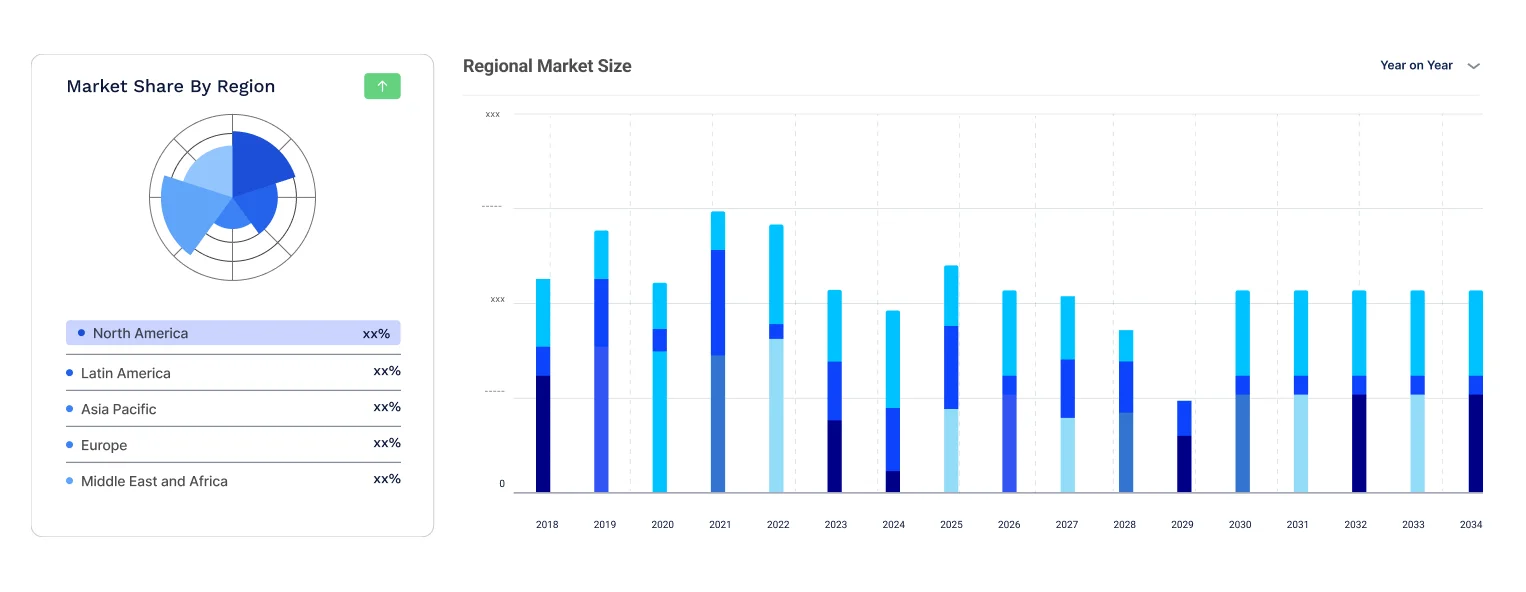
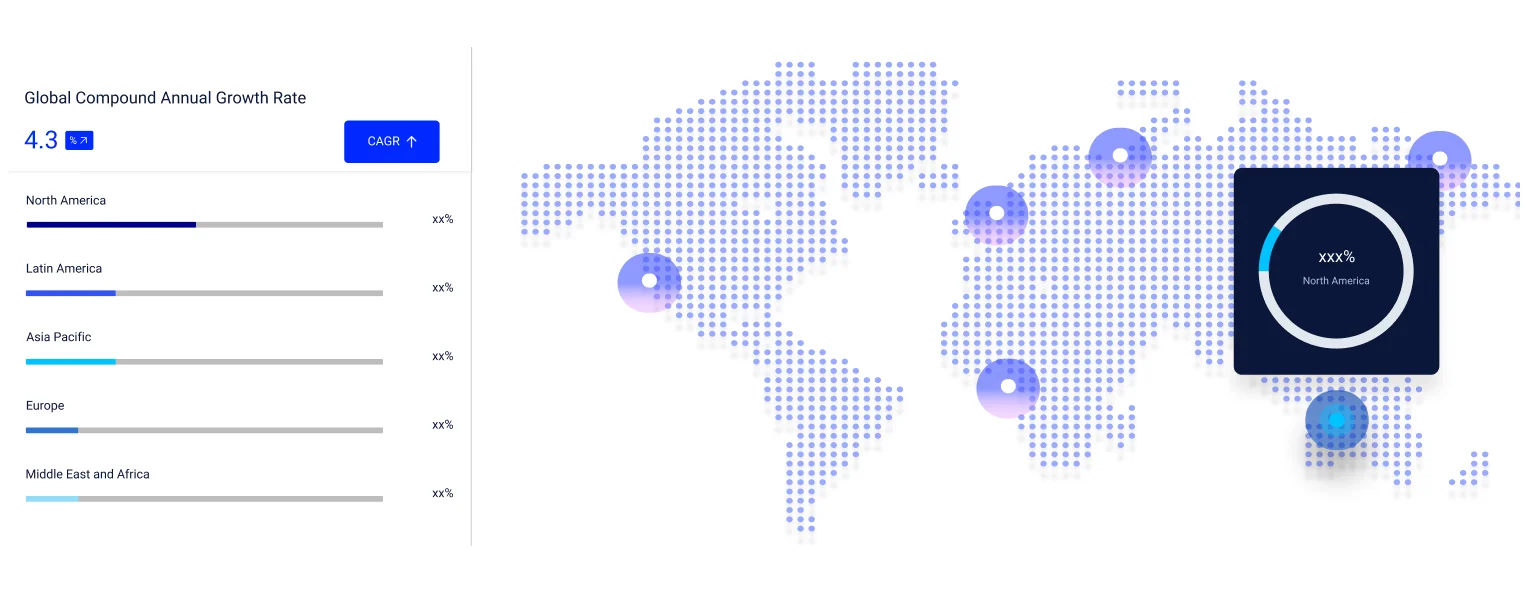
Key Insight: North America dominates with large-scale federal investments, while Asia Pacific grows fast due to climate exposure and industrial needs. Europe leverages its strong regulatory framework and renewable targets influencing the weather forecasting systems market trends. On the other hand, Latin America focuses on agriculture and disaster management, and the Middle East & Africa adopt forecasting systems to safeguard water resources and infrastructure.
By solution, hardware registers the largest share of the market due to satellite and radar demand
Hardware continues to command the largest share of the weather forecasting systems industry revenue as satellites, radars, and sensors form the fundamental infrastructure enabling accurate data capture. Government-backed investments in nanosatellite constellations, Doppler radars, and ocean-monitoring buoys are significantly expanding this segment’s influence. For example, nanosatellites are helping reduce costs while improving data granularity, opening opportunities in emerging economies with limited infrastructure. Radars remain essential for real-time storm tracking, while sensors deployed in remote regions fill critical gaps.
Software is projected to outpace other solutions in terms of their share in the weather forecasting systems market value as artificial intelligence and cloud platforms reshape how weather data is analyzed and delivered. Industries are moving beyond raw forecasts to demand decision-ready insights, and software enables this transformation. Predictive analytics, powered by machine learning, allows more precise short-term forecasting crucial for aviation, shipping, and renewable energy sectors. Subscription-based weather intelligence platforms are also gaining traction as enterprises seek scalable and cost-effective forecasting services.
Long range forecasting account for the largest share due to strategic planning needs
Long range forecasting maintains the dominant market share as governments and industries rely on seasonal and annual projections to shape strategic decisions. Agriculture depends on such forecasts for crop cycle planning, while energy utilities use them for resource allocation and load balancing. For industries exposed to climate risks, such forecasts reduce uncertainty and enable better infrastructure planning, opening up weather forecasting systems market opportunities. The ability to model climate patterns months ahead secures its value, making long range forecasting an essential tool in global economic and safety planning.
Short range forecasting is growing rapidly as demand for hyper-local and real-time predictions intensifies across aviation, logistics, and urban management. Industries with time-sensitive operations rely on these forecasts to make tactical adjustments, reducing risks and operational costs. Integration of IoT sensors and edge analytics provides granular accuracy, enabling decisions within hours or days. For instance, logistics firms optimize delivery routes by anticipating storm disruptions, while aviation operators use real-time data to improve safety and scheduling.
Weather satellites register substantial market share due to expanding global monitoring needs
Weather satellites remain the dominant application in the weather forecasting systems market. They offer comprehensive coverage of atmospheric and oceanic conditions, enabling accurate data collection for long-range and short-term forecasts. Governments and private operators are consistently investing in advanced geostationary and polar-orbiting satellites, ensuring uninterrupted monitoring. The increasing reliance on satellite-based imaging and communication also aligns with broader trends in climate adaptation and disaster response, ensuring weather satellites retain their leading role in the application landscape.
Weather drones are emerging as the fastest-growing application in the weather forecasting systems market, fueled by demand for hyper-localized and flexible forecasting. Unlike fixed stations or high-altitude satellites, drones offer adaptable deployment, capturing real-time atmospheric data from difficult-to-access regions such as coastal areas, disaster zones, and agricultural fields. They are increasingly integrated with IoT and AI analytics platforms, creating dynamic data models suited for industries like logistics and farming.
By end use industry, aviation secures the largest share of the market due to safety-critical operations
The aviation sector dominates the market, as airlines and airports rely heavily on precise forecasts for flight safety, scheduling, and operational efficiency. Turbulence prediction, storm tracking, and runway weather conditions are integral to minimizing risks. Regulatory bodies such as the International Civil Aviation Organization mandate continuous weather monitoring, further boosting adoption. Advanced forecasting systems also help airlines cut fuel costs by optimizing routes around unfavorable conditions.
The energy and utilities industry is driven by the rapid rise of renewable energy sources like wind and solar, widening the weather forecasting systems market scope. Forecasting systems enable grid operators to predict renewable output fluctuations and balance power supply. This is critical for maintaining grid stability and avoiding costly outages. Energy companies are deploying weather-linked predictive analytics to optimize energy trading and improve storage planning.
North America accounts for the largest share of the market due to high federal investments
North America leads the market, supported by heavy government and private investments in advanced forecasting systems. The United States National Weather Service, NOAA, and NASA collectively fund state-of-the-art weather satellites, supercomputers, and data integration projects. Canada is also upgrading infrastructure for Arctic monitoring. Strong collaborations between technology firms and meteorological agencies amplify innovation, making the region a global hub for weather intelligence.
The weather forecasting systems market in Asia Pacific is driven by both climate risks and rapid economic development. Countries like India, China, and Japan are investing heavily in weather forecasting to mitigate agricultural disruptions, manage monsoon variability, and protect dense coastal populations. The region’s expanding aviation and renewable energy sectors further boost demand for precise forecasts. Governments are launching regional satellite programs and localized weather models, while private players are offering real-time forecasting services for logistics and manufacturing.
The market is characterized by innovation in AI-driven modeling, nanosatellite deployments, and integration with cloud-based platforms. Key weather forecasting systems market players are prioritizing hyper-local accuracy, data accessibility, and partnerships with government agencies to strengthen resilience against climate risks. Opportunities lie in commercializing weather data services for industries like aviation, energy, logistics, and insurance, where reliable forecasts directly translate to financial savings and operational safety.
Weather forecasting systems companies are also focusing on expanding subscription-based weather intelligence platforms and developing portable, low-cost monitoring devices tailored for emerging markets. As climate volatility grows, differentiation is shifting from raw forecasting capabilities to real-time insights that offer decision-ready intelligence.
Founded in 1962 and headquartered in the United States, Accuweather provides hyper-local digital forecasts and interactive weather intelligence platforms. It caters to industries like aviation and logistics through mobile apps and enterprise data solutions. The company’s focus lies in user engagement and delivering minute-by-minute weather predictions, supported by advanced radar and satellite feeds.
Established in 1911 and headquartered in Armonk, New York, IBM Corporation leverages AI and supercomputing to deliver advanced weather forecasting solutions through its subsidiary, The Weather Company. IBM’s models process petabytes of satellite and sensor data, supporting sectors like aviation, utilities, and retail with high-resolution insights. Its cloud-driven forecasting systems emphasize speed and accuracy, while partnerships with government agencies amplify scalability.
Founded in 1936 and headquartered in Finland, Vaisala Oyj is recognized for its precision weather sensors and observation technologies. The company supports meteorological agencies, airports, and renewable energy firms with robust monitoring equipment. Its innovations include advanced LiDAR-based systems for wind forecasting and compact weather stations tailored for harsh environments.
Established in 1997 and headquartered in Bergen, Norway, StormGeo AS specializes in providing tailored weather intelligence for maritime, energy, and aviation sectors. The company delivers real-time forecasts and route optimization solutions for shipping companies. Its acquisition by DNV enhanced its credibility in sustainability-driven services, focusing on minimizing carbon emissions through better weather routing.
*Please note that this is only a partial list; the complete list of key players is available in the full report. Additionally, the list of key players can be customized to better suit your needs.*
Other key players in the market are DTN LLC, Campbell Scientific, Inc., Airmar Technology Corporation, OTT HydroMet Fellbach GmbH, Fugro Group, and Skye Instruments Limited, among others.
Explore the latest trends shaping the weather forecasting systems market 2026-2035 with our in-depth report. Gain strategic insights, future forecasts, and key market developments that can help you stay competitive. Download a free sample report or contact our team for customized consultation on weather forecasting systems market trends 2026.


Upto 15% Off
USD
$2499 $2249
$3999 $3599
$4999 $4249
$5999 $5099


*While we strive to always give you current and accurate information, the numbers depicted on the website are indicative and may differ from the actual numbers in the main report. At Expert Market Research, we aim to bring you the latest insights and trends in the market. Using our analyses and forecasts, stakeholders can understand the market dynamics, navigate challenges, and capitalize on opportunities to make data-driven strategic decisions.*
Get in touch with us for a customized solution tailored to your unique requirements and save upto 35%!
The market is projected to grow at a CAGR of 6.70% between 2026 and 2035.
The market is estimated to witness healthy growth in the forecast period of 2026-2035 to reach almost USD 5.06 Billion by 2035.
Companies are investing in nanosatellites, expanding subscription-based weather intelligence, strengthening public-private partnerships, integrating AI analytics with cloud platforms, and developing cost-efficient portable solutions to meet growing industry demand for real-time accuracy.
The key market trends include rapid technological advancements and increasing adoption of weather forecasting technologies.
The major regions in the market are North America, Europe, the Asia Pacific, Latin America, and the Middle East and Africa.
The various solutions for weather forecasting systems include hardware and software.
The different forecasting types include long range forecasting, medium range forecasting, and short range forecasting.
The different end-uses in the market include agriculture, energy and utilities, transportation and logistics, defence and military, aviation, marine, and meteorology and weather service provider, among others.
The different applications in the weather forecasting systems market include weather satellites, weather observing systems, weather stations, weather drones, weather lidar, and weather balloons, among others.
The key players in the market include Accuweather, Inc., IBM Corporation, Vaisala Oyj, StormGeo AS, DTN LLC, Campbell Scientific, Inc., Airmar Technology Corporation, OTT HydroMet Fellbach GmbH, Fugro Group, and Skye Instruments Limited, among others.
In 2025, the weather forecasting systems market reached an approximate value of USD 3.92 Billion.
High operational costs, data standardization gaps, integration of AI with legacy systems, and dependency on government collaborations remain the primary challenges for companies in the global weather forecasting systems market.
Explore our key highlights of the report and gain a concise overview of key findings, trends, and actionable insights that will empower your strategic decisions.
| REPORT FEATURES | DETAILS |
| Base Year | 2025 |
| Historical Period | 2019-2025 |
| Forecast Period | 2026-2035 |
| Scope of the Report |
Historical and Forecast Trends, Industry Drivers and Constraints, Historical and Forecast Market Analysis by Segment:
|
| Breakup by Solution |
|
| Breakup by Forecasting Type |
|
| Breakup by Application |
|
| Breakup by End Use Industry |
|
| Breakup by Region |
|
| Market Dynamics |
|
| Competitive Landscape |
|
| Companies Covered |
|
Datasheet
One User
USD 2,499
USD 2,249
tax inclusive*
Single User License
One User
USD 3,999
USD 3,599
tax inclusive*
Five User License
Five User
USD 4,999
USD 4,249
tax inclusive*
Corporate License
Unlimited Users
USD 5,999
USD 5,099
tax inclusive*
*Please note that the prices mentioned below are starting prices for each bundle type. Kindly contact our team for further details.*
Flash Bundle
Small Business Bundle
Growth Bundle
Enterprise Bundle
*Please note that the prices mentioned below are starting prices for each bundle type. Kindly contact our team for further details.*
Flash Bundle
Number of Reports: 3
20%
tax inclusive*
Small Business Bundle
Number of Reports: 5
25%
tax inclusive*
Growth Bundle
Number of Reports: 8
30%
tax inclusive*
Enterprise Bundle
Number of Reports: 10
35%
tax inclusive*
How To Order

Select License Type
Choose the right license for your needs and access rights.

Click on ‘Buy Now’
Add the report to your cart with one click and proceed to register.

Select Mode of Payment
Choose a payment option for a secure checkout. You will be redirected accordingly.
Gain insights to stay ahead and seize opportunities.

Get insights & trends for a competitive edge.

Track prices with detailed trend reports.

Analyse trade data for supply chain insights.

Leverage cost reports for smart savings

Enhance supply chain with partnerships.

Connect For More Information
Our expert team of analysts will offer full support and resolve any queries regarding the report, before and after the purchase.
Our expert team of analysts will offer full support and resolve any queries regarding the report, before and after the purchase.
We employ meticulous research methods, blending advanced analytics and expert insights to deliver accurate, actionable industry intelligence, staying ahead of competitors.
Our skilled analysts offer unparalleled competitive advantage with detailed insights on current and emerging markets, ensuring your strategic edge.
We offer an in-depth yet simplified presentation of industry insights and analysis to meet your specific requirements effectively.





Share