

Consumer Insights
Uncover trends and behaviors shaping consumer choices today
Procurement Insights
Optimize your sourcing strategy with key market data
Industry Stats
Stay ahead with the latest trends and market analysis.
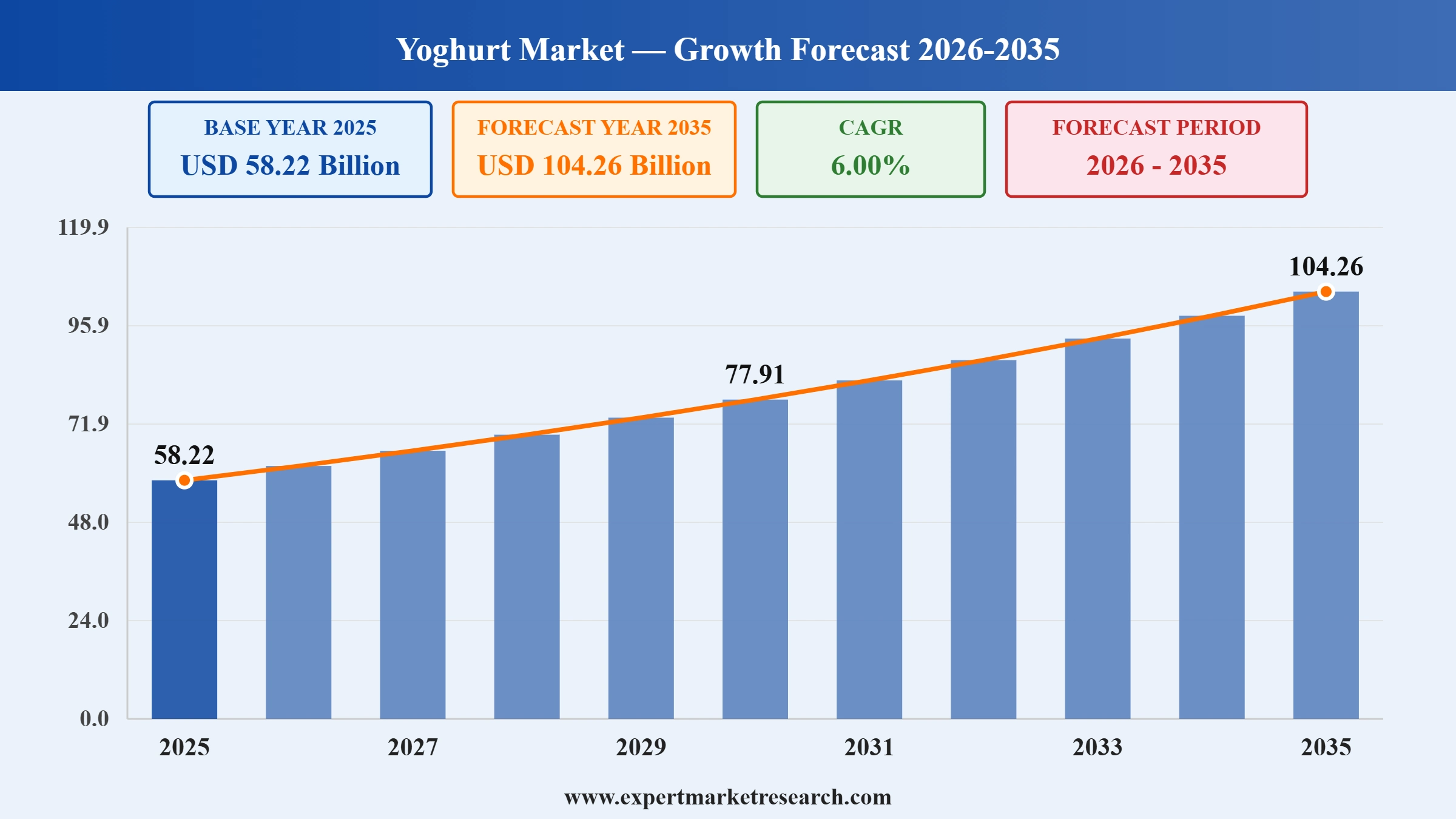
The global yoghurt market size was valued at USD 58.22 Billion in 2025. The industry is expected to grow at a CAGR of 6.00% during the forecast period of 2026-2035 to reach a value of USD 104.26 Billion by 2035. Product innovation and health-focused offerings are driving market growth.
Manufacturers are actively responding to evolving consumer preferences for nutritious, convenient, and specialty dairy options. For instance, Skyrrup’s launch of lactose-free Greek yogurt in August 2023 exemplifies this trend, combining A2 cow milk, high protein, and a creamy, low-fat formulation suitable for all family members. By offering no added sugar or preservatives, the product appeals to health-conscious consumers, including those with lactose intolerance.
Strategic expansion into new cities and online channels further enhances accessibility, enabling the brand to capture a larger market share. Such innovations highlight how product differentiation, aligned with wellness trends, is central to sustaining growth and increasing consumer engagement in the competitive yoghurt market landscape.
Read more about this report - REQUEST FREE SAMPLE COPY IN PDF
| Global Yoghurt Market Report Summary | Description | Value |
| Base Year | USD Billion | 2025 |
| Historical Period | USD Billion | 2019-2025 |
| Forecast Period | USD Billion | 2026-2035 |
| Market Size 2025 | USD Billion | 58.22 |
| Market Size 2035 | USD Billion | 104.26 |
| CAGR 2019-2025 | Percentage | XX% |
| CAGR 2026-2035 | Percentage | 6.00% |
| CAGR 2026-2035 - Market by Region | Latin America | 6.5% |
| CAGR 2026-2035 - Market by Country | India | 6.8% |
| CAGR 2026-2035 - Market by Country | Brazil | 6.6% |
| CAGR 2026-2035 - Market by Flavour | Flavoured | 7.4% |
| CAGR 2026-2035 - Market by Fat Content | Low Fat | 7.7% |
| Market Share by Country 2025 | Australia | 2.1% |
LALA launched its LALA Gold yogurt range in the United States, featuring drinkable and spoonable options with up to 25g of protein and no added sugar. The brand’s focus on nutrient-rich, convenient formats highlights rising consumer demand for functional, high-protein dairy products that support active and health-conscious lifestyles.
Arla Foods Ingredients launched its “Go High in Protein” campaign to launch the Nutrilac® ProteinBoost range, featuring formulations for ambient spoon able and drinking yogurts, high-protein ice cream, and other dairy products, emphasizing both nutritional quality and consumer appeal. Additionally, the campaign was aimed at inspiring dairy manufacturers to create innovative high-protein products in the yoghurt market.
Nigeria’s Fan Milk Plc, a subsidiary of Danone, commissioned a new yoghurt production line in Ibadan, strengthening local manufacturing and supply capabilities.
Chinese dairy major Mengniu Dairy partnered with Dow Inc. to launch an all-polyethylene (PE) yogurt pouch designed for recyclability. By aligning packaging innovation with circular economy goals, companies not only reduce environmental footprint but also attract eco-aware consumers, thereby supporting market growth.
Consumers are increasingly seeking foods that actively support gut health and immunity, driving demand for yoghurts formulated with live probiotics or prebiotic fibre. For instance, Activia (owned by Danone) launched Activia Proactive in August 2025, a low-fat yoghurt line offering billions of live probiotics plus 3g prebiotic fibre to cater to digestive-health-conscious consumers. This reflects a broader shift in how yoghurt is perceived, not just as a snack or breakfast item, but as a functional food with measurable wellness benefits.
The top manufacturers operating in the yoghurt market are responding to the growing preference for protein-rich, low-sugar products that align with active lifestyles and dietary mindfulness. For example, Chobani introduced its High Protein Greek yoghurt line in October 2024 with cups containing 20 g protein and drinks up to 30 g, all lactose-free and with no added sugar. By offering a clearly defined nutritional benefit, brands can bolster premium positioning, attract fitness-oriented consumers, and differentiate from commoditized yoghurt options.
With rising awareness towards lactose intolerance and the flexitarian/vegan trend, yoghurt brands are expanding into dairy-free and alternative models, helping drive category growth. In India, for example, Parag Milk Foods launched a lactose-free Greek yoghurt made from A2 cow’s milk in August 2023, offering creamy texture, protein and calcium, while appealing to health-aware consumers. These alternative formulations allow the category to tap non-traditional consumer groups and stay relevant amid evolving dietary habits, thereby boosting yoghurt market growth.
Urbanisation, higher disposable incomes and western ¬influenced lifestyles in emerging markets are driving yoghurt consumption upward. For example, India’s Parag Milk Foods introduced new flavoured yoghurts under its brands in April 2025, as part of its retail expansion in health-conscious urban segments. Growth in such markets allows global players to tap incremental volume beyond mature markets, and tailor offerings to regional taste profiles and consumption patterns.
Leading companies are making massive investments in manufacturing capacity and infrastructure to support future growth, signalling confidence in the yoghurt market trends. For instance, Japan’s Meiji Holdings Co., Ltd. announced in September 2024 a USD 279 million investment for a new yoghurt plant in Kanagawa to replace three existing factories. Such large-scale investments show the industry’s commitment, reduce production bottlenecks, support faster innovation, and position companies to respond rapidly to increasing consumption.
The EMR’s report titled “Global Yoghurt Market Report and Forecast 2026-2035” offers a detailed analysis of the market based on the following segments:
Market Breakup by Category
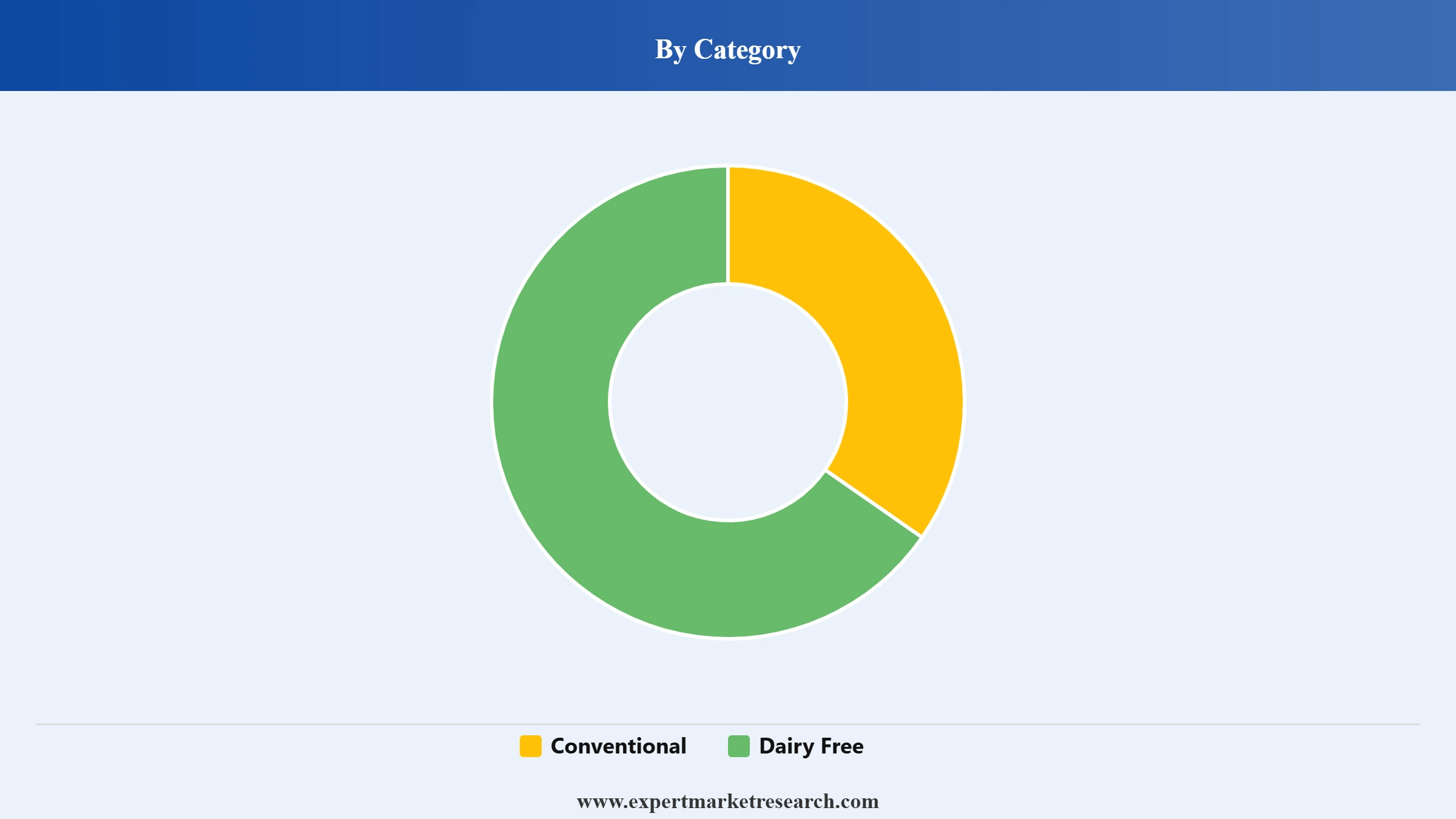
Key Insights: Conventional yoghurt remains popular for its familiar taste and evolving innovations, including protein-rich Greek variants and probiotic blends that combine health and indulgence. Dairy-free options are rapidly gaining traction, driven by plant-based diets and lactose intolerance awareness, exemplified by COYO’s oat and coconut yoghurt launched in February 2025 and Nadec’s lactose-free yoghurt in 2025. Both segments are increasingly influenced by cleaner labels, sustainable packaging, and functional nutrition, appealing to traditional consumers while attracting a growing health-conscious and environmentally aware audience.
Market Breakup by Type
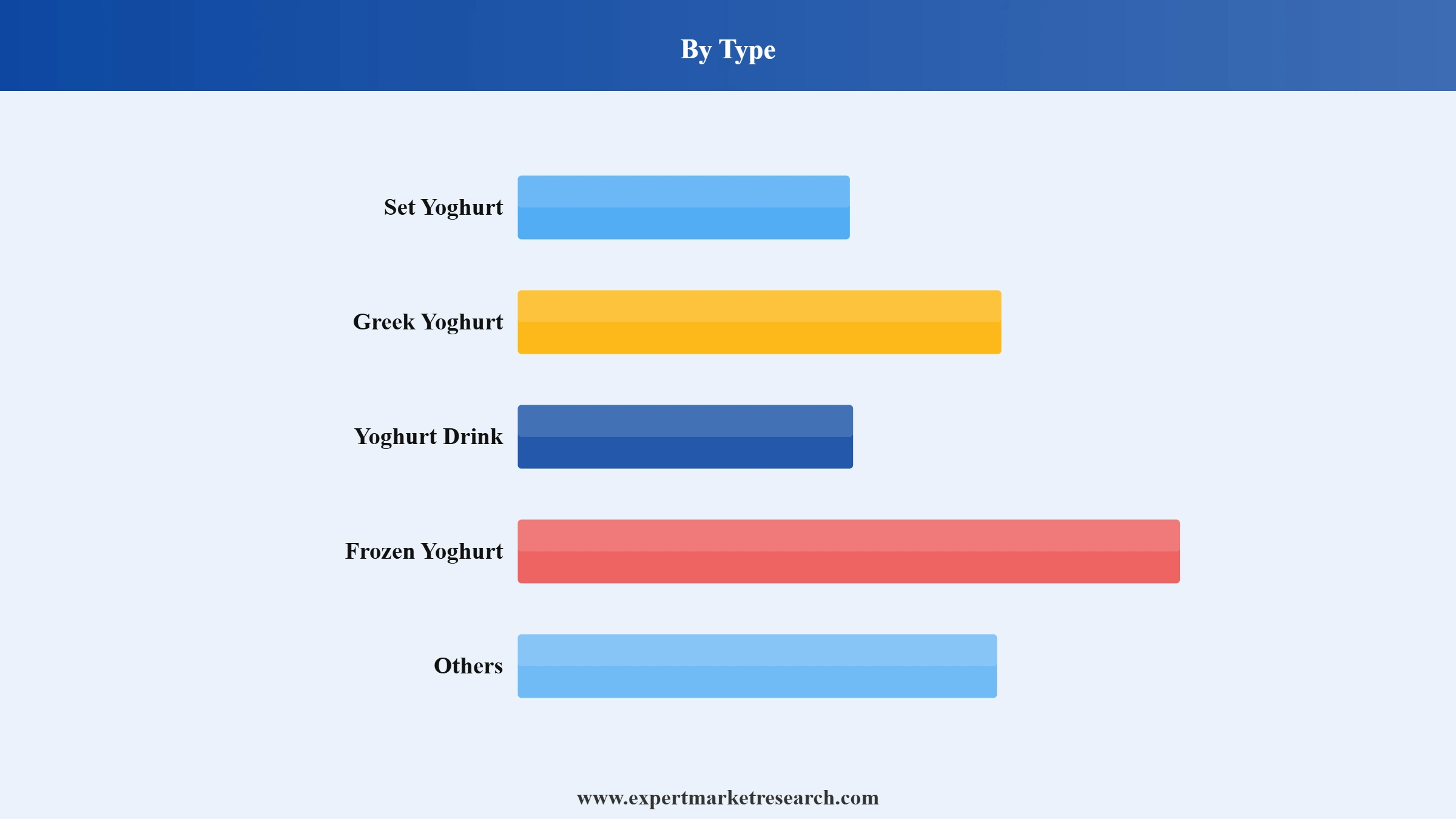
Key Insights: Set yoghurt market continues to be prized for its creamy texture, convenience, and versatility in breakfast and dessert occasions. Greek yoghurt is gaining strong consumer attention due to its high protein content and indulgent mouthfeel, appealing to health-conscious and premium-seeking buyers, exemplified by Yasso’s October 2025 launch of a 14oz spoonable frozen Greek yoghurt line in the USA, combining rich flavors with 19g of protein per tub. Yoghurt drinks are expanding with on-the-go lifestyles, offering portability and functional benefits, while other formats, including skyr and probiotic blends, cater to niche preferences, innovation, and regional tastes.
Market Breakup by Flavour
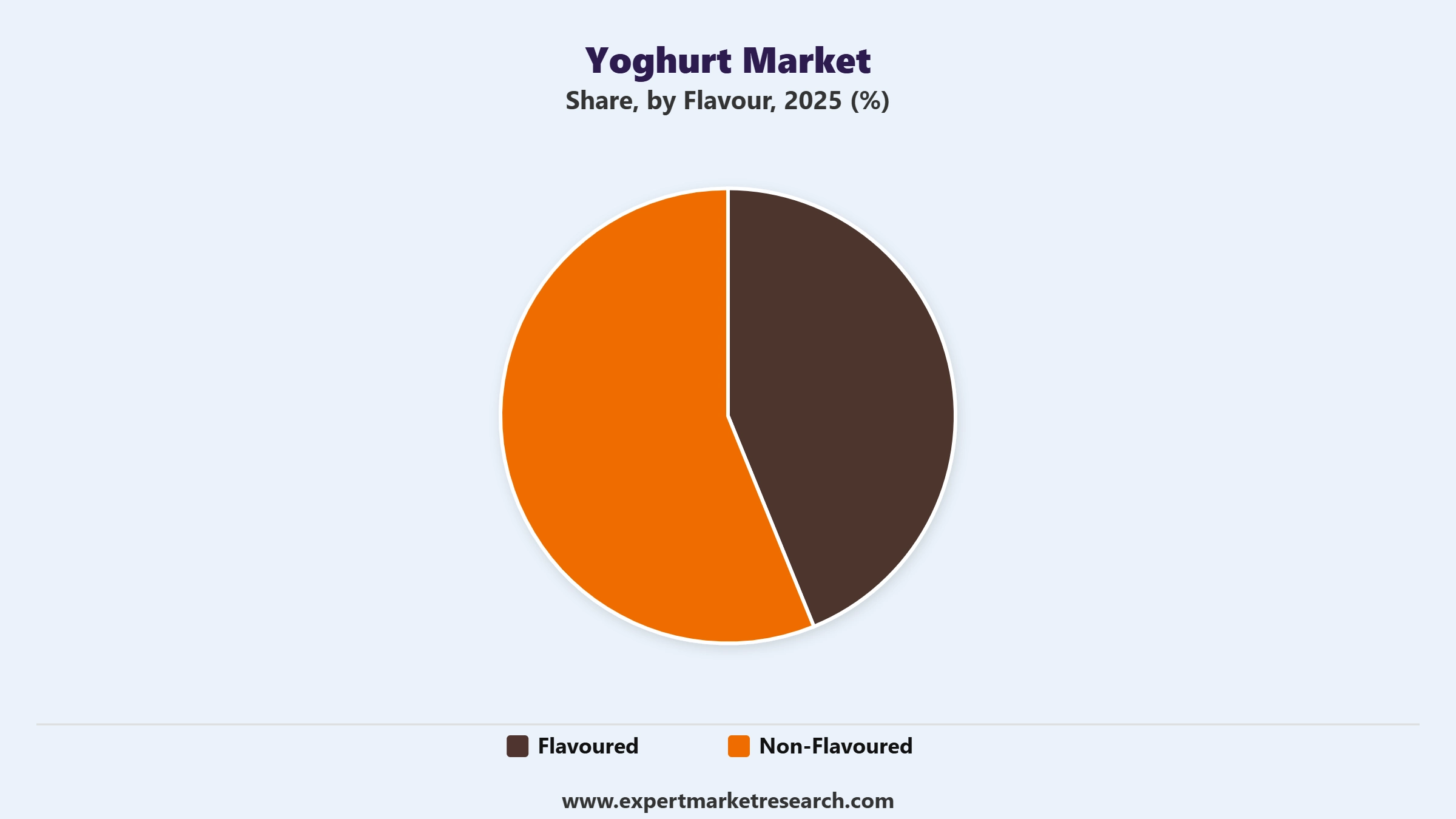
Key Insights: Flavoured yoghurts are growing in demand as consumers seek indulgence combined with functional benefits, with launches like V-Rich’s Yogurt Alley in June 2025 emphasizing clean-label, sugar-free options with farm-sourced ingredients and added protein, probiotics, and natural sweeteners. Non-flavoured yoghurts continue to anchor the market for their versatility, creamy texture, and suitability for daily meals or recipes, catering to traditionalists and health-conscious buyers alike, balancing taste with nutrition.
Market Breakup by Fat Content
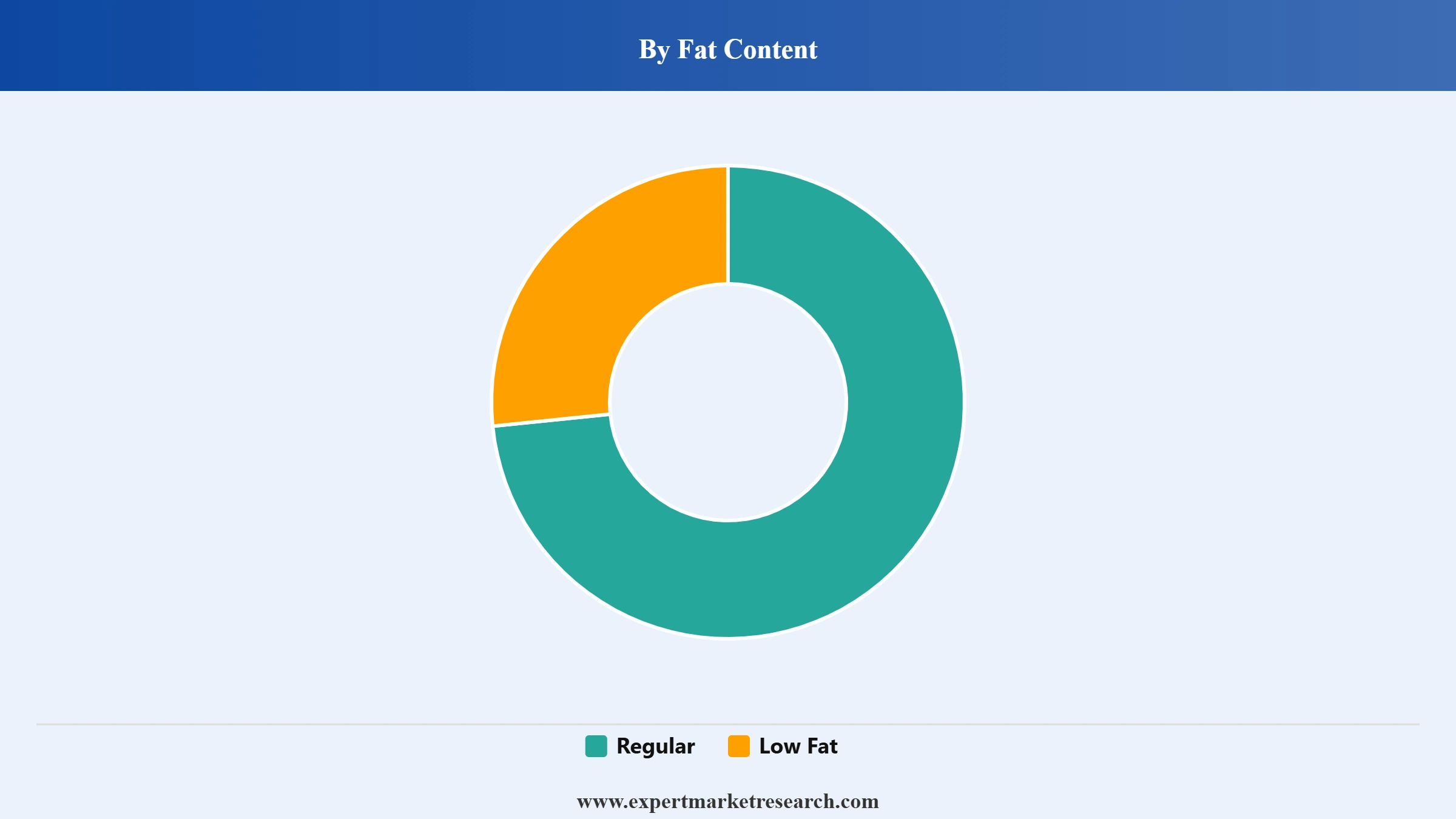
Key Insights: Regular yoghurt remains popular for its rich, creamy taste and indulgent mouthfeel, appealing to consumers seeking traditional flavor and texture. Low-fat variants are gaining momentum as health-conscious buyers prioritize calorie control, weight management, and heart-healthy diets. Fortified with protein and probiotics, low-fat options are witnessing high demand in the yoghurt market cater to functional nutrition needs without compromising taste. Across both segments, consumer preference is increasingly shaped by wellness trends, label transparency, and a desire for products that balance indulgence with health benefits.
Market Breakup by Packaging Type
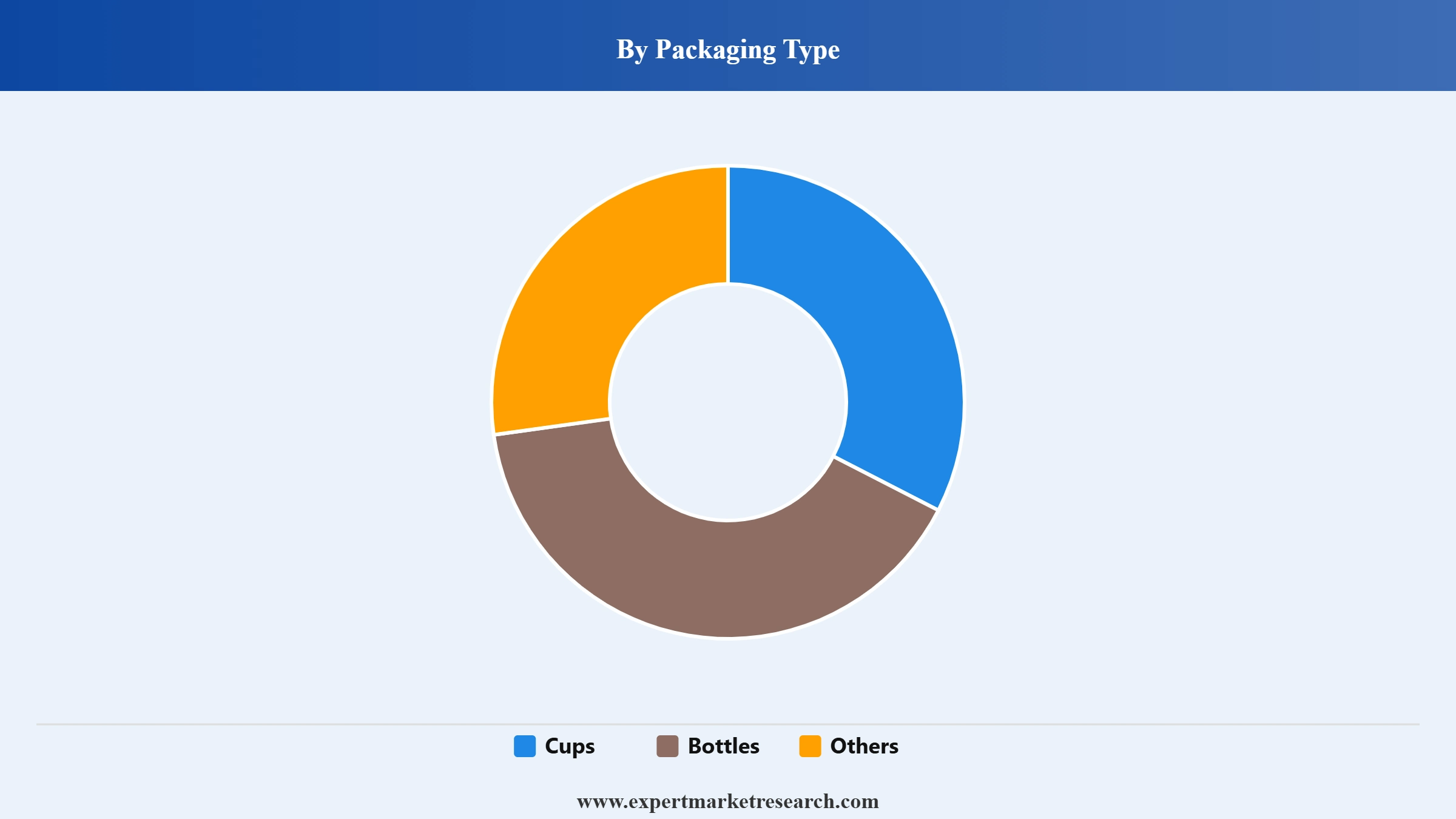
Key Insights: Cups continue to lead due to convenience, portion control, and versatility for both individual and family consumption. Bottles are increasingly favored as innovations like Sidel’s ultra-small, ultra-light PET design, launched in November 2023, enable sustainable, cost-efficient, and on-the-go formats for drinking and probiotic yogurts. Other packaging types, including tubs, pouches, and multipacks, serve niche preferences, offering premium, shareable, or environmentally conscious solutions. Across all formats, sustainability, ease of use, and functional nutrition drive consumer adoption and market growth.
Market Breakup by Distribution Channel
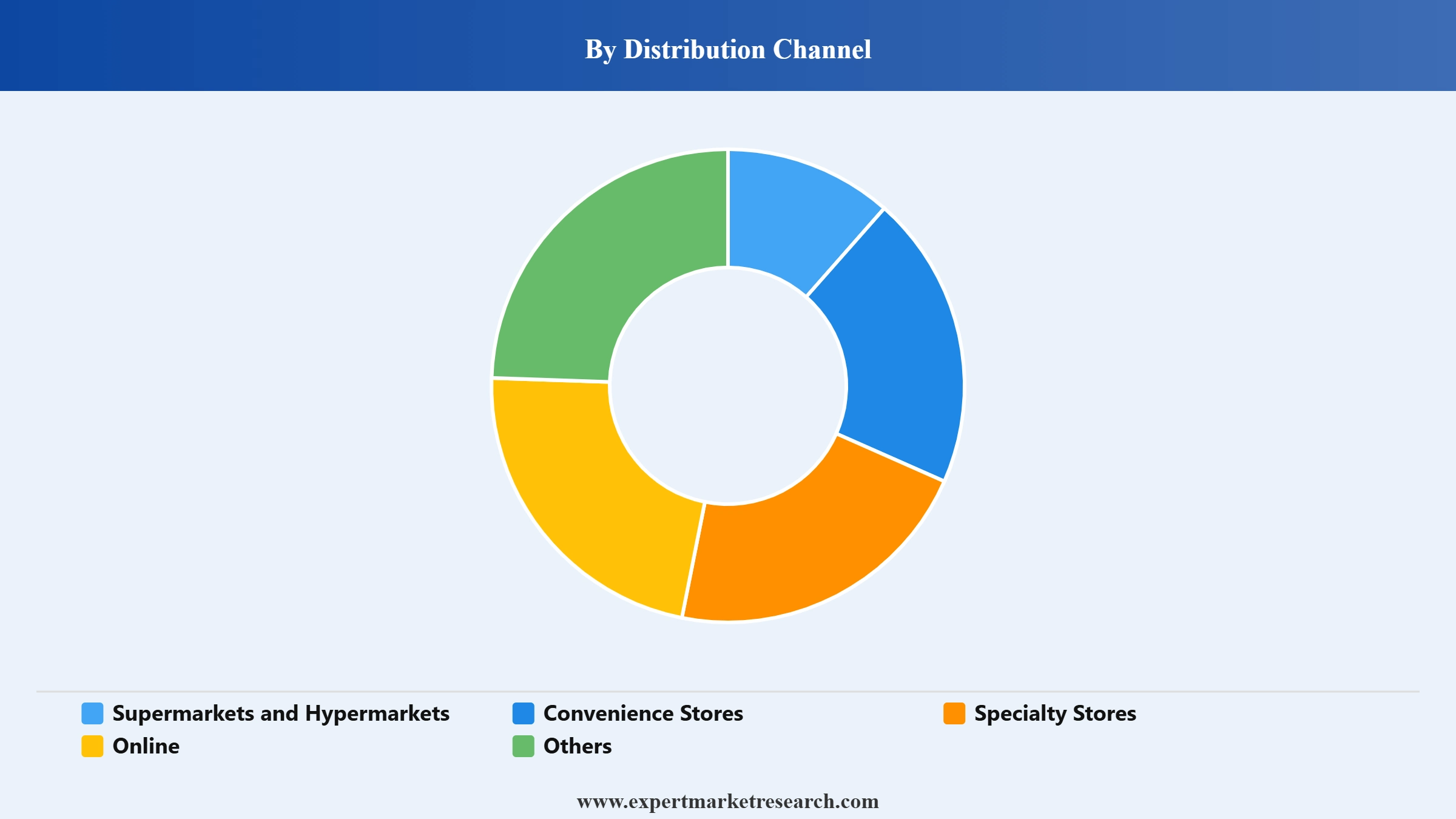
Key Insights: Supermarkets and hypermarkets remain key distribution channels for yogurts, offering wide product variety, competitive pricing, and promotions to attract mass consumers, as seen with Lactalis Canada’s iÖGO frozen yogurt expansion in April 2025. Convenience stores cater to quick, on-the-go purchases with smaller pack sizes and extended hours. Specialty stores appeal to premium and health-focused buyers seeking artisanal or functional yogurts. Online channels leverage home delivery, subscriptions, and e-commerce growth, while other channels, including pharmacies and institutional sales, support niche and value-driven distribution.
Market Breakup by Region
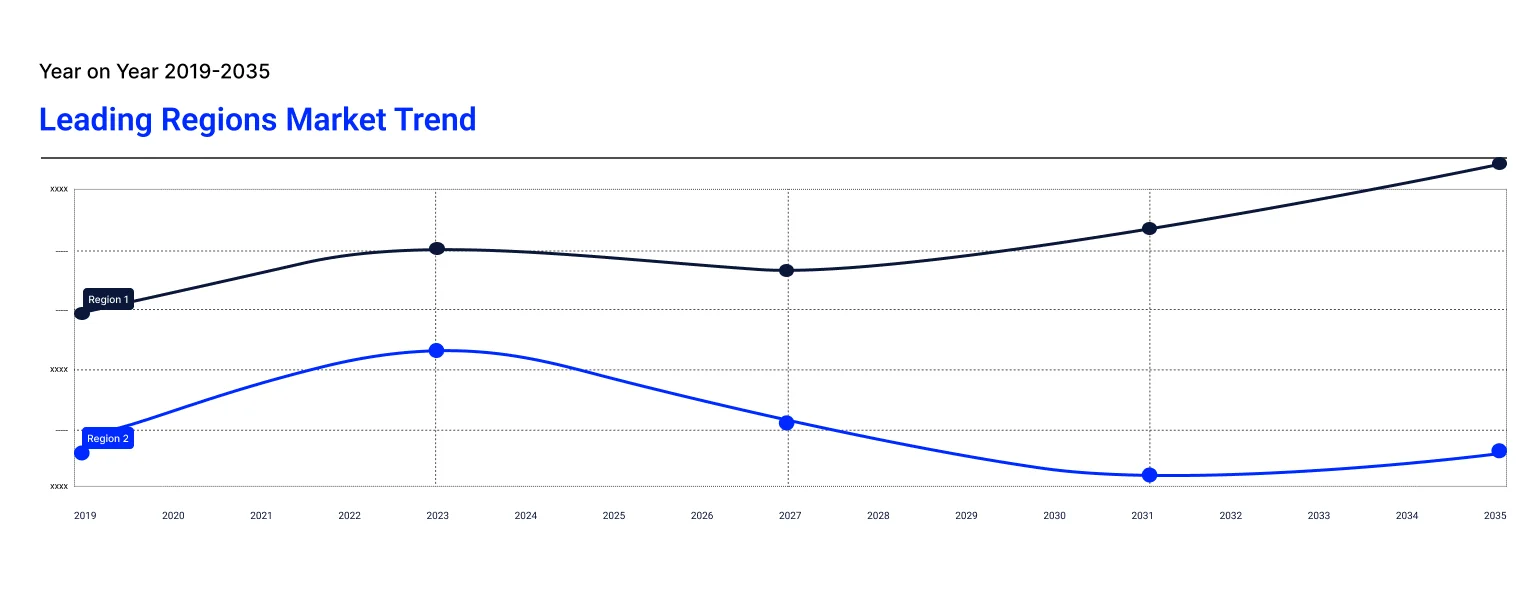
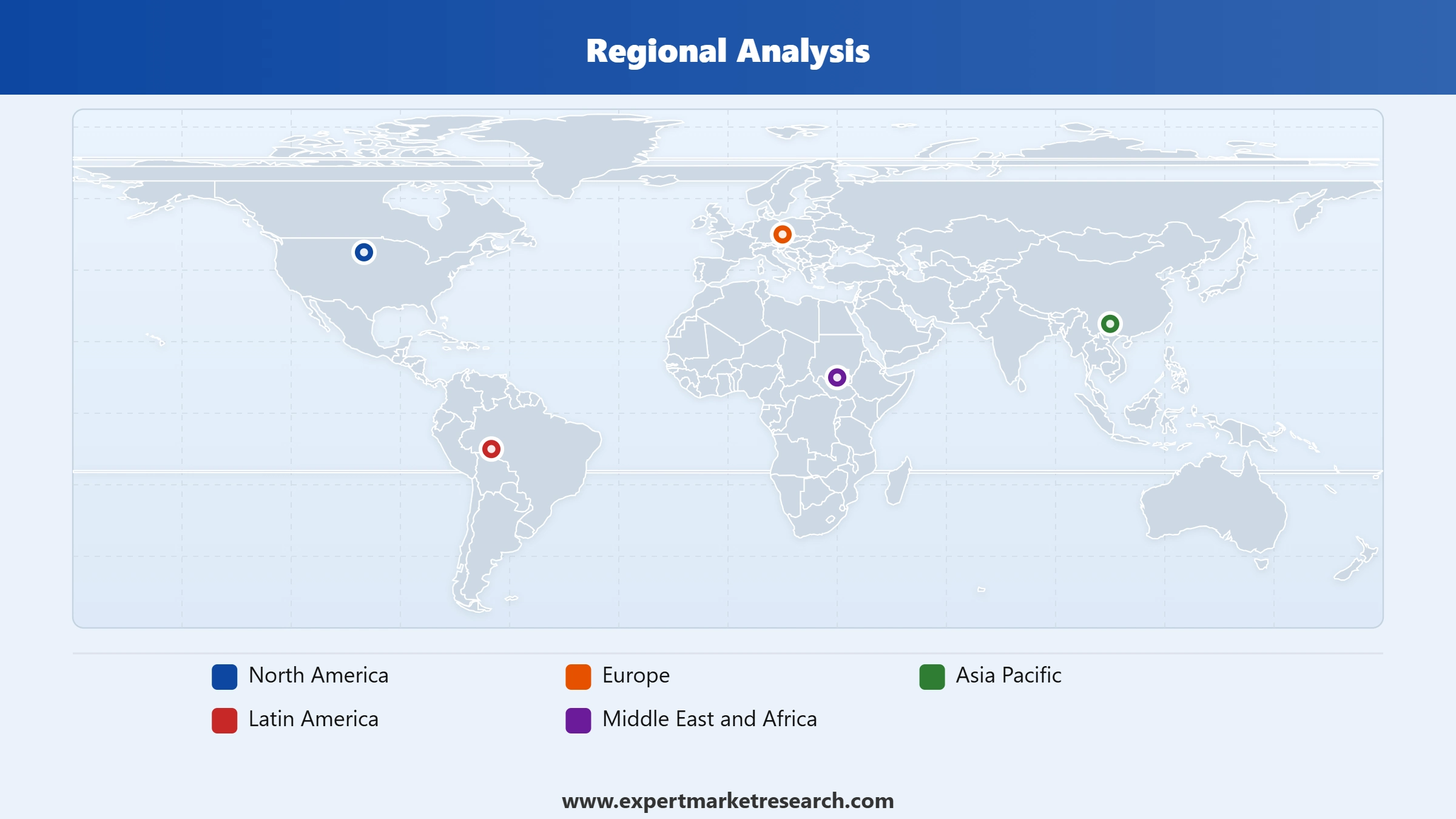
Key Insights: The global yoghurt market is witnessing dynamic regional growth, driven by distinct consumer trends. In North America, protein-rich and functional products, along with on-the-go formats, are expanding adoption. Europe’s market thrives on sustainability, wellness, and premium Greek-style variants. Asia Pacific is rapidly growing, fueled by health consciousness, high-protein preferences, and innovations such as Oarmilk’s 2025 expansion beyond Greek yoghurt and Dutchie’s regional launches. Latin America sees demand for convenient, fortified yoghurts, while the Middle East and Africa benefit from rising digestive health awareness, shaping functional and flavored offerings.
Read more about this report - REQUEST FREE SAMPLE COPY IN PDF
By category, conventional yoghurt continues to record high demand
The conventional yoghurt segment remains a key market driver, fueled by consumer trust in familiar flavors, creamy textures, and everyday accessibility. Valmiera’s April 2025 launch of its plain yogurt line exemplifies this trend, introducing high-protein, low-fat, lactose-free, and additive-free options in sustainable packaging. By combining nutritional value, clean-label formulations, and a refreshed brand identity, Valmiera appeals to both health-conscious and traditional consumers, reinforcing the segment’s position as a versatile and reliable choice for breakfast, snacks, and culinary uses.
Read more about this report - REQUEST FREE SAMPLE COPY IN PDF
The dairy-free yoghurt market share is experiencing strong growth as consumers increasingly seek plant-based, allergen-friendly alternatives with functional benefits. Once Upon a Farm’s launch of its dairy-free coconut milk yogurt pouches in July 2025 exemplifies this trend, offering prebiotic- and probiotic-enriched options with no added sugar, tailored for children and health-conscious families. Innovations like these combine taste, nutrition, and gut health support, driving adoption among consumers avoiding dairy, exploring plant-based diets, or looking for cleaner, functional yoghurt alternatives.
By type, Greek yoghurt represents significant market share
Greek yoghurt market demonstrates notable growth owing to rising consumer preference for high-protein, nutrient-rich dairy options and the entry of trusted brands enhancing product credibility. Britannia’s April 2025 launch of its Greek yoghurt range exemplifies this shift, combining clean-label formulations, authentic texture, and contemporary design to attract urban, health-conscious buyers. By leveraging brand trust and large-scale distribution, such innovations are expanding accessibility and accelerating the mainstream acceptance of Greek yoghurt in emerging dairy markets.
Read more about this report - REQUEST FREE SAMPLE COPY IN PDF
Frozen yoghurt is emerging as a fast-growing segment by combining indulgence with wellness, appealing to consumers seeking guilt-free dessert experiences. In June 2025, France’s No. 1 frozen yoghurt brand, Yogurt Factory, entered India through a partnership with FranGlobal, offering 0% fat frozen yoghurt with customizable toppings, smoothies, and milkshakes. The interactive, playful format transforms dessert into a personalized experience, reflecting how brands are driving frozen yoghurt growth by blending health-conscious choices with indulgent, experiential consumption.
By flavor, flavored yoghurt is picking up momentum
Flavoured category accounts for a notable share of the yoghurt market revenue momentum as brands leverage premium and authentic origin cues to appeal to discerning consumers. Meiji’s launch of Hokkaido Flavor Yogurt in China from August 2024 highlights this driver, with packaging and branding emphasizing Hokkaido’s natural landscape and high-quality dairy heritage. By associating products with trusted regions and visually communicating authenticity, companies are enhancing consumer perception, building brand trust, and driving preference for flavoured yoghurts that combine taste with aspirational, culturally resonant storytelling.
Read more about this report - REQUEST FREE SAMPLE COPY IN PDF
On the other hand, the demand for non-flavored yoghurt is primarily driven by rising health consciousness among consumers, who increasingly prioritize products with high protein content, probiotics, and minimal added sugar. Its neutral taste and clean-label appeal make it a preferred choice for those seeking nutritious, functional foods that support gut health and overall wellness. As consumers look for versatile, wholesome options, plain yoghurts are benefiting from this shift toward mindful eating and sustained nutritional value.
By packaging type, cups witness higher consumer preference
Cup packaging remains the most preferred format for yoghurt as it offers portion control, portability, and strong visual appeal, which are key traits for on-the-go and single-serve consumption. Consumers associate cups with freshness and convenience, while brands use them for attractive labeling and tamper-evident designs. For instance, in February 2025, Huhtamaki launched its ProDairy recyclable single-coated paper cups to meet rising demand for sustainable yet functional options. The innovation lowers plastic content below 10%, ensures reliable sealing, and maintains performance in chilled storage.
Read more about this report - REQUEST FREE SAMPLE COPY IN PDF
Bottled yoghurt drinks continue to gain traction as consumers gravitate toward portable, resealable formats that support on-the-go lifestyles. The clear design also enhances product visibility, which boosts trust and appeal in chilled aisles. In April 2025, Yoplait introduced new Yop bottles made with 35% recycled PET (rPET) and an attached cap, aligning with EU sustainability mandates. The bottles feature micro-perforated sleeves that guide users to recycle correctly, reflecting how brands are combining convenience, aesthetics, and circular design principles.
By fat content, low fat category shows significant uptake
The low-fat yogurt segment is witnessing strong growth, fueled by rising consumer health consciousness and demand for functional, fitness-oriented products. Morinaga’s July 2024 launch of its Zero Fat Drink Yogurt in Vietnam exemplifies this trend, offering probiotic-rich, low-calorie options in flavors like Less Sugar and Less Sugar Strawberry. With clinically backed LAC-Shield® probiotics supporting digestion and immunity, such innovations cater to health-focused consumers, reinforcing the segment’s appeal among those seeking guilt-free, nutrient-packed dairy choices.
Read more about this report - REQUEST FREE SAMPLE COPY IN PDF
The regular fat yogurt segment is primarily driven by its creamy, indulgent mouthfeel, which provides a satisfying sensory experience for consumers. This texture differentiates it from low-fat or fat-free options, making it a preferred choice for breakfast, desserts, and culinary applications. Brands are leveraging this characteristic by emphasizing taste, richness, and versatility in product positioning, ensuring that the indulgent quality of regular fat yogurt remains a key factor sustaining demand and loyalty.
By distribution channel, supermarkets and hypermarkets generate the highest revenue
Supermarkets and hypermarkets continue to dominate yogurt distribution, driven by their ability to offer a wide variety of products, competitive pricing, and promotional schemes that attract repeat purchases. Seasonal launches, such as Tesco’s introduction of a limited-edition festive Muller yoghurt flavor in September 2025, highlight how retailers leverage exclusive offerings to entice shoppers. Consumers appreciate the convenience of bulk buying and in-store promotions, while brands use eye-catching displays and unique flavors to strengthen engagement, making supermarkets a key channel for yogurt sales.
Read more about this report - REQUEST FREE SAMPLE COPY IN PDF
The online distribution channel for yogurt is witnessing rapid growth, driven by consumers’ increasing preference for convenience, doorstep delivery, and time-saving shopping solutions. Companies are leveraging e-commerce platforms and mobile apps to reach a wider audience, offer subscription-based deliveries, and introduce new product lines directly to customers. For instance, Winder Farms in 2025 revived its home delivery service via Instacart, combining nostalgia with modern convenience. Such strategies enable brands to enhance customer loyalty, expand market presence, and cater to evolving digital-first consumer behaviors in the dairy sector.
By Region, Asia Pacific registers robust growth
Premiumization is emerging as a key growth driver in the Asia Pacific yoghurt market, with consumers increasingly willing to pay more for richer textures, added nutrition, and indulgent ingredients. In August 2025, Dutchie by Dutch Mill launched its Greek Style Yoghurt, featuring a thick, creamy consistency and added granola to deliver a more satisfying and protein-rich experience. The move highlights how regional brands are elevating yoghurt from a basic dairy staple to a premium, health-driven lifestyle product.
Read more about this report - REQUEST FREE SAMPLE COPY IN PDF
Meanwhile, the North America yoghurt market is witnessing growth driven by evolving snacking habits and demand for convenient, indulgent options. Danone’s April 2024 launch of the Remix yogurt and dairy snack line exemplifies this trend, offering mix-in toppings across Oikos, Too Good & Co., and Light + Fit brands. With flavors like salted caramel and strawberry cheesecake, these products cater to taste, nutrition, and on-the-go consumption, reflecting consumers’ desire for customizable, flavorful, and health-conscious snacking solutions.
The prominent global yoghurt market players such as Nestlé, Danone, Lactalis, and FrieslandCampina employ diverse strategies to strengthen their presence in the global yogurt market. Their efforts include continuous product innovation, expanding into health-focused and functional dairy segments, and leveraging advanced technologies for production efficiency. Collaborations, acquisitions, and localized offerings enable them to cater to regional consumer preferences while maintaining brand loyalty and market share.
These yoghurt companies also prioritize sustainability and digital engagement as core strategies. Initiatives like eco-friendly packaging, waste reduction, and responsible sourcing reflect their environmental commitments. Simultaneously, investments in online distribution channels, e-commerce partnerships, and targeted marketing campaigns enhance accessibility and consumer interaction. By balancing innovation, sustainability, and strategic expansion, these market players aim to drive growth and retain a competitive edge globally.
Founded in 1866 and headquartered in Vevey, Switzerland, Nestlé S.A. is a global leader in nutrition, health, and wellness. The company offers a diverse portfolio, including dairy, beverages, and packaged foods, catering to millions worldwide. Nestlé continually invests in innovation to meet evolving consumer preferences and sustainability goals.
Established in 1919 in Paris, France, Danone S.A. focuses on dairy, plant-based products, and specialized nutrition. Its portfolio emphasizes health and wellness, serving consumers across the globe. Danone is committed to driving positive social and environmental impact alongside business growth in the global yoghurt market.
A U.S. subsidiary of France’s Lactalis Group, Lactalis American Group, Inc. produces high-quality dairy products. It serves the North American market with multiple trusted brands. The company leverages global expertise to ensure consistent quality and innovation across its product lines.
Founded in 1871 and headquartered in Amersfoort, Netherlands, FrieslandCampina is a leading dairy cooperative. It offers milk, yogurt, and cheese products globally with a strong focus on sustainability and quality. FrieslandCampina invests in research and development to enhance product innovation and nutritional value.
*Please note that this is only a partial list; the complete list of key players is available in the full report. Additionally, the list of key players can be customized to better suit your needs.*
Other notable players in the yoghurt industry include China Mengniu Dairy Company Limited, Fonterra Co-operative Group Limited, and General Mills Inc., among others.
Explore the latest trends shaping the Global Yoghurt Market 2026-2035 with our in-depth report. Gain strategic insights, future forecasts, and key market developments that can help you stay competitive. Get a free sample report or contact our team for customized consultation on global yoghurt market trends 2026.


Upto 15% Off
USD
$2499 $2249
$3999 $3599
$4999 $4249
$5999 $5099


*While we strive to always give you current and accurate information, the numbers depicted on the website are indicative and may differ from the actual numbers in the main report. At Expert Market Research, we aim to bring you the latest insights and trends in the market. Using our analyses and forecasts, stakeholders can understand the market dynamics, navigate challenges, and capitalize on opportunities to make data-driven strategic decisions.*
In 2025, the global yoghurt market reached an approximate value of USD 58.22 Billion.
The market is projected to grow at a CAGR of 6.00% between 2026 and 2035.
Key strategies driving the market include product innovation with functional and plant-based options, expansion into emerging markets, capacity investments, sustainable packaging adoption, and strengthening online and offline distribution channels.
The key trends guiding the market growth include the rising consumption of yoghurt as a snack, the thriving food and beverage sector, and the growing focus of manufacturers to offer the product in innovative and convenient packaging formats.
The major regions in the market are North America, Latin America, the Middle East and Africa, Europe, and the Asia Pacific.
The significant categories of the product include conventional and dairy free.
The various types of yoghurt available in the market are set yoghurt, Greek yoghurt, yoghurt drink, and frozen yoghurt, among others.
Flavoured and non-flavoured are the different segments based on the flavour of yoghurt.
The major segments based on the fat content of yoghurt are regular and low fat.
Cups and bottles, among others, are the different yoghurt packaging types considered in the market report.
The significant distribution channels in the yoghurt market include supermarkets and hypermarkets, convenience stores, speciality stores, and online, among others.
The key players in the market include Nestlé S.A., Danone S.A., Lactalis American Group, Inc., Royal FrieslandCampina N.V., China Mengniu Dairy Company Limited, Fonterra Co-operative Group Limited, and General Mills Inc.
The market is estimated to witness a healthy growth in the forecast period of 2026-2035 to reach USD 104.26 Billion by 2035.
Latin America holds the largest share of the global yoghurt market, driven by rising urbanization, growing middle-class demand, and increasing adoption of convenient and fortified yoghurt products.
Explore our key highlights of the report and gain a concise overview of key findings, trends, and actionable insights that will empower your strategic decisions.
| REPORT FEATURES | DETAILS |
| Base Year | 2025 |
| Historical Period | 2019-2025 |
| Forecast Period | 2026-2035 |
| Scope of the Report |
Historical and Forecast Trends, Industry Drivers and Constraints, Historical and Forecast Market Analysis by Segment:
|
| Breakup by Category |
|
| Breakup by Type |
|
| Breakup by Flavour |
|
| Breakup by Fat Content |
|
| Breakup by Packaging Type |
|
| Breakup by Distribution Channel |
|
| Breakup by Region |
|
| Market Dynamics |
|
| Competitive Landscape |
|
| Companies Covered |
|
| Report Price and Purchase Option | Explore our purchase options that are best suited to your resources and industry needs. |
| Delivery Format | Delivered as an attached PDF and Excel through email, with an option of receiving an editable PPT, according to the purchase option. |
Datasheet
One User
USD 2,499
USD 2,249
tax inclusive*
Single User License
One User
USD 3,999
USD 3,599
tax inclusive*
Five User License
Five User
USD 4,999
USD 4,249
tax inclusive*
Corporate License
Unlimited Users
USD 5,999
USD 5,099
tax inclusive*
*Please note that the prices mentioned below are starting prices for each bundle type. Kindly contact our team for further details.*
Flash Bundle
Small Business Bundle
Growth Bundle
Enterprise Bundle
*Please note that the prices mentioned below are starting prices for each bundle type. Kindly contact our team for further details.*
Flash Bundle
Number of Reports: 3
20%
tax inclusive*
Small Business Bundle
Number of Reports: 5
25%
tax inclusive*
Growth Bundle
Number of Reports: 8
30%
tax inclusive*
Enterprise Bundle
Number of Reports: 10
35%
tax inclusive*
How To Order

Select License Type
Choose the right license for your needs and access rights.

Click on ‘Buy Now’
Add the report to your cart with one click and proceed to register.

Select Mode of Payment
Choose a payment option for a secure checkout. You will be redirected accordingly.
Strategic Solutions for Informed Decision-Making
Gain insights to stay ahead and seize opportunities.

Get insights & trends for a competitive edge.

Track prices with detailed trend reports.

Analyse trade data for supply chain insights.

Leverage cost reports for smart savings

Enhance supply chain with partnerships.

Connect For More Information
Our expert team of analysts will offer full support and resolve any queries regarding the report, before and after the purchase.
Our expert team of analysts will offer full support and resolve any queries regarding the report, before and after the purchase.
We employ meticulous research methods, blending advanced analytics and expert insights to deliver accurate, actionable industry intelligence, staying ahead of competitors.
Our skilled analysts offer unparalleled competitive advantage with detailed insights on current and emerging markets, ensuring your strategic edge.
We offer an in-depth yet simplified presentation of industry insights and analysis to meet your specific requirements effectively.




