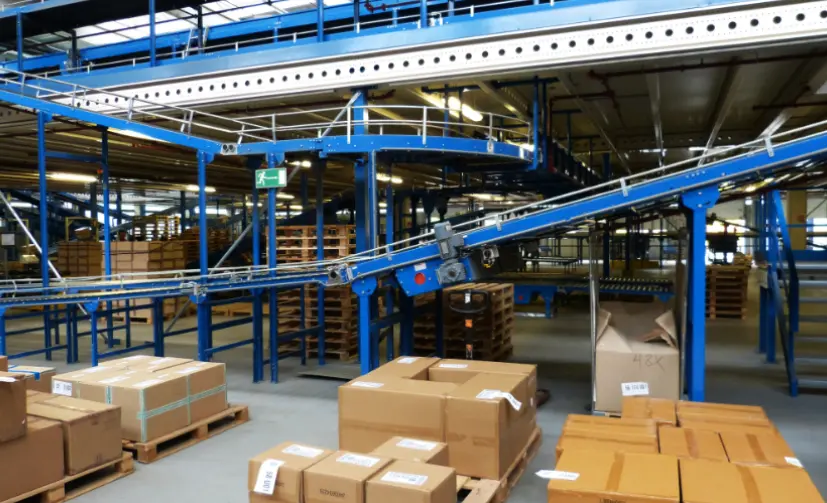
Packaging serves sectors like food and healthcare, fueled by e-commerce growth and sustainability. We provide Product Innovation Insights, Environmental Impact Assessment, and Demand Forecasting. Our offerings include Trend Analysis, Consumer Behavior Mapping, and Sustainability Benchmarking. With Distribution Channel Optimization, Competitor Benchmarking, and Market Entry Strategies, we help companies streamline operations, minimize waste, and meet eco-friendly consumer demands in a dynamic market.
HOW WE HELP OUR CLIENTS IN THIS SECTOR
Sustainability
Our services provide key insights into the latest trends in sustainability within the packaging industry. We analyze emerging materials, waste-reduction technologies, and evolving consumer preferences to help businesses stay ahead of regulatory changes and market demands. By understanding these trends, companies can make informed decisions to optimize packaging solutions, reduce environmental impact, and enhance their competitive position.
- Tracking the innovations in eco-friendly materials such as biodegradable plastics, recyclable options.
- Providing insights on growing trends circular economy strategies.
- Monitoring the evolving landscape of global regulations and standards ensuring businesses stay compliant with environmental laws and certifications.
- Assessing the shifting consumer behavior towards sustainability trends.
Scaling Innovation in Sustainable Packaging
Technology Benchmarking and Material FeasibilityScalable innovations in intelligent and active packaging were identified to support expansion into moisture and temperature-sensitive segments. Functional mapping of advanced technologies including real-time shelf-life sensors and moisture absorbers was conducted across competitor SKUs in frozen ready meals and perishable dairy. Comparative analysis of substrate adaptability across PET, PLA, and bio-polyethylene materials enabled feasibility testing for modified atmosphere packaging. Lifecycle emissions were assessed in line with tightening state-level sustainability mandates to ensure long-term regulatory compatibility.
Use Case Development and Supply Chain IntegrationDemand potential for temperature-indicator-enabled solutions in cold-chain logistics was quantified, particularly in premium produce distribution. Adoption patterns and procurement behaviors of major CPG brands were overlaid with regional data to shortlist three material innovation partners. Two validated use cases were selected that met both operational and sustainability KPIs, ultimately driving a packaging overhaul that reduced spoilage by 17% and aligned the product line with ESG-compliant procurement programs across national retail channels.
Competitor Identification
Our services help with competitor identification within the packaging industry by analyzing key players, their product offerings, and market positioning. We provide insights into industry leaders, emerging competitors, and strategic trends, enabling businesses to assess competitive dynamics, uncover market opportunities, and refine their packaging strategies for better differentiation.
- Identification of key market leaders operating in this market domain.
- Tracking emerging competitors and startups innovating the domain of packaging.
- Analysing the product differentiation features of the competitors and identifying their unique selling points.
- Evaluating the competitor activity across different regions, identifying geographic strengths and weaknesses
Strategic Positioning in Polycarbonate Applications
Competitive Landscape and Application MappingWe partnered with a Midwest-based manufacturer of impact-resistant building materials to enhance their competitive positioning in the polycarbonate sheet and film market. Our engagement began with a comprehensive mapping of key competitors across construction and electronics applications to establish pricing benchmarks and identify whitespace opportunities. A detailed portfolio analysis of 30+ domestic and imported brands was conducted, segmenting products by gauge thickness, UV protection, flame resistance, and tensile strength. Using procurement data from electrical enclosure manufacturers and signage fabricators, we identified high-volume players in the Midwest and Southeast. Insights from distributor networks and OEM sourcing patterns further revealed a growing demand for solid and multiwall sheets in hurricane-resistant glazing systems—information that directly informed the client’s revised product strategy.
Product Development and Regional PenetrationTo address these evolving market needs, we supported the client in launching a new anti-abrasive film variant tailored to the consumer electronics segment, filling a clear competitive gap in high-performance applications. Concurrently, their inventory and fulfillment model were restructured to better accommodate large-scale RFPs from Tier 1 construction firms, particularly in compliance-heavy regions like California and Florida. These strategic shifts not only improved operational responsiveness but also accelerated the client’s penetration into high-spec and regulation-driven applications. As a result, the company recorded a 35% increase in regional sales and secured supply agreements with two major general contractors within the first year.
Competitive Intelligence in the French Labeling Sector
Converter Profiling and Regional InsightsWe supported a mid-sized French label converter aiming to scale its footprint in high-margin retail and personal care packaging by building a data-driven competitive intelligence framework. The initiative focused on profiling converters gaining traction in flexographic and digital printing across France. Through plant-level assessments and procurement interviews within the personal care and food manufacturing sectors, we identified dominant players in pressure-sensitive and shrink label formats—especially in Northern and Western France, where speed-to-market and regulatory compliance were key differentiators.
Competitor segmentation by substrate usage, finishing technologies, and unit pricing uncovered strategic white space. Emphasis was placed on value drivers such as variable data capabilities for short-run SKUs and the integration of sustainability credentials into label sourcing. The analysis also mapped ecosystem relationships, highlighting strategic partnerships between label manufacturers and regional distributors operating in Bordeaux, Lyon, and Paris—networks critical for last-mile responsiveness.
Strategic Positioning and Capacity EnhancementLeveraging these insights, the client executed a shift in production strategy to prioritize digital print investments, enabling faster turnaround and greater SKU flexibility. By intentionally targeting demand pockets underserved by large-format converters, the client successfully entered two major private-label retail supply chains. A reoriented go-to-market strategy, underpinned by faster quoting cycles and agile fulfillment, led to five new contract wins within six months. These moves solidified the client’s competitive positioning in fast-turn, high-velocity retail packaging segments, particularly in private-label health and beauty categories.
Regulatory Analysis
Our services support regulatory analysis in the packaging industry by tracking and evaluating the impact of changing regulations, including environmental and sustainability standards. We provide detailed insights into local, regional, and global compliance requirements, helping businesses anticipate regulatory shifts, minimize risks, and ensure their packaging solutions meet legal and environmental guidelines for long-term sustainability.
- Tracking the evolving regulations on packaging waste management and recycling requirements.
- Analyse global regulations surrounding packaging materials, including environmental laws and sustainability initiatives
- Assessing potential collaboration opportunities that can accelerate innovation and drive growth.
- Providing insights on how the packaging regulations differ across regions.
- Looking into how international trade agreements impact packaging regulations.
Regulatory Adaptation in European Fresh Food Packaging
Material Compliance and Policy MappingFor a leading fresh food packaging supplier aiming to expand its footprint across Western Europe, we conducted a comprehensive regulatory adaptation strategy focused on material compliance. Navigating evolving EU regulations, a material-level compliance audit was carried out across rigid and flexible packaging formats. Product compositions were benchmarked against country-specific restrictions in Germany, France, and the Netherlands, uncovering upcoming limitations on multi-layer plastic composites and pending bans on polystyrene trays in meat packaging. Guided by EFSA migration thresholds and local food safety directives, we identified compliant alternatives such as bio-based films and recyclable barrier coatings that maintained functional integrity for fresh food applications while aligning with environmental mandates.
Labeling Standards and SKU AlignmentTo address the client's multi-country distribution model, we tracked changing recycling labeling standards and packaging tax frameworks across Southern Europe, translating them into an SKU-level decision matrix. This tool enabled optimized alignment of product variants under new regulatory conditions, including extended producer responsibility schemes. By proactively restructuring the procurement mix and streamlining packaging formats, the client minimized rollout delays, ensured end-market regulatory compliance, and retained cold-chain performance, thereby protecting both shelf stability and distribution economics.
Regulatory Compliance Strategy for Global Meat Packaging
Standards Alignment Across Packaging TechnologiesWe advised a global meat processor navigating tightening food packaging regulations. A multi-region compliance audit revealed risks in thermoforming and MAP formats. Alignment with USDA, EFSA, and ASEAN standards prompted immediate material optimization to address non-conformities and mitigate potential recalls across North America, Europe, and Southeast Asia.
Traceability Integration and Material ReformulationTo meet new traceability mandates, we developed a global roadmap integrating QR-based serialization and batch-level tracking. Simultaneously, we replaced non-recyclable multilayer substrates with compliant alternatives, enabling smoother cross-border logistics. These changes strengthened regulatory resilience and positioned the client for sustainable growth in export-driven markets.
Opportunity Analysis
Our services help with opportunity analysis in the packaging industry by identifying emerging trends, market gaps, and new business avenues. We provide insights into technological innovations, and sustainable packaging solutions, enabling businesses to capitalise on growth opportunities, differentiate their offerings, and align with evolving market demands for more sustainable and efficient packaging.
- Providing services to identify the emerging opportunities in the packaging industry.
- Help businesses to gain insights on unmet needs and how these gaps can be filled.
- Assessing the opportunities for building partnerships and collaborations within the packaging ecosystem.
- Using consumer analysis to find the opportunities for businesses to work in accordance of their consumer.
Strategic Expansion in Premium Perfumery Glass Segments
Demand Hotspots and Format-Level OpportunitiesA detailed capacity-based demand analysis across glass bottle variants, translucent, transparent, and opaque, highlighted strong growth in the 50 to 150 ml category, particularly among premium fragrance brands in the Middle East and Southeast Asia. This segment stood out for its margin potential, driven by gifting trends and regional preferences for compact, luxury formats. Competitive benchmarking revealed that innovations in surface treatments like matte coatings and intricate embossing were becoming key tools for product distinction, especially in boutique fragrance lines.
Supply Gaps and Custom Production StrategyThrough the integration of trends and risk analysis with trade data and distribution patterns, it was found that few regional suppliers were equipped for artisanal, small-batch bottle production. This created a clear entry point for tailored, short-run offerings targeting niche fragrance brands. In response, design tooling capabilities were expanded and a B2B engagement model was introduced targeting luxury fragrance houses in Turkey, the UAE, and Vietnam. This move enabled a pivot toward higher-margin segments beyond traditional high-volume markets, unlocking new revenue streams in underserved geographies.
Targeting Growth in Sustainable Cosmetic Packaging
Format Adoption and Regional TrendsWe supported a global packaging supplier in identifying high-growth opportunities within the cosmetics sector through detailed segmentation of primary and secondary packaging formats. Analysis across bottles, tubes, jars, and cartons revealed increasing adoption of squeezable tubes in premium skincare lines, especially in Latin America and Southeast Asia, where ease-of-use and shelf impact drive format choice.
Complementary consumer research in Western Europe showed Gen Z-driven brands shifting toward recyclable flexible plastics and paper-based formats to align with sustainability values. These findings underscored a convergence between premium branding and eco-conscious materials, shaping the client’s innovation roadmap and regional investment strategy.
Regulatory Signals and Innovation OpportunitiesOngoing surveillance of EU packaging regulations revealed tightening restrictions on non-recyclable cosmetic packaging, with France and Germany moving ahead of broader mandates. In response, we guided the client toward low-barrier entry points for material innovation, including mono-material structures and refillable systems.
Competitive benchmarking surfaced emerging players deploying modular packaging formats that combine luxury aesthetics with sustainability. This intelligence was foundational in crafting a market entry strategy aimed at mid-sized skincare brands in India and Brazil. A redesigned jar-and-refill format was introduced to align with growing demand for sustainable packaging, gaining initial traction among fast-growing D2C clean beauty brands.
Market Insights
Insights that foster growth and research that drives revolution for your business. Our collaboration is all we need to dive into the immense possibilities of your business.
Consumer Insights
The most appropriate strategies for you to get comprehensive insights right into your target market.
Competitive Benchmarking
Get the most elaborate analysis of your competitors to get the competitive edge.
MI 360
Get quick access to comprehensive market insights with clarity (insight-heavy) and brevity (not text-heavy)!
Business Plans
Get fool-proof business plans backed with rigorous research, extensive evaluation, and accurate analysis.
Our Core Performance Metrics
When it comes to delivery, the quality of your projects is non-negotiable. We ensure we don’t have any room left for a subpar quality.


Strategic Solutions for Informed Decision-Making
Gain insights to stay ahead and seize opportunities.

Get insights & trends for a competitive edge.

Track prices with detailed trend reports.

Analyse trade data for supply chain insights.

Leverage cost reports for smart savings

Enhance supply chain with partnerships.

