Consumer Insights
Uncover trends and behaviors shaping consumer choices today
Procurement Insights
Optimize your sourcing strategy with key market data
Industry Stats
Stay ahead with the latest trends and market analysis.
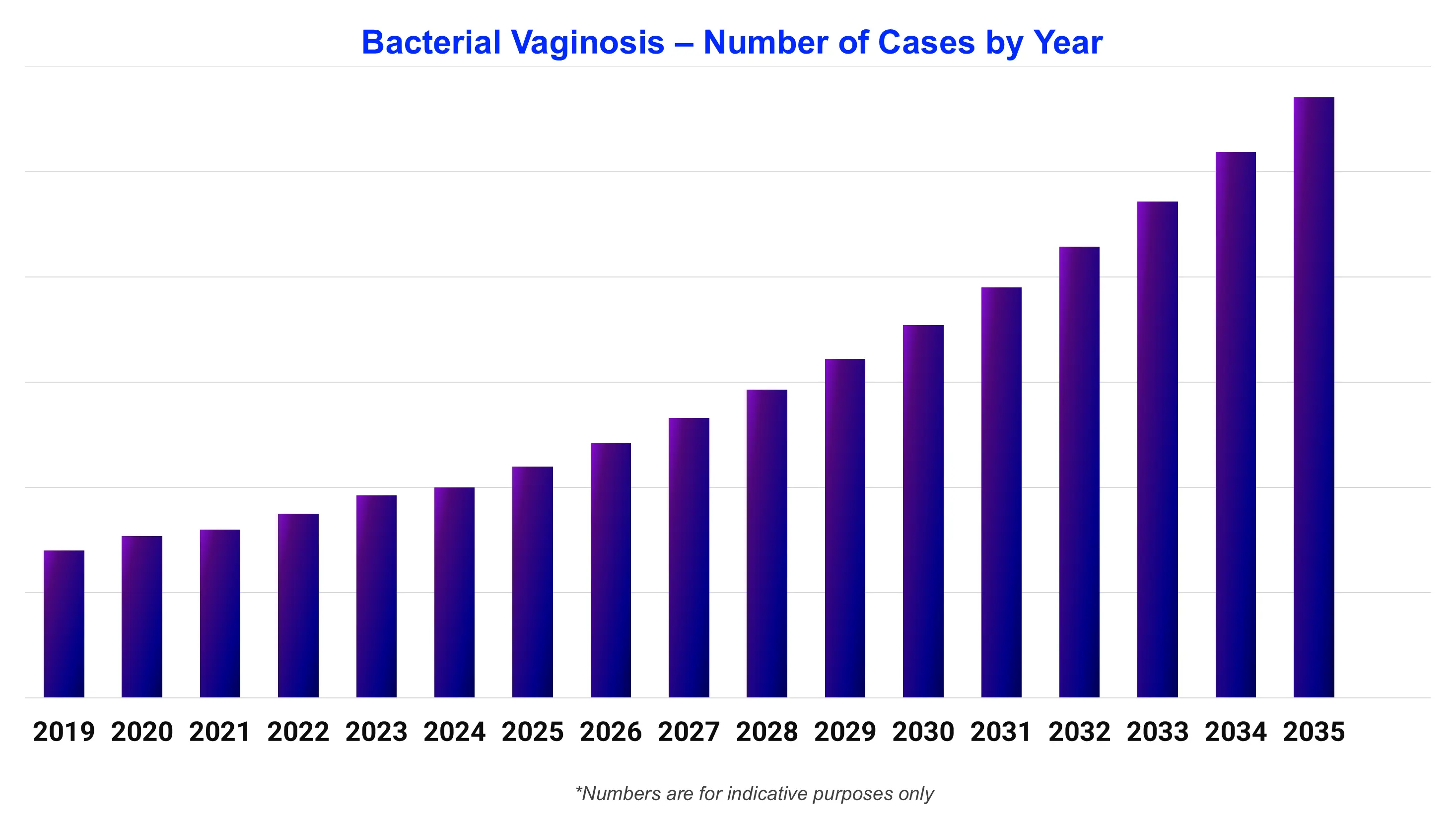
Bacterial vaginosis (BV) is a common infection of the reproductive system caused by an imbalance in the vaginal microbiome. According to Larisa Mesic Djogic et al. (2025), BV has a global prevalence of 23–29% among women of reproductive age. As per the bacterial vaginosis epidemiology forecast by Expert Market Research, rising disease prevalence supports continued demand for diagnosis and treatment.
Base Year
Historical Period
Forecast Period
Read more about this report - Request a Free Sample
Expert Market Research's “Bacterial Vaginosis Epidemiology Forecast Report 2026-2035” offers comprehensive information on the prevalence and demographics of bacterial vaginosis. It projects the future incidence and prevalence rates of bacterial vaginosis cases across various populations. The study covers age, gender, and type as major determinants of the bacterial vaginosis population. The report highlights patterns in the prevalence of bacterial vaginosis over time and projects future trends based on multiple variables.
The report provides a comprehensive overview of the disease, as well as historical and projected data on the epidemiology of bacterial vaginosis in the 8 major markets.
Regions Covered
Bacterial vaginosis is a common vaginal condition caused by an imbalance in the normal vaginal microbiota, characterized by a reduction in Lactobacillus species and an increase in anaerobic bacteria. It is not classified into distinct clinical types, although bacterial vaginosis may be asymptomatic or symptomatic. Common symptoms include thin vaginal discharge and a characteristic fish-like odor. The condition may recur after treatment, and recurrence is an important clinical concern. Alterations in the vaginal microbiome, sexual activity, and vaginal douching are associated with increased risk. Vaginal microbiome imbalance is a key underlying feature.
|
Parameter |
Insight |
|
Largest Patient Pool |
United States |
|
Fastest Growing Country |
India |
|
High-Risk Population |
Sexually active women, particularly those with new or multiple sexual partners |
|
Key Diagnostic Method |
Amsel criteria and nucleic acid amplification tests |
|
Major Risk Factor |
Vaginal douching and disruption of the vaginal microbiota |
|
Major gap in the market |
High recurrence rates and underdiagnosis of asymptomatic cases |
The bacterial vaginosis epidemiology division offers information on the patient pool from history to the present as well as the projected trend for each of the 8 major markets. Expert Market Research provides both current and predicted trends for the bacterial vaginosis epidemiology scenario by examining a wide range of studies. Additionally, the report covers the diagnosed patient pool for bacterial vaginosis and their trends. The data is broken down into specific categories, such as total prevalent cases in males and females, and total diagnosed cases across different age groups and patient pools.
|
Epidemiology Segment |
Key Insights |
|
Diagnosed Prevalent Cases of the Disease |
According to Larisa Mesic Djogic et al. (2025), bacterial vaginosis has a global prevalence of 23–29% among women of reproductive age. According to Florence Yachim Danjuma et al. (2025), prevalence across populations ranges from 10% to 50%, with geographic variation. |
|
Gender-Specific Cases of the Disease |
The provided epidemiological data primarily concern women. According to Linda Abou Chacra et al. (2023), prevalence ranged from 10–30% among women who have sex with men and 25–50% among women who have sex with women. |
|
Age-Specific Cases of the Disease |
Bacterial vaginosis occurs frequently among women of childbearing age. According to Meeta Sharma et al. (2024), the reported incidence was highest among women aged 35–45 years, at 63.8%, in the study population. |
|
Ethnicity-Wise Cases of the Disease |
According to DermNet, prevalence varies across ethnic groups. In the United States, prevalence was 22–51% among Black patients, 16–32% among Hispanic patients, 9–24% among White patients, and 6–11% among Asian patients. In the United Kingdom, antenatal prevalence was 41% among Afro-Caribbean patients, 12% among White patients, and 6% among Asian patients. |
|
Mortality and Survival Analysis of the Disease |
The provided data do not report mortality rates. According to Florence Yachim Danjuma et al. (2025), bacterial vaginosis remains underdiagnosed and undertreated, and up to 50% of women experience recurrence within six months, contributing to continuing disease burden. |
|
Disease Type |
Prevalence |
|
Typical BV |
Characterized by substantial depletion of protective Lactobacillus species and increased abundance of core anaerobic bacteria, including Gardnerella vaginalis and Atopobium vaginae. |
|
Lacto-Dominant BV |
Characterized by relatively abundant Lactobacillus species alongside BV-associated bacteria. This profile represents bacterial vaginosis with continued dominance of protective bacterial populations. |
|
Biofilm-Associated BV |
Characterized by structured, multispecies bacterial communities, frequently involving Gardnerella species, that adhere to vaginal epithelial cells and are associated with recurrent bacterial vaginosis. |
|
Others |
Other recognized microbiome profiles include Transitional/Shifting Microbiome, Mixed/Aerobic Overlap, and Atypical/Non-Gardnerella BV, which reflect changing bacterial communities, overlap with aerobic vaginitis-associated microorganisms, or less commonly identified anaerobic profiles. |
Read more about this report - Request a Free Sample
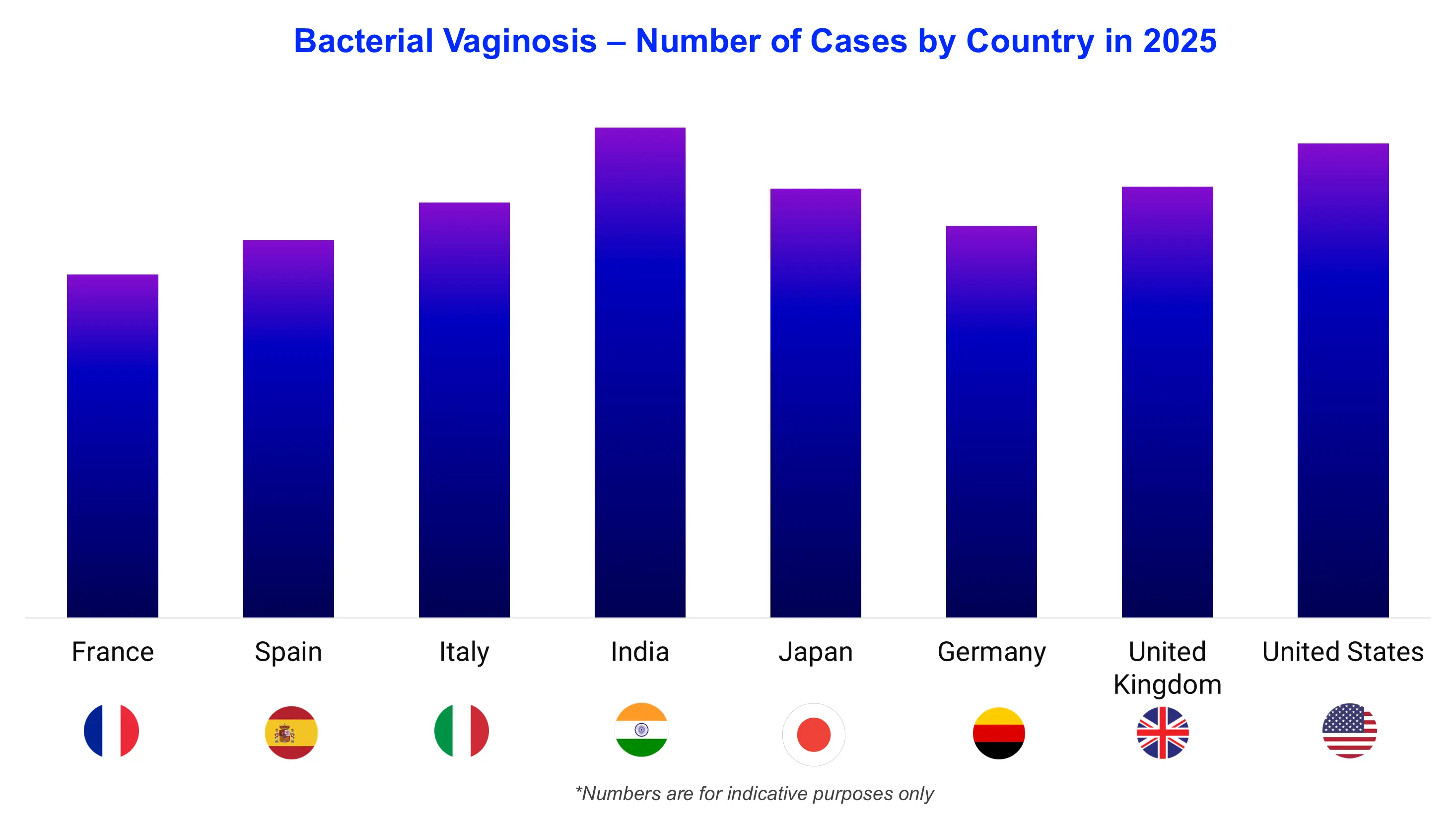
The bacterial vaginosis epidemiology data and findings for the United States, Germany, Spain, Italy, France, the United Kingdom, Japan, and India are also provided in the epidemiology section.
|
Country |
Key Insights |
|
United States |
According to Florence Yachim Danjuma et al. (2025), bacterial vaginosis affected an estimated 21.2 million women aged 14–49 years, with a prevalence of 29.2% based on the National Health and Nutrition Examination Survey 2001–2004. According to DermNet, prevalence varied by ethnicity, with the highest reported prevalence among Black patients (22–51%), followed by Hispanic patients (16–32%). |
|
Germany |
As per the Swidsinski et al. (2023), bacterial vaginosis was detected in 20% of women participating in preterm-birth prevention programs in Germany, compared with a global prevalence of 23–29%. |
|
France |
According to Linda Abou Chacra et al. (2023), the reported prevalence of bacterial vaginosis in the French study population was 17.2%. The prevalence was described as similar to that observed in Western Europe, where it is generally below 20%. Most women with bacterial vaginosis in the reported series were asymptomatic (72%). |
|
Italy |
According to Linda Abou Chacra et al. (2023), bacterial vaginosis prevalence varies across European populations, with prevalence generally lower in Europe than in regions reporting higher disease burden. |
|
Spain |
According to Linda Abou Chacra et al. (2023), geographic variation contributes to differences in bacterial vaginosis prevalence, with prevalence in Europe generally lower than that reported in sub-Saharan Africa. |
|
United Kingdom |
According to DermNet, antenatal bacterial vaginosis prevalence in the United Kingdom varied by ethnic group, reaching 41% among Afro-Caribbean patients, compared with 12% among White patients and 6% among Asian patients. This indicates substantial variation in prevalence across ethnic populations within the country. |
|
Japan |
According to Florence Yachim Danjuma et al. (2025), bacterial vaginosis prevalence varies across geographic populations, with reported prevalence ranging from 10% to 50% across different populations. |
|
India |
According to Agarwal S et al. (2025), bacterial vaginosis prevalence in India ranges from 15–46%. According to Meeta Sharma et al. (2024), the reported incidence was highest among women aged 35–45 years (63.8%), with higher reported incidence also observed among married women, women with more than three sexual partners, and women with comorbidities. |
Bacterial vaginosis presents significant unmet needs due to frequent recurrence, asymptomatic cases, and limitations associated with conventional antibiotic treatment. A major opportunity exists for improved diagnostic approaches that can identify bacterial vaginosis accurately, including molecular tests that characterize vaginal microbial profiles. There is also growing interest in therapies designed to restore and maintain a healthy vaginal microbiome rather than relying solely on antimicrobial treatment. Additional opportunities include recurrence-prevention strategies, improved patient education, and greater access to diagnosis and treatment in underserved populations, particularly in countries such as India.
Bacterial vaginosis treatment primarily involves antibiotics to restore the vaginal microbial balance and relieve symptoms. Recommended therapies include oral metronidazole, metronidazole vaginal gel, and clindamycin cream. Alternative regimens may include oral clindamycin, tinidazole, or secnidazole, depending on clinical circumstances. Treatment selection considers symptom severity, previous episodes, tolerability, and pregnancy status when applicable. Recurrence is common, and patients with recurrent bacterial vaginosis may require extended or alternative treatment strategies. Antibiotic therapy remains the principal approach, while ongoing research is evaluating microbiome-based strategies to reduce recurrence.
Human Immunodeficiency Virus (HIV) Rapid Test Kits Market
Human Immunodeficiency Virus (HIV1) Infection Market
Human Immunodeficiency Virus (HIV 1) Infection Pipeline Analysis


Upto 15% Off
USD
$2699 $2429
$4299 $3869
$5799 $4949
$6999 $5949


*While we strive to always give you current and accurate information, the numbers depicted on the website are indicative and may differ from the actual numbers in the main report. At Expert Market Research, we aim to bring you the latest insights and trends in the market. Using our analyses and forecasts, stakeholders can understand the market dynamics, navigate challenges, and capitalize on opportunities to make data-driven strategic decisions.*
Explore our key highlights of the report and gain a concise overview of key findings, trends, and actionable insights that will empower your strategic decisions.
|
Report Features |
Details |
|
Base Year |
2025 |
|
Historical Period |
2019-2025 |
|
Forecast Period |
2026-2035 |
|
Epidemiology Statistics Provided |
|
|
Segmentation Provided |
|
|
Geographies Covered |
|
Datasheet
One User
USD 2,699
USD 2,429
tax inclusive*
Single User License
One User
USD 4,299
USD 3,869
tax inclusive*
Five User License
Five User
USD 5,799
USD 4,949
tax inclusive*
Corporate License
Unlimited Users
USD 6,999
USD 5,949
tax inclusive*
*Please note that the prices mentioned below are starting prices for each bundle type. Kindly contact our team for further details.*
Flash Bundle
Small Business Bundle
Growth Bundle
Enterprise Bundle
*Please note that the prices mentioned below are starting prices for each bundle type. Kindly contact our team for further details.*
Flash Bundle
Number of Reports: 3
20%
tax inclusive*
Small Business Bundle
Number of Reports: 5
25%
tax inclusive*
Growth Bundle
Number of Reports: 8
30%
tax inclusive*
Enterprise Bundle
Number of Reports: 10
35%
tax inclusive*
How To Order

Select License Type
Choose the right license for your needs and access rights.

Click on ‘Buy Now’
Add the report to your cart with one click and proceed to register.

Select Mode of Payment
Choose a payment option for a secure checkout. You will be redirected accordingly.
Strategic Solutions for Informed Decision-Making
Gain insights to stay ahead and seize opportunities.
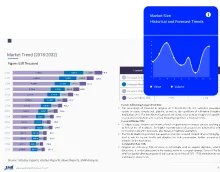
Get insights & trends for a competitive edge.
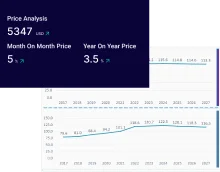
Track prices with detailed trend reports.
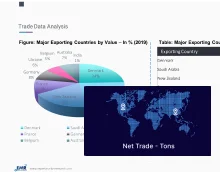
Analyse trade data for supply chain insights.

Leverage cost reports for smart savings
Enhance supply chain with partnerships.

Connect For More Information
Our expert team of analysts will offer full support and resolve any queries regarding the report, before and after the purchase.
Our expert team of analysts will offer full support and resolve any queries regarding the report, before and after the purchase.
We employ meticulous research methods, blending advanced analytics and expert insights to deliver accurate, actionable industry intelligence, staying ahead of competitors.
Our skilled analysts offer unparalleled competitive advantage with detailed insights on current and emerging markets, ensuring your strategic edge.
We offer an in-depth yet simplified presentation of industry insights and analysis to meet your specific requirements effectively.