Consumer Insights
Uncover trends and behaviors shaping consumer choices today
Procurement Insights
Optimize your sourcing strategy with key market data
Industry Stats
Stay ahead with the latest trends and market analysis.
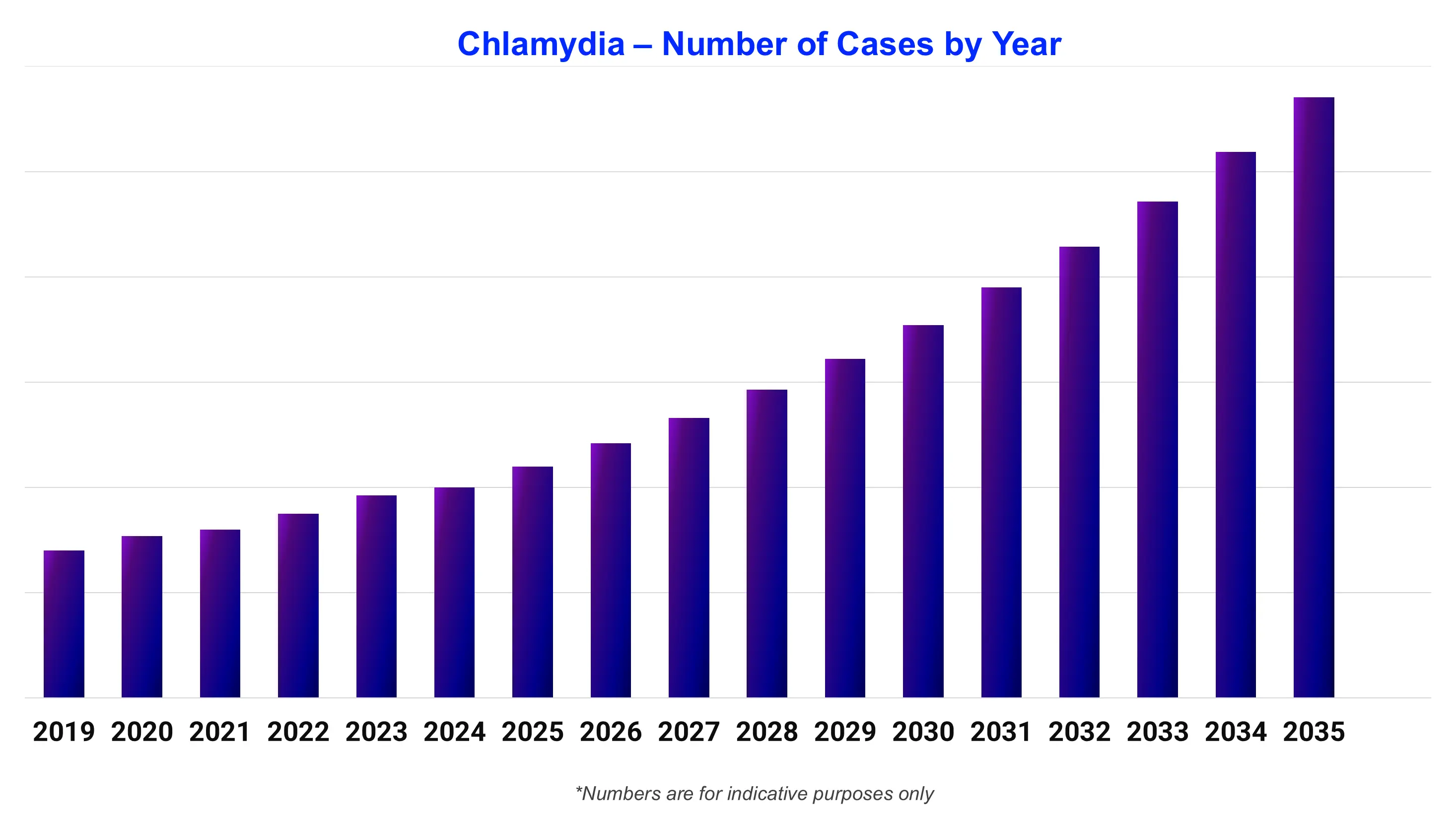
Chlamydia is a common sexually transmitted infection caused by Chlamydia trachomatis, which can lead to reproductive complications if left untreated. According to Bernard Cribier et al. (2025), World Health Organization data for 2021 reported 128 million cases of chlamydia globally, highlighting its substantial public health burden. As per chlamydia epidemiology forecast by Expert Market Research, disease burden trends remain relevant to epidemiological assessment, including associated reproductive health concerns.
Base Year
Historical Period
Forecast Period
Read more about this report - Request a Free Sample
Expert Market Research's “Chlamydia Epidemiology Forecast Report 2026-2035” offers comprehensive information on the prevalence and demographics of chlamydia. It projects the future incidence and prevalence rates of chlamydia cases across various populations. The study covers age, gender, and type as major determinants of the chlamydia population. The report highlights patterns in the prevalence of chlamydia over time and projects future trends based on multiple variables.
The report provides a comprehensive overview of the disease, as well as historical and projected data on the epidemiology of chlamydia in the 8 major markets.
Regions Covered
Chlamydia is a common sexually transmitted infection caused by the bacterium Chlamydia trachomatis. It spreads primarily through vaginal, anal, or oral sexual contact and can also be transmitted from an infected mother to her infant during childbirth. The infection frequently causes no symptoms, particularly in women, which increases the risk of undetected transmission and complications. When untreated, it may lead to pelvic inflammatory disease, infertility, and ectopic pregnancy. The primary clinical presentations include urogenital, rectal, and oropharyngeal infections, depending on the site of exposure. Asymptomatic infection is an important contributor to its continued transmission.
|
Parameter |
Insight |
|
Largest Patient Pool |
United States |
|
Fastest Growing Country |
India |
|
High-Risk Population |
Sexually active adolescents and young adults, particularly people younger than 25, and individuals with new or multiple sexual partners. |
|
Key Diagnostic Method |
Nucleic acid amplification tests (NAATs), which detect Chlamydia trachomatis genetic material in appropriate specimens. |
|
Major Risk Factor |
Condomless sexual activity, particularly with new or multiple partners or a partner with a sexually transmitted infection. |
|
Major gap in the market |
Asymptomatic infections, limited screening coverage, delayed diagnosis, and gaps in partner notification and treatment. |
The chlamydia epidemiology division offers information on the patient pool from history to the present as well as the projected trend for each of the 8 major markets. Expert Market Research provides both current and predicted trends for the chlamydia epidemiology scenario by examining a wide range of studies. Additionally, the report covers the diagnosed patient pool for chlamydia and their trends. The data is broken down into specific categories, such as total prevalent cases in males and females, and total diagnosed cases across different age groups and patient pools.
|
Epidemiology Segment |
Key Insights |
|
Diagnosed Prevalent Cases of the Disease |
According to Bernard Cribier et al. (2025), World Health Organization data for 2021 estimated 128 million cases of chlamydia, highlighting its substantial contribution to the global sexually transmitted infection burden. |
|
Gender-Specific Cases of the Disease |
As per Silvia Gazzetta et al. (2024), global chlamydia incidence in 2020 was estimated at 36.0 cases per 1,000 women and 29.0 cases per 1,000 men, indicating a higher estimated incidence among women. |
|
Age-Specific Cases of the Disease |
According to Verywell Health, approximately 60% of reported chlamydia cases occurred among individuals aged 15–24 years. In the United States, approximately 1.6 million new cases were reported in 2023, equivalent to roughly 492 cases per 100,000 people. |
|
Ethnicity-Wise Cases of the Disease |
According to the Minnesota Department of Health, 2024 data showed substantial racial and ethnic disparities. The reported rate among Black, non-Hispanic individuals was 1,437 per 100,000, compared with 154 per 100,000 among White, non-Hispanic individuals. |
|
Mortality and Survival Analysis of the Disease |
Chlamydia epidemiology is primarily characterized by infection incidence, prevalence, and associated reproductive health concerns. According to Silvia Gazzetta et al. (2024), sexually transmitted infections contribute to morbidity and can affect sexual and reproductive health and overall quality of life. |
|
Disease Type |
Prevalence |
|
Serovars A, B, Ba, and C |
These serovars are associated with trachoma, an ocular infection that can cause preventable blindness. Their epidemiological burden is primarily assessed through trachoma prevalence and distribution across affected populations. |
|
Serovars D through K |
These serovars cause urogenital and other mucosal Chlamydia trachomatis infections. They account for sexually transmitted chlamydia infections, with a substantial burden reported among adolescents and young adults globally. |
|
Serovars L1, L2, and L3 |
These serovars cause lymphogranuloma venereum (LGV), an invasive sexually transmitted infection involving the lymphatic system. Epidemiological assessment focuses on reported cases and infection patterns among affected populations. |
Read more about this report - Request a Free Sample
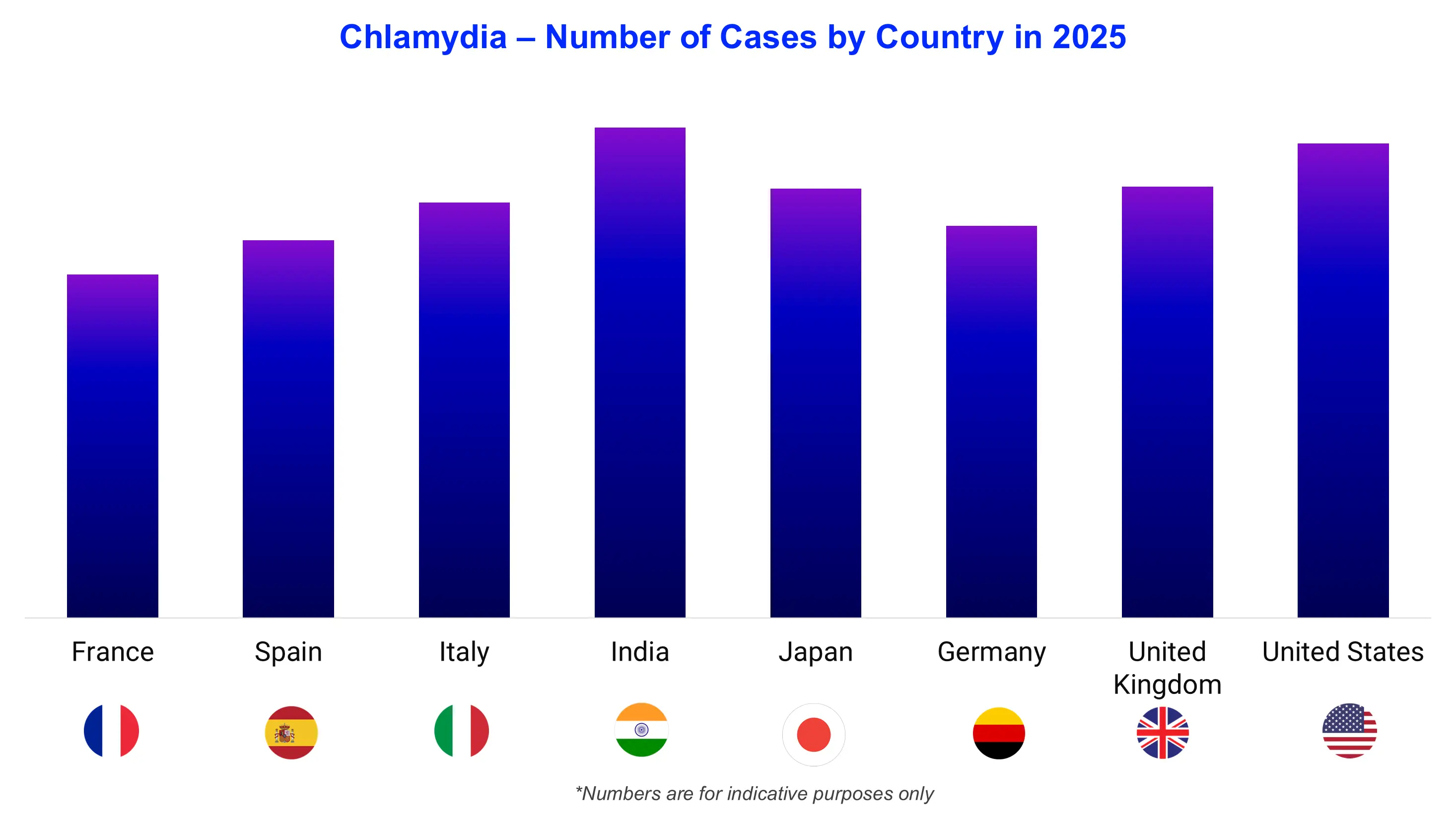
The chlamydia epidemiology data and findings for the United States, Germany, Spain, Italy, France, the United Kingdom, Japan, and India are also provided in the epidemiology section.
|
Country |
Key Insights |
|
United States |
According to Verywell Health, approximately 1.6 million new chlamydia cases were reported in the United States in 2023, corresponding to roughly 492 cases per 100,000 people. Individuals aged 15–24 accounted for approximately 60% of cases. According to USAFacts, more than 1.6 million cases were reported in 2021, at a rate of 496 per 100,000 people. |
|
Germany |
According to Martyna Gassowski et al. (2022), chlamydia primarily affects adolescents and young adults in Germany. Overall prevalence was similar among men and women, although age-specific distributions differed. These findings highlight the importance of age-specific epidemiological monitoring and screening strategies when assessing infection patterns across the population. |
|
France |
According to Jeanne Geli et al. (2026), an estimated 55,500 chlamydia diagnoses were recorded in France in 2023. The reported epidemiological findings also highlight variation in chlamydia prevalence among individuals examined following sexual violence, with estimates ranging from 6.1% in Montpellier to 14.7% in Bondy. |
|
Italy |
According to Silvia Gazzetta et al. (2024), Italy reported a chlamydia notification rate of 1.85 per 100,000 inhabitants in 2019. The same source noted that chlamydia infections among individuals aged 15–24 were approximately three times as prevalent as among older adults, based on Italian surveillance findings. |
|
Spain |
According to Ambar Lab, Spain reported 41,918 chlamydia cases in 2024, as stated in its summary of the 2024 Epidemiological Surveillance Report. This reported burden highlights the importance of monitoring national case trends and evaluating infection patterns across age groups and population segments. |
|
United Kingdom |
According to bioLytical Laboratories, the United Kingdom experienced a 5% decrease in chlamydia rates following implementation of the National Chlamydia Screening Programme, which targets individuals aged 15–24. This finding highlights the relevance of targeted screening in monitoring and addressing chlamydia among younger populations. |
|
Japan |
According to Haruka Nishida et al. (2022), the prevalence of chlamydia infection among women aged 15–19 in Japan was reported at 12% in 2020. The source also identified individuals aged 20–24 as the most affected age group, followed by those aged 25–29. |
|
India |
According to Gopi Dhivya et al. (2024), a study conducted in Bombay reported a chlamydia prevalence of 23.2% among female sex workers attending a sexually transmitted disease clinic. This finding represents a specific study population and should not be interpreted as the prevalence among India's general population. |
Across the United States, Germany, France, Italy, Spain, the United Kingdom, Japan, and India, opportunities exist to strengthen chlamydia screening, early diagnosis, and treatment access. The high proportion of asymptomatic infections creates demand for accessible molecular diagnostic testing and targeted screening programs. Expanding nucleic acid amplification test availability, self-collected specimen testing, and partner notification services could improve case detection and reduce reinfection. In resource-limited settings, affordable diagnostic technologies and stronger surveillance systems represent important opportunities to address underdiagnosis and improve regional epidemiological monitoring.
Chlamydia is curable with antibiotics, with treatment selection based on clinical circumstances, pregnancy status, and the site of infection. Doxycycline is the recommended first-line treatment for most nonpregnant adults, while azithromycin is an alternative in specific circumstances, including pregnancy. Patients should complete the prescribed regimen, avoid sexual activity until treatment requirements are met, and ensure that recent sexual partners receive evaluation and treatment. Retesting approximately three months after treatment is recommended because reinfection is common. Antibiotic therapy remains central to disease management, alongside partner notification, preventive counseling, and appropriate screening to reduce transmission and reproductive complications.


Upto 15% Off
USD
$2699 $2429
$4299 $3869
$5799 $4949
$6999 $5949


*While we strive to always give you current and accurate information, the numbers depicted on the website are indicative and may differ from the actual numbers in the main report. At Expert Market Research, we aim to bring you the latest insights and trends in the market. Using our analyses and forecasts, stakeholders can understand the market dynamics, navigate challenges, and capitalize on opportunities to make data-driven strategic decisions.*
Explore our key highlights of the report and gain a concise overview of key findings, trends, and actionable insights that will empower your strategic decisions.
|
Report Features |
Details |
|
Base Year |
2025 |
|
Historical Period |
2019-2025 |
|
Forecast Period |
2026-2035 |
|
Epidemiology Statistics Provided |
|
|
Segmentation Provided |
|
|
Geographies Covered |
|
Datasheet
One User
USD 2,699
USD 2,429
tax inclusive*
Single User License
One User
USD 4,299
USD 3,869
tax inclusive*
Five User License
Five User
USD 5,799
USD 4,949
tax inclusive*
Corporate License
Unlimited Users
USD 6,999
USD 5,949
tax inclusive*
*Please note that the prices mentioned below are starting prices for each bundle type. Kindly contact our team for further details.*
Flash Bundle
Small Business Bundle
Growth Bundle
Enterprise Bundle
*Please note that the prices mentioned below are starting prices for each bundle type. Kindly contact our team for further details.*
Flash Bundle
Number of Reports: 3
20%
tax inclusive*
Small Business Bundle
Number of Reports: 5
25%
tax inclusive*
Growth Bundle
Number of Reports: 8
30%
tax inclusive*
Enterprise Bundle
Number of Reports: 10
35%
tax inclusive*
How To Order

Select License Type
Choose the right license for your needs and access rights.

Click on ‘Buy Now’
Add the report to your cart with one click and proceed to register.

Select Mode of Payment
Choose a payment option for a secure checkout. You will be redirected accordingly.
Strategic Solutions for Informed Decision-Making
Gain insights to stay ahead and seize opportunities.
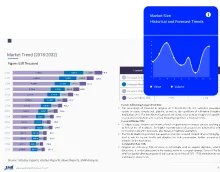
Get insights & trends for a competitive edge.
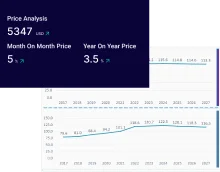
Track prices with detailed trend reports.
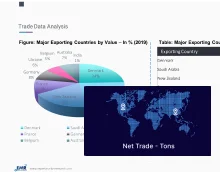
Analyse trade data for supply chain insights.

Leverage cost reports for smart savings
Enhance supply chain with partnerships.
Connect For More Information
Our expert team of analysts will offer full support and resolve any queries regarding the report, before and after the purchase.
Our expert team of analysts will offer full support and resolve any queries regarding the report, before and after the purchase.
We employ meticulous research methods, blending advanced analytics and expert insights to deliver accurate, actionable industry intelligence, staying ahead of competitors.
Our skilled analysts offer unparalleled competitive advantage with detailed insights on current and emerging markets, ensuring your strategic edge.
We offer an in-depth yet simplified presentation of industry insights and analysis to meet your specific requirements effectively.