Consumer Insights
Uncover trends and behaviors shaping consumer choices today
Procurement Insights
Optimize your sourcing strategy with key market data
Industry Stats
Stay ahead with the latest trends and market analysis.
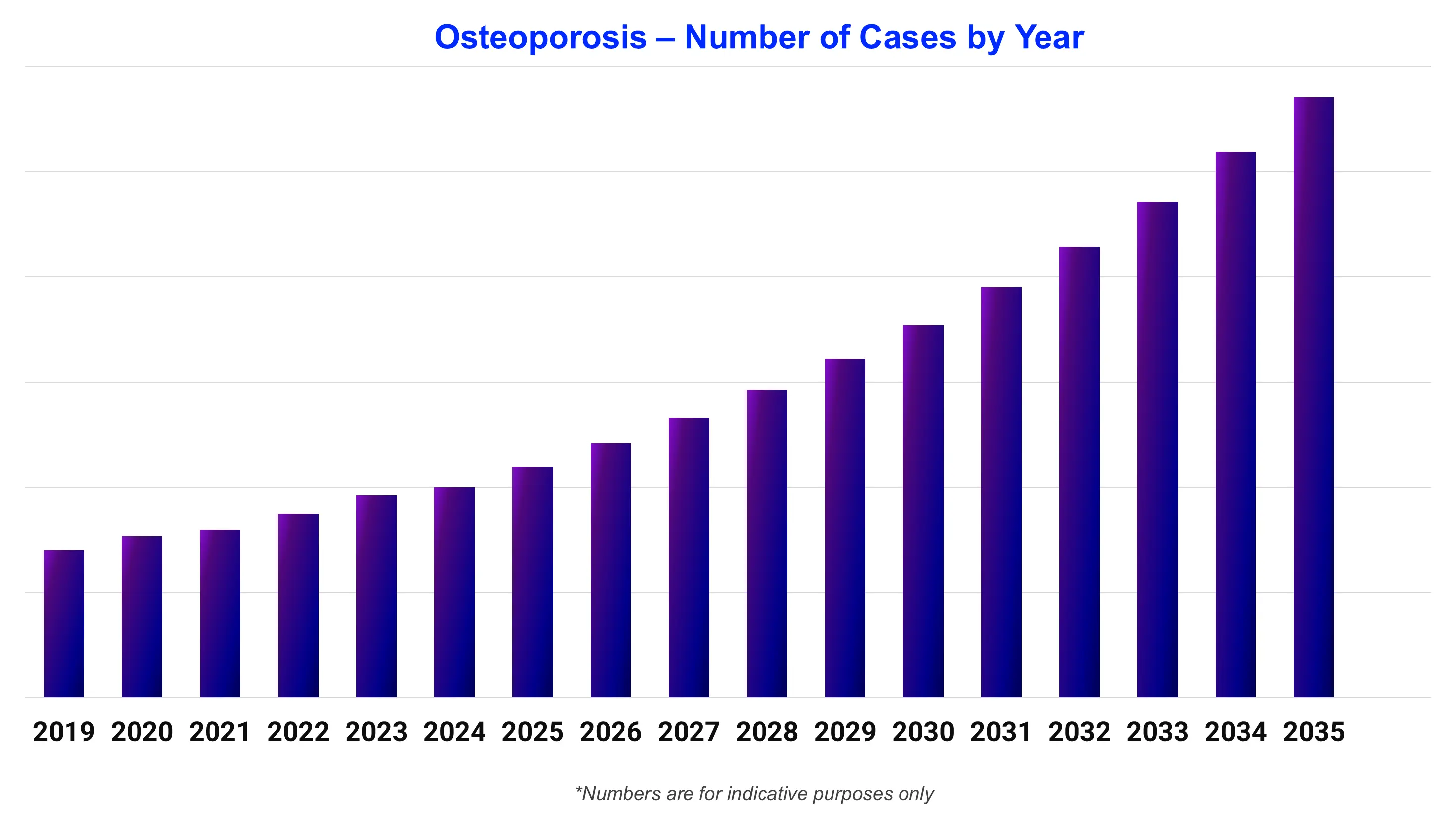
Osteoporosis is a skeletal disorder characterized by reduced bone strength and an increased risk of fractures, commonly associated with aging. According to Samican Özmen et al. (2024), osteoporosis affects more than 200 million people worldwide, with a prevalence of 10.4% among 3,289 postmenopausal women aged 50–60 years studied. As per the osteoporosis epidemiology forecast by Expert Market Research, disease burden and fracture prevention remain key considerations in osteoporosis management.
Base Year
Historical Period
Forecast Period
Read more about this report - REQUEST FREE SAMPLE COPY IN PDF
Expert Market Research's “Osteoporosis Epidemiology Forecast Report 2026-2035” offers comprehensive information on the prevalence and demographics of osteoporosis. It projects the future incidence and prevalence rates of osteoporosis cases across various populations. The study covers age, gender, and type as major determinants of the osteoporosis population. The report highlights patterns in the prevalence of osteoporosis over time and projects future trends based on multiple variables.
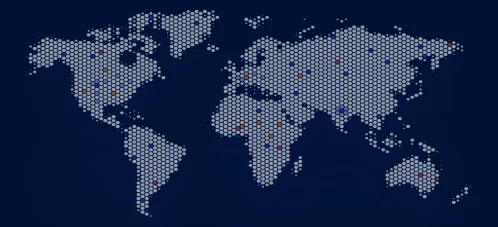
The report provides a comprehensive overview of the disease, as well as historical and projected data on the epidemiology of osteoporosis in the 8 major markets.
Regions Covered
Osteoporosis is a progressive skeletal disorder characterized by reduced bone mineral density and deterioration of bone microarchitecture, increasing bone fragility and susceptibility to fractures. It develops when bone resorption exceeds bone formation, resulting in weakened bones. The condition is often asymptomatic until a fracture occurs, commonly affecting the hip, spine, and wrist. Major types include primary osteoporosis, associated with aging and postmenopausal hormonal changes, and secondary osteoporosis, caused by underlying diseases or medications. Bone mineral density is a key indicator used to assess skeletal health and fracture risk.
|
Parameter |
Insight |
|
Largest Patient Pool |
India |
|
Fastest Growing Region |
India |
|
High-Risk Population |
Older adults, postmenopausal women, individuals with a history of fragility fractures, and people receiving long-term glucocorticoid therapy. |
|
Key Diagnostic Method |
Dual-energy X-ray absorptiometry (DXA) to measure bone mineral density, commonly at the hip and spine. |
|
Major Risk Factor |
Aging and declining estrogen levels after menopause; other contributors include smoking, low body weight, and prolonged glucocorticoid use. |
|
Major gap in the market |
Underdiagnosis and undertreatment, including missed opportunities for bone-density assessment, timely treatment, and fracture prevention. |
The osteoporosis epidemiology division offers information on the patient pool from history to the present as well as the projected trend for each of the 8 major markets. Expert Market Research provides both current and predicted trends for the osteoporosis epidemiology scenario by examining a wide range of studies. Additionally, the report covers the diagnosed patient pool for osteoporosis and their trends. The data is broken down into specific categories, such as total prevalent cases in males and females, and total diagnosed cases across different age groups and patient pools.
|
Epidemiology Segment |
Key Insights |
|
Diagnosed Prevalent Cases of the Disease |
According to Chris M. Naso et al. (2025), an estimated 10.2 million individuals aged 50 years and older in the United States have osteoporosis, while another 43.4 million have low bone mass. Globally, approximately 200 million people are affected, according to Samican Özmen et al. (2024). |
|
Gender-Specific Cases of the Disease |
As per Sung Hye Kong (2024), osteoporosis prevalence among individuals older than 50 years is 37.3% in women and 7.5% in men. In India, Rubanpal Khinda et al. (2022) reported that approximately 80% of the estimated 61 million people with osteoporosis are women. |
|
Age-Specific Cases of the Disease |
According to Healthline Media LLC, osteoporosis prevalence in the United States increases with age, rising from 8.4% among adults aged 50–64 years to 17.7% among adults older than 65 years. Postmenopausal women represent an important population group, as reported by Samican Özmen et al. (2024). |
|
Ethnicity-Wise Cases of the Disease |
According to Laura T. Dickens et al. (2025), studies have reported approximately 40%–50% lower fracture rates among Black and Asian women than among White women. Hispanic women have also generally shown lower fracture rates than White women, although the magnitude of the difference remains uncertain. |
|
Mortality and Survival Analysis of the Disease |
According to Saeid Safiri et al. (2025), osteopenia and osteoporosis accounted for 459,661 deaths globally in 2021. Sung Hye Kong (2024) reported one-year mortality rates following osteoporotic hip fractures of 21% in men and 14% in women, highlighting the substantial mortality burden associated with fractures. |
|
Disease Type |
Prevalence |
|
Type I (Postmenopausal Osteoporosis) |
Type I osteoporosis predominantly affects postmenopausal women and represents a major share of osteoporosis cases among women due to accelerated bone loss following menopause. |
|
Type II (Senile Osteoporosis) |
Type II osteoporosis is associated with aging and affects older adults of both sexes. Its burden increases with advancing age, making the elderly population particularly susceptible to osteoporosis-related fractures. |
Read more about this report - REQUEST FREE SAMPLE COPY IN PDF
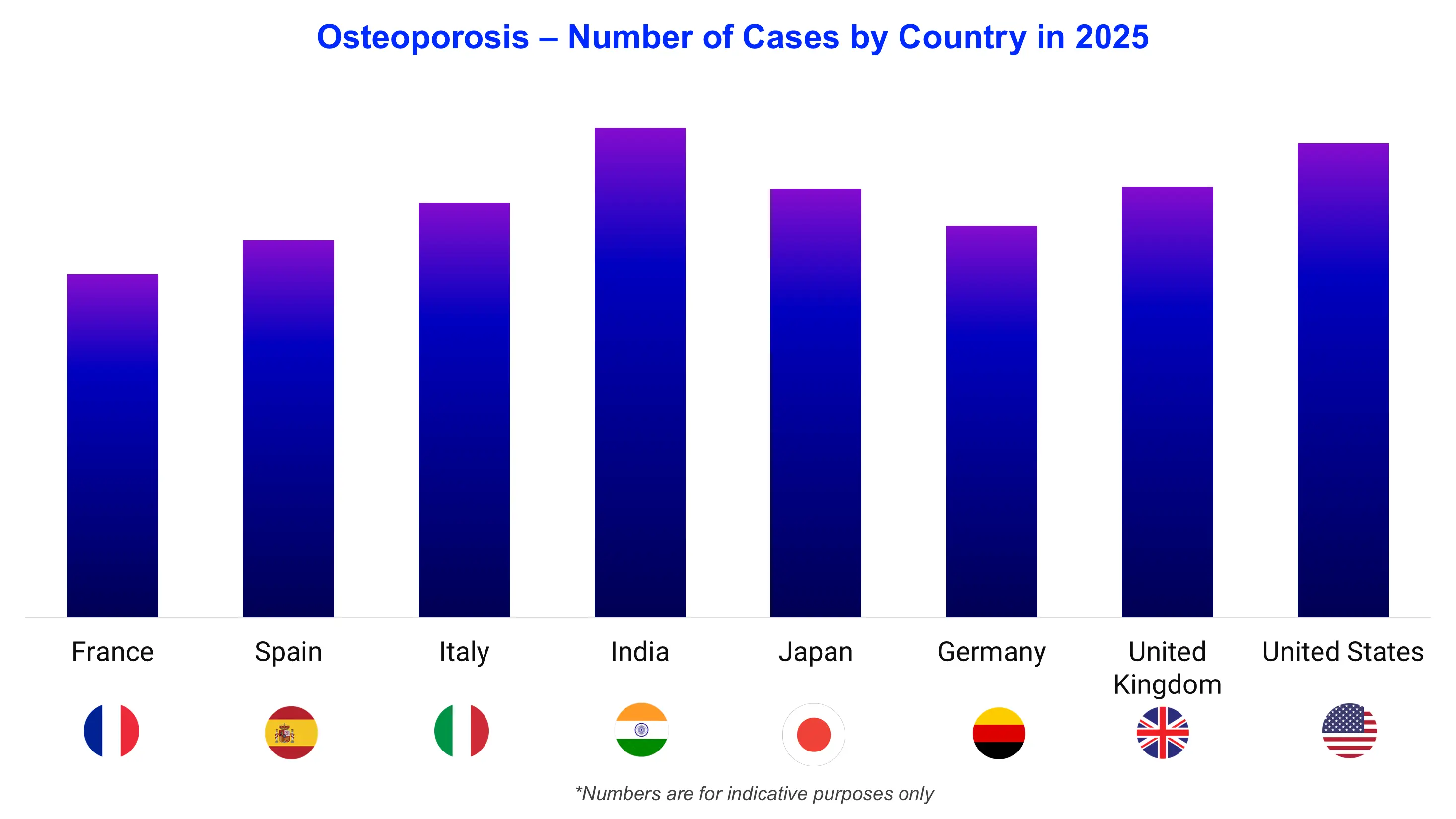
The osteoporosis epidemiology data and findings for the United States, Germany, Spain, Italy, France, the United Kingdom, Japan, and India are also provided in the epidemiology section.
|
Country |
Key Insights |
|
United States |
According to Chris M. Naso et al. (2025), an estimated 10.2 million individuals aged 50 years and older have osteoporosis, while 43.4 million have low bone mass. Samican Özmen et al. (2024) reported that approximately 10.2 million Americans older than 50 years are affected, with the number projected to increase by more than 30% by 2030. |
|
Germany |
According to P. Hadji et al. (2022), more than 7 million adults aged 50 years and older have osteoporosis in Germany. The disease burden in this population is an important consideration for assessing fracture risk and the osteoporosis treatment gap. |
|
France |
As per the International Osteoporosis Foundation, an estimated 4 million people in France are living with osteoporosis. According to Stefano Carugo et al. (2024), fragility fractures across France and other major European countries are expected to increase from 2.7 million in 2017 to 3.3 million in 2030. |
|
Italy |
According to Stefano Carugo et al. (2024), Italy is the second European country with the highest osteoporosis rate. The number of fractures is projected to increase by 20% by 2034, reaching approximately 700,000 fractures. |
|
Spain |
According to Stefano Carugo et al. (2024), Spain is among the European countries expected to experience an increase in fragility fractures, alongside France, Germany, Italy, and the United Kingdom. Collectively, these countries are projected to see fractures rise by 23% between 2017 and 2030. |
|
United Kingdom |
According to My Patient Advice, more than 3.5 million people in the United Kingdom are estimated to be living with osteoporosis. The burden is particularly relevant among adults older than 50 years, and underdiagnosis may mean that some individuals are identified only after sustaining a fragility fracture. |
|
Japan |
According to Koki Abe et al. (2024), an estimated 12.8 million people in Japan have osteoporosis. Approximately 193,400 hip fractures occur annually, highlighting the substantial fracture burden associated with the disease in the country. |
|
India |
According to Rubanpal Khinda et al. (2022), an estimated 61 million people in India have osteoporosis, approximately 80% of whom are women. The peak incidence occurs 10–20 years earlier than in Western countries, emphasizing the importance of age-specific epidemiological assessment. |
Osteoporosis management across the United States, Germany, France, Italy, Spain, the United Kingdom, Japan, and India faces opportunities to improve early diagnosis and reduce preventable fractures. Underdiagnosis, limited access to bone mineral density testing, and delays in initiating treatment can leave high-risk individuals vulnerable to fragility fractures. Expanding risk-based screening, improving awareness among older adults and postmenopausal women, and strengthening follow-up after fractures could address these gaps. India presents an important opportunity to improve disease recognition and treatment access, although reliable, comparable epidemiological data remain limited.
Osteoporosis treatment aims to reduce fracture risk, preserve bone strength, and prevent further bone loss through pharmacological and lifestyle interventions. Common medications include bisphosphonates, denosumab, selective estrogen receptor modulators, and anabolic agents such as teriparatide and romosozumab, depending on fracture risk and patient characteristics. Calcium and vitamin D supplementation may support bone health when dietary intake or levels are inadequate. Weight-bearing exercise, resistance training, smoking cessation, limiting excessive alcohol consumption, and fall-prevention measures are also important. Fracture risk reduction remains a central objective of treatment and long-term disease management.


Upto 15% Off
USD
$2699 $2429
$4299 $3869
$5799 $4949
$6999 $5949


*While we strive to always give you current and accurate information, the numbers depicted on the website are indicative and may differ from the actual numbers in the main report. At Expert Market Research, we aim to bring you the latest insights and trends in the market. Using our analyses and forecasts, stakeholders can understand the market dynamics, navigate challenges, and capitalize on opportunities to make data-driven strategic decisions.*
Explore our key highlights of the report and gain a concise overview of key findings, trends, and actionable insights that will empower your strategic decisions.
|
Report Features |
Details |
|
Base Year |
2025 |
|
Historical Period |
2019-2025 |
|
Forecast Period |
2026-2035 |
|
Epidemiology Statistics Provided |
|
|
Segmentation Provided |
|
|
Geographies Covered |
|
Datasheet
One User
USD 2,699
USD 2,429
tax inclusive*
Single User License
One User
USD 4,299
USD 3,869
tax inclusive*
Five User License
Five User
USD 5,799
USD 4,949
tax inclusive*
Corporate License
Unlimited Users
USD 6,999
USD 5,949
tax inclusive*
*Please note that the prices mentioned below are starting prices for each bundle type. Kindly contact our team for further details.*
Flash Bundle
Small Business Bundle
Growth Bundle
Enterprise Bundle
*Please note that the prices mentioned below are starting prices for each bundle type. Kindly contact our team for further details.*
Flash Bundle
Number of Reports: 3
20%
tax inclusive*
Small Business Bundle
Number of Reports: 5
25%
tax inclusive*
Growth Bundle
Number of Reports: 8
30%
tax inclusive*
Enterprise Bundle
Number of Reports: 10
35%
tax inclusive*
How To Order

Select License Type
Choose the right license for your needs and access rights.

Click on ‘Buy Now’
Add the report to your cart with one click and proceed to register.

Select Mode of Payment
Choose a payment option for a secure checkout. You will be redirected accordingly.
Strategic Solutions for Informed Decision-Making
Gain insights to stay ahead and seize opportunities.
Get insights & trends for a competitive edge.
Track prices with detailed trend reports.
Analyse trade data for supply chain insights.
Leverage cost reports for smart savings
Enhance supply chain with partnerships.
Connect For More Information
Our expert team of analysts will offer full support and resolve any queries regarding the report, before and after the purchase.
Our expert team of analysts will offer full support and resolve any queries regarding the report, before and after the purchase.
We employ meticulous research methods, blending advanced analytics and expert insights to deliver accurate, actionable industry intelligence, staying ahead of competitors.
Our skilled analysts offer unparalleled competitive advantage with detailed insights on current and emerging markets, ensuring your strategic edge.
We offer an in-depth yet simplified presentation of industry insights and analysis to meet your specific requirements effectively.