How Architectural and Construction Trends Are Accelerating Glass Usage in Asia Pacific
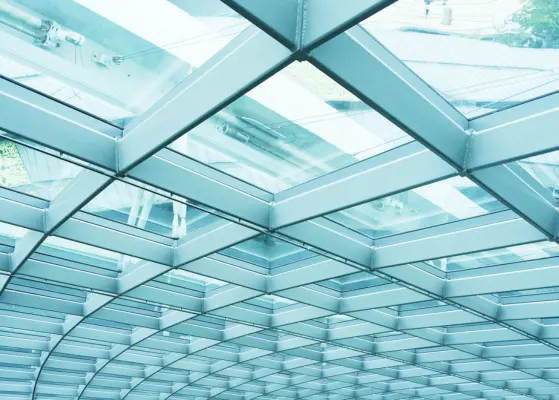
Architectural design trends of new age are changing the glass requirements of buildings (both commercial and residential) all over the Asia Pacific region. To open views, let in natural light, and give an aesthetic look of transparency have been the major things that developers have been prioritising which has resulted in the extensive use of facades that are made of glass almost entirely. Full-glass exteriors of high-rise buildings which not only create a striking visual identity but also help in positioning the property at a higher level of the market are the trend in the cities of Shanghai, Singapore, Seoul, and Mumbai. Further, the rise of the metro expansion programs, luxury housing projects, and mixed-use developments has triggered the demand for flat glass that is not only durable but also of high clarity. With urbanisation still on the rise and consumers' tastes going towards modern architecture, glass has become the main structural and design material in the whole region.
Sustainability Comes First in Building Design
As a standard expectation, rather than a goal for a niche, climate-conscious constructions are leading to the very rapid spreading of energy-efficient glass throughout the APAC region. What makes low-emissivity (Low-E) glass especially good is that it reduces heat transfer and thus helps in keeping the room temperature-stable which in turn leads to lower energy consumption. To achieve green certifications and to cut down on the use of artificial cooling, commercial developers are also installing solar control glass. In cities that are exposed to the sun, such as Dubai, Bangkok, and Manila, using high-performance glazing is slowly but surely becoming a must-have specification for major infrastructure projects rather than just being there as an optional upgrade.
Interior Design Trends Drive Up the Demand of Decorative and Functional Glass
The role of glass in the exteriors of buildings is very much the same as its role in the interiors. Interior designers throughout APAC are very quick in adopting the open layouts, fluid spaces, and multifunctional rooms and this has led to a greater demand for the products such as partitions, balustrades, room dividers, and shower enclosures. To gain privacy at the same time not to lose the light, frosted and etched glass are becoming popular, and tinted and digitally printed glass are being used more and more for unique aesthetics.
Smart and Functional Glass Facilitates the Transition of Intelligent Buildings
The incorporation of technology in the surroundings of human life is a solid reason for the implementation of advanced architectural glass innovations. The use of smart glass that can change its transparency level as per the need is aimed at making districts like hospitals, conference rooms, offices, and airports more comfortable by providing privacy and controlling the temperature. Glass that goes well with the embedded solar panels, motion sensors, and digital displays is also becoming popular. More and more commercial buildings are opting for glass that can facilitate the use of touchscreen-type interfaces, have high reflectivity for projection, and be radio-frequency transparent for connectivity. The coming into existence of such features is swiftly turning glass into an interactive and intelligent element of modern construction which is at the core of the structural material concept a passive one. With the rise in smart building projects across Asia Pacific, there is a strong belief that technology-enhanced glazing solutions will be widely accepted.
Infrastructure Expansion Leads to New Opportunities for Architectural Glass
Besides real estate and commercial projects, large-scale infrastructure is also a major contributor to the demand for glass that is tough and of good performance. Airports, metro stations, educational campuses, government institutions, and sports complexes scattered throughout the APAC are using large amounts of glass to provide natural lighting, visitor visibility, and premium aesthetics. Glass that is made for high-impact resistance and safety is especially significant for transportation infrastructure, a place that requires long-term durability and public safety, among other things.
Discover region-wide forecasts and deep-dive insights into architectural applications by reading our Asia Pacific Flat Glass Market
Creating a More Glorious Tomorrow with Architectural Glass
The styles of construction and architecture in the Asia Pacific area are rapidly changing, and one of the major factors of this change is glass. Its role has been transformed from that of a mere ornamental component to a high-performance building element that is instrumental in energy efficiency, smart technology integration, modern interior layouts, and iconic city aesthetics. Architectural glass will be the enabler of the next generation of spaces - intelligent and visually stunning ones - across the APAC as the sustainability targets become increasingly stringent and the digital innovation more rapid. With further progress in the fields of coating technology, thermal management, and acoustic engineering, the environment that we will build tomorrow will be more luminous, smarter, and more efficient due to the continued popularity of next-generation glass solutions.











Share