How Banks Are Expanding ATM Networks Globally
Reaching Customers Beyond Branches
Banks are also seeking to have more ATM networks in order to extend their reach to more customers. Conventional branch banking is constrained by time and location. One of the alternative solutions that can be offered is the use of ATMs, which enables customers to access banking services and cash at any time. Most banks are placing new ATMs in urban centers, shopping malls, and areas and installing them in public places to address the increasing use by customers. The development of ATM networks is also contributing to alleviating congestion at the branches of the banks. The number of machines has increased, and thus, simple activities like withdrawals, deposits, and transfers of funds can be done in a short time. This growth guarantees that the customers do not have to spend time standing in long queues and are able to handle their finances conveniently. Banks can also serve at odd hours by offering 24-hour services, which serve customers who have odd schedules or long distances to the branches.
Supporting Financial Inclusion in Rural Areas
Enhancing financial inclusion is one of the major impetuses behind the expansion of the ATM network. Branch infrastructure is inadequate in most rural and semi-urban locations, and the inhabitants can have difficulties in accessing banking facilities. Banks are currently placing ATMs in such areas to make the accessibility of cash and simple transactions easy. These initiatives do not only benefit people but also small companies that need good access to finances. Multi-language support and mobile integration are some of the features that are usually integrated in rural ATMs to ensure that different users can easily use them. Through increasing networks in less served regions, the banks are assisting communities to access the formal financial system, generating more trust and access to the digital banking services. The governments of various nations are also promoting the projects that promote the use of ATMs in the remote locations, which will assist the banks in accessing new clients.
Integrating ATMs with Digital Banking Solutions
Due to the digitalization of banking, ATMs are becoming more interactive to provide more features that are complementary to online banking services. Several machines have become compatible with mobile apps, which enable customers to charge their transactions offsite or create codes to use when doing cardless withdrawals. This physical-digital banking will increase convenience and boost customer loyalty. The banks are also coming up with smart ATMs with real-time updates of accounts, bill payments, and transfer of funds. The customers may check the balances, print mini statements, and make deposits without having to visit a branch. There are even ATMs where one can top up their mobile numbers or even pay utility bills. The incorporation of digital capabilities in ATMs is also contributing to their adoption and increasing self-service banking to be appealing to tech-savvy individuals.
Enhancing Customer Experience with Smart Locations
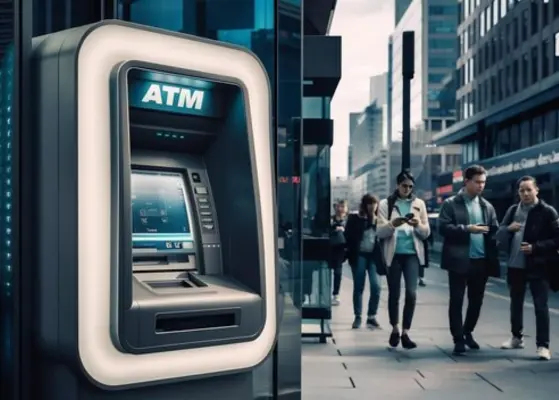
The location choice is a significant aspect of the ATM growth policies. Banks are assessing the foot traffic, population patterns, and customer behavior to know where the new ATMs should be located. Machines that are positioned in places of high traffic like shopping malls, transport stations, and business districts are convenient and are more likely to get more users. Smart ATMs, capable of such advanced options as cash recycling, multi-language functionality, and accessibility by users with disabilities, are rapidly being embraced in urban centers. Banks are also applying analytics to track usage patterns and machine placements. This makes sure that the ATMs are in areas that the customers need them most and also enhances better efficiency of the services. Well-positioned ATMs also assist the banks to generate more revenue by attracting more transactions and a higher rate of use.
Security and Maintenance Considerations
The increase in the network of ATMs means that banks need to ensure that their security and operations are high-quality. Anti-skimming devices, cameras, and tamper detection systems should be installed in machines in remote locations or high-traffic locations. It is also important that the software is updated regularly and maintained so that no fraud can take place and the functioning remains uninterrupted. Banks are spending on surveillance systems that are used to monitor the performance of the ATMs and to notify the staff of any issue almost instantly. Early repairs decrease unproductiveness and enhance customer confidence. The security, technology, and strategic positioning have given the banks the opportunity to grow networks safely and offer reliable banking experiences to their customers. Certain banks are also considering the use of remote management tools to save money and better address technical issues in a significantly shorter time.
The Future in ATM Expansion
The ATM network in the world will keep expanding given the emphasis on convenience, security, and digitalization by banks. The deployment of ATMs with smart functionality is likely to be highly adopted in emerging markets to help financially include individuals and embrace digital banking. The use of machines will provide safer and speedier transactions in cities where cardless and biometric access will be provided more and more often. The banks also seek collaborations with retail chains and government institutions to install ATMs in convenient spots. The initiatives generate new customer touchpoints and facilitate a smooth banking journey. Due to the increasing competition between banks, the ATM networks will be more advanced, and attention will be paid to faster service, greater security, and user experience. The future of ATM networks all over the world is being determined by the strategic implementation, intelligent features, and secure technology.
Check out the full report for detailed insights on the Global ATM Market.
Transformation of the Banking Services
The enlargement of ATM networks is changing the interaction mode of the people with banks. Banks are streamlining self-service banking by making it accessible, incorporating digital functionality, and making it secure. It leads to much less congestion in the branch, reduced and quicker transactions, and better service availability to customers. They will be instrumental in the penetration of the digital banking and physical access gap as ATM networks widen with time. Not only does the increase of these networks improve in technology, but it is also a step towards increased financial inclusiveness, convenience, and trust in the banking system. The history of the ATMs proves the way the banks respond to the needs of the customers and the development of the new technologies to provide more effective and safe banking conditions.











Share