How Climate Change Affects Wheat Production
Changing Weather Patterns and Wheat Yields
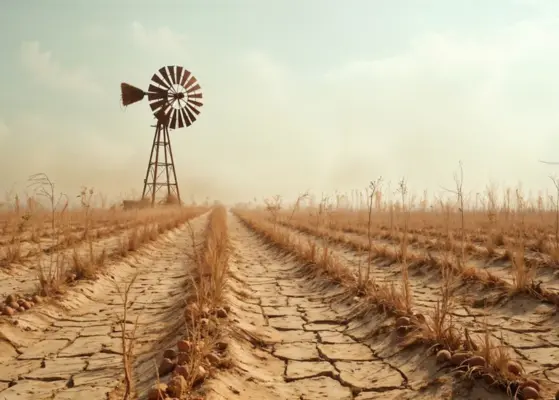
Climate change is, without a doubt, the leading challenge confronting wheat production currently. Factors such as higher average temperature, irregular rainfall, and very frequent extreme weather events have a negative impact on both the production volume and quality of the crop. Yet, wheat is a delicate crop that suffers greatly even with the slightest change in temperature, especially when the flower and seed filling stages are in progress. As a matter of fact, in case of a temperature increase, the size of the grains may reduce, the protein level may fall, and therefore the yield may be less. In the same way, if the rainfall becomes unpredictable, the resulting drought or waterlogging can be detrimental to the growth of the crop in both cases.
Regions that at one time were leaders in wheat production with high yields may now be experiencing lower production levels. However, those regions that were previously unsuitable for this crop could develop into the new wheat-producing areas. These sorts of issues are forcing farmers and agricultural planners to rethink their conventional methods and embrace climate-resilient measures.
Heat Stress and Its Impact on Wheat
Climate change has been causing many problems for wheat, and one of the main ones is heat stress. If the temperature gets too high during the wheat flowering stage, the plants may become sterile, which means that they will not produce any grains. Besides, due to heat stress, the plants mature quickly, and the period for grain filling gets shortened, which leads to smaller grains and less yield. In addition, heat can increase evapotranspiration rates, thus more water is used up, and the soil moisture levels are affected.
Farmers are beginning to use heat-tolerant wheat varieties as a way of solving this problem. These wheat varieties have undergone genetic modification to survive high temperatures without appreciably degrading grain quality. As a result, they provide a partial solution to the problem of global warming.
Water Scarcity and Irrigation Challenges
Climate change results in severe droughts in many wheat-producing regions. The factors that affect the availability of water for agricultural irrigation are irregular precipitation, longer dry periods, and the change of water flows in rivers. It is very important to give water to wheat plants at the right time during their growth and development stages. If there is a shortage, the crop yield and quality will significantly decrease. When farmers want to use water in the best way, they resort to getting water to plants via drip and sprinkler systems that help water get to the plants efficiently.
By means of soil moisture sensors and precision irrigation equipment, water is administered only to the right area and at the right time. Besides the wheat crop yields that are kept at satisfactory levels, water management in agriculture is one of the solutions that could ultimately contribute to saving humanity and the planet by limiting the use of scarce water resources, thus making agriculture environmentally friendly, even with the continuing climate change.
Pests, Diseases, and Emerging Threats
Climate change is changing the situation of pests and diseases in wheat fields. The temperature increase and the changing pattern of rain give pests and pathogens the perfect conditions to live and multiply. The wheat plants then become vulnerable to a variety of fungi, insects, and diseases that lower the quantity and quality of the yield. The farmers are going in for integrated pest management methods that include early detection and specific treatments. The use of technology such as remote sensing, drones, and predictive modeling is facilitating the monitoring of wheat health and predicting the risk of disease or pest attack. These technologies enable farmers to swiftly put the necessary steps into action. As a result, their wheat is preserved, and they also minimize the losses brought on by climate-related dangers.
Adaptation Strategies for Resilient Wheat Production
Farmers and scientists experiment with different adaptation methods to overcome the consequences of climate change. The main measures they emphasize are crop diversification, using heat- and drought-resistant wheat varieties, and adopting better irrigation techniques. Soil health optimization through methods like crop rotation and the use of cover crops has been very helpful in maintaining soil fertility and moisture. Additionally, farmers are also adjusting the timing of the planting and selecting the varieties that have greater tolerance to climate change. Agricultural R&D on a bigger scale is continuously coming up with new technologies and ways that allow wheat production to be sustained. One of the most important factors for the implementation of these adaptation strategies and thus ensuring food supply in the age of climate change is the triple collaboration of governments, scientists, and farmers.
Balancing Productivity with Sustainability
The changes in climate, which create new problems in the way of farming wheat, will at the same time open new ways for the innovation of wheat farming. Farmers can continue producing crops at a high level by using sustainable practices and employing resilient methods of crop management, even if nature puts them under severe stress. It is by using innovative technology, quality seed varieties, and proper resource management that wheat production can still be carried on despite the changing climate conditions. Besides these strategies being helpful in the case of climate change, they also help achieve the goal of taking care of the environment and practicing sustainable agriculture. It is very important that wheat farming be capable of adapting to climate change, not only for feeding the increasing population but also for providing jobs for farmers who depend on agriculture as their main source of income.
Check out the Wheat Market Report for insights on production trends, climate adaptation strategies, and regional yield forecasts.
Preparing Wheat Farming for the Future
The influence of a changing climate on wheat output is still happening and is very complicated. Those agriculturists who take up adaptive measures, use novel technologies, and follow eco-friendly practices are in a good position to face these difficulties. Wheat farming through controlling heat stress, water conservation, pest management, and using resistant strains will enable wheat to survive climate change. Making sure that agricultural methods are adaptable and visionary will lead to maintaining yield, food security, and agricultural resilience globally.











Share