Lime in Australia Wastewater Treatment Processes
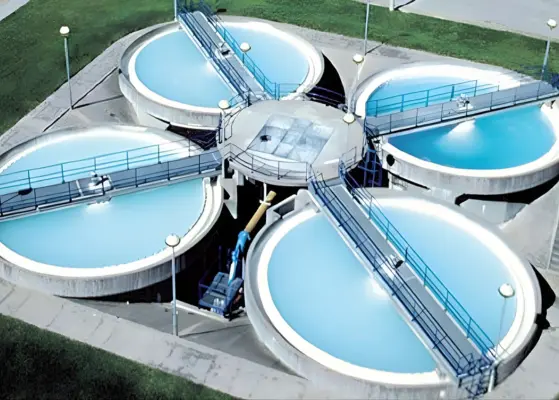
The treatment of wastewater is imperative to ensure the safety of people and the conservation of the natural ecosystem in Australia. With the increased population in urban areas and increased industrialization, treatment facilities are required to manage more effluents and meet more stringent environmental requirements. Lime has played a vital role in these systems, aiding plants to control water quality, optimize treatment processes, and stabilize residual waste.
Quicklime and hydrated lime are common in both municipal and industrial wastewater processes. They have alkaline properties that can be used in neutralizing acidic streams, dissolved contaminants, and harmful microorganisms. These functions enable treatment plants to provide stable performance despite varying inflow conditions.
How Lime Supports Core Treatment Functions
The mechanism of lime is to raise the wastewater pH, which provides an environment where suspended particles settle and dissolved metals precipitate. This procedure advances clarification and improves downstream filtration. High pH also serves to inactivate bacteria and viruses, providing a secondary defense in treatment.
Quicklime is used to offer rapid changes in chemical reactions and is normally used in large-capacity treatment plants where treatment needs to be adjusted swiftly. Hydrated lime is easier to handle and control in dosing, making it suitable for secondary treatment stages and small plants. Depending on system design, safety procedures, and treatment goals, operators determine the choice between these forms. Coagulation and flocculation processes are also facilitated by lime, enabling small particles to form larger coagulates that are easier to remove. This enhances plant performance and assists in complying with discharge requirements.
Applications Across Municipal and Industrial Facilities
To stabilize influent, increase phosphorus removal, and dewater sludge, municipal wastewater plants add lime. Lime decreases sludge volume because it increases solids density and reduces transportation and disposal costs. It is also helpful in odor containment since it neutralizes substances like hydrogen sulfide, improving air quality around treatment sites.
Industries use lime to treat mining, chemical processing, food production, and metal finishing effluents. Under such conditions, lime eliminates heavy metals, suppresses corrosive environments, and stabilizes waste streams prior to discharge or reuse.
Resource recovery is another practice being adopted in the water sector in Australia. Lime supports irrigation and industrial cooling systems using treated water. It contributes to the stabilization of biosolids, which allows treated sludge to be reused on land under controlled conditions.
Meeting Environmental Standards and Public Health Goals
One of the primary reasons for utilizing lime in wastewater treatment is environmental compliance. Australian rules place rigorous limits on nutrient leakage, diseases, and heavy metals. Lime helps operators meet these standards by increasing removal efficiency and aiding pathogen control. Lime produces high pH levels, which are efficient at reducing microbes and mitigating downstream community and environmental concerns. This is especially relevant in locations where treated water enters delicate streams or coastal zones.
Lime is also useful for reducing acidic runoff and landfill leachates, which may include hazardous chemicals. Stabilizing these streams helps to conserve groundwater resources and reduces utilities' long-term environmental responsibility. Beyond effluent treatment, lime's odor control capabilities improve working conditions for plant employees and lessen complaints from neighboring towns, so improving community relations.
Operational Advantages for Treatment Providers
Lime delivers consistent performance and has a strong market presence in Australia. Lime can be added to existing treatment facilities with simple changes and utilized dry or slurry, depending on the process conditions. Quicklime has great neutralizing efficiency in large volumes, whereas hydrated lime is safer for everyday handling and careful dosage monitoring. Facilities evaluate these possibilities in terms of throughput, manpower, and safety.
Adoption is also supported by cost efficiency. Lime provides superior treatment at a reasonable cost, particularly in high-flow systems. Its ability to improve sludge management and reduce downstream chemical demand helps save on overall operational costs. Australian lime manufacturers are investing in energy-efficient kilns and low-emission processing methods. These developments minimize environmental impacts of lime production while meeting the increasing demands of the water industry.
Strengthening Australia’s Water Infrastructure
Population growth and climate change are straining Australia's wastewater systems. Plants must respond to changing influent quality and support reuse programs and sustainability objectives.
The emphasis on lime will continue because of its adaptability and dependability. It enables utilities to respond quickly to evolving treatment requirements and regulations. The use of lime in wastewater treatment is predicted to stay constant as plant improvements and capacity expansions continue.
To learn more about supply trends, usage patterns, and demand in the regions, view the complete Australia Lime Report.
Supporting Cleaner Water for Future Generations
Over the years, lime has proven to be an essential component in wastewater treatment. It provides cleaner water in Australia by adjusting pH, eliminating pollutants, and stabilizing sludge. Lime will remain important as utilities strive for more efficient and resilient treatment systems. Owing to its simplicity and versatility, it is a dependable option for modern water management. When utilized correctly and with ongoing innovation, lime may help build wastewater systems that will protect communities and the environment in the next decades.











Share