Consumer Preferences and Sustainability Impact on the Plastic Cups Market
The cups industry, which employs plastic, is still adapting to changes in consumer attitudes and perceptions of environmental issues. Consumers are shopping differently today as they are smarter and thinking about when it comes to single use plastics and are looking for sustainable and environmentally meaningful alternatives.
This shift in attitude has prompted suppliers, manufacturers, retailers and foodservices to critically assess and reconsider their product design and materials, and how they choose to discard them. As the plastic cups industry, want to remain relevant and competitively relevant, they must represent changing expectations with sustainability, convenience, and meaningful functionality.
Growing Demand for Eco-Friendly Alternatives
Sustainability is a key factor in consumer decision-making. Many consumers are actively looking for products that have recyclable, biodegradable, or compostable packaging. This shift seems to be most prevalent among younger generations, such as Millennials and Gen Z, who often place a high value on environmentally responsible practices.
Eco-friendly consumers prefer brands that source products in a more sustainable manner, such as the use of renewable materials, such as PLA in plastic cups, or brands that offer a closed-loop recycling program. Furthermore, consumers prefer brands that can provide information about where materials come from, certification for compostability, recyclability, and/or clear labels on packaging to make purchasing decisions.
Rise of Reusable and Returnable Cup Systems
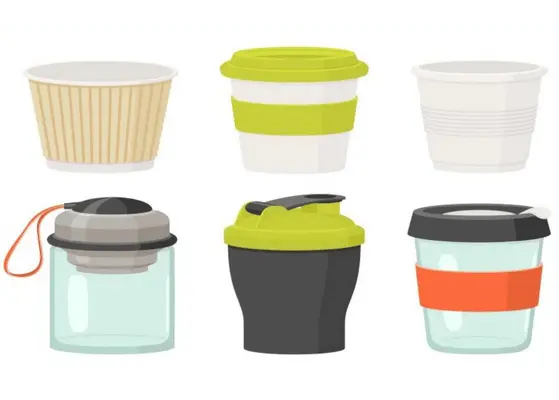
Along with single-use items that are sustainable, there is an increasing number of consumers adopting reusable and returnable cup systems as an easy way to reduce plastic dependence. This shift of sustainability is an even deeper commitment to sustainability, beyond single-use, and is seeing the strongest uptake in central business districts, university campuses, and environmental hubs.
Reuseable cup schemes where customers bringing their own cup or joining a deposit-return scheme are becoming more mainstream for eco-friendly consumers and institutions. The rise of coffee chains, fast-food chains, event promoters and many others offering reusable plastic cups to buy drinks, wash, and reuse, will soon emerge for many.
Impact of Health and Safety Concerns
Aside from environmental concerns, health and safety are important contributors to the way consumers behave in the plastic cups market. Consumers tend to be more cautious and selective, preferring packaging that is sanitary and free from contamination.
They appear to expect plastic cups to be considered sanitary, tamper-proof, and free from BPA. BPA (Bisphenol A) was once an element in some plastic products but has become the subject of scrutiny because of a multitude of potential health risks. Due to concerns with BPA, BPA-free certifications have become even more relevant labeling claims, as consumers take comfort in knowing they are BPA-free especially for parents, schools or for consumers who are health-conscious.
In addition, today’s consumers expect packaging that preserves beverage quality, retaining flavor, temperature, and freshness, without introducing off-tastes or harmful chemical leaching, particularly with hot or acidic beverages. This expectation has led to the growing popularity of food-grade plastics that are not only safe but also durable under a variety of conditions, from freezer to microwave use.
Influence of Convenience and Aesthetic Appeal
Though sustainability is key, design and convenience are still valued. Customers want cups that are easy to use, lid- and straw-compatible, and work for both cold and hot drinks.
Nice looks, like transparent clarity or customizable graphics, also influence decisions, especially in cafes and retail environments where branding is involved. Blending these form and function desires with sustainable materials is a primary challenge to manufacturers.
Consumer Education and Disposal Behavior
It is essential to provide consumer education on how to properly dispose of plastic cups in order to realize sustainability benefits. Mixing, misuse or misunderstanding of recyclable or compostable cups could undermine serious recycling efforts and contamination.
By focusing on effective system communication, through innumerable modalities including labeling, public awareness initiatives and participation from the retailer, we can begin nudging consumers toward responsible disposal which should lead to a higher material recovery rate and some environmental performance advancement.
For deeper insights on consumer trends and market dynamics, explore our Plastic Cups Market
Consumer Preferences Driving Market Evolution
The convergence of all consumers in pursuit of new preferences of sustainability, safety and convenience will change the plastic cups market. Brands that use these values to provide value to consumers through sustainable materials with a great design and communication that makes sense, will help these brands grow.
In the end, recognizing or being able to stand behind or meet these preferences, represent an opportunity to address better market relationships that can exist between the plastic cups industry and consumers, while simultaneously moving the industry forward, and contributing toward sustainability goals at the international level.











Share