The expert market research consumer survey delves into consumer spending habits on food delivery in India, revealing vivid preferences influenced by various factors. It delves into how promotions and discounts shape purchasing decisions, with most consumers preferring moderately priced meals, while a substantial segment opts for premium dining experiences.
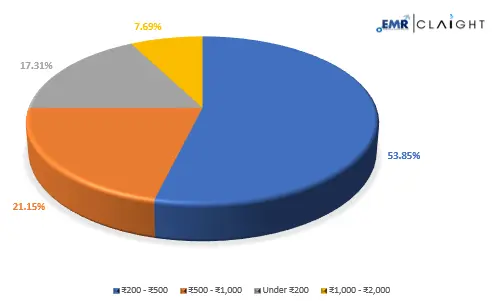
In an exploration of consumer spending on food delivery in India, a diverse range of spending habits emerges, highlighting highly uneven consumer preference owing to varied economic factors influencing decisions. Our recent expert PAN India survey covering 50,000 participants categorizes spending on food delivery apps into four brackets and delves into how much an individual normally pays per food delivery order.
Impact Of Discounts On Food Delivery Choices In India
Discounts and promotional offers play a crucial role in shaping where and how consumers purchase food from food delivery apps. The study found that approximately 53.85%, spend between INR 200 and INR 500 on a single order, indicating a preference for moderately priced meals that possibly include single or multiple items suitable for individual or small group consumption. On the other hand, the lower spending habit sees 21.15% of consumers spending less than INR 200. There is also a significant segment of the market which likes to spend lavishly. With 25% of the respondents stating that they easily spend between INR 500 and INR 2,000.
There is a significant market preference for more premium options and larger orders, while the with increasing consumer indulgence on luxury dining experiences or ordering instead of cooking at home for special occasions. The food delivery market has clearly opened the affordability and convenience needs of the Indian market.
Top Reasons Indians Choose Food Delivery Services
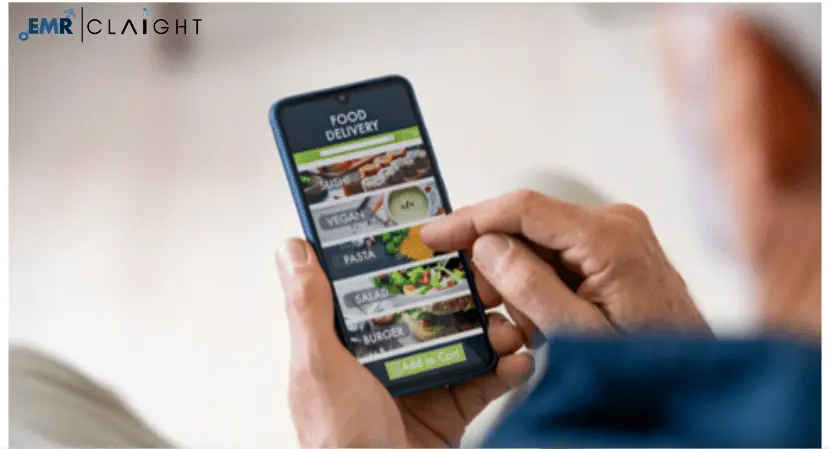
Many users are drawn to platforms that provide regular discounts, which not only make ordering food more economically viable but also encourage trial of new cuisines and restaurants. Effective price incentives, significantly influence consumer choice and the growing reliance on food delivery services across different demographics. The primary motivations driving the use of food delivery services in India include the convenience of having meals delivered directly to one’s doorstep, the time savings compared to traditional dining or cooking, and the variety of culinary options available.
These spending patterns provide valuable insights for food delivery companies and restaurants. The spending on food delivery in India reflects a broad spectrum of consumer behaviour, driven by factors like personal budget, dining preferences, and occasion type. As the food delivery market continues to evolve, tapping into these diverse consumer insights will be crucial for service providers aiming to enhance their market share and customer satisfaction. The study offers detailed insights into consumer behaviour, helping businesses tailor their marketing and operational strategies to meet specific customer needs and enhance overall satisfaction in the bustling Indian food delivery sector.











Share