Imagine biting into a juicy burger that didn’t come from a farm but a lab—a burger that slashes greenhouse gas emissions by 96%, uses 99% less land, and spares animal lives. This isn’t science fiction; it’s the reality of cultured meat, a sector poised to redefine global food systems.
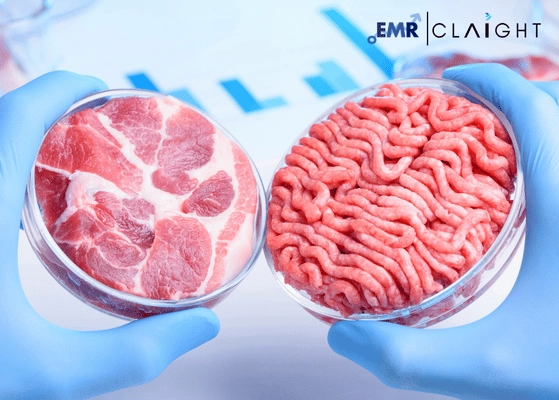
Cultured meat, also called lab-grown or cultivated meat, is produced by growing animal cells in bioreactors. Scientists extract a small sample of cells from an animal, nourish them with nutrients, and coax them into multiplying into muscle, fat, and connective tissue. The outcome is real meat produced without slaughter, antibiotics, or the ecological impact associated with traditional farming practices.
The Science Behind the Sizzle
At its core, cultured meat is real animal meat produced by cultivating animal cells in a controlled laboratory environment. The process begins with the extraction of stem cells from a living animal through a small, painless biopsy. These cells are then placed in a nutrient-rich medium where they multiply and differentiate into muscle fibers, fat tissue, and other components that make up meat. The key steps in cultured meat production include:
- Cell Isolation: Extracting stem cells from the donor animal.
- Cell Culture: Providing the cells with nutrients to grow and multiply.
- Scaffolding: Creating a structure for the cells to form into muscle tissue.
- Maturation: Allowing the tissue to develop the texture and flavor of conventional meat.
Recent advancements have significantly improved this process. In 2024, researchers from Tokyo Women's Medical University and Waseda University unveiled a serum-free co-culture system that recycles nutrients, dramatically reducing costs and contamination risks. This breakthrough addresses one of the major hurdles in scaling up production: the reliance on expensive and ethically problematic animal-derived growth mediums.
The Future Plate: Trends to Watch
As the cultured meat industry continues to evolve, several trends are likely to shape its future:
Hybrid Products: To address cost and texture challenges, many companies are developing hybrid products that blend cultured animal cells with plant-based ingredients.
Exotic and Heritage Meats: The ability to culture cells from any animal opens possibilities for producing meats that are rare, endangered, or even extinct. Vow, an Australian company, made headlines in 2023 by creating a meatball using cells from the extinct woolly mammoth. This technology could also be used to preserve and reproduce heritage livestock breeds.
Personalized Nutrition: As the technology advances, there's potential for cultured meat to be tailored to individual nutritional needs. This could include adjusting the fat content, enhancing specific nutrient profiles, or even incorporating medicinal compounds.
Whole-Cut Products: While most current cultured meat products focus on ground meat applications, research is ongoing to develop technologies for producing whole-cut meats like steaks or chicken breasts.
Integration with Traditional Agriculture: Rather than completely replacing conventional meat production, cultured meat technology might be integrated into existing agricultural systems.
2024-2025: Breakthroughs Reshaping the Industry
Recent milestones are tackling the twin challenges of cost and scale:
| Year |
Recent Developments |
Description |
| 2024 |
Serum-Free Growth Mediums |
Animal serum, such as fetal bovine serum, has historically been an expensive and ethically contentious component in various applications. In 2024, researchers from Tokyo Women’s Medical University and Waseda University introduced a serum-free co-culture system that utilizes recycled nutrients, significantly reducing both costs and the potential for contamination. |
| 2024 |
Continuous Manufacturing Cuts Costs to $6.20/lb |
A 2024 study by Believer Meats and Hebrew University introduced tangential flow filtration (TFF), a Ford-style assembly line for meat. This method:
- Achieves 130 billion cells per liter.
- Uses a $0.63/L animal-free medium.
- Projects $6.20/lb production costs—matching organic chicken prices
|
| 2024 |
3D Bioprinting Hybrid Meats |
Startups like India’s Biokraft Foods are blending cultivated chicken cells with plant-based polymers via 3D bioprinting. This technology opens possibilities for creating more complex meat structures, potentially allowing for the production of whole cuts like steaks or chicken breasts in the future. Their hybrid chicken burgers, showcased at India’s first public tasting in December 2024, aim for a 2025 launch. |
| 2024 |
Mega-Facilities Scaling Up |
- Meatly (UK): Targeting 500kg/day production by late 2025.
- UPSIDE Foods (US): Opened EPIC, a facility producing 50,000+ lbs of cultivated chicken.
|
Startups Leading the Charge
From burgers to seafood, these innovators are carving the future:
| Startup |
HQ |
Key Innovation |
2025 Outlook |
| Mosa Meat |
Netherlands |
Produces cultured meat by collecting myosatellite cells from cows and growing them in a lab |
Scaling beef production. |
| Believer Meats |
Israel |
Produce cultivated meat at a similar cost to conventionally-farmed meat; serum-free tech |
Expanding global facilities. |
| Biokraft Foods |
India |
3D-printed hybrid chicken; FSSAI collaboration |
2025 commercial launch. |
| SuperMeat |
Israel |
$11.79/lb chicken; 3lbs in 2 days vs. 42-day farming |
Cost parity with premium chicken. |
| Meatable |
Netherlands |
Pork from stem cells; $10M Series C |
Partnering with meat giants |
Challenges on the Horizon
Despite the rapid progress and promising outlook, the cultured meat industry faces several significant challenges:
- Consumer Acceptance: A 2024 GFI survey found 40% of Americans are open to trying cultured meat, but “naturalness” concerns linger.
- Regulatory Bottlenecks: Navigating the complex and often slow-moving regulatory landscape in different countries remains a significant challenge. Delays in approvals could hinder market entry and slow the industry's growth. Slow approvals in the EU and Asia could delay market entry.
- Scaling Production: Moving from laboratory-scale production to industrial-scale manufacturing presents numerous technical challenges.
- Nutritional Equivalence: Ensuring that cultured meat products match or exceed the nutritional profile of conventional meat is an ongoing area of research.
A Meat Revolution in Motion that will be Instrumental for Animal Welfare
With startups slashing costs, governments greenlighting trials, and consumers demanding sustainable options, the fusion of science, ethics, and capitalism promises a future where it saves the planet. The challenges ahead are significant, from scaling production and reducing costs to gaining widespread consumer acceptance. However, the potential benefits – from environmental sustainability to animal welfare – make cultured meat one of the most exciting and impactful innovations of our time.
As cultured meat moves from science fiction to supermarket shelves, it offers consumers more choices, reduce the environmental footprint of our food systems, and potentially redefine our relationship with animal products.











Share