Natural Stone Patio Flooring and Its Role in Outdoor Flooring Decisions
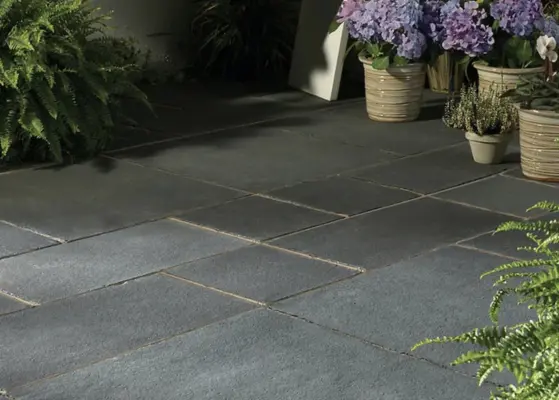
Natural stone patio flooring is one of the most popular elements in high-end outdoor construction. Though engineered materials are getting more attention, stone continues to be viewed as the best choice for projects that demand permanence and an aesthetic look. Developers, architects, and general contractors, for example, continue to identify natural stone with durability and value retention of the asset. This perception is shaping supplier strategies and driving targeted product investments across the outdoor flooring sector.
On the other hand, for manufacturers and quarry operators, natural stone is not sold only as a visual feature anymore. Natural stone offers performance predictability, installation efficiency, and sourcing transparency. These aspects are increasingly becoming important as commercial clients need to meet tighter project schedules and have stronger material origin accountability.
Product Differentiation Beyond Visual Appeal
Stone suppliers are moving away from generic product descriptions. Instead, they are segmenting offerings based on application conditions. Product lines are now categorized by load-bearing capacity, slip resistance, and climate suitability. This technical framing helps natural stone compete more effectively with advanced composites and porcelain alternatives.
Recent product developments focus on calibrated thickness and surface treatments. Precision cutting technologies are reducing installation complexity. Some suppliers report considerable installation time reductions due to tighter dimensional tolerances. This improvement directly addresses contractor concerns around labor costs and site delays. In December 2025, Paragon Exotic Stone announced the expansion of its premium SPC Flooring Services, offering homeowners, designers, and contractors a new standard of elegance, durability, and craftsmanship.
Surface finishing is another area of active development. Honed and textured finishes are being engineered to meet commercial slip resistance requirements. Hospitality and public space projects are driving this trend. Stone that meets safety standards without compromising appearance carries a clear pricing advantage.
Supply Chain Control and Quarry Investments
Natural stone distributors are stepping up their investments to upgrade their quarries. They are deploying latest technologies such as automated cutting machines and digital inventory management. These upgrades help suppliers consistently meet the quality expectations of large-scale buyers while also reducing material wastage. This efficiency supports margin protection, especially amid ongoing volatility in input costs.
Some international stone producers are also increasing quarry capacity, strengthened by long-term supply agreements with local distributors and construction companies. When producers get volume commitments from buyers, it helps them to have more stable output, and they can even plan their investments with more confidence.
On the B2B side, supply assurance ranks as the most important factor. Developers of multi-phased outdoor projects would rather work with stone suppliers who can promise them color consistency and availability over multiple years. If a company is unable to provide this continuity then they are at risk of losing their specification status early in the design process.
Sustainability Pressures and Documentation Strategy
The natural stone sector is facing higher sustainability scrutiny. Stone is a natural material, but extraction methods come under closer supervision. Buyers increasingly require documentation on quarry rehabilitation, energy consumption, and transport emissions. Top-tier suppliers are issuing environmental disclosures and are getting third-party certifications to meet the demand.
Some local producers are sourcing their stone locally in order to cut down on transport-related emissions. This local sourcing approach works well in regional commercial projects. Besides, it gives the suppliers a way to compete against imports that come with longer lead times and higher logistics costs.
Pricing Dynamics and Value Perception
Natural stone pricing remains higher than many engineered alternatives. However, suppliers are reframing the discussion related to valuation. Instead of competing on initial cost, they emphasize lifecycle performance. Stone requires less frequent replacement and maintains appearance over time.
Price stability is another factor as stone pricing tends to be less volatile than lumber in certain regions. This predictability appeals to developers managing multi-year budgets. Some suppliers are offering fixed-price contracts for large projects, which strengthens long-term relationships.
Competitive Positioning Against Engineered Alternatives
Natural stone faces tough competition from porcelain and composite products. Dealers are changing their strategy and focusing more specifically. Rather than going after all outdoor uses, they concentrate on high-visibility and high-traffic areas. Therefore, plazas, resorts, and heritage developments remain primary targets.
At the same time, manufacturers are increasing their level of cooperation with architects. Being involved at the start allows stone suppliers to have a say in the choice of materials before the pressure to cut costs becomes strong. Apart from that, technical support teams are being enhanced to provide assistance with design specifications and compliance documentation. Such a customer-centered approach supports a company's competitive position.
For insights into natural stone's role in material strategies and market dynamics, refer to the Outdoor Flooring Market Report.
Strategic Outlook for Natural Stone Suppliers
Suppliers are expected to be focused on margin stability and specification depth over the forecast period. Future investments are projected to target digital tools that improve traceability and project coordination. Suppliers are also piloting online selection platforms for architects and developers. These tools shorten decision cycles and improve specification accuracy. Suppliers that combine technical clarity with reliable supply will continue to secure premium outdoor projects.











Share