Transforming Patient Care and Operations via Digital Health Adoption in Malaysian Hospitals
Malaysian hospitals are increasingly adopting digital health technology in an attempt to improve patient care, improve efficiencies in operations, and enhance healthcare accessibility. One of Malaysia's main priorities in its overarching plan to modernize its healthcare system, improve results, and reduce regional disparities is healthcare digitization.
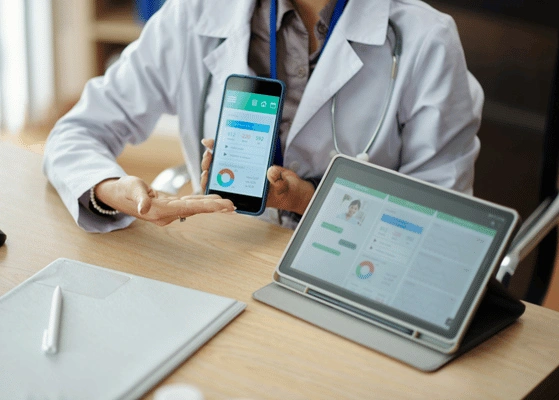
Hospitals are changing how they offer care and distribute resources due to technology health tools like electronic health records (EHRs) and telemedicine. Faster diagnosis, improved patient monitoring, and improved patient-provider communication are all made possible by these technologies.
Government regulations, private sector innovation, and increasing demand for accessible, high-quality healthcare are driving the adoption of digital health solutions. Policies promoting telemedicine, electronic health records, and data security have laid the groundwork, while startups and healthcare providers are developing user-friendly platforms. This combined momentum is transforming healthcare delivery in India, making it more efficient, inclusive, and technology driven.
Government Initiatives Driving Digital Health Growth
The National Health Blueprint and the Malaysia Digital Economy Blueprint demonstrate how the Malaysian government has made digital health a strategic priority. With funding and investment options available, the government is working to establish national health IT infrastructure, including interoperable EHR systems and telemedicine platforms.
To increase data exchange, decrease bureaucracy, and improve care coordination, Malaysian public hospitals have begun investing in digital technology. These programs lay the groundwork for integrated and cooperative healthcare that emphasizes population health management, remote care, and customized treatments. In order to provide digital health in a secure and legal manner throughout the nation, data privacy rules and regulations are also being developed.
Expanding Access and Convenience in Telemedicine
Telemedicine has experienced a fast pace of uptake in Malaysian hospitals. The COVID-19 pandemic has also accelerated the uptake of telemedicine in hospitals. With remote consultations, patients in both urban and rural settings can access specialist care without the need to travel, and this has reduced hospitals from being congested and cut the waiting time.
Hospitals are utilizing video consultations, remote monitoring devices and mobile health apps, to continuously deliver care for chronic disease management, mental health, and post-discharge follow-ups. Telemedicine services also improve access to healthcare in remote states such as Sabah and Sarawak, thus bridging the gap between states.
Notwithstanding the benefits, the uptake of telemedicine in hospitals still has challenges such as limited broadband coverage in some rural areas and the need to train healthcare workers and patients in the use of telemedicine tools.
Electronic Health Records and Data Integration
Digital health uptake is driven by Electronic Health Records (EHRs) in Malaysian hospitals. EHR systems enable centralized, virtual and real-time access to each patient which enhances the accuracy of the diagnosis and treatment decisions, and continuity of care.
Public hospitals and private hospitals alike are beginning to transition from paper-based records to electronic medical records supported by government funding and private sector involvement.
The introduction of EHRs tracked through these systems creates additional opportunities for data analytics at the population level for improved health system understanding and planning for resources.
System interoperability and maintaining privacy for sensitive patient data in this digital setting must be addressed and investments made to ensure that patient data will be kept secure in multiple systems.
Artificial Intelligence and Smart Hospital Technologies
Advanced analytics and artificial intelligence (AI) are also starting to permeate Malaysian hospital operations. To increase operational effectiveness, hospitals are implementing AI technologies for diagnostics, automated administrative procedures, and predictive analytics for risk assessment.
Clinical results and operational performance are being improved by smart hospital technologies, such as robotics for surgical aid, IoT-enabled patient health monitoring devices, and automated asset management systems. It is anticipated that these technologies will become more widely used in the healthcare system as costs come down and knowledge increases, even though adoption is still focused in large urban hospitals.
For a comprehensive analysis and future forecast, read our Malaysia Hospital Market
Embracing a Digital Future for Malaysian Healthcare
Adoption of digital health is making Malaysian hospitals more patient-centered, connected, and efficient. With the help of government programs, technical advancements, and the resolution of important issues, Malaysia is well-positioned to create a long-lasting digital healthcare system that can adapt to the changing demands of its people.
Hospitals are enhancing clinical results, patient involvement, and accessibility through the growing integration of telemedicine, AI diagnoses, and electronic health records. Malaysia's digital health transformation will become a crucial pillar in attaining equitable, future-ready healthcare throughout the country as infrastructure grows into underprivileged areas and patient and healthcare provider digital literacy increases.











Share