Electric and Hybrid Bus Adoption in Israel Transforming Public Transportation
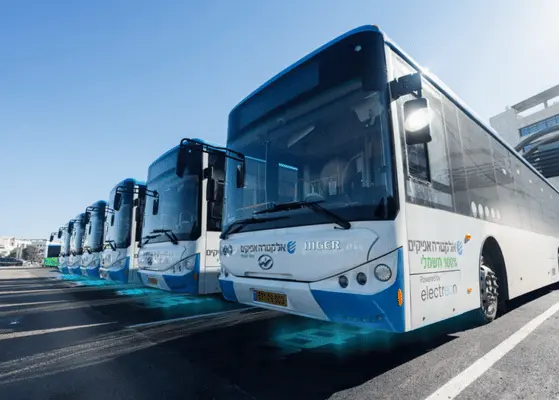
Israel’s public transportation sector is undergoing a green revolution as electric and hybrid buses become increasingly integrated into city fleets. The transition towards cleaner and greener vehicles coincides with federal commitments to reduce greenhouse gas emissions, enhance urban air quality and increase capabilities for transitioning public transport service.
Compared to the conventional diesel bus, electric and hybrid buses have environmental advantages by providing lower greenhouse gas emissions, reduced noise pollution and lower overall life cycle, in-service operating costs. Cities can reconcile their commitments to the environment with their other objectives, including fiscal sustainability.
The push for uptake is also enhanced by mega trends associated with global climate obligations, along with national government commitments to reduce air pollution and climate change. The Israeli Ministry of Transport particularly through subsidies, tax credits and pilot projects has proactively promoted green bus projects to encourage fleet upgrades and charging infrastructure.
Environmental and Economic Benefits of Green Bus Technology
Electric and hybrid buses have a considerable impact on the environment. By reducing both carbon dioxide and nitrogen oxides, which contribute to urban smog and respiratory disease, electric buses greenhouse gas outputs can improve public health while also helping to meet national climate targets.
From an economic perspective, electric buses have lower operating costs in terms of fuel and maintenance than diesel buses. The cost of electric buses increases when the initial investment is made, however, the cumulative savings from the reduced reliance on fuel and maintenance should allow the total cost of ownership to be lower over the bus’s operational life. Hybrid buses are a form of technology that reduces a city’s carbon outputs when they have an overall negative impact as they have electric motors but also keep conventional engines to reduce initial costs.
Government Initiatives Driving Adoption
The Israeli government has proactively adopted green transportation as a national strategic priority. Policy support includes subsidies for electric and hybrid buses, funding to build more charging infrastructure, or even policy to regulate the oldest diesel vehicles off the road.
Major cities have launched pilot projects to test electric buses on key routes, gather data, and assess operational challenges. The successes of these pilots have catalyzed plans for fleet expansion and the continued electrification of entire fleets. For example, Tel Aviv hopes to convert a large percentage of its bus fleet to electric by 2030, and Jerusalem continues to increase its hybrid bus fleet while investing in more charging stations.
Cooperation between government agencies, bus makers, and private operators has also been successful in addressing the challenges of electric bus adoption that have slowed the process of drastic public transportation decarbonization. Besides high upfront costs and the requirement for significant investment in charging infrastructure, educating the public on the environmental and social benefits of green buses via public awareness campaigns has motivated new green bus riders.
Challenges and Technological Innovations
Despite promising success, challenges still exist for scale adoption of electric and hybrid buses. Significant upfront costs and the immediate need for big money investments into charging infrastructure are the main challenges. Electric buses require access to fast charging stations and stable electricity supplies, both of which can be difficult to provide in some cities' layouts.
Battery life and vehicle range are ongoing concerns, especially for longer or more demanding routes. However, technological innovations are rapidly improving battery efficiency, charging speeds, and vehicle durability. Advances in energy storage and smart grid integration promise to further enhance operational feasibility.
Future Outlook for Green Bus Fleets in Israel
The future of bus transportation in Israel is closely connected to national sustainable and green mobility goals. With ongoing government support, decreasing costs of electric technology, and a growing environmental consciousness of its population, electric and hybrid buses are poised for significant market growth.
Innovative changes, such as vehicle-to-grid technology, wireless charging, and autonomous driving systems are predicted to disrupt the current bus Operating model in the coming years. As the infrastructure improves and costs decline, additional municipalities will convert their bus fleets, which aligns with Israel's vision for a low-carbon and climate resilient transportation network.
For in-depth analysis of green bus adoption trends and market forecasts, read our Israel Bus Transportation Market
Green Buses Driving Sustainable Mobility in Israel
Electric and hybrid buses are a key part of Israel’s commitment to a sustainable, efficient and modern public transportation system. Each bus has the potential to reduce emissions and operating costs while also increasing the customer experience which is in line with Israel’s environmental needs and the livability in urban areas. The advancements in green fleets also express a global shift towards cleaner mobility, and mark Israel’s early commitment to balancing economic development and ecological responsibility.











Share