How Electric Cargo Bikes Are Shaping Urban Logistics
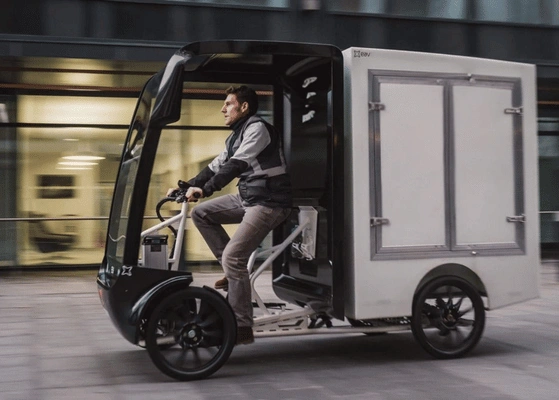
Electric cargo bicycles have emerged as an efficient and green delivery solution for urban delivery in cities globally. The booming e-commerce industry, urban congestion in tightly populated areas, and a growing emphasis on sustainability are encouraging companies to seek out alternative modes of transport. Electric cargo bicycles balance environmental advantage with cost savings, minimizing emissions while offering lower running costs compared to traditional delivery vans or trucks.
The increasing popularity of electric cargo bikes is not merely about green transport. Their small size enables easier movement through congested city streets, resulting in shorter delivery times for cities with high traffic density. Operations also cost less in terms of maintenance and energy relative to fossil fuel-based vehicles. With urban centers prioritizing carbon emission reduction and cleaner air, electric cargo bikes are considered a sustainable mobility solution that caters to both environmental and operational requirements.
Metro Cities Are First to Adopt
Adoption rates are greater in large metropolitan cities where initial policy endorsement, city planning, and corporate enthusiasm support electric mobility. European, North American, and Asian cities have witnessed intensive deployment of electric cargo bike fleets for last-mile delivery.
Smaller urban areas and suburban regions tend to remain less served. Most operators continue to experience difficulty in scaling operations outside of major metropolitan areas because of scarce infrastructure, lesser awareness, and erratic access to evolving facilities. Growing adoption in mid-size cities requires coordinated policy assistance, investment in public charging or battery exchange solutions, and awareness campaigns for local firms. Provision of access in future urban areas has rendered electric cargo bikes a more inclusive and practical solution for international last-mile delivery.
Battery Technology and Charging Solutions
Battery efficiency is a key element in the productivity of electric cargo bikes. Most bikes are integrated with lithium-ion batteries that offer adequate range for day-to-day deliveries. However, range restrictions are a prominent issue for operators running longer distances or double shifts. Charging facilities are slowly being developed in prime cities globally, but real-time visibility regarding battery capacity and charging point availability remains an area of concern.
A number of manufacturers are launching quicker battery swap stations to minimize downtime and increase fleet efficiency. Fleet management platforms with mobile apps allow operators to track battery charge, streamline delivery routes, and schedule charging. A well-executed network of charging and battery swap stations is essential for enhancing operational efficiency and making electric cargo bikes a viable option for commercial customers around the world.
Operational Benefits and Business Applications
Electric cargo bikes have a number of benefits for urban logistics. They are silent, zero-emission, and nimbler than conventional delivery vehicles, ideal for congested cities with high traffic and narrow streets. Small and medium enterprises enjoy reduced total cost of ownership since maintenance and energy expenses are significantly lower than diesel vans or small trucks.
Companies are testing different use cases:
- Local retail logistics, courier services, and grocery and food deliveries increasingly depend on electric cargo bikes for short-distance hauls.
- Cities are using these bikes for waste collection, park maintenance, and internal logistics.
- Fleet operators optimize delivery routes and overall emissions with smaller, flexible vehicles.
Merging electric cargo bicycles into fleet operations enables businesses to minimize their carbon footprint with the efficiency of delivery intact, making urban logistics cleaner, faster, and cheaper.
Policy Support and Incentives Driving Growth
Government incentives and policies globally are supporting faster adoption. Subsidies, tax credits, or grants to buy electric cargo bikes and two- and three-wheel electric vehicles are provided by several countries. Urban transport authorities and local municipalities are promoting infrastructure expansion, such as charging points and battery swap stations, to promote fleet electrification.
Public-private partnerships are also arising in several parts of the world to increase charging infrastructures and provide sustainable deployment. Cooperation among municipalities, fleet operators, and private operators ensures scalable solutions. Cross-industry cooperation by regulators, private firms, and companies will be needed to overcome operational hurdles and establish electric cargo bikes as a mainstream urban delivery method.
To read a complete report and forecast, go to our Global Electric Cargo Bikes Market
Future-Proofing Electric Cargo Bikes for Urban Logistics
As the world's cities adopt cleaner mobility, electric cargo bikes are poised to become an essential part of last-mile delivery. This will be driven by a combination of proven battery technology, available charging infrastructure, supportive public policy, and broad business awareness. Through the emphasis on operational efficiency, widespread coverage, and sustainability, cities can cut emissions, alleviate congestion, and facilitate a cleaner logistics platform. With increasing global incentives, private investments, and technology improvements, electric cargo bikes stand to transform urban delivery into a cleaner, smarter, and more efficient experience for businesses and consumers globally.











Share