Industrial Water Treatment Chemicals Supporting India’s Infrastructure Growth
Water management is emerging as one of the major issues confronting rapidly developing economies. In India, various factors such as the rising urban population, industrial expansion, and the development of infrastructure are making it harder to meet the water demand. Apart from creating stress on the environment, water scarcity also poses a risk to public health and to economic growth. Industries and municipalities depend on multiple types of water treatment methods, including the use of various specialized chemicals. For example, alkali compounds like caustic soda are widely used in water purification and wastewater treatment processes to a notable extent.
Water treatment is a necessity in both municipal and industrial sectors. To provide clean water to people and handle the wastewater produced by households, cities need large water treatment plants. Furthermore, industries are obligated to treat their wastes to limit pollution and safeguard the environment, which they can accomplish with the help of chemical treatment. As India develops its industrial and urban infrastructure, chemical inputs are becoming increasingly important components of water treatment systems.
Role Of Alkali Chemicals in Wastewater Treatment
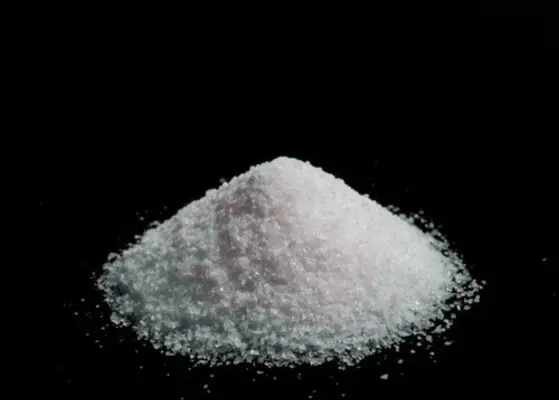
Industrial wastewater usually contains various kinds of pollutants like acids, heavy metals, oils, and organic compounds, among others. To ensure water is safe for domestic use or environmental discharge, harmful substances must be neutralized and the chemical balance of the treated water restored. Caustic soda or lye (NaOH) is one of the most frequently used chemicals for pH control during wastewater treatment processes. It is a given that the majority of industrial effluents are acidic due to the chemicals used in manufacturing plants. Hence, through the introduction of caustic soda, these treatment facilities are able to neutralize the acidic effluents and restore the water to a balanced pH level.
The importance of keeping the correct pH level goes beyond just a few treatment processes. For example, biological treatment methods are dependent on certain microorganisms that metabolize the pollutants. These microbes most effectively put their capabilities to work at a pH value that is well-regulated. When the water becomes too acidic or too alkaline, it is possible that the efficiency of the treatment may decrease significantly. Besides that, caustic soda can be used in the process of precipitation, which involves metal ions and other impurities being converted into solid particles and removed from wastewater. At treatment plants, conditions that allow the formation and separation of these insoluble particles through filtration or sedimentation processes can be established easily by controlling the chemical composition and pH of the water.
Industrial Demand from Manufacturing Sectors
India's manufacturing sectors produce enormous quantities of wastewater that must be treated if they are to be disposed of or recycled safely. Industries like chemicals, textiles, pulp and paper, food processing, and pharmaceuticals are some examples where the need for efficient wastewater management systems is critical. Wastewaters from textile processing plants are characterized by the presence of dyes and other chemical residues, which need to be neutralized before discharge. Pulp and paper mills also produce wastewaters rich in organics, whose removal through chemical treatment is necessary.
Chemical manufacturing plants, on the other hand, are sources of hazardous waste streams that, if not handled properly, can lead to widespread environmental pollution. The use of caustic soda is common in many of these treatment operations, and this is mainly due to its powerfully alkaline nature and capacity to keep pH levels stable. This chemical is highly adaptable, and hence it can be found serving various water treatment industries.
The industrial sector is thriving in India. However, as these sectors expand their production capacity, scientists predict that the subsequent wastewater generated by these manufacturing operations will increase. Such a scenario only further underlines the significance of highly effective chemical solutions that help achieve the sustainability goals of the industry.
For a deeper understanding of industrial demand trends and production dynamics, explore the India Caustic Soda Market Report.
Chemical Solutions Supporting Sustainable Infrastructure
Water management systems are the pillar of modern infrastructure. Industrial growth and urban expansion place increasing pressure on water resources, and without effective treatment technologies, this demand would become unsustainable. Chemicals like caustic soda, for instance, are key in making sure water treatment processes are both efficient and safe. Alkali chemicals from industrial wastewater treatment to municipal water purification are supporting the core operations that safeguard water quality and conform to environmental standards.
Since India is making efforts in infrastructure development and tightening environmental regulations, it will be necessary for the water treatment sector to play a significant role in industrial as well as urban planning scenarios. Knowing the role of chemical inputs in water treatment systems gives an important perspective on the growing industrial environment, which not only encourages sustainable development but also enforces responsible resource management.











Share