Advancing Energy Efficiency Technologies in North American HVAC Systems
As the HVAC industry in North America experiences increased attention on sustainability and cost reduction, energy efficiency is now at the forefront. HVAC systems consume large amounts of energy in residential, commercial and industrial buildings, making progress toward developing energy efficient technologies critical to lowering carbon emissions and utility costs.
With technologies emerging from variable speed compressors, advanced heat pumps and smart controls, a new era of HVAC systems will offer improved performance with little energy waste. These technologies conveniently align with increasing regulatory pressures, rising energy costs, and growing demand from consumers for sustainable and socially responsible products.
Variable Speed Compressors and Inverter Technology
Variable speed compressors powered by inverter technology are set to revolutionize HVAC efficiency, becoming commonplace across North America in a remarkably short period. Conventional compressors only provide 100% or 0% power: they are either on or they are off. Variable speed compressors can adjust their output continuously by matching the load.
The operational benefits include improved temperature control, less energy associated with start-up switching, improved efficiency, and extended serviceable life. HVAC systems with inverter-driven compressors can achieve energy efficiency savings of up to 30% or greater compared to conventional HVAC systems.
Equally, inverter driven compressors reduce wear and tear from repeated cycling and running at rated capacity. In regions of limited cooling conditions with moderate climates, where the equipment is cycled often, variable speed heat pumps and air conditioners are rapidly replacing legacy technologies.
Heat Pumps: A Game-Changer for Sustainable Heating and Cooling
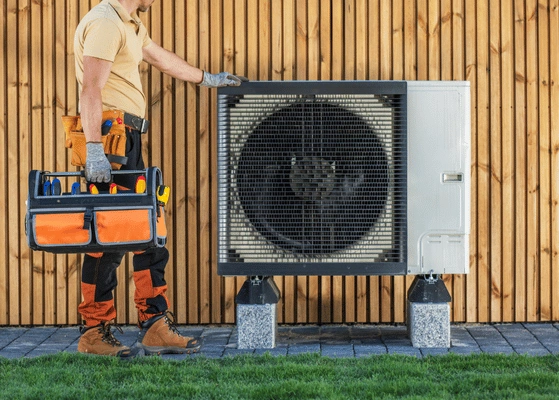
Heat pump technology is gaining significant traction across North America, supported by incentives and growing awareness of electrification benefits. Modern heat pumps efficiently transfer heat between indoors and outdoors, providing both heating and cooling from a single system while using less electricity than resistance heating.
Cold climate heat pumps, designed to operate efficiently in subzero temperatures, are opening new markets in northern states and Canada, replacing traditional fossil fuel-based heating systems. Their ability to reduce greenhouse gas emissions aligns with national goals such as the U.S. Biden administration’s climate agenda and Canada’s net-zero commitments.
Smart Controls and IoT Integration
Energy savings potential is compounded by automated controls and components that are part of the Internet of Things (IoT). These components capture real-time data for conditions like temperature, humidity, occupancy, and energy use. The various data points are synthesized to optimally operate the HVAC equipment for the current environment and data.
Automated functionalities including, smart thermostats, zone controls, demand response capabilities, and notifications or alerts for predictive maintenance can now be found with many new HVAC installations. The automated functionalities allow spaces to be controlled precisely while also providing opportunities for proactive management of the HVAC system to avoid energy waste while maintaining occupant comfort.
Utilities can also use a similar approach to mitigate grid stress while maintaining occupant comfort and satisfaction by adjusting usage periods during peak times based on smart grid installations that connect to HVAC systems.
Advanced Materials and Component Innovations
Outside electronics and controls, advancements in materials are also making HVAC systems more efficient. Advances in low-GWP refrigerants, enhanced heat exchanger design, and high-performance insulation help enable improved thermal transfer and lower leakage.
For instance, microchannel heat exchangers employ thin, light materials to enhance heat transfer performance while minimizing refrigerant charge and system size. Advanced surface treatment and coatings also hold back corrosion and preserve performance over increased service lives.
These component-level enhancements, along with system design optimization, allow manufacturers to achieve lower efficiency requirements like the U.S. Department of Energy's new minimum efficiency levels for HVAC equipment.
Barriers and Future Outlook
Despite the rapid advancements in technology, energy efficiency has yet to be fully realized given first cost concerns from certain building owners regarding renovation plans, especially in the residential retrofit markets. Furthermore, workforce training has a substantial influence on the uptake of technologies with mostly new systems and system complexities.
In addition to state and federal subsidies, the increases in energy prices, as well as consumer and corporate demand for green products, are expected to stimulate uptake. In addition, research & development will continue to create new technologies, and has corresponding spillover, specifically refrigerants for the next generation of HVAC technologies, AI-based controls, and integration to renewable energy.
For detailed forecasts, competitive insights, and technology roadmaps, explore our North America HVAC Market
Driving Sustainable Comfort Through Innovation
The HVAC sector of North America is being changed by energy efficiency technologies which help save long term operating cost and environmental impact while helping improve occupant comfort. The HVAC sector's shift from traditional energy-suffocating systems to adaptive systems presents a large opportunity for transformation to sustainable building practices. As manufacturers, contractors, policy makers and consumers adopt, the HVAC sector will have an ever-increasing role to play in support a low-carbon energy-smart future.











Share