How Sustainable Fabrics Are Shaping the Future of Apparel
Consumers nowadays are getting more concerned about the environmental impact of their decisions. Clothes manufacturing is one of the biggest contributors to excessive water consumption, chemical disposal, and carbon footprint. These factors made clothing companies resort to eco-friendly fabrics such as organic cotton, recycled polyester, and bamboo fibers. They do this not only to attract environmentally conscious customers but also to reduce their negative impact on the environment. Retailers are gradually reallocating their supply chain investments to reflect their recognition that sustainability and transparency are closely interconnected.
One can significantly reduce environmental harm by sourcing textiles from organically certified farms, engaging with suppliers who practice ethical labor standards, and using recycled materials that are derived from post-consumer waste, as examples. Furthermore, green branding has become a fashionable thing among companies in which they use marketing and e-commerce platforms to display their environmentally friendly initiatives and, at the same time, educate customers about the impact of their choices on the environment. This approach, in turn, makes the public aware and hence able to choose wisely, apart from it helping the formation of a solid relationship between the consumers and the brands focusing on the right practices.
Innovative Textiles Driving Change
Due to innovations in textile manufacturing, sustainable textiles have become more affordable and versatile than ever. Various labels are experimenting with fibers extracted from plants, algae, and even food waste. Furthermore, pineapple leaf fabrics, mushroom leather, and seaweed provide alternatives to the traditional animal-derived and synthetic materials. These creative concepts still have the same durability, texture, and style attributes, but with a significantly reduced environmental footprint.
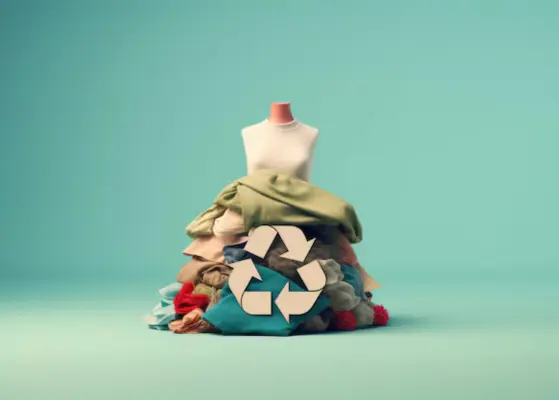
Furthermore, textile recycling is one of the biggest contributions to these innovations. With the assistance of machines that can disassemble used clothes into fibers, fashion labels today can produce new clothes without the need to source new raw materials. Furthermore, this closed-loop system not only reduces waste production but also helps to conserve natural resources. For instance, some fashion brands work with recycling technology companies to turn their unsold stock and consumer waste into new fabrics, thereby demonstrating that sustainable practices can also generate profits. As these technologies continue to develop, it is inevitable that the use of sustainable textiles will become standard practice in the fashion industry.
Benefits for Consumers and Brands
Sustainability in fashion involves so much more than just being good to the environment. For instance, garments crafted from organic or recycled fibers mostly have a higher softness and are gentler on the skin. Bamboo and Tencel, for instance, are natural breathable materials that not only help regulate body temperature but also enhance the comfort level when it is hot outside. Besides that, people today are willing to pay a little extra for clothes that not only promote their health but also aid in saving the planet and, at the same time, are long-lasting.
Due to this, switching to sustainable fabrics raises a brand's image and enhances customer relationships. Companies that openly communicate their green initiatives naturally earn more trust and have a loyal customer base. Both sustainability certifications and transparent, genuine publications are extremely effective marketing weapons in the highly competitive clothing industry. The combination of style, quality, and morals is a great way for retailers to access the continuously expanding eco-conscious consumer market. It is a trend that has led numerous brands to feature these fabrics as a core element of their products nowadays, thus demonstrating that being environmentally responsible is also one of the ways to make money.
Trends Shaping the Apparel Industry
Several main trends are driving a big change in the use of sustainable clothing materials. The garments, which are mass-produced, are starting to use recycled fabrics, and there is an increase in the use of organic cotton for casual and formal wear. Following the rise of ethical sourcing, plant-based and lab-grown materials are finding their way into fashion collections. Meanwhile, many brands are collaborating with tech companies to uncover new methods of fabric production that reduce water usage, chemical treatments, and the overall energy consumption during the manufacturing process.
Supply chain transparency has become a significant factor in differentiating products. Customers want to be informed about the raw material sourcing, the garment production process, and the environmental footprint of each step. Brands that are giving detailed sustainability reports, environmental audits, and certifications are increasingly gaining attention in the global market. These trends show that there is a major change from the traditional manufacturing methods to those that are more sustainable and responsible not only in the US and Europe but also in the Asia-Pacific region.
How Sustainability Influences Design
The idea of sustainability is affecting not only the selection of the materials but also the choices of the designs. Designers are paying attention to make garments that people would want to keep and wear for a long time. They are incorporating features that are modular or multi-use in their designs, which reduce the dependency of the customers on purchasing frequently. Customers are becoming more interested in minimalist designs created from fabrics that last, as they are more likely to buy quality rather than quantity.
Eco-friendly designs are now being highlighted on the catwalk and in digital advertising, demonstrating that sustainable fabrics can be both stylish and fashionable. Being environmentally friendly is a key selling point since retailers use the fabric's origin and manufacturing process as part of their marketing strategies. By doing this, the consumers are educated, their purchasing behavior changes to a more responsible way, and the brands just strengthen their ethical image.
Explore the Readymade Garments Market Report for insights on the adoption of sustainable fabrics in the apparel industry.
Sustainability Driving Fashion Transformation
The sustainable clothing segment has ceased to be just a tiny niche. They are becoming the entire idea of how clothes are conceptualized, manufactured, and retailed. Consumers, designers, and brands are all contributing to this transformation. A great deal of their focus centers on the use of materials that are sustainable, sourcing that is openly verifiable, and manufacturing that is done with responsibility towards the environment. Fashion is so much a part of lifestyle and nature that in the old days, style, comfort, and environmental responsibility seemingly always existed in harmony. Such shifts mean that fashion will become a long-term game in which sustainability and innovation are complementary rather than conflicting, drawing new consumers and brands.











Share