Procurement and Installation Dynamics Shaping the Fire-Resistant Glass Market
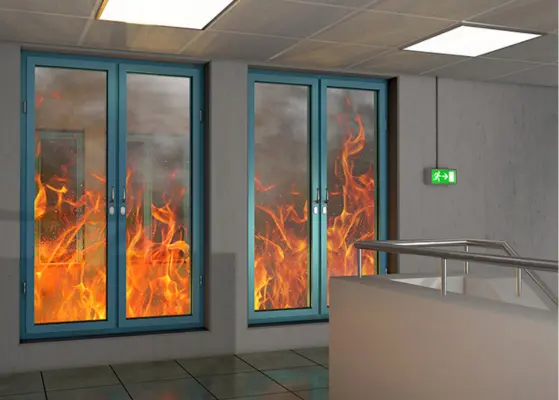
Fire-resistant glass procurement has become more complex than a simple price comparison. Developers, contractors, and consultants are concerned with total project risk instead of initial material cost. Fire-rated glazing remains at the core of compliance, safety, and long-term risk management, driving purchasing decisions that prioritize depth of certification, quality installation support, and overall lifecycle performance.
In response, companies are now repositioning their fire-resistant glass offerings as system solutions rather than commodities. For example, POLFLAM fire-resistant glass withstands 4,000 hours of UV exposure, as confirmed by independent tests, showcasing enhanced durability and broadening application potential in construction markets. Price clarity, installation support, and system support after installation are now being taken into account. Such trends are changing consumption patterns in commercial and institutional building projects.
Cost Structures Beyond the Glass Itself
The cost of fire-resistant glass extends well beyond the price of the glass panel itself, encompassing certification, installation requirements, system compatibility, and long-term compliance considerations.
Companies with standardized product systems are better equipped for cost predictability management. Assemblies that are pre-tested can minimize project-specific approval costs, further reducing engineering and inspection costs. Although these products seem more costly upfront, their effects can incrementally lower project expenses.
Procurement Priorities Shifting Toward Compliance Security
Procurement teams are under pressure to avoid compliance-related delays. Fire resistant glass that fails inspection can halt construction progress and trigger redesign costs. This risk has elevated compliance security as a top procurement priority.
Large-scale developers and public sector clients increasingly favor suppliers with proven certification histories. Products that have been used successfully in similar projects are often shortlisted. This creates an advantage for manufacturers with strong reference portfolios.
Procurement processes now include detailed reviews of certification documents, testing validity periods, and installation guidelines. Suppliers that simplify this process through digital documentation tools gain an edge in the competitive market. The ability to respond quickly to technical queries is also valued.
Installation Quality as a Cost Control Factor
The quality of the installation has also become critical in determining fire resistant glass quality. It means that even if fire resistant glasses are certified, they can fail simply because they may not be installed properly.
Manufacturers are thus investing in training the installation staff. This will ensure that the glazing systems installed work as tested. It will also eliminate the possibility of rework due to low performance.
In terms of costs, having a proper installation is crucial with regards to future costs and associated liabilities. Developers understand that having a good installation can save them costs in the future. Suppliers that actively support installation quality are seen as strategic partners.
Contractor Selection Influencing Supplier Choice
Contractors now play a central role in the procurement of fire-resistant glass, as familiarity with specific products often influences supplier selection. Suppliers that maintain strong relationships with glazing contractors are more likely to be repeatedly specified by clients.
Some of the suppliers are closely aligning with the desired contractor groups. They provide technology workshops as well as support services for projects in efforts aimed at fostering product standards.
Managing Lead Times and Supply Chain Reliability
Fire-resistant glass requires a longer procurement cycle because of the testing and processing involved. This may affect the project schedule for construction. The dependability of the supply chain has thus increasingly become an important procurement factor.
Companies that have local manufacturing sites or the ability to manage logistics efficiently are becoming the preferred choice. They can better adapt to changes in projects and also have lower risks in transportation. Suppliers are also stocking standard size material to fulfill urgent needs.
Procurement organizations for large-scale projects have started engaging suppliers earlier than before in the design stage. The involvement of suppliers earlier enables organizations to plan effectively, thereby avoiding issues of sourcing towards the end of the design stage. Such organizations tend to favor manufacturers who have strong project coordination abilities.
Lifecycle Cost Considerations Gaining Attention
Lifecycle cost analysis is becoming more common in fire resistant glass procurement. Building owners are considering durability, replacement cycles, and maintenance requirements. Products with longer service life and stable performance offer better long-term value.
Manufacturers are responding by providing lifecycle performance data and warranty extensions. These offerings appeal to asset owners focused on long-term operational efficiency. Fire resistant glass that maintains clarity and structural integrity over time reduces refurbishment costs.
For B2B buyers, lifecycle transparency supports more informed investment decisions. It also aligns with sustainability goals in regulated markets.
Procurement Challenges in Retrofit Projects
Retrofitting older buildings presents unique procurement challenges. Structural limitations and existing fire compartment layouts restrict product choices. Fire resistant glass used in retrofits must fit within tight tolerances while meeting current codes.
Manufacturers are developing thinner and more adaptable glazing solutions to address retrofit demand. These products reduce the need for structural modifications, which lowers project costs.
Digital Tools Influencing Procurement Efficiency
Digitalization is influencing how fire-resistant glass is procured. BIM-compatible product data, online certification libraries, and digital specification tools streamline decision-making. Suppliers that invest in digital resources improve visibility and ease of selection.
These tools also support coordination between architects, contractors, and inspectors. Clear digital documentation reduces miscommunication and approval delays.
For manufacturers, digital engagement strengthens early-stage influence. Being specified early often determines final procurement outcomes.
Access the Fire Resistant Glass (FRG) Market Report for insights on supplier pricing, installation models, and procurement trends.
Procurement-Led Market Outlook
Procurement and installation dynamics are redefining competition in the fire-resistant glass market. Compliance security, installation support, and lifecycle value are shaping buying decisions.
Manufacturers that align product offerings with procurement realities are expected to strengthen long-term relationships. Fire resistant glass is increasingly treated as a risk-managed investment rather than a construction expense. This shift will continue to influence market structure and supplier strategies.










Share