Home-based respiratory care innovations
Asthma, chronic obstructive pulmonary disease, and other lung diseases are chronic conditions that need constant monitoring and careful handling. In Europe, home respiratory care is changing fast with the introduction of new technology and creative ways of treating patients. Patients are now being given good care at home, fewer visits to hospitals, and enhanced quality of life. New innovations are facilitating easier monitoring of patient health, treatment management, and efficient responses to emergencies by caregivers and families.
Smart monitoring and digital health tools
Among the most important developments in home respiratory care is the merging of smart monitoring devices and digital health platforms. They enable real-time tracking of critical indicators like oxygen levels, respiratory rate, and lung function. Data from wearable devices or networked home equipment can be transmitted real-time to healthcare providers for timely intervention when necessary.
Intelligent inhalers are now on the rise. They monitor use and send reminders to patients to keep them on track with treatment regimens. Online platforms examine patterns and notify caregivers or physicians if something abnormal is found. Intelligent inhalers make patients active managers of their conditions while providing healthcare professionals with the insight necessary to avoid complications.
Secondly, predictive insights on some platforms are provided through the use of past data to detect warning signs of decline. This enables interventions before symptoms are severe, a function that can cut down on hospitalization immensely and enhance patient safety.
Portable and home-use respiratory devices
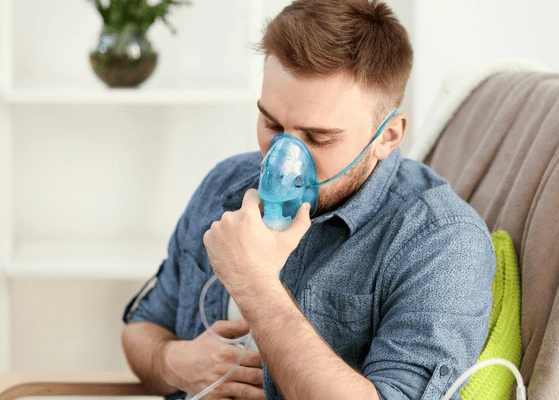
Respiratory home care is facilitated by numerous portable and easy-to-use medical equipment. Home use is facilitated for oxygen concentrators, nebulizers, and CPAP machines, enhancing patient comfort and mobility. Through the use of these machines, patients are able to go about their routine without interference while they undergo therapy.
Contemporary devices emphasize portability, efficiency, and convenience to patients. They are quieter, lighter, and more energy-efficient, which promotes regular use. Easy-to-follow instructions and uncomplicated use decrease the likelihood of error in treatment delivery. Portable devices also allow patients to travel safely or carry on therapy away from home. Such flexibility improves adherence to care plans and the quality of life.
Telemedicine and remote support
Telemedicine is revolutionizing home-based respiratory care by facilitating direct communication between healthcare providers and patients. Through video consultations, patients can be advised, treatments changed, and progress tracked from the comfort of their homes. This saves time, minimizes stress, and enables timely intervention for flare-ups or unexpected changes in health status.
When telemedicine is merged with digital monitoring, a holistic model of care ensues. Signals sent by intelligent devices enable physicians to take prompt action, modify medication, or suggest further testing when needed. Families are relieved to know that professional care is available on demand, and patients also feel safe while self-managing conditions. Telehealth further offers education, which enables patients and caregivers to receive training in the use of devices and techniques for symptom control.
Major advantages of home respiratory care innovations
- Ongoing monitoring of key respiratory metrics
- Better drug compliance
- Early complication and flare-up detection
- Increased patient autonomy and comfort
- Decreased hospitalization and healthcare expenditures
Enhancing patients' quality of life
Home-based respiratory care innovations are not only enhancing medical results but also quality of life. Patients feel more comfort and safety receiving treatment at home. Telemedicine, portable devices, and intelligent equipment alleviate fear and enable patients to easily control their condition.
Caregivers are aided by improved instruments to keep watch over and assist patients, with treatments being given safely and efficiently. Patients are kept independent while having professional supervision as a safety net. Autonomy combined with supervision results in increased adherence to therapy, enhanced wellbeing, and a more favorable patient experience.
Patients are able to participate more actively in daily life, continue social interactions, and enjoy hobbies while being treated. Fewer hospital visits also reduce stress for both patients and family members. Home respiratory care innovations enable longer-term control of chronic lung disease as more sustainable and less disruptive to daily life.
For full insights into product innovation, adoption trends, and growth opportunities, explore our Europe Home Care Market
Transforming home respiratory care
The fast pace of innovation and technology is redefining home-based respiratory care in Europe. Intelligent monitoring, portable medical devices, and telemedicine are rendering patient care safer, more convenient, and more efficient. Families and caregivers are able to offer patients consistent care while they stay comfortable at home.
As adoption increases, these innovations will become routine in respiratory treatment protocols. They enable patients, enhance adherence to treatment, and minimize healthcare expenses. Home care is becoming more accepted as an essential element of chronic respiratory management, integrating technology, professional care, and patient-oriented care. Adopting these developments, European homes are making it safer, healthier, and more supportive living for patients with respiratory disease, enhancing both quality and outcomes of life.











Share