Lighting Design in Luxury Hospitality Projects in the UAE
The UAE is making strong efforts to position itself as a global luxury tourism and business destination and the hospitality sector imperatively is growing at an unparalleled rate. In light of this growth, lighting design is now associated with luxury hospitality architecture - ultra-premium resorts in Ras Al Khaimah and iconic urban hotels in Dubai and Abu Dhabi. In this context, lighting plays a critical role.
Lighting is used as an immersive design strategy that is purposely designed to modify mood; orient movement, highlight materials and demonstrate brand distinction. Developers and hotel operators see themselves investing further into complete lighting solutions that intertwine (bespoke) aesthetics, technology & sustainability for the luxury traveler today.
Creating Ambiance and Emotional Impact Through Lighting
Lighting is employed to define the guest experience at every step through the luxury hotel and resort stay, from initial arrival experience, through to eventual departure. Lighting and lighting scenes, modulates a warm and welcoming mood at entrances and lobbies, to lighting scenes in guest room comfort, relaxation and productivity preferences based upon time of day.
Accent lighting tends to be applied in an attempt to emphasize a texture, like marble, wood, or water features, mirroring the tactile intricacy of the interior materials of the hotel. On the other hand, indirect lighting utilized in a spa or lounge area, scatters light into an atmosphere that invites relaxation and promotes wellness experience for visitors.
Thoughtful lighting design enhances emotional storytelling and enables properties to meet certain themes whether minimalist, Arabian heritage, futuristic, or nature-themed using light as a narrative tool that heightens luxury.
Integrating Lighting with Brand Identity and Architecture
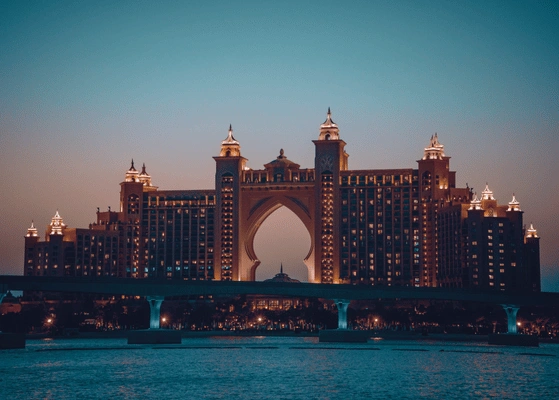
Lighting also doubles as a signature element for some of the UAE's most well-known hotels. The Burj Al Arab's night-time glow, or the softly lit dune side resorts in Al Ain, are just two examples of how lighting can become a part of the brand extension.
Hospitality lighting is usually created in conjunction with architectural and interior design groups to integrate well with form, texture, and spatial layout. Ceiling coves, recessed wall lights, pendant fixtures, and exterior landscape lighting are all precision-calibrated to enhance the visual identity of every hotel.
This type of attention allows luxury hotels to establish distinctive visual impressions, fueling loyalty and positive word-of-mouth in a tourism economy dependent on experience.
Smart Lighting and Personalization in Guest Rooms
Travelers today expect to be served even in lighting. Smart room systems, found in many of the UAE's latest hospitality developments, enable guests to control lighting using tablets, wall panels, or voice instructions.
These systems can also be combined with room occupancy sensors to provide energy-saving modes when guests depart and revert to the preferred lighting scene on return. The lighting may be coordinated with curtains, climate control, and media systems to achieve dynamic, mood-driven spaces.
Some premium properties offer circadian lighting, which adjusts color temperature throughout the day to support guest wellbeing, cool white light in the morning, and warm amber tones in the evening to support relaxation and better sleep. These features elevate the luxury offering while aligning with wellness trends in the global hospitality market.
Sustainable Lighting for Green Hospitality Certification
In alignment with broader ESG objectives and global tourism standards, many luxury hotels in the UAE are now investing in energy-efficient lighting and sustainable practices. LEED, Estidama, and Green Globe certifications have requirements for energy-efficient light fixtures, sensors, and daylight optimization in public areas and guest rooms. When owners invest in local hotel development and build hotels today, it is common for their designs to contain mostly LED materials.
Sometimes it is newer lighting technologies with smart lighting control systems that add to automated reduction of energy, but some of the fixtures and materials used are from older technology. Making changes to the exterior lighting of pools, gardens, and different façades to reduce wasted energy and other resource consumption, and to comply with applicable laws regarding light pollution, is also a gradation of environmentally responsible designs.
For deeper insights into trends, innovation, and market size, read our UAE Lighting Market
Lighting as a Competitive Differentiator in Hospitality
Lighting has evolved into a powerful competitive tool for luxury hotels in the UAE. By combining visual impact, smart technology, and energy efficiency, lighting design directly influences guest satisfaction, operational performance, and brand positioning.
In a market where differentiation is key and every detail counts, lighting is helping property’s express identity, enhance comfort, and support sustainability goals. For lighting designers, manufacturers, and developers, the hospitality sector offers continued growth opportunities, especially for those who can deliver elegant, efficient, and intelligent lighting solutions tailored for a luxury audience.











Share