How Fertilizer Subsidy Policies Are Reshaping India's Agricultural Landscape?
Indian agriculture has long been impacted, not only by soil and monsoon but also by the design of government subsidies. Fertilizer subsidies, in particular, have been crucial to allowing farmers to get inputs at affordable prices. For decades, they have kept the cost of key fertilizers like urea and DAP low, while balancing food security concerns.
Government Programs Being Major Growth Catalysts
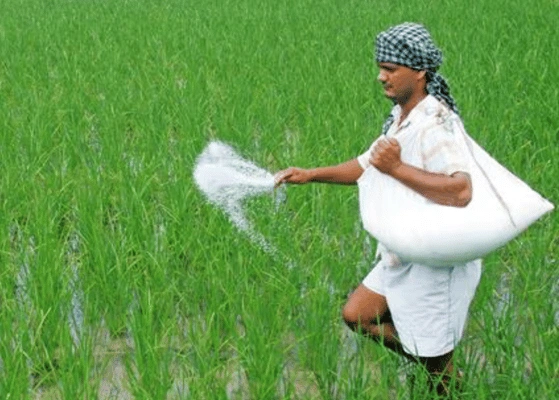
India's fertilizer subsidy program is among the biggest in the world, with annual allocations totaling billions of dollars. For the farmers, the subsidy has meant lower inputs and greater immunity from volatile global prices. For example, even during the sharp run-ups in global urea and potash prices in recent years, domestic farmers were able to buy these commodities at regulated prices.
While subsidies have favored farm revenues by making them stable, they have also created imbalances. Overutilization of subsidized urea has led to soil degradation in north India's plains. Similarly, application of only some chemical fertilizers has weakened balanced nutrient management.
Digitization Is Transforming Subsidy Delivery
One of the most dramatic changes in recent times is the digitalization of disbursals of fertilizer subsidies. The Direct Benefit Transfer (DBT) system has revolutionized the mechanism of subsidy flow. Payments are no longer made upfront to fertilizer companies, but rather on actual sales confirmed at retail points.
This has enhanced transparency, minimized leakages, and enhanced accountability. For agri-input distributors, it also implies quicker synchronization between demand creation and subsidy payment. Through the implementation of Aadhaar-linked farmer databases, the government is getting more nuanced information on consumption behavior, which will further influence policy design in the years ahead.
Policy Reforms Encourage Balanced Nutrient Use
Another area of reform is the push for balanced use of fertilizers. While urea remains massively subsidized, efforts are being made by the government through schemes to promote micronutrients, biofertilizers, and blended fertilizers. Initiatives such as the Soil Health Card scheme induce farmers to apply nutrient-dependent on soil health.
This has created opportunities for business houses manufacturing specialty fertilizers. Zinc-enriched urea and NPK-based fortified blends, for instance, are in greater demand, particularly in Gujarat and Maharashtra where adoption levels are increasing. A historic shift with the increased use of nano fertilizers in the subsidy system is also taking place.
Implications for Fertilizer Companies
For the fertilizer industry, subsidy policies have direct implications on pricing, margins, and product offerings. Incumbents with established distribution channels enjoy support from the government but also suffer when delays in payment of subsidies impact liquidity.
Simultaneously, evolving market trends are opening doors for innovation. Businesses investing in nano inputs, biofertilizers, and fortified mixtures will benefit as the subsidy net gets extended beyond urea. Alliances between Indian producers and global providers of technology are also on the rise to introduce leading fertilizer technologies into the mainstream market.
Challenges Ahead for Policymakers
While the reforms are being implemented, policymakers find it difficult to balance the restrictions and opportunities. Subsidies, on the one hand, are still politically delicate, connected with food security and rural livelihoods. On the other hand, fiscal constraints and environmental issues call for more rational policymaking.
For a complete outlook on fertilizer demand, pricing shifts, and market opportunities, explore our India Fertilizer Market
Subsidy Policies Will Continue to Shape Market Dynamics
Fertilizer subsidies are not merely budgetary tools, they are policy instruments that set the tone for Indian agriculture. As digitization tightens the delivery mechanism and reforms expand the subsidy canopy, the sector is shifting towards a more equitable and innovative input mix.
For agri-tech startups, traders, and fertilizer firms, it is a moment of reckoning. Following the priorities of the government will not only assist in tapping the subsidy-led demand but also make them allies in India's overall transition towards sustainable agriculture.
Over the next ten years, the future of India's farm transformation will depend significantly on the trajectory of subsidies, whether to continue being a safety net for marginal farmers or as a strategic instrument to catalyze innovation and sustainability in the overall ecosystem.











Share