Online vs Offline IT Certification Courses: What Learners Prefer in India
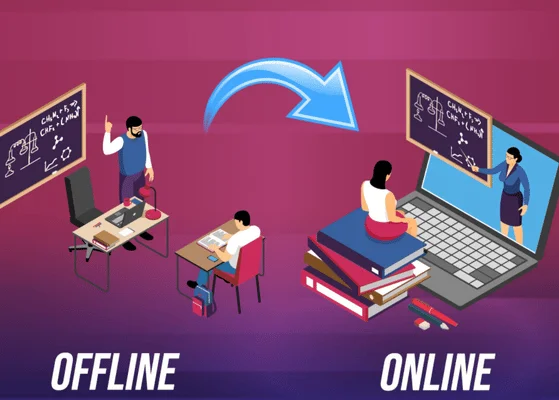
With both professionals and students investing in certification courses to improve their skills, the Indian IT training ecosystem is growing quickly. However, a crucial choice frequently gets in the way: should you take an offline, in-person course or an online one? By 2025, there is no longer a one-size-fits-all approach because learner preferences are changing. Depending on your learning style, goals, and schedule, each format has special benefits.
In this blog, we break down the major differences and assist you in selecting the mode that best suits your needs for tech training in the rapidly changing Indian market of today.
Why Online IT Certification Courses Are Gaining Momentum
The main attraction of online courses is their flexibility. Since Indian working professionals frequently find it difficult to strike a balance between skill development and job demands, on-demand and self-paced formats are more alluring. Cloud, AI, cybersecurity, and data science certifications from leading universities and businesses are available on platforms like Coursera, Udemy, and upGrad.
One major benefit is being able to learn from any location, connect with instructors around the world, and finish assignments at your own speed. To increase participation, a lot of online courses now incorporate peer projects and live mentoring sessions, simulating classroom instruction without the commute.
For organized, experiential learning, offline courses are still valuable
In India, offline IT certification programs are still relevant despite the shift to digital. Students seeking individualized instruction and a distraction-free environment are still drawn to institutions like NIIT, Jetking, and Aptech.
Real-time doubt resolution, group discussions, and direct networking with peers and trainers are all made possible by in-person training. The practical labs and in-class resources provided by offline setups can be crucial for success for students who are new to IT or who are learning hardware and networking techniques. Additionally, because of their superior infrastructure and on-site trainers, Tier II and Tier III cities frequently prefer this format.
What Indian Learners Are Prioritizing in 2026
Hybrid learning, which combines online instruction with in-person project assistance or mentoring, is becoming increasingly popular. Learner feedback indicates that cost, placement assistance, accreditation, and exposure to real-world projects are important factors that affect course preference.
For skills like full-stack development, artificial intelligence, and data analytics, younger students and recent graduates are more likely to enroll in instructor-led online bootcamps. In the meantime, working professionals look for industry-certified targeted micro-courses, particularly in online formats for quicker completion, from companies like AWS, Microsoft, or Google Cloud.
Cost Comparison: Offline Provides More Structure, but Online Is Cheaper
Depending on the brand's reputation and the depth of the content, online certification programs can cost anywhere from ₹2,000 to ₹50,000. Additionally, they provide free trial periods, subscription models, and EMI options.
Offline training can be more expensive, up to ₹60,000 at times, but it comes with facilities, printed materials, one-on-one coaching, and occasionally help finding a job. The higher cost might make sense to those who value routine, structure, and practical tools.
Which Is Better for Career Growth in the Indian IT Sector?
As long as the skills you have learned are applicable to your experience and acknowledged by the certificate, both formats can benefit your resume. These days, recruiters are more interested in your abilities than in the format you chose to learn in. The ability to use Python in the workplace is more important than whether you learned it from a YouTube video or earned your CompTIA certification in a classroom.
This does not imply that online education is less beneficial. Online is more responsive to technological advancements. There is a lot more help available offline for interview preparation and perhaps career guidance. Decide which training style you prefer and what your immediate career goals are.
Would you like to know more about trends in certification? Check out our India IT Training Market
Choose the format that works best for you
The online vs. offline debate has no clear winner. Your goals, motivation level, budget, and schedule all influence the best decision. While offline classes excel in individualized support and practice-heavy learning, online courses are excellent for flexibility and breadth. What will really make you stand out in India's competitive and varied IT market is your willingness to continuously improve your abilities, regardless of format.











Share