A recent survey by Expert Market Research reveals key consumer priorities on food labels. The top concern for most respondents is the expiry date of the product. These trends highlight rising demand for transparency, health awareness, and the influence of social media on healthy lifestyles.
Today, when convenience shapes our food choices, knowing what consumers look for on packaged food labels becomes important for both manufacturers and retailers. A recent survey by Expert Market Research highlights the points about which information on food labels is most important to consumers.
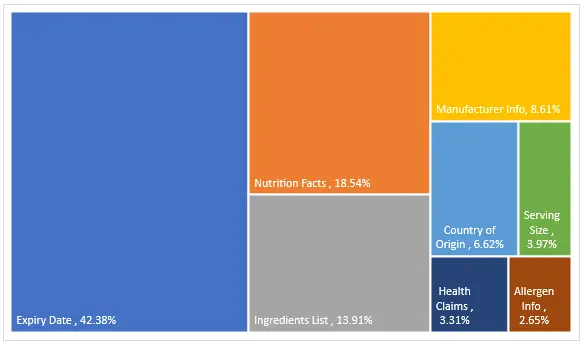
What Consumer Look For The Most On Labels
The greatest concern to most consumers is to be assured of the freshness and safety of the product. 42.38% of the respondents check first for the expiry date. As having an expiry food product may cause health-related issues to an individual. Nutritional facts are important to 18.54% of respondents and the checking of this information comes in first as consumers are increasingly becoming aware of health concerns. With dietary restrictions such as allergies or intolerances, these people are probably part of the 13.91% who first look at the ingredients list. The need for transparency in food production comes with the increasing demand from customers to know what exactly they are putting into their bodies. 8.61% of consumers look for manufacturer’s information. Country of origin is the first thing to look for by 6.62% of consumers. The rise of movements such as "buy local" and concerns about carbon footprints have fuelled this behavior. For around 4%, serving size is the key. This information in important for those watching their calorie intake to make an informed choice on how much they are consuming and their portion sizes. Health claims and allergen information are also looked at by the rest 2.65% of the consumers.

Labels for Nutrition Information
These days consumers are getting more aware of their eating habits by knowing what they eat and how it impacts their health, a trend that is very common among the health-conscious and more so those targeted patient groups on nutrition-related diseases like diabetes and hypertension. Brand trust also plays a major role, which means the consumers develop loyalty toward the brand based on experience or perception regarding the manufacturer's reputation for quality and safety.
Our study delves into how there is a growing influence of transparency-related decision-making desires. It also focuses on the increased awareness about health and wellness, increased access to nutritional information, and the influence of social media promoting healthy lifestyles. With this knowledge, manufacturers and retailers can be assured of the satisfaction of their customer's needs and will end up building a trusting and loyal relationship with the brand.










Share