Government Programs Encouraging Animal Vaccination in Latin America
Across the Latin America region, the governments are focusing more and more on the health of animals and the prevention of diseases. Since the production of livestock is a significant part of the regional economy, the impact of infectious diseases may become very costly for the farmers and rural communities. In order to limit these risks, governments are creating vaccine programs that will shield cattle, poultry, and pigs from both common and newly arisen diseases. The main objectives of these campaigns are to facilitate immunization access, offer more veterinary support, and enhance disease monitoring. Consequently, a great number of farmers have already started to embrace the implementation of preventive measures in animal health.
The rural communities depend on livestock as a major source of income and food security. However, when diseases rapidly spread, economic and social consequences will certainly follow. The engagement of the government in such situations is very helpful in lessening these losses as well as in making sure that the supply of meat, milk, eggs, and other animal products remains stable.
Expanding Public Veterinary Services
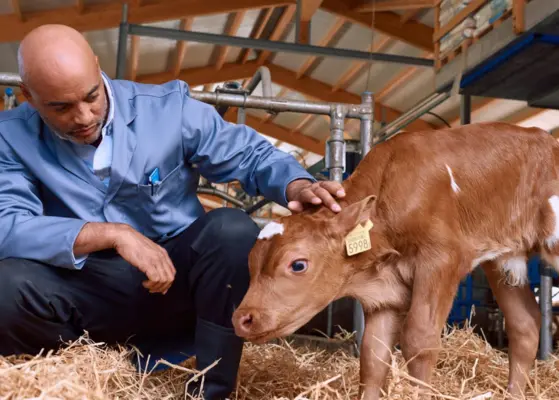
Numerous Latin American nations are presently enhancing their spending on public veterinary services. The intention is to bring veterinary assistance not only to urban areas but also to distant agricultural regions. To aid farmers who are not able to undertake a long journey to get medical support, there are also plans for mobile veterinary units. With these units, qualified personnel can vaccinate animals, perform health consultations, and monitor disease right on the farms.
Besides that, local veterinary clinics are recruiting more workers to be in charge of the execution of the immunization campaigns as well as the training of farmers about animal health. In different parts of the country, administrations team up with universities and research institutes to provide veterinary students with the necessary know-how to specialize in livestock care. Upgraded veterinary services contribute to creating a good relationship between veterinarians and farmers which is the main reason why regular vaccine use is ensured.
Policy Measures and Compliance Requirements
The administrations are implementing tighter rules regarding animal health in order to encourage people to vaccinate their pets more responsibly. In a number of Latin American countries, measures have been taken to establish compulsory vaccination programs for diseases like foot and mouth and avian influenza that pose a significant risk. These regulations are the main guarantors that farms will be part of immunization plans at the time of virus spread or season-based dangers.
Beside compulsory vaccination programs, there are a set of rules that refer to the handling and transport of livestock. This is done in order to prevent the places where carried diseases could be spread geographically by infected animals. Many governments have preparatory classes meant to educate farmers on vaccination timetables and correct care-provision at home. Regulations created by the public sector serve as a powerful tool in elevating the level of knowledge amongst citizens thus enabling them to be more diligent checkers of the situation and quicker responders when the disease is detected.
Awareness Programs and Incentive Plans
One of the most effective ways to get more people involved in vaccination is through awareness programs that are being put into motion in large numbers by various administrations in the countryside of the different districts. These initiatives speak about the advantages of immunization, early disease detection, and veterinary checkups as well. Along with that, they try to break down barriers as far as wrong ideas are concerned which later on keep farmers from vaccinating their animals. The main components of awareness campaigns may be radio emissions, community seminars, and publishing educational materials.
Building Partnerships with the Private Sector
In addition, an administration is not alone in shouldering the burden and achieving the set goals of animal health and disease prevention. Governments try to create relations with private veterinary firms and agricultural associations. Injecting capital for acquiring high-quality vaccines and extending the outlets are some of the benefits of these collaborations. While in some places, the private sector arranges farmer training and helps vaccine storage management that needs controlled temperatures.
Explore the full report for detailed insights on vaccination adoption and government support shaping livestock health in Latin America
Looking Ahead to a Healthier Future for Farmers
An active role of the government is one of the main powers that bring about significant changes in animal vaccination practices in Latin America. Farmers now can enjoy the merits of these programs as they get more support, than ever before, with better veterinary services, stricter regulations, financial incentives, and increasing partnerships. Apart from making the livestock more protected, these programs are also contributing to the stabilization of farm incomes and food security strengthening, which is beneficial to the whole region. Further investments in disease surveillance, education, and vaccine accessibility will not only improve livestock health but also will make farming in Latin America more environmentally friendly and viable in the long run.











Share