Preventing Livestock Diseases in Latin America
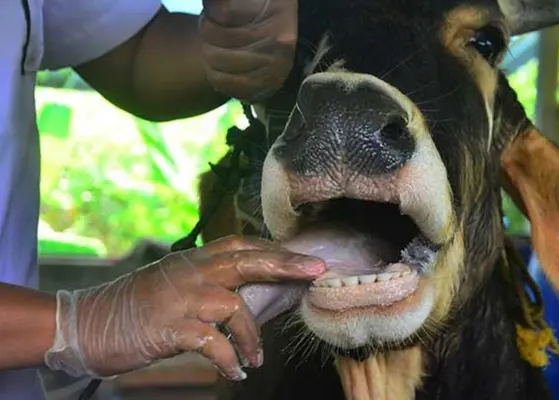
Livestock farming in Latin America is a very challenging area. As a result, animals are highly exposed to diseases which could lead to loss of productivity and the quality of the meat, milk, and eggs could also be affected. The farmers must have the knowledge of the most frequent diseases that are the causes of cattle, poultry, and pigs deaths in the region. Knowing these diseases is the first step in the prevention of the occurrence of the outbreak and also in the promotion of the welfare of the animals. The infections of the feet such as foot-and-mouth, avian influenza, and swine fever are some diseases that can be transmitted very rapidly if not given proper attention. Besides, farmers must be concerned about environmental factors such as moisture, temperature, and sanitation that could contribute to the spread of the disease. Familiarity with these threats will enable farmers to make informed decisions regarding animal care.
Vaccination as a Key Strategy
Among all the measures taken to protect livestock, vaccination is the most powerful one. Proper utilization of vaccines can avert contamination and thus enhance the overall immunity of the herd. The farmers need to strictly follow the vaccination timetable advised by the veterinarians and also, they should ensure that vaccines are given and kept in the correct way. Latin America is gradually becoming a better market for modern vaccines, including recombinant vaccines, and DNA vaccines. These vaccines offer more steroid and longer retention of immunity against various infections. Besides, vaccination lessens the demand for antibiotics, thus enabling animal health to be preserved alongside the implementation of sustainable farming practices.
Biosecurity Measures for Farms
In order to be able to keep away from the germs that cause certain problems and to be able to maintain strong biosecurity, there are a few important preventive measures. A lot can be done if these simple measures are taken into consideration. Farmers can:
- Manage farm entry to lessen the interaction with animals from outside
- Control farm access to reduce contact with outside animals
- Disinfect equipment and vehicles regularly
- Isolate new or sick animals to prevent transmission
- Train farm staff on hygiene and handling practices
These steps that the farm takes lessen the chance of virus outbreaks. Moreover, regular implementation of biosecurity practices acts as protection both to the farm animals and the workers. In addition to that, they are good for farm productivity in the long run.
Nutrition and Herd Management
One of the best ways of keeping animals is making sure they are fed properly and are well cared for. Animals should be given the correct ration of food, clean water, and good housing to be healthy. The presence of a vet will let the farmer be able to find the problem in its early stages. Giving animals medicine against worms and other parasites and also making sure that they are vitamin-rich is a few of the many ways through which their immunity is built. Besides, farmers can keep an eye on the reproductive cycles and can also manage herd density so that stress and disease will not find their way. Good feeding combined with vaccination and biosecurity will provide a solid defense against livestock diseases and at the same time will guarantee better productivity.
Technology and Disease Monitoring
Digitally operated things are becoming more and more necessary when dealing with animal husbandry. By the use of mobile apps, sensors, and monitoring systems, farmers are able to keep track of the health condition of their animals and even spot any signs of disease at an early stage. They get notifications of changes in the behavior of animals, temperature, or even consumption of food. Early detection gives a chance to halt the disease spread and reduce losses. There are a few tools that also make vaccination schedules, livestock health records, and farm biosecurity compliance easier to track. Tech investment leads to quicker work, less risk of disease, and long-term farm sustainability.
Read the full report to understand more about veterinary solutions and disease prevention strategies in Latin America
Protecting Animals for a Stronger Future
Animal health is becoming a challenge for farmers in Latin America to overcome easily. Using vaccination, biosecurity, good nutrition, and technology they can keep their herds healthy and make sure that no outbreaks occur. Knowing about the diseases that commonly affect farm animals and taking the right precautions is a great way of preventing losses and increasing production. This works not only as a protection for the animals but also as a profitability enhancer of the farms, which in turn results in sustainable livestock farming being possible across the whole region. Spending money on the health of the animals now is a guarantee of strong and healthy herds in the future.











Share