Pellets and Mash Feed Are Being Compared More Closely by Livestock Producers
Livestock producers in India and other high-growth markets are exploring the influence of feed formats on animal performance and profitability. Pellets and mash feed are the most commonly used feed formats, and the discussion of which is better is returning to the forefront of debates, particularly in poultry and cattle operations.
With profit margin pressure rising in both poultry and dairy sectors, feed is no longer just a procurement issue, it is becoming a strategic lever. The right choice, hence, hinges on livestock type, farm size, ingredient costs, and performance goals.
Pellet Feed Offers Higher Efficiency but Needs Processing Infrastructure
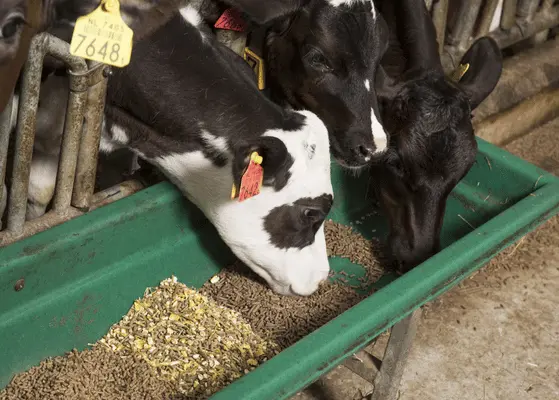
Pellet feed offers higher efficiency but requires proper processing infrastructure. It is produced by compressing raw feed with heat and moisture to achieve a uniform shape and enhanced density, which reduces feed wastage, particularly in automated feeding systems. Farmers who use pelletized feed often report improved feed conversion ratios (FCR), faster growth rates in their broilers, and reduced selective eating by the animals, leading to more consistent and efficient nutrition.
Pelleted feed requires equipment like pellet mills, conditioners, coolers and creates a higher setup cost for small farms. Moreover, although pellets have processing benefits, they have to maintain quality control to avoid nutrient degradation (due to high temperature).
Mash Feed Is Simpler and Cost Effective but Less Consistent
Mash feed is simply a blend of ground ingredients such as maize, soya, and additives. It is easy to produce, store, and transport, making it a preferred choice for many small and mid-sized farms. Its lower production cost, the absence of a need for pelleting machinery, and the ability to customize formulations based on locally available raw materials make mash feed an attractive and practical option for these farmers.
However, animals often sort mash feed which can cause inconsistent consumption and growth rate, and if stored incorrectly, mash feed is more susceptible to spoilage during humid conditions.
The Choice Depends on Species and Feeding Goals
In commercial poultry (particularly broilers), pellets are usually preferred to mash feed due to better intake and digestibility. Layer farms can manage with mash, as feed efficiency matters less there.
For cattle, mash is still predominantly used, but pelleted total mixed rations (TMR) have been gaining popularity in larger dairy operations.
In aquaculture, pellet feed is mandatory due to water stability and floating properties.
For trends in feed format preferences and pricing forecasts, explore the Animal Feed Market Size, Share & Growth Analysis
Pellets and Mash Will Likely Coexist Based on Farm Size and Investment Level
While large commercial farms lean toward pellets for scale, automation, and yield, smaller and mid-size units prefer mash feed for flexibility and low cost. As the industry shifts towards gut health-focused additives and traceable nutrition, both formats are expected to adapt with the evolving trends.
Blended systems or regional hybrid models are expected to emerge in the coming years. As feed processors expand into value-added products, the focus is shifting toward formulation consistency, gut health additives, and localised supply chains, regardless of the format.










Share