Agave Farming Innovations Shaping the Future of Tequila Production in Mexico
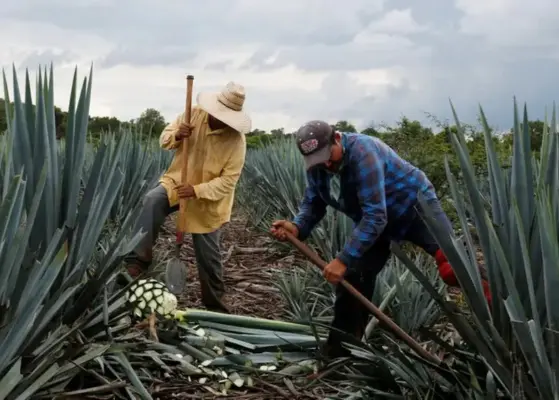
Tequila production has received a lot of attention across the world, but the whole industry has continued to be tied to the lengthy, fragile cycle of growth in blue agave. Farmers have to wait several years before the plant is ripe enough to harvest, and that slow cycle can't keep up when demand surges worldwide. To support future production, growers and distillers are embracing new farming solutions to be more efficient in their processes while ensuring protection of the environment. These innovations are helping industry respond to international interest, strengthening long-term availability. Because of that, big producers and small farmers alike are looking at new ideas that sustain the fields where tequila begins.
Technology is changing the way Agave is cultivated
Technology is becoming a core part of modern agave farming. Tools like soil sensors help farmers understand the level of moisture in the ground to cut down on superfluous irrigation. This aids water conservation and supports healthier growth cycles. Drone mapping scans large agave fields for weak plants or any early signs of disease. This reduces the risk of large-scale crop loss and maintains consistent harvest plans for distillers.
Producers are also testing artificial intelligence models that analyze trends in soil nutrition and predict agricultural risks. These tools offer guidance on fertilizer usage, planting density, and the best time for harvesting. The combination of sensors, drones, and analytics gives growers better control over their production. It also reduces the uncertainty that comes with long growth cycles. As more and more farms begin to adopt technology-based solutions, agave cultivation becomes increasingly consistent and predictable for the tequila supply chain.
Sustainable Farming Practices Are Strengthening Agave Fields
At the heart of most decisions today in agave farming lies sustainability. Soil depletion, weather stress, and erosion can shorten the life span of agave fields. In trying to avoid long-term damage, growers are turning to natural and restorative methods. On some farms, organic fertilizers substitute for chemical inputs, as they are believed to keep the soil healthier over successive harvest cycles.
Crop rotation is also gaining attention. Where most fields are dominated by agave for many years, the rotation of small sections with other plants can refresh soil nutrients. Farmers are planting natural barriers, too, to prevent erosion along slopes and to protect younger agave plants during heavy rain.
Another important change is the adoption of staggered planting schedules. Instead of planting large fields at the same time, some producers now plant in smaller sections throughout the year. This helps maintain a more balanced supply and reduces dependency on a single harvest period. Such sustainable practices protect not only the land but also the future production capacity of tequila.
Farmers and distillers are forging closer bonds
Long-term agave stability increasingly depends on collaboration. Distillers negotiate deals with farmers to ensure more predictable supplies while, at the same time, providing more predictable income for growers. These long-term contracts allow farmers to budget for rising costs and better strategize for crops in the coming years.
Some distillers also invest directly in training programs for farmers, sharing modern farming knowledge on such aspects as soil health, irrigation efficiency, and pest control. In improving the skills and resources at a field level, the distiller helps to maintain the high-quality tequila production required.
Partnerships also provide incentives to adopt shared technology, such as drone services or soil testing labs. When growers and producers collaborate, both sides benefit from stronger harvest cycles and reduced risks of shortages.
Improved management of pests and diseases is safeguarding Agave plants
The agave field is constantly under attack by pests and fungal diseases that can quickly spread into epidemics, reducing plant quality. With improved monitoring for early signs of trouble, farmers can take quick action. Wider plant spacing, cleaner field management, and more orderly pruning improve air circulation to prevent the spread of disease.
New treatments involving biological agents are also being developed. Instead of chemical pesticides, these methods utilize natural organisms. This offers environmental benefits and preserves the soil from long-term damage. Healthier fields mean producers can maintain standards for better quality and reduce the risk of supply disruption.
Get deeper insights into tequila production trends, distillery strategies, and agave supply dynamics in the Mexico Tequila Market
The future of tequila relies completely on the continued evolution of agave farming. Technology, sustainability, field partnerships, and better water practices are creating stronger growing conditions across Mexico. Such improvements are helping farmers protect their lands while supporting distillers in response to global demand. With ongoing innovation, the tequila industry is positioned for steady growth supported by healthier and more resilient fields of agave.











Share