Environmental Responsibility in Tequila Production
Tequila production has deep roots in Mexican culture, but with the growth of this industry comes new concerns on an environmental level. Producers are now looking to sustainability to protect this land and resources that make tequila possible, while increased global demand is on the rise. Environmental responsibility within farming and distillation practices is at the fore. Such commitment helps safeguard the agave fields, reduce waste, and allow for long-term production stability. Many distilleries are introducing innovative ways that will balance tradition against modern goals of sustainability.
Sustainable Agave Farming Becomes Increasingly Important
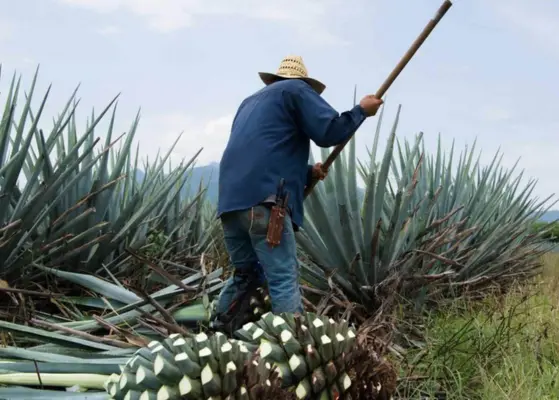
Agave cultivation is the first step in tequila production; thus, it's on the field level that sustainability should start. More and more attention is given to soil health by farmers, as healthy soil supports stronger growth of agave. Natural fertilization methods are increasingly used because they help maintain the structure of the soil over long periods.
Many growers are planting natural barriers and covering crops to prevent erosion. These barriers protect young agave plants from strong rainfall and help conserve moisture during dry seasons. Some farms have adopted a system of staggered planting schedules. This approach spreads out the harvest cycle and reduces pressure on the land, helping to maintain a steady supply of mature agave without stressing the environment.
Other areas of focus are on the biodiversity of agave. Some producers are planting different types of agave in small quantities to support genetic diversity. This reduces vulnerability to pests and disease and helps maintain healthier fields over many years.
Reducing Waste Through Cleaner Production Practices
Modern distilleries are putting more emphasis on waste reduction and efficiency in general. Traditional production methods often involved the generation of waste materials that needed to be managed with care. Producers are now trying to convert waste into useful byproducts whenever possible.
Some companies are able to recycle agave fibers after they have been cooked and shredded. These can be used to make compost or eco-friendly building materials. Other distilleries may be experimenting with methods to recover energy; these could potentially use leftover agave materials as fuel.
Cleaner distillation systems help reduce the environmental impact of tequila. Newer equipment designs improve energy use and limit emissions. Water treatment systems allow distilleries to clean and reuse water during production. Such changes are making tequila production more responsible and protecting neighboring communities from pollution.
Energy Efficiency and Renewable Alternatives
Energy consumption is among the greatest environmental concerns within tequila production. Many distilleries run ovens, fermentation areas, and bottling facilities with natural gas or other fuels. As sustainability rises in priority, producers are trying out renewable options to reduce long-term impact.
Some distilleries are installing solar panels to supply a portion of their daily energy needs. Solar energy is particularly effective for agave growing regions that receive strong sunlight most of the year. Modern lighting and automated systems help reduce electricity usage.
A few producers have adopted high-efficiency ovens that require less fuel. These ovens help maintain traditional cooking methods while lowering emissions. Over time, renewable energy and efficient equipment can reduce the total energy footprint of tequila production significantly.
Smarter Irrigation for Water Preservation
Water is the lifeblood for farming and distillation of agave. Makers have implemented new practices to care for this resource. Many farms are replacing older irrigation systems with drip irrigation. This method delivers water directly to the roots, reducing waste, and allowing the soil to retain moisture.
Water treatment facilities are being built by distilleries to clean the wastewater before releasing it or reusing it. Some producers are also collecting rainwater during the wet season and storing it for use over the year. This reduces pressures on local water sources and supports long-term production needs.
With better water management, producers can keep agave fields healthy and curtail the environmental impact of distillation.
Industry Collaboration Is Strengthening Sustainability Efforts
Sustainability necessitates coordination along the entire value chain. Distilleries, farmers, and local organizations are now in much closer collaboration. These partnerships help develop shared standards for soil health, waste management, and worker wellbeing.
Knowledge sharing is increasingly being practiced today. Seasoned farmers teach younger growers to do responsible planting and harvesting. Distilleries invest in community programs that support environmental education and sustainable farming.
To make sense of what's happening across the industry, following are some of the most common focus areas in sustainability today:
- Soil conservation through natural fertilization
- Water Reuse and Treatment Systems
- Renewable energy adoption
- Waste reduction and recycling programs
These collective efforts create a more resilient production environment and support long-term growth for the tequila industry.
For more insights into sustainability, production trends, and strategies, explore our full report on the Mexico Tequila Market
Increasingly, environmental responsibility has become one bedrock on which the future of tequila production lies. With better farming, energy efficiency, cleaner operations, and stronger community partnerships, producers are shaping an industry respectful of tradition and protection of natural resources. The changes enable tequila to grow globally without compromising the land and culture that define it.










Share