Growth of Local Aromatic Raw Material Cultivation Across Africa
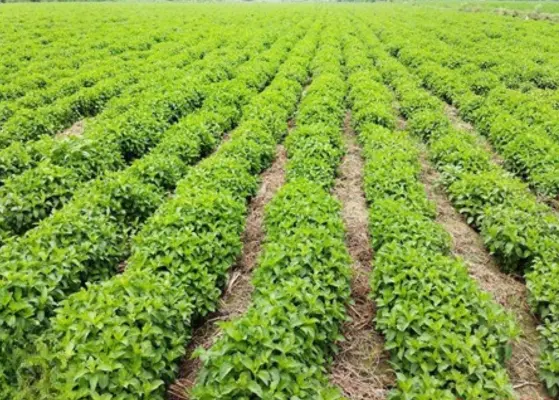
Africa is positioning itself as one of the world’s most important hubs for aromatic raw materials, and this shift is starting to reshape how flavor and fragrance (F&F) supply chains run across the Middle East and Africa. The continent’s fast-expanding agricultural base, which is growing much quicker than before and offering new sourcing opportunities, is capturing global attention.
This expansion is particularly notable among smallholder farmers, regional cooperatives, and international ingredient manufacturers investing in essential-oil crops, botanicals, spices, and indigenous aromatic plants.
Givaudan, Symrise, MANE, Firmenich (DSM-Firmenich), and Takasago are some of the companies that are strengthening their long-term partnerships with African farmers to improve their sustainable sourcing programs for vanilla, cocoa extracts, citrus oils, geranium and vetiver, cardamom and a whole range of botanicals native to east, west and southern Africa. As a result, not only raw materials for the Middle East and Africa market are improved but also the dependence on oversaturated supply regions in Asia and Latin America is reduced.
Africa Becomes a Strategic Raw-Material Hub for Global F&F Companies
Africa has recorded increased investments from global flavor and fragrance companies in the past few years into its aromatic agriculture sector. African essential oil exports have increased to a considerable extent, primarily from imports from GCC markets and perfumery brands located in Europe.
Firms like Givaudan are reinforcing their long-term supply network by expanding sourcing programs for vanilla, chili, ginger, and floral extracts across Madagascar, Rwanda, and Kenya. Symrise, on the other hand, stands out as the most aggressive investor in Africa, developing fully integrated supply chains for vanilla and vetiver in Madagascar and rolling out new sourcing initiatives for hibiscus and ginger in Nigeria.
Essential Oils and Botanicals Move to the Center of African Agriculture
The demand in the Middle East for essential oils such as orange oil, basil oil, geranium, rosemary, frankincense, and myrrh has motivated farmers in Africa to increase cultivation. East Africa, in particular, is emerging as a major supply hub due to its favorable climate and improving export infrastructure.
Firms are expanding their partnerships with Kenyan farmers for geranium cultivation, with training programs to enable cooperatives to meet stringent fragrance-grade standards. MANE and Takasago are expanding the sourcing of cardamom and cinnamon from Tanzania and Uganda. This particular move will enable the companies to build product lines specifically for GCC food manufacturers and premium fragrance brands.
Smallholder Cooperatives Secure Stable Income Through Long-Term Contracts
One of the strongest transformations in Africa’s aromatic raw-material ecosystem is the rise of structured smallholder cooperative networks. Global F&F companies are offering farmers long-term supply contracts, agronomy training, micro-financing, and on-site quality testing to ensure consistent output.
Collaboration with Madagascar vanilla farmers continues to serve as a global strategy for ethical sourcing. Givaudan’s “Sourcing4Good” framework, implemented across Rwanda and Kenya, provides certifications and socio-economic development initiatives that support smallholder livelihoods.
Sustainability and Traceability Become Mandatory Requirements
As import restrictions on natural ingredients get stricter in the GCC, Europe, and Asia, sustainability and traceability are becoming the most important elements of raw-material partnerships. Africa is increasingly shifting towards the adoption of modern traceability techniques, including batch tracking, geo-mapping, and digital certification.
DSM-Firmenich, in September 2025, deployed a digital traceability platform across its Southern Africa botanical supply chain, allowing customers to verify origin and harvesting conditions. MANE has also developed block-chain-based tracking systems for citrus farms in West Africa.
Growing Regional Processing Capacity Strengthens Local Value Addition
Another significant market trend is the rise of local distillation and processing facilities across Africa. Most companies have installed domestic extraction units for value addition of their raw materials before exporting their products rather than directly shipping raw materials offshore for processing.
Companies like Symrise have expanded their distillation capacity in Madagascar to generate local production of higher volumes of vanilla and vetiver extracts. Others have established extraction partnerships for jasmine, basil, and citrus oils in Egypt and Morocco. African SMEs such as those in Kenya, South Africa, and Ghana are also installing steam distillation units increasingly producing essential oils commercially.
Middle East and Africa Fragrance and F&B Manufacturers Benefit From African Ingredient Expansion
GCC perfume manufacturers are counting on an increasingly steady flow of vetiver, frankincense, and citrus oils for local production without overreliance on Asian markets. Beverage producers in Saudi Arabia and the UAE also include African botanicals into functional drinks, ready-to-drink teas, and juice blends.
Hibiscus and rosemary extracts from Symrise, Kenya are mostly preferred by beverage formulators in the UAE, while Givaudan's Madagascar vanilla and chili extracts have a wide usage in Middle Eastern dairy and confectionery lines. This has become possible because of the increase in reliability and decrease of risk for manufacturers across the Middle East and Africa due to this supply-chain realignment.
For deeper insights into sourcing strategies & regional opportunities, explore the Middle East and Africa Flavors and Fragrances Market
Africa’s Aromatic Crop Expansion About to Shape the Future of Middle East and Africa’s F&F Industry
The growing trend in cultivation of aromatic crops shows Africa's evolution in the global ingredient sourcing scope. The more global and regional manufacturers look for clean-label, traceable, and culturally relevant ingredients, the more Africa seems to emerge as a strategic pillar in the Middle East and Africa flavors and fragrances supply chain.











Share