Millennial and Gen Z Hiking Footwear Trends
Millennial and Gen Z consumers are currently redefining hiking gear, particularly hiking footwear. In contrast to earlier generations, their purchasing decisions are influenced by a combination of social values, digital trends, and lifestyle versatility. They are not only buying performance; they desire style, sustainability, and multifunctionality. As hiking becomes an increasingly popular means of recreation and self-care, these young consumers are expecting more out of their footwear. Let's dive into the leading trends that are fuelling this demographic's shoe purchasing decisions and how brands are adapting in response.
Sustainability Is a Major Deciding Factor
Eco-awareness is not just a slogan for millennials and Gen Z. It has become a key concern for your consumers, when it comes to purchasing decisions. Young consumers are opting for hiking boots that are developed from recycled materials, low-impact dyes, and fair labour manufacturing. Brands like Allbirds and Merrell have responded to this trend with eco-friendly offerings based on recycled polyester, algae insoles, and biodegradable packaging. Certifications such as B Corp and Leather Working Group are also gaining visibility among informed buyers.
Style and Function Go Hand-in-Hand
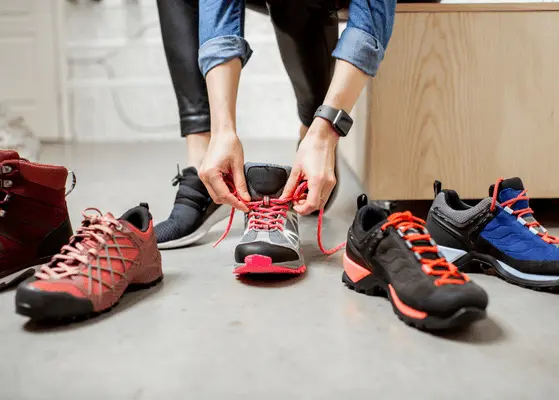
This younger generation refuses to compromise on style. Hiking boots that look good on the trail and in the city are winning over urban hikers. Bold colourways, sleek silhouettes, and fashion-forward collaborations (like The North Face x Gucci) are examples of how outdoor gear is being reimagined. This trend is blurring the line between athletic wear and lifestyle fashion.
Social Media and Influencer Impact
Instagram, TikTok, and YouTube have become primary discovery channels for outdoor gear. Influencers showing off scenic trails, minimalist gear kits, and outfit-of-the-day shots often include hiking shoes that are both functional and photogenic. As a result, footwear with standout aesthetics and recognisable branding are getting prioritised. Viral products often drive sales surges, especially for limited-edition releases or unique colour palettes.
Preference for Lightweight and Versatile Designs
Young hikers are prioritising lightweight, all-in-one designs over bulky, terrain-specific boots. Trail runners, hybrid hiking sneakers, and crossover shoes are trending because they offer mobility, packability, and comfort. This flexibility is especially important for spontaneous weekend hikers or digital nomads who want one pair of shoes to serve multiple activities.
Digital Reviews and Transparency Influence Trust
Millennial and Gen Z buyers rely heavily on reviews, comparison videos, and brand transparency. Footwear that shows clear performance specs, like breathability, waterproof ratings, and grip, tend to outperform vague marketing claims. This demand for transparency also extends to the supply chain as buyers want to know where, how, and under what conditions their gear was made.
For a complete breakdown of hiking gear trends by age group, visit our Global Hiking Footwear Market
Experience-Driven Buying: From Gear to Lifestyle
For millennial and Gen Z hikers, buying footwear is not just about product performance. It is part of a larger lifestyle. They hike to disconnect, socialise, or find balance, and they want their gear to support that purpose. Brands that speak to these values, innovate in sustainability, and merge function with fashion are most likely to earn their loyalty.










Share