Global Oil Pipeline and Transportation Infrastructure Outlook
The transportation of crude oil from production sites to refineries and end users is a complex and vital component of the energy ecosystem. Pipelines, storage facilities, and shipping networks collectively determine how efficiently crude reaches markets. Changes in these systems can have significant effects on supply balance, pricing, and trade patterns.
Global oil transportation infrastructure is more than just a logistical network. It shapes market access, regional competitiveness, and the ability to respond to disruptions. Investors, policymakers, and industry participants closely monitor pipeline expansions, port developments, and tanker fleet upgrades as indicators of supply reliability and market resilience.
Pipelines and the Pillar of Crude Supply
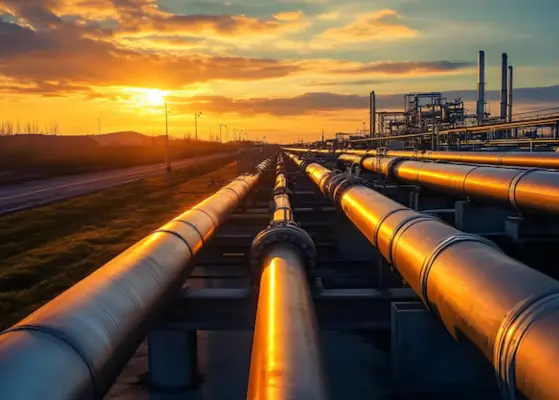
Pipelines remain the most efficient method for moving large volumes of crude oil over land. They provide continuous supply with relatively low operational costs compared to alternatives such as rail or trucking. Many countries rely on domestic pipelines to connect production hubs with major refining centers.
Recent years have seen significant investments in pipeline capacity, particularly in regions with growing production. North America, the Middle East, and parts of Asia have expanded networks to accommodate new upstream projects and improve connectivity. These expansions reduce bottlenecks and allow crude to move more freely, supporting both domestic refining and export commitments.
Pipeline development is also influenced by geopolitical and environmental considerations. Routes often need to navigate regulatory approvals, land rights, and ecological protections. Delays in approvals or opposition from local communities can postpone project timelines, affecting the timing of crude deliveries and investment returns.
Shipping and Storage Networks
Maritime transport plays an essential role in global crude distribution. Tanker fleets enable the movement of oil from producing regions to distant markets, especially where pipelines are not feasible. Storage terminals at key ports act as buffers, allowing refiners and traders to manage supply and respond to market fluctuations.
Investment in port infrastructure and tankers has grown to meet increasing global demand. Advanced loading and unloading systems reduce turnaround times for ships, while larger storage tanks improve operational flexibility. These enhancements allow suppliers to maintain smoother trade flows and avoid sudden shortages.
Storage capacity also supports price stability. Strategic reserves and commercial storage facilities help absorb temporary supply disruptions. When global demand rises, these reserves can be tapped to prevent sharp spikes in fuel costs. Conversely, excess storage can mitigate oversupply and price collapses.
Modernization and Technology Integration
Technology is becoming increasingly important in oil transportation. Pipeline monitoring systems, real time flow sensors, and automated leak detection improve safety and operational efficiency. Shipping companies are integrating digital tracking platforms and predictive maintenance solutions to enhance fleet performance.
These innovations allow operators to anticipate disruptions, schedule maintenance more effectively, and respond quickly to emergencies. The result is a more resilient transportation network that reduces supply uncertainty and improves confidence among buyers and investors.
The Connection to Crude Supply and Trade
Transportation infrastructure directly affects how crude supply meets demand. Delays, bottlenecks, or insufficient capacity can restrict access to refineries, even when production levels are high. Conversely, efficient pipelines and shipping networks enable rapid response to shifts in demand or geopolitical events.
For example, disruptions in a major pipeline or port can temporarily shift trade routes, pushing refiners to source crude from alternative regions. These adjustments influence regional price spreads and can ripple across the global market. Infrastructure development thus serves as a strategic enabler for both producing and consuming nations.
For insights on pipeline, shipping, and storage impacts on crude supply, explore the Global Crude Oil Industry Report.
Strategic Insights for the Future
Investment in transportation and storage is not just about moving crude more efficiently. It reflects broader market priorities, including energy security, resilience to disruptions, and alignment with emerging demand patterns. Countries and companies that proactively expand and modernize infrastructure can reduce vulnerability to supply shocks and maintain competitiveness in global trade.
As the global energy landscape evolves, pipelines, ports, and storage facilities will remain central to operational and strategic decisions. Monitoring these systems provides insight into market trends, potential bottlenecks, and investment opportunities. Transportation infrastructure continues to be a vital link between upstream production and downstream consumption, shaping the stability and accessibility of crude oil across the globe.











Share