Outdoor Lighting Innovations in Indian Cities
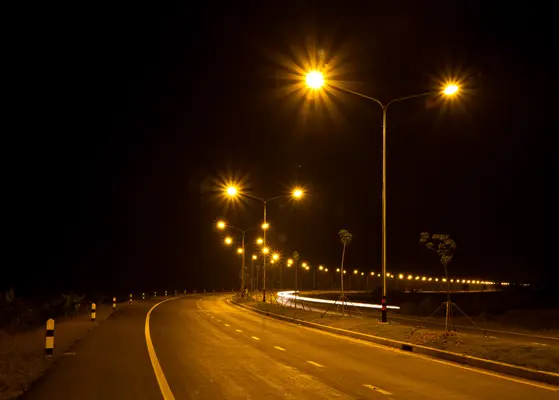
Outdoor lighting is increasingly becoming an integral aspect of urban life in Indian cities. They are adopting new-age solutions that enhance security, save energy, and make public spaces more beautiful. Ranging from streetlights and parks to highways and public buildings, smart and energy-efficient lighting systems are being deployed. These technologies enable cities to utilize resources more effectively while making cities safer and more appealing. This transformation of outdoor lighting is part of a larger movement toward efficient, high-tech cities that prioritize efficiency, safety, and quality of life.
Smart Streetlights Leading the Way
Smart street lighting is on the rise in Indian cities. Equipped with sensors and smart controls, these lights change their intensity in response to traffic, weather, or time of day, which reduces energy use and municipal costs. Pune, Bengaluru, Jaipur, and Surat are implementing smart streetlight initiatives with remote monitoring and predictive maintenance, improving reliability and minimizing downtime.
Aside from functionality, smart streetlights are also incorporated into broader urban planning. They are interfaced with traffic management, emergency response, and public safety networks. When they relate to digital platforms, lighting infrastructure is made more efficient, operations are better managed, and streets are properly lit at any time of the day. Some cities have already started integrating streetlights with city-wide IoT networks, collecting data on traffic movement, pedestrian activity, and energy consumption, informing future mobility planning and infrastructure decisions.
Energy Efficient Outdoor Lighting
Outdoor lighting in India gives high priority to energy efficiency. LED technology is taking over from old high-pressure sodium and metal halide lamps on roads, in parks, and public structures. LEDs save energy, last longer, and emit superior light. LEDs are being used by many municipalities in conjunction with solar power arrays to minimize grid reliance and emissions.
LED lighting also increases safety with more uniform light on roads and sidewalks. Energy-efficient systems require maintenance less often, reducing expenses for municipal governments. Hybrid lighting systems, combining solar and grid power, are being tested in some cities to keep lights lit even during blackout conditions. Long-term investment in energy-saving technology reduces the carbon footprint of cities while maintaining affordability in infrastructure.
Decorative and Architectural Lighting
Outside, lighting also serves for aesthetics. Architectural and decorative lighting emphasizes civic buildings, historic landmarks, and city icons. Themed installations, color-changing LEDs, and interactive displays produce visually appealing public spaces. Decorative temporary lighting brings color to festivals and events, drawing locals and tourists alike.
Parks, promenades, and pedestrian areas are enriched by innovative lighting schemes. Garden illumination, footpath illumination, and spotlighting not only enhance safety but also add to the aesthetic appeal and ambiance of urban areas. Such schemes often come under city beautification projects, providing lasting experiences. Festival lighting and interactive installations assist cities in projecting a stronger sense of cultural identity, promoting tourism, and creating social gatherings.
Government and Municipal Support
Smart city initiatives and government programs are the main drivers to revolutionize street lighting in India. The Smart Cities Mission and energy efficiency programs encourage the use of LEDs, solar lighting, and sensor controls. Municipal bodies collaborate with technology companies to provide solutions with cost, energy efficiency, and performance in balance.
These initiatives provide avenues for private investment and innovation. Numerous companies and startups are crafting lighting products that are tailored specifically to Indian cities and landscapes. With the emphasis being on green solutions, governments promote a move towards efficient, inexpensive, and environmentally friendly outdoor lighting. Large-scale retrofits, smart grid lighting, and visually spectacular installations find more public-private partnerships encouraging them.
Safety, Sustainability, and Urban Planning
Exterior lighting significantly improves public safety by lighting up the roads, highways, and pedestrian zones, hence mitigating accidents and criminal activities. Intelligent, energy-saving light helps achieve sustainability through reduced emissions and electricity use. City planners are now integrating lighting as an integral element of urban infrastructure, aligning it with transport systems, emergency services, and public spaces.
As populations grow, street lighting policy changes to keep up with demands. Urban planners look to develop infrastructure that is functional, beautiful, and adaptable for what the future brings. The integration of technology, green design, and innovative planning is making cities safer, healthier, and more human-friendly. More and more, public consultations guarantee that street lighting is attuned to what people want and encourages social interaction.
For a holistic picture, technology trends, and geographic adoption, refer to our India Lighting Market Report
Leading the Way to Smart Cities
Indian urban lighting has progressed from mere illumination. It has turned into a necessity for safety, efficiency, sustainability, and urban aesthetic enhancement. Through smart, energy-efficient light technologies, cities are developing more amiable surroundings for citizens and tourists. Through ongoing innovation, public endorsement, and integration of technology, India is moving towards smarter, safer, and more sustainable urban lighting systems. Such systems illuminate urban life, stimulate economic growth, assist governments in attaining sustainability targets, and promote communal spirit.











Share